Source Portable Anti-Pilling Raschel Blanket for Travel Home Hotel
Compare 30 listings for portable anti-pilling raschel blanket options suitable for travel, home, and hotel use. Buyers can evaluate materials like polyester and sherpa fleece, along with customization and pricing details.
Key considerations
Products List
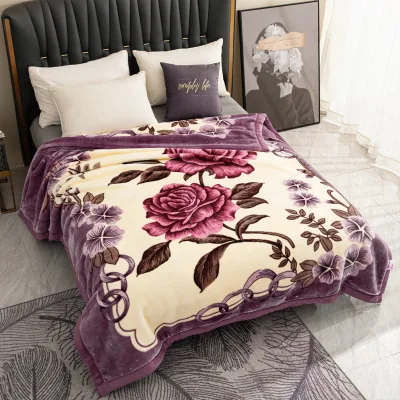


Winter Heavy Double Sided Velvet Winter Blanket Raschel Coral Pile Blanket
$4.30 - $4.50
MOQ: 1000 Pieces


Raschel Blanket Double Thick Double Warm Coral Single Bed Blanket for Winter
$8.00 - $8.40
MOQ: 1000 Pieces


Comprehensive Sourcing Guide
Strategic Sourcing Guide for Portable Anti-Pilling Raschel Blankets
Understanding the Core Product Attributes and Technical Specifications
The Raschel blanket represents a specialized category within the textile market, distinguished by its specific knitting method and functional finish. When sourcing a portable anti-pilling raschel blanket, buyers must first align their requirements with the observed technical baseline. The defining characteristic of this product is the Raschel knitting technique, which is often categorized under Machine Weaved or Woven processes in supplier listings. This method allows for the creation of complex, open-stitch structures that contribute significantly to the fabric's breathability and softness.
A critical observation for procurement teams is the material composition. The market data indicates a primary reliance on 100% Polyester, Plush, or Polyester/Acrylic blends. Some listings also reference Sherpa Fleece or Microfiber Fabric as viable material options. While some generic descriptions may mention "Pure Wool" or "Wool Blanket" standards, the dominant supply chain reality for portable, anti-pilling variants centers on synthetic fibers that offer durability and cost-efficiency. The Hand feeling is a paramount specification, with suppliers frequently advertising a Super Soft Hand Feeling as a key differentiator. This tactile quality is achieved through the specific pile height and the finishing processes applied to the polyester or acrylic yarns.
The physical dimensions and weight are variable but follow a predictable range. Standard configurations often include sizes such as 150x200 cm, 180x220 cm, and 200x230 cm. The weight of these blankets varies significantly based on density, with observed single gross weights ranging from 1.000 kg to 4.5 kg depending on the specific size and thickness selected. For instance, a standard 150x200 cm unit may weigh approximately 2 kg, while larger queen or full-size variants can reach up to 4.5 kg. The shape is consistently Rectangular, and the design patterns range from Plain Color to Plaid, often customizable to meet specific brand requirements.
Compliance, Certification, and Material Verification Protocols
In the B2B procurement of textiles, verifying compliance and material authenticity is as critical as the physical attributes of the product. While the supplied product data highlights the place of origin as Zhejiang, China, a major hub for textile manufacturing, buyers must exercise caution regarding material claims. Some listings reference pure wool or wool blanket standards, yet the primary material listed is 100% Polyester or Acrylic. This discrepancy necessitates a rigorous verification process where the buyer must explicitly request material test reports to confirm the fiber content. Relying on the term "wool" without a certificate of analysis can lead to significant quality mismatches, especially when the product is marketed as a synthetic alternative.
Regarding safety and environmental certifications, the background knowledge suggests that standards such as OEKO-TEX, REACH, and ISO 9000 are relevant to the industry, though they are not explicitly confirmed in the specific product listings provided. Buyers should not assume that a blanket is certified based on the supplier's general reputation. Instead, the procurement strategy must include a mandatory request for current certification documents. For products intended for use in Hospitals, Hotels, or Travel environments, compliance with chemical safety standards is non-negotiable. The buyer must verify that the dyes and finishing agents used to achieve the Super Soft Hand Feeling and Anti-Pilling properties meet the regulatory requirements of the destination market.
Furthermore, the is_customized attribute is marked as Yes, and OEM/ODM is listed as Acceptable. This flexibility allows for branding but introduces complexity in compliance. When a supplier applies custom branding or modifies the fabric composition, the original certification of the base material may no longer apply. Therefore, the sourcing guide mandates that any customized order requires a new batch testing protocol to ensure that the modified product still adheres to the required safety and performance standards. The Standard of the product should be clearly defined in the contract, moving beyond generic terms like "wool blanket" to specific fiber content percentages and performance metrics.
Cost Drivers and Pricing Structure Analysis
The pricing of portable anti-pilling raschel blankets is influenced by a complex interplay of material costs, customization levels, and order volume. The observed price range in the market spans from 0.5 USD to 148.2 USD, a variance that reflects the vast difference between basic, mass-produced items and high-end, heavily customized variants. The primary cost driver is the Material. While 100% Polyester offers a lower cost baseline, the inclusion of Acrylic, Sherpa Fleece, or high-density Plush will increase the unit price. The weight of the blanket is also a direct cost factor; a 4.5 kg blanket consumes significantly more raw material than a 1.0 kg unit, directly impacting the final price.
The MOQ (Minimum Order Quantity) is another significant determinant of cost efficiency. The observed MOQ range is 5 to 5000 units. Suppliers offering low MOQs, such as 5 or 300 pieces, often charge a premium per unit to cover setup and machine time. Conversely, orders approaching the 5000-unit threshold typically benefit from economies of scale, resulting in a lower price per unit. The Selling Units are generally listed as Single item, but bulk purchasing is the standard for B2B transactions. Buyers must negotiate based on their volume, understanding that the Factory Direct Supply With Charming Price advantage is most accessible when ordering in larger quantities.
Customization adds a layer of cost complexity. The Design pattern is listed as According customer require, and the Brand name can be hongyangda or custom. Custom printing, embroidery, or specific color matching (e.g., Color 1) requires additional setup time and resource allocation. The Sample Time is noted as 20-25 days, which implies that the customization process is not instantaneous and may incur sample fees. Buyers should factor these lead times and potential sample costs into their overall budget. Additionally, the Packing method, whether PE Bag or Carton, affects the logistics cost. Custom packaging solutions will increase the unit price compared to standard bulk packing.
Typical Applications and Usage Scenarios
The versatility of the portable anti-pilling raschel blanket makes it suitable for a wide array of applications. The Usage field in the product data explicitly lists Travel, Home, Airplane, Hotel, Hospital, and Picnic. This broad applicability stems from the Portable feature and the Anti-Pilling characteristic, which ensures the blanket maintains its aesthetic appeal even after frequent use and washing.
In the Travel and Airplane sectors, the lightweight yet warm nature of the blanket is essential. The Single package size of 150.0x200.0x2.0 cm suggests a compact form factor that is easy to store in luggage or overhead compartments. The Super Soft Hand Feeling enhances passenger comfort during long flights, while the Anti-Pilling feature ensures the blanket does not look worn out after repeated use by different passengers.
For the Hotel and Hospital industries, the blanket serves a dual purpose of comfort and hygiene. The Usage in these settings requires high durability and ease of cleaning. The Woven or Machine Weaved construction provides structural integrity, preventing the fabric from tearing under frequent laundering. The Season attribute is listed as FOUR SEASONS or Spring and Autumn, indicating that the blanket is designed for moderate climates, making it ideal for year-round use in climate-controlled environments like hotels and hospitals.
The Home and Picnic applications leverage the Multi-purpose nature of the product. The Plain or Plaid styles allow the blanket to blend seamlessly with various interior decors or outdoor settings. The Rectangular shape and Portable design make it easy to carry for outdoor activities, while the Anti-Pilling property ensures it remains presentable in social settings. The Age Group is specified as Adults, suggesting that the sizing and weight are optimized for adult comfort, though the versatility allows for use in various household scenarios.
Supplier Evaluation and Operational Capabilities
Selecting the right supplier is critical for ensuring consistent quality and reliable delivery. The place of origin is consistently Zhejiang, China, a region known for its robust textile manufacturing infrastructure. However, buyers must look beyond the geographic location and evaluate the supplier's operational capabilities. The OEM/ODM status being Acceptable indicates that the supplier has the flexibility to produce custom orders, but this capability must be verified through a site audit or a detailed questionnaire regarding their production capacity.
The is_customized attribute being Yes is a positive indicator, but buyers should assess the supplier's ability to handle custom Design patterns and Brand name requirements. The Sample Time of 20-25 days suggests a moderate production cycle, which buyers must account for in their supply chain planning. Suppliers with shorter sample times may offer faster turnaround but could compromise on quality control. The MOQ range of 5 to 5000 offers flexibility, but buyers should ensure that the supplier can scale production to meet their specific volume needs without sacrificing quality.
When evaluating suppliers, buyers should also consider the Packing standards. The prod_packing is listed as Carton, and some listings mention PE Bag. Consistency in packaging is vital for protecting the product during transit, especially for Portable items that may be handled frequently. The Single gross weight of 1.000 kg and the Single package size provide baseline data for logistics planning, but buyers must confirm that the supplier can maintain these specifications across large orders.
Quality Control and Long-Term Procurement Considerations
Quality control for raschel blankets must focus on the Anti-Pilling and Hand feeling attributes, as these are the primary selling points. The Feature list includes Anti-Pilling, Portable, and Wearable, indicating that the product is designed for durability and comfort. Buyers should implement a rigorous quality control protocol that includes testing for pilling resistance using standardized methods such as the Martindale test or similar abrasion tests. The Super Soft Hand Feeling should be verified through sensory evaluation by a panel of experts to ensure consistency across batches.
Long-term procurement considerations involve establishing a stable supply chain that can adapt to changing market demands. The Customization availability suggests that buyers may need to update designs or materials over time. A supplier with strong OEM/ODM capabilities can support these changes, but the buyer must maintain clear communication regarding specifications. The Standard of the product should be clearly defined in the contract, moving beyond generic terms to specific fiber content and performance metrics.
Buyers should also consider the Season attribute. While the product is listed as suitable for FOUR SEASONS, the actual performance may vary based on the specific material blend. A Polyester blanket may perform differently in extreme cold compared to a Wool or Acrylic blend. Therefore, buyers should test the product in the intended environment before committing to large orders. The Function of the blanket, described as Soft Warm, should be validated through thermal testing to ensure it meets the comfort expectations of the end-user.
Finally, the Lead Time and Sample Time are critical factors in long-term planning. With a sample time of 20-25 days, buyers should plan their inventory cycles accordingly to avoid stockouts. The MOQ of 300PCS or higher for some suppliers may require buyers to forecast demand accurately to avoid overstocking. By maintaining a strategic relationship with suppliers who offer Factory Direct Supply and flexible customization, buyers can ensure a steady flow of high-quality, portable anti-pilling raschel blankets that meet their specific operational needs.
Comparative Analysis of Product Variants
To assist buyers in making informed decisions, the following table compares key attributes of the observed product variants based on the supplied data. This comparison highlights the differences in material, size, and weight that influence the final selection.
| Attribute | Variant A (Standard) | Variant B (Heavyweight) | Variant C (Travel/Compact) |
|---|---|---|---|
| Material | 100% Polyester | Polyester / Acrylic | Microfiber Fabric |
| Size | 150x200 cm | 200x230 cm | 150x200 cm |
| Weight | 2.0 kg | 4.5 kg | 1.0 kg |
| Style | Plain Color | Plaid | Plain Color |
| Usage | Home, Hotel | Home, Picnic | Travel, Airplane |
| Hand Feeling | Super Soft | Super Soft | Super Soft |
| MOQ | 300 PCS | 300 PCS | 5 PCS |
This table illustrates that while the core features like Super Soft Hand Feeling and Anti-Pilling remain consistent, the choice of material and weight significantly impacts the application. Variant A is suitable for general home use, Variant B offers extra warmth for colder environments, and Variant C is optimized for portability and travel. Buyers should select the variant that best aligns with their specific use case and budget constraints.
FAQs
What material options are available for portable anti-pilling raschel blankets?
The primary material options include 100% Polyester, plush, Polyester/Acrylic blends, and Sherpa Fleece. Custom material requests are also acceptable, allowing buyers to select specific fiber compositions to meet their durability and softness requirements.
Can I customize the design pattern and brand name for this product?
Yes, customization is available for both design patterns and brand names. Buyers can request specific patterns like plain color or plaid, and the brand name can be set to custom or the supplier's existing brand like Hongyangda.
What is the typical MOQ range for ordering portable anti-pilling raschel blankets?
The minimum order quantity ranges from 5 to 5000 units depending on the supplier and customization level. Some specific listings may require a minimum of 300 pieces, while others offer lower thresholds for sample or trial orders.
How long does it take to receive a sample for this blanket?
The sample time is typically between 20 to 25 days for production. This lead time accounts for the customization process and ensures the final sample meets the specified hand feeling and anti-pilling standards before bulk manufacturing begins.
Which sizes and weights are commonly available for these blankets?
Common sizes include 150x200 cm, 180x220 cm, and 200x230 cm with varying weights from 2 kg to 4.5 kg. The specific weight depends on the chosen dimensions, with larger sizes generally requiring higher gram weights for adequate warmth.
Where are these portable anti-pilling raschel blankets manufactured?
The place of origin for these products is consistently Zhejiang, China. This region is a major hub for textile manufacturing, providing access to factories capable of producing woven or machine-weaved blankets with specific technical finishes.