Source Semiautomatic Electric Planer Shaper Machine for Metalworking
Find and compare 30 Semiautomatic Electric Planer Shaper Machine options from verified suppliers. Evaluate models like BC6066 and B635A based on power source, precision, and customization availability to find the right equipment for your manufacturing needs.
Key considerations
Products List


Planer Machine Bc6050 Maximum RAM Shaping Length 500 mm Shaper Machine
$4400.00 - $5400.00
MOQ: 1 Pieces

Shaper Machine Bc6085 Maximum RAM Shaping Length 850 mm Planer Machine
$7950.00 - $10000.00
MOQ: 1 Pieces


B635A Shaper Machine Maximum RAM Shaping Length 350 mm Planer Machine
$3400.00 - $4400.00
MOQ: 1 Pieces

High Precision Planer Shaper Machine B635A Horizontal China Shaping Planer Machine
$3000.00 - $20000.00
MOQ: 1 Pieces


Planer Manufacturer Surface Planer Machine Power Gear Shaper Planer Machine
$15500.00 - $17500.00
MOQ: 1 Pieces


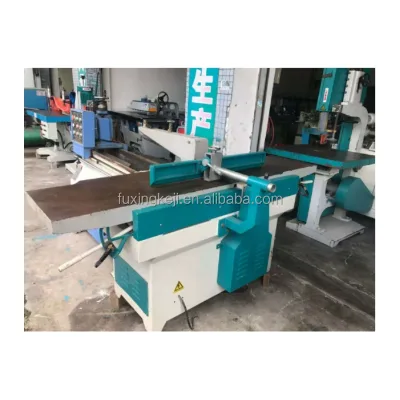


Comprehensive Sourcing Guide
Semiautomatic Electric Planer Shaper Machine Sourcing Guide
Procuring a Semiautomatic Electric Planer Shaper Machine requires a disciplined approach to aligning technical capabilities with operational needs. These machines are essential for precision metalworking, particularly in environments where manual shaping is too slow but fully automated lines are cost-prohibitive. The core keyword highlights a specific intersection of automation levels and power sources, indicating that buyers must carefully evaluate the balance between operator involvement and mechanical efficiency. Understanding the nuances of semiautomatic operation is critical, as it implies a workflow where the operator initiates or guides specific cycles while the machine handles repetitive or high-force movements. This guide provides evidence-based procurement strategies to ensure that the selected equipment meets rigorous industrial standards without compromising on safety or precision.
The sourcing landscape for these machines is diverse, with manufacturers offering various configurations tailored to different production scales. Buyers must navigate a market where product attributes such as power source, automatic grade, and precision levels vary significantly across listings. By focusing on verified specifications and documented compliance, procurement teams can mitigate the risks associated with mismatched equipment. This guide emphasizes the importance of verifying technical data against actual operational requirements, ensuring that the chosen planer shaper machine delivers consistent performance and longevity. The following sections detail the critical factors that influence sourcing decisions, from technical verification to long-term maintenance considerations.
Product Scope and Observed Listing Signals
The observed market data reveals a wide range of pricing and minimum order quantities, indicating a segmented supplier base catering to both small workshops and large industrial facilities. Prices observed in the market range from $1,000 to $46,650, reflecting differences in machine size, precision, and additional features. Minimum order quantities (MOQ) are typically low, ranging from 1 to 2 units, which suggests that suppliers are flexible and willing to accommodate single-unit purchases for testing or small-scale production needs. This variability allows buyers to select equipment that fits their budget constraints while still accessing high-quality machinery. However, the wide price range necessitates a thorough comparison of specifications to ensure that cost differences are justified by tangible performance benefits.
Product listings often include specific model numbers and origin details that provide insight into the machine's capabilities and manufacturing standards. Models such as BC6066, BC6050, BC6085, and B635A are commonly referenced, each associated with specific origins like Tengzhou or Shandong in China. These locations are known for their manufacturing expertise in planer and shaper machines, offering a range of options from small to large types. The presence of customization options and various packing methods, such as plywood or wood cases, indicates that suppliers are attentive to logistical needs and specific buyer requirements. Buyers should leverage this information to select a model that aligns with their spatial constraints and handling capabilities.
Technical Specifications to Verify
Verifying the technical specifications of a Semiautomatic Electric Planer Shaper Machine is crucial to ensure it meets the intended application requirements. Key attributes to confirm include the power source, automatic grade, and precision level. While some listings indicate electric power sources, others may specify hydraulic pressure or manual operation, so buyers must ensure the selected machine matches their facility's power infrastructure and operational preferences. The automatic grade, often listed as semiautomatic or manual, dictates the level of operator involvement required, impacting labor costs and workflow efficiency. Precision levels, ranging from normal to high, should be matched to the tolerance requirements of the parts being produced, ensuring that the machine can consistently deliver the desired quality.
Additional specifications such as maximum cutting length, table travel, and tool head travel are critical for determining the machine's capacity and versatility. For instance, a maximum cutting length of 900mm and a tool head travel of 150mm provide insight into the machine's ability to handle larger workpieces and complex shaping tasks. Buyers should also verify the motor power, throat depth, and cylinder speed, as these factors influence the machine's performance and durability. The presence of features like waterproof ratings (e.g., IPX-8) and warranty periods (e.g., 1-year) offers additional assurance of the machine's robustness and the supplier's confidence in its quality. These details should be cross-referenced with the buyer's specific production needs to avoid mismatches in capability.
Compliance and Safety Documentation
Compliance with international standards is a non-negotiable aspect of sourcing industrial machinery, ensuring that the equipment meets safety and environmental regulations. Certifications such as ISO, CE, RoHS, and SGS are commonly listed, indicating that the machine adheres to recognized quality and safety benchmarks. Buyers must verify the validity and scope of these certifications, ensuring that they cover the specific model and configuration being purchased. The presence of CE marking, for example, is essential for machines intended for use in the European market, while ISO 9001 certification indicates a robust quality management system. These certifications provide a baseline assurance of the machine's compliance with regulatory requirements, reducing the risk of legal and operational issues.
Safety features and documentation are equally important, as they protect operators and ensure the machine operates within safe parameters. Buyers should request detailed safety manuals, risk assessments, and compliance certificates from the supplier. These documents should outline the machine's safety mechanisms, emergency stop procedures, and maintenance requirements. Additionally, verifying the machine's electrical safety standards and grounding requirements is crucial to prevent accidents and ensure reliable operation. By prioritizing compliance and safety documentation, buyers can mitigate risks and ensure that the machine integrates seamlessly into their existing safety protocols. This diligence also enhances the machine's resale value and facilitates smoother inspections by regulatory bodies.
Cost Drivers and Commercial Terms
Understanding the cost drivers associated with semiautomatic electric planer shaper machines is essential for effective budgeting and negotiation. Factors such as machine size, precision, and additional features significantly influence the final price. Larger machines with high precision and advanced automation features typically command higher prices, while smaller, standard-precision models are more cost-effective. Buyers should also consider the cost of customization, packaging, and shipping, as these can add to the overall expenditure. The observed MOQ range of 1-2 units suggests that suppliers are flexible, allowing buyers to negotiate favorable terms for single-unit purchases. However, bulk orders may offer discounts, so buyers should evaluate their long-term needs to determine the optimal order quantity.
Commercial terms, including payment methods, delivery times, and warranty conditions, play a crucial role in the procurement process. Buyers should negotiate clear terms regarding payment schedules, such as deposits and balance payments upon delivery. Delivery times should be confirmed to ensure that the machine arrives within the required timeframe, avoiding production delays. Warranty conditions, typically ranging from 1-year to longer periods, provide protection against defects and malfunctions. Buyers should also inquire about the availability of spare parts and technical support, as these factors impact the total cost of ownership. By carefully evaluating these commercial terms, buyers can secure a favorable deal that aligns with their financial and operational goals.
Supplier Qualification and Quality Control
Supplier qualification is a critical step in ensuring the reliability and quality of the procured planer shaper machine. Buyers should conduct thorough due diligence on potential suppliers, verifying their manufacturing capabilities, quality control processes, and customer reviews. Suppliers with a proven track record in producing planer and shaper machines are more likely to deliver high-quality equipment that meets specified requirements. Buyers should request references from previous clients and, if possible, visit the supplier's facility to assess their production standards. This proactive approach helps identify suppliers who prioritize quality and customer satisfaction, reducing the risk of receiving substandard equipment.
Quality control measures implemented by the supplier are equally important, as they ensure that each machine meets the required specifications before shipment. Buyers should inquire about the supplier's quality assurance protocols, including inspection procedures, testing methods, and certification processes. Machines should undergo rigorous testing to verify their performance, precision, and safety features. Buyers should also request detailed inspection reports and test results for the specific model being purchased. By prioritizing suppliers with robust quality control measures, buyers can ensure that the procured machine is reliable, durable, and capable of delivering consistent performance. This diligence also enhances the supplier's credibility and fosters a long-term partnership based on trust and mutual benefit.
Long-Term Procurement Checks
Long-term procurement checks are essential for maintaining the performance and longevity of the Semiautomatic Electric Planer Shaper Machine. Regular maintenance and timely repairs are crucial to prevent downtime and extend the machine's operational life. Buyers should establish a comprehensive maintenance schedule, including routine inspections, lubrication, and component replacements. Suppliers often provide maintenance manuals and guidelines, which buyers should follow diligently to ensure optimal performance. Additionally, buyers should monitor the machine's performance metrics, such as precision and cutting speed, to detect any deviations that may indicate underlying issues. Proactive maintenance helps identify potential problems early, allowing for timely interventions and preventing costly repairs.
Building a strong relationship with the supplier is also vital for long-term success, as it ensures access to technical support, spare parts, and updates. Buyers should maintain open communication with the supplier, reporting any issues or concerns promptly. Suppliers with a commitment to customer service are more likely to provide timely assistance and solutions, minimizing disruption to production. Buyers should also stay informed about industry trends and technological advancements, as these may offer opportunities to upgrade or enhance their existing equipment. By prioritizing long-term procurement checks and supplier relationships, buyers can ensure that their planer shaper machine remains a valuable asset, delivering consistent performance and value over its lifespan.
FAQs
What certifications do these machines have?
The machines hold ISO, CE, and RoHS certifications. Some models also include SGS and ISO 9001 standards. These certifications ensure compliance with international safety and quality requirements for industrial equipment.
Can I get customization for this machine?
Customization is available for these shaping machines. Buyers can request specific modifications to meet unique production needs. This flexibility allows the equipment to adapt to various industrial workflows effectively.
What is the warranty period for the machine?
The standard warranty period is one year. This coverage protects against manufacturing defects during the initial operational phase. Buyers should review specific terms to understand the full scope of the warranty.
Which power sources are available for these machines?
Available power sources include mechanical drive, manual, hydraulic pressure, and electric options. The specific source depends on the model selected. Buyers should verify the power requirement for their specific production environment.
How is the machine packed for shipping?
The machines are packed in plywood cases or wood cases. This packaging ensures protection during transit. The sturdy construction helps prevent damage while the equipment is being shipped to the destination.
What is the maximum cutting length available?
The maximum cutting length can reach 900mm for certain models. Other specifications vary by model, such as 660mm for the BC6066. Buyers must check the specific model datasheet for exact dimensions.
Where are these machines manufactured?
These machines originate from China, specifically from locations like Tengzhou and Shandong. The manufacturing base supports the production of various planer and shaper models. Buyers can expect consistent quality from these established industrial regions.