Source Shock Resistant Fog Lamp for Trucks, Construction, and Mining
Compare 30 Shock Resistant Fog Lamp options from verified Chinese suppliers. Buyers can evaluate specifications, certifications, and pricing for heavy-duty applications in trucks, construction equipment, and mining vehicles. These units feature waterproof resistance, E-mark and CCC certifications, and are available in halogen or xenon materials with 24V voltage ratings suitable for various brands like Sinotruk and Komatsu.
Key considerations
Products List
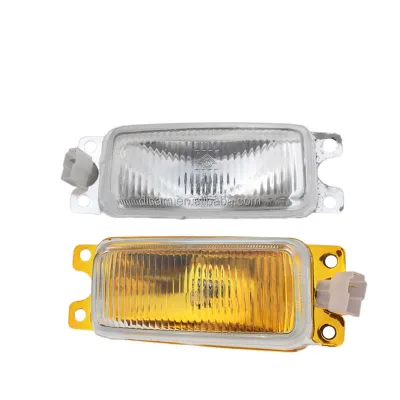


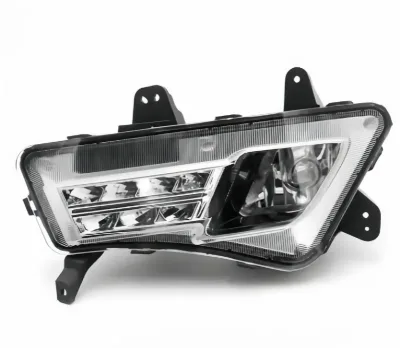
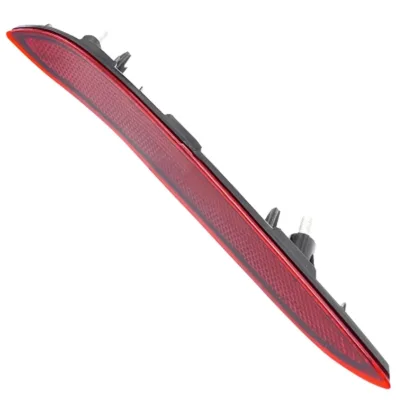
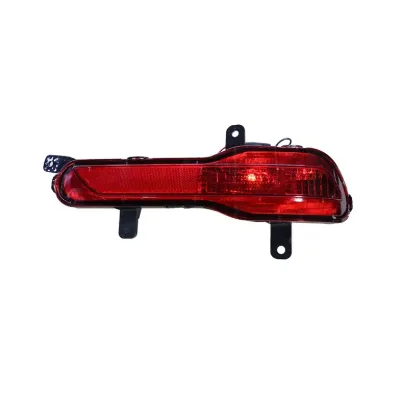
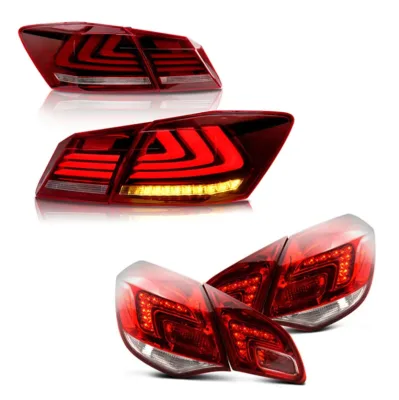


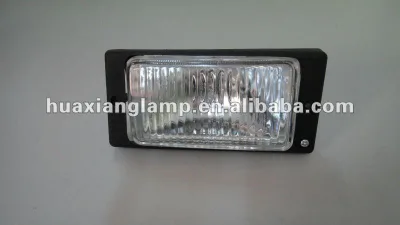


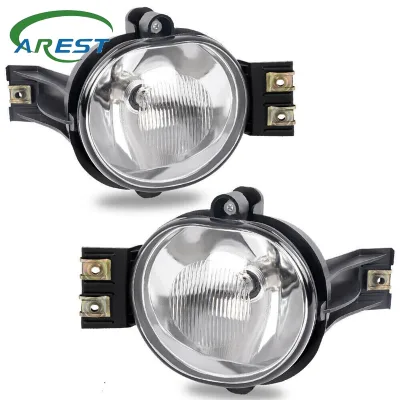
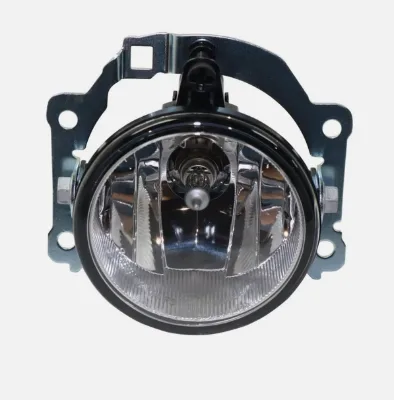


Comprehensive Sourcing Guide
Shock Resistant Fog Lamp Sourcing Guide
Procuring shock resistant fog lamps requires a disciplined approach to balancing rugged durability with optical clarity, particularly for heavy-duty and off-road applications. Buyers must recognize that "shock resistant" is not a standardized certification but a performance characteristic often achieved through robust housing materials and secure mounting systems. The observed market data indicates a wide variance in product specifications, ranging from standard halogen bulbs to advanced HID Xenon units, each presenting different vulnerability profiles to vibration and impact. Understanding these material differences is the first step in defining a procurement specification that aligns with the operational environment of the target vehicle fleet.
This guide synthesizes observed listing signals and technical attributes to help procurement teams navigate the complexities of sourcing these components. By focusing on verifiable data points such as origin, certification marks, and material composition, buyers can mitigate the risk of selecting substandard parts that fail prematurely under stress. The following sections provide a structured framework for evaluating suppliers, verifying technical compliance, and establishing commercial terms that protect against quality inconsistencies. This approach ensures that the final selection meets both the mechanical demands of shock resistance and the regulatory requirements of the destination market.
Product Scope and Observed Listing Signals
The current market landscape for fog lamps reveals a diverse array of product types, primarily categorized by bulb technology and intended vehicle compatibility. Observed listings highlight products utilizing Halogen and HID Xenon materials, with specific model numbers such as SF-FUN200, SF-FUN174, and HSDJ-105 indicating a broad inventory range. These units are frequently marketed as compatible with major construction and agricultural brands, including ZOOMLION, Kubota, Shantui, and Hitachi, suggesting a strong focus on heavy machinery and commercial transport sectors. Buyers should note that while some listings claim universal compatibility, others are tailored to specific chassis or lighting configurations, necessitating careful cross-referencing of part numbers before placement.
Listing signals also emphasize condition and availability, with many suppliers advertising 100% brand-new stock and immediate availability. The presence of video outgoing-inspection services provides a tangible layer of verification for buyers concerned about cosmetic defects or manufacturing flaws prior to shipment. Additionally, the observation of multiple model variants, such as SF-FUN239 and SF-FUN240, suggests that suppliers often offer slight variations in housing design or electrical connectors to fit different vehicle platforms. Procurement teams should leverage these signals to request specific technical drawings or installation guides, ensuring that the physical dimensions and mounting points align with their existing fleet requirements before committing to an order.
Technical Specifications to Verify
Verifying technical specifications is critical to ensuring that fog lamps can withstand the vibrational stresses inherent in heavy-duty operations. Buyers must confirm the rated working voltage, as observed listings indicate both 12V and 24V options, with specific mentions of DC 24V applications for trucks like the Sinotruk HOWO. The working environment temperature range, cited as -40℃ to +75℃, is a vital parameter for equipment operating in extreme climates, as thermal cycling can degrade seals and electrical contacts over time. Additionally, the waterproof resistance rating must be explicitly confirmed, as fog lamps are inherently exposed to moisture and debris, making ingress protection a non-negotiable aspect of shock and environmental resilience.
Material composition and housing construction further dictate the longevity of the unit under impact. Listings reference thick stamped steel plates and neutral or brand-specific packaging, which can influence the structural integrity of the lamp assembly. The bulb type, whether Halogen or HID Xenon, also affects the internal shock absorption requirements, as HID units often contain more fragile glass envelopes and complex ballast systems. Buyers should request detailed material safety data sheets or engineering specifications to verify that the housing materials are resistant to corrosion and impact, ensuring that the lamp maintains its optical alignment and structural integrity throughout its service life.
Compliance and Safety Documentation
Compliance with regional safety standards is a mandatory prerequisite for importing and installing fog lamps in most jurisdictions. Observed listings frequently cite E-mark, CCC, and DOT certifications, which correspond to European, Chinese, and United States regulatory frameworks, respectively. Buyers must verify that the specific model they intend to purchase holds the correct certification for their destination market, as non-compliant units can lead to customs seizures or legal liabilities. The presence of multiple certification marks on a single listing may indicate that the supplier offers different production batches or variants tailored to specific regional requirements, necessitating clear communication to ensure the delivered goods match the intended compliance standard.
Beyond regulatory certifications, documentation should include proof of quality assurance processes and testing protocols. While specific test results are not always listed, the claim of "High Guarantee" quality and the provision of outgoing-inspection videos suggest a commitment to quality control. Buyers should inquire about the specific standards against which the shock resistance and waterproof ratings are tested, such as IP ratings for ingress protection or ISO standards for vibration resistance. Requesting these documents during the quotation phase helps establish a baseline for supplier accountability and provides a reference point for resolving any disputes regarding product performance or failure in the field.
Cost Drivers and Commercial Terms
Understanding the cost drivers behind fog lamp pricing helps buyers negotiate more effectively and avoid hidden expenses. The observed price range of $0.17 to $100 USD reflects significant variation based on technology, certification, and brand compatibility. Factors such as the use of HID Xenon materials, complex housing designs, and specific OEM part numbers typically command higher prices compared to standard halogen replacements. Additionally, the minimum order quantity (MOQ) ranges from 1 to 200 units, allowing for flexibility in trial orders but potentially affecting unit costs for larger volumes. Buyers should analyze the total cost of ownership, including shipping and potential duties, rather than focusing solely on the unit price.
Commercial terms also play a crucial role in the overall procurement strategy. Listings indicate EXW or FOB Ningbo price terms, which define the point at which risk and cost transfer from the supplier to the buyer. Understanding these terms is essential for calculating logistics costs and insurance requirements. Furthermore, the availability of OEM services and customization options can impact pricing, as bespoke solutions often involve additional tooling or engineering costs. Buyers should clarify delivery times, which are cited as 1-3 working days for in-stock items, and confirm whether expedited shipping options are available for urgent replenishment needs, ensuring that supply chain disruptions are minimized.
Supplier Qualification and Quality Control
Supplier qualification is a critical step in mitigating the risk of receiving substandard or non-compliant fog lamps. Buyers should prioritize suppliers who demonstrate a clear track record of quality control, such as those providing video outgoing-inspections and offering a one-year warranty. The claim of "Original" brand name and "100% Brand-new" condition should be verified through independent checks or by requesting additional evidence of authenticity, especially for parts compatible with major brands like Komatsu, Volvo, or Jcb. Establishing a direct line of communication with the supplier to discuss their quality assurance protocols can provide insights into their manufacturing processes and defect resolution strategies.
Quality control measures should extend beyond the initial inspection to include post-delivery support and warranty claims. Buyers should confirm the supplier's ability to handle returns or replacements in the event of premature failure or damage during transit. The observation that suppliers have stock and offer customization suggests a level of operational maturity, but buyers should still establish clear service level agreements regarding response times and resolution procedures. Additionally, verifying the supplier's location, such as Shandong or Anhui in China, can help assess logistical efficiency and potential lead times for future orders, ensuring a reliable supply chain for ongoing maintenance needs.
Long-Term Procurement Checks
Establishing long-term procurement checks ensures that the quality and performance of shock resistant fog lamps remain consistent over time. Buyers should implement a periodic review process to assess supplier performance, including on-time delivery rates, defect rates, and responsiveness to quality issues. Tracking the performance of different models and brands in the field can provide valuable data on which products offer the best balance of durability and cost-effectiveness. This data-driven approach allows procurement teams to refine their specifications and negotiate better terms with suppliers who consistently meet or exceed expectations.
Continuous monitoring of market trends and regulatory changes is also essential for long-term success. As vehicle technologies evolve, the requirements for fog lamps may shift, necessitating updates to procurement specifications and supplier qualifications. Buyers should stay informed about new certification requirements or technological advancements, such as LED replacements for HID or Halogen units, to ensure their fleet remains compliant and efficient. By maintaining a proactive approach to supplier management and market analysis, organizations can secure a reliable supply of high-quality fog lamps that support their operational goals and minimize total cost of ownership.
FAQs
How shock resistant is a Shock Resistant Fog Lamp in heavy use?
Shock resistant fog lamps are built with reinforced housings and internal mounting that absorb vibration from rough roads and heavy machinery. Many models are rated for a working environment of -40℃ to +75℃, which supports use on construction and mining equipment. Actual impact tolerance varies by model, so confirm the housing material and mounting design with the seller before ordering.
What voltage do these Shock Resistant Fog Lamp products use?
Listed fog lamps in this category commonly operate at DC 24V, which suits commercial trucks and construction machinery such as Sinotruk HOWO heavy duty trucks. Some automotive variants are designed for passenger car applications instead. Always check the voltage specification on the product page and match it to your vehicle electrical system before purchase to avoid wiring damage.
Which bulb types are available for a Shock Resistant Fog Lamp?
Available bulb types include halogen and HID xenon options, each with different brightness and service life characteristics. Halogen bulbs are common for 24V truck and machinery applications, while HID xenon units deliver higher output for demanding visibility conditions. Choose based on your equipment requirements and confirm the bulb type listed for the specific model number you intend to buy.
Can I get a Shock Resistant Fog Lamp with certifications for export?
Yes, certifications listed in this category include E-mark, CCC, and DOT depending on the specific product. These approvals support use in regulated automotive and machinery lighting applications across many export destinations. Certification varies by model, so verify which standard applies to the exact part number before placing an order, especially if destination market regulations require a specific approval.
What is the minimum order quantity and lead time for these fog lamps?
Minimum order quantities in this category range from 1 to 200 units depending on the listing, so single-piece trial orders are possible on some products. Delivery time is typically 1 to 3 working days, and some sellers report stock availability. Confirm both figures with the specific supplier, since MOQ and dispatch speed differ between individual part numbers and sellers.
How are Shock Resistant Fog Lamp orders packed for shipment?
Packing options in this category include neutral packages, cartons, and brand packing or customers' own packing requirements, with export packing used for shipment. Selling units are typically single items. If you resell under your own label, ask the supplier about neutral or customized packing before ordering, as packaging choice can affect unit price and preparation time.
Can a Shock Resistant Fog Lamp be customized for my equipment?
Yes, customization is listed as available in this category, and OEM service is also offered. Customization can cover branding, packaging, and product configuration depending on the supplier and order volume. Contact the seller with your model requirements, such as voltage, bulb type, and mounting needs, to confirm what can be modified and any minimum quantity that applies.
What vehicle and machinery brands are compatible with these fog lamps?
Compatible brands listed include ZOOMLION, Kubota, Shantui, Hitachi, Sany, Sandvik, Hyundai, Komatsu, LiuGong, Volvo, Doosan, JCB, XGMA, Lonking, XCMG, and Honda for certain variants. Compatibility depends on the specific model number, so match the part number to your machine before ordering. When in doubt, provide your equipment model to the seller for confirmation.