Source Sexy Solid Dildo for Adult Toys, Couples, and Solo Play
Compare 30 listings of Sexy Solid Dildo products from verified suppliers in Guangdong, China. Buyers can evaluate TPE and TPR materials, waterproof ratings, and MOQs ranging from 1 to 500 pieces for adult sex applications.
Key considerations
Products List

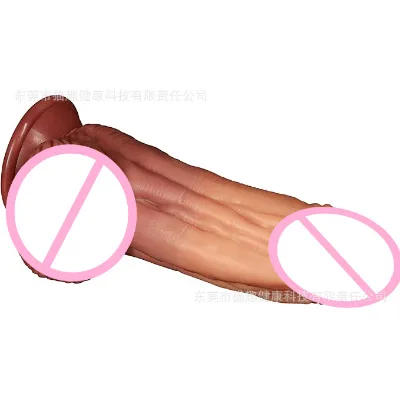
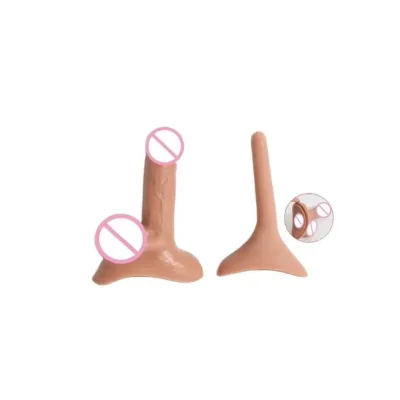
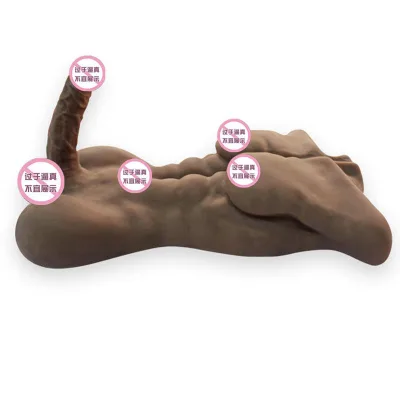
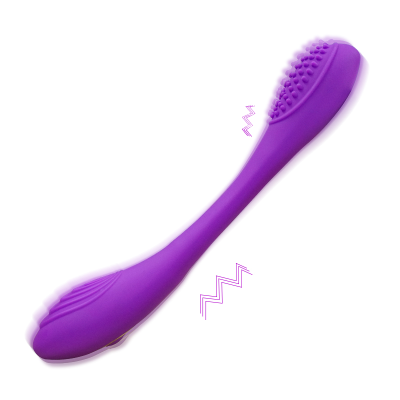
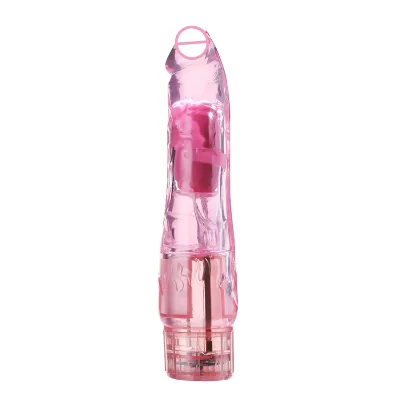
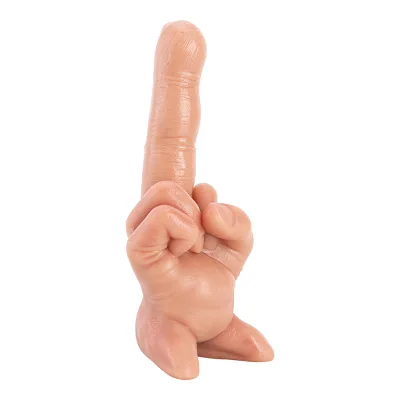
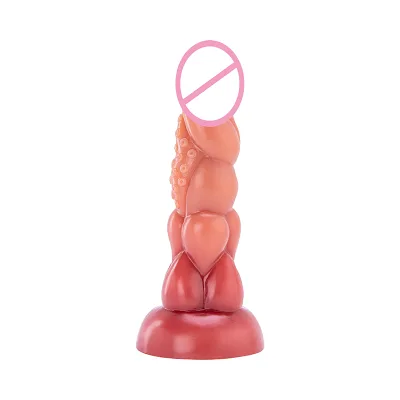
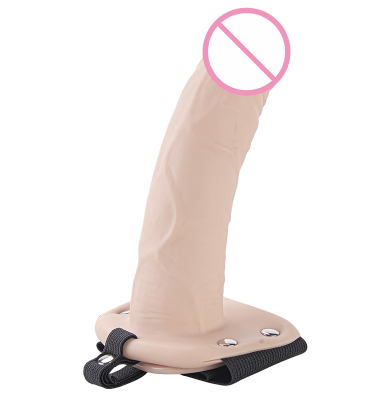
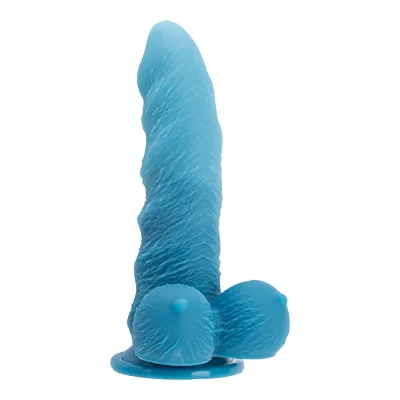
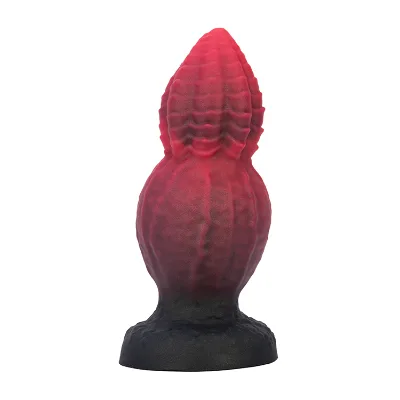
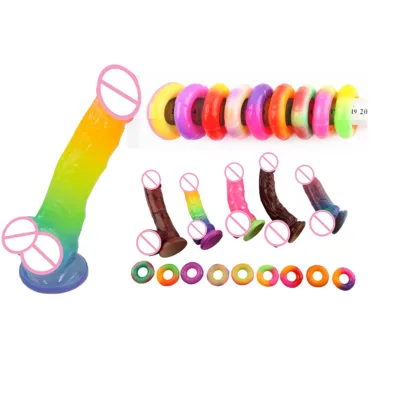
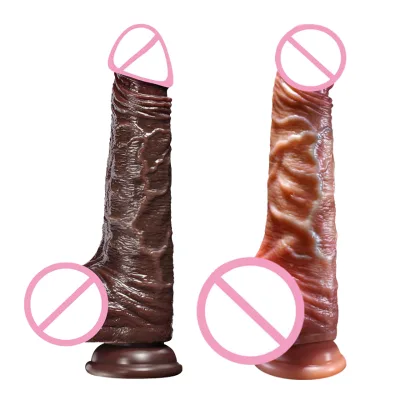
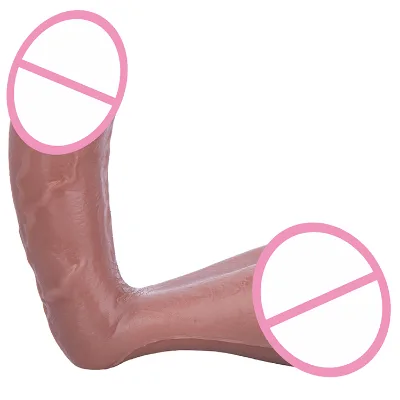
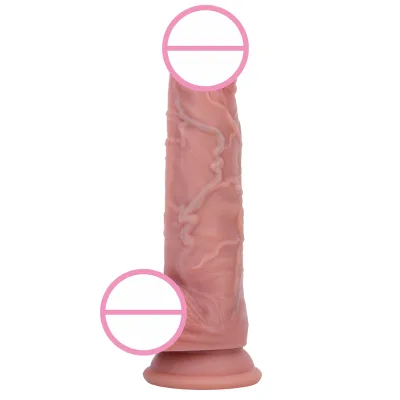
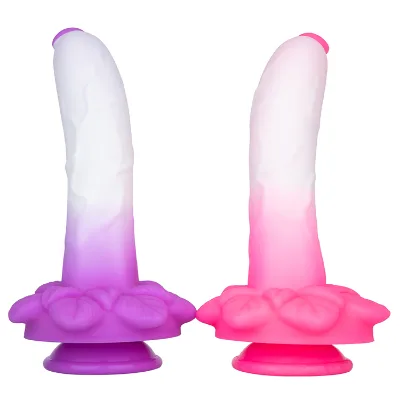
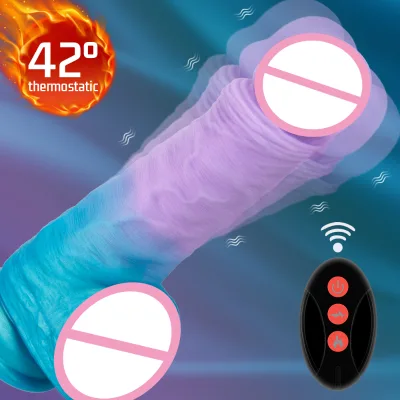
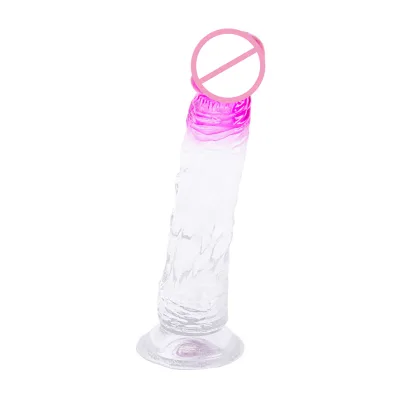
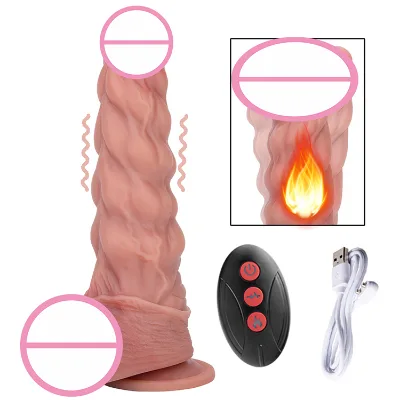

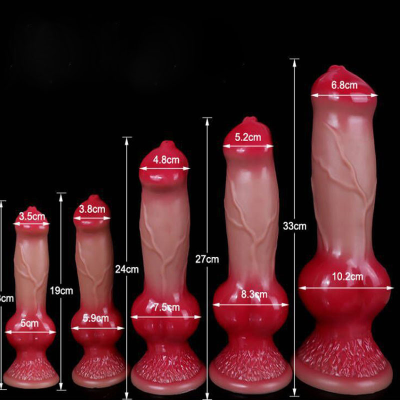



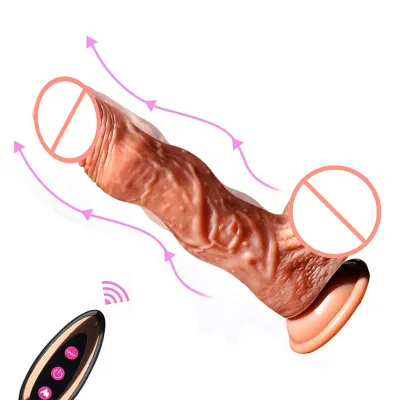
Comprehensive Sourcing Guide
Strategic Sourcing Guide for Solid Sex Toys
Understanding Product Variability and Core Specifications
When sourcing a "Sexy Solid Dildo," buyers must first navigate the inherent variability in product attributes found in the current market. The term "solid" often implies a non-hollow construction, yet the specific physical characteristics vary significantly based on the intended design and material science. Based on observed market data, the core product category includes items explicitly labeled as "Sex Toy Realistic Dildo" or "Sex Toys Dildo," with functional classifications centered on "Sex Masturbation" and "Adult Sex."
A critical aspect of specification is the material composition. The market presents a dichotomy between high-grade elastomers and alternative polymers. The most frequently observed material is TPE (Thermoplastic Elastomer), noted for its softness and realistic texture. Another variant identified in the supply chain is TPR (Thermoplastic Rubber), which offers similar flexibility but may differ in density and chemical resistance. Some listings categorize materials simply as "Other" or "Artificial Silicone," necessitating rigorous verification of the actual polymer blend. The material choice directly influences the tactile experience, described in product attributes as "soft," "Portable," and "Eco-Friendly."
Physical dimensions are equally variable and must be matched to the specific use case. Observed size specifications range from compact units measuring 1556833mm to larger variants at 1807135mm. Length specifications for individual models are recorded at 225mm and 237mm, while other listings provide generic sizing like "L" or "M" without precise millimeter data. The single package size also fluctuates, with examples ranging from 22X10X6.5 cm to 25X20X10 cm. Buyers must ensure that the "Single gross weight" aligns with the physical dimensions, as observed weights vary from 245g to 310g, with some packaged units reaching 1.000 kg.
Material Science and Safety Verification
The safety profile of solid dildos is inextricably linked to the material science employed. TPE and TPR are popular choices due to their body-safe potential, yet they require specific care regarding porosity and chemical stability. The product attributes highlight a "Feature: soft" characteristic, which is a direct result of the polymer formulation. However, the term "Artificial Silicone Dildo" appears in keywords, which can sometimes be a marketing misnomer for TPE products, as true silicone is a distinct chemical class.
Buyers must verify the chemical composition to ensure the product is non-porous or to understand the cleaning requirements associated with porous materials. The observed material "TPE" and "TPR" suggests a need for specific maintenance protocols to prevent bacterial growth. Furthermore, the "Feature: Eco-Friendly" claim requires validation against the actual manufacturing process and the absence of harmful phthalates or heavy metals. While some listings mention "CE ROHS" certification, this is not universal across all SKUs. The presence of "Other" as a material category in some listings is a significant red flag that demands immediate clarification from the supplier regarding the specific polymer type and its safety data sheet (SDS).
Compliance, Certification, and Regulatory Standards
Navigating the regulatory landscape for adult products requires a disciplined approach to certification verification. The market data indicates that some suppliers provide "CE ROHS" certification, which suggests compliance with European safety standards regarding hazardous substances and electromagnetic compatibility. However, this certification is not listed for every product variant. Buyers should not assume that a product labeled as a "sexy toy" automatically carries these certifications unless explicitly documented.
The "Low-confidence background" section notes "EN 71/3," a standard related to the migration of certain elements in toys. While this standard is often cited in the broader toy industry, its direct applicability to adult sex toys can vary by jurisdiction. Buyers must verify if the supplier intends to meet EN 71/3 specifically for their adult product line or if they rely on other regional safety standards. The absence of a universal standard for adult products means that the burden of proof lies with the buyer to request test reports.
When evaluating compliance, buyers should look for specific test results regarding skin irritation, toxicity, and flammability. The "waterproof" attribute is another critical compliance factor. Observed data shows variations between "ipx5" and "100% waterproof." The IPX5 rating indicates protection against water jets, which is suitable for shower use, whereas "100% waterproof" is a broader claim that requires specific testing protocols to validate. Buyers must ensure that the waterproof rating matches the intended usage environment to prevent electrical hazards if the product contains internal components, or to ensure durability during cleaning.
Cost Drivers and Pricing Dynamics
The pricing structure for solid dildos is influenced by a complex interplay of material costs, manufacturing complexity, and order volume. The observed price range in the market spans from $0.90 to $62.08 USD, a significant variance that reflects differences in quality, branding, and production scale. The lower end of the spectrum likely corresponds to basic TPE products with minimal packaging and high-volume manufacturing, while the upper end may include premium materials, realistic detailing, or specialized branding.
Minimum Order Quantity (MOQ) is a primary driver of unit cost. The data reveals an MOQ range from 1 piece to 500 pieces. Suppliers offering an MOQ of 1 piece, such as those associated with the "JoyLove" brand, often charge a premium per unit to cover the administrative and logistical costs of small-batch fulfillment. Conversely, suppliers with an MOQ of 10 or 3 pieces, like those under "Being Fetish" or "LDL," may offer more competitive pricing structures for bulk buyers. The "Selling Units" are typically listed as "Single item," but the economic reality is that unit costs drop significantly as the order volume increases.
Additional cost drivers include packaging and branding. Products with "OEM & ODM: Acceptatble" status allow for custom branding, which adds to the cost but provides market differentiation. The "Packing: OPP Bag Packing" is a standard, low-cost option, but more elaborate packaging can increase the final landed cost. Buyers must balance the desire for low unit prices with the need for quality assurance, as extremely low prices may indicate compromised material quality or lack of safety testing.
Supplier Evaluation and Operational Due Diligence
Selecting a reliable supplier requires a thorough evaluation of their operational capabilities and transparency. The "Place of Origin" for the majority of observed products is "Guangdong, China," a major manufacturing hub for adult products. While this region offers a mature supply chain, it also necessitates careful vetting to ensure ethical labor practices and consistent quality control.
Buyers should assess the supplier's responsiveness to specification queries. The presence of multiple model numbers, such as "SJ20221114-L," "BF-13032," and "BF-51283," indicates a diverse product portfolio. A reputable supplier should be able to provide detailed specifications for each model, including exact dimensions, weight, and material composition. The variability in "Single package size" and "Single gross weight" across different listings suggests that buyers must verify these metrics for each specific order to avoid logistical surprises.
The "Brand Name" is another factor in supplier evaluation. Established brands like "JoyLove," "LDL," and "Being Fetish" may offer more consistent quality control compared to generic or unbranded listings. However, the presence of a brand name does not guarantee quality; it must be corroborated by the supplier's ability to provide documentation and samples. Buyers should also verify the "OEM & ODM" capabilities to ensure the supplier can adapt to specific design requirements or branding needs.
Quality Control Protocols and Inspection Standards
Implementing a robust quality control (QC) protocol is essential for mitigating the risks associated with sourcing adult products. Given the variability in materials and finishes, a standardized inspection checklist is necessary. The first step is visual inspection to check for defects such as air bubbles, discoloration, or uneven textures. The "Feature: soft" attribute should be verified by tactile inspection to ensure the product meets the expected density and flexibility.
Dimensional accuracy is another critical QC parameter. Buyers must verify that the "Size" and "Length" match the provided specifications, such as the 225mm or 237mm lengths observed in the market. Any deviation beyond acceptable tolerances can lead to customer dissatisfaction. The "Weight" should also be measured to ensure consistency with the "Single gross weight" specifications, as significant weight variations can indicate material inconsistencies or hollow sections in supposedly solid products.
Waterproof testing is a mandatory step for products claiming "ipx5" or "100% waterproof" status. This involves submerging the product or exposing it to water jets according to the claimed rating to ensure no water ingress occurs. For products with internal components, electrical safety testing is required. Additionally, chemical testing should be conducted to verify the absence of harmful substances, aligning with the "CE ROHS" claims where applicable.
Long-Term Procurement and Market Sustainability
Sourcing solid dildos is not a one-time transaction but a long-term relationship that requires strategic planning. The market trends indicate a demand for "Eco-Friendly" and "Portable" products, suggesting that future procurement strategies should prioritize sustainable materials and compact designs. Buyers should monitor the evolution of material science to identify new, safer, and more durable alternatives to traditional TPE and TPR.
Inventory management is crucial given the variability in MOQs and lead times. Suppliers with low MOQs (e.g., 1-3 pcs) are suitable for testing new markets or launching limited editions, while those with higher MOQs (e.g., 10-500 pcs) are better for establishing a core product line. Buyers must calculate the total cost of ownership, including shipping, tariffs, and potential returns, to ensure profitability.
Finally, maintaining a strong relationship with suppliers who offer "OEM & ODM" services allows for continuous product improvement and differentiation. By collaborating with suppliers on design and material selection, buyers can create unique products that stand out in a competitive market. The ability to adapt to changing consumer preferences, such as the demand for specific colors like "Transparent," "Orange," "Flesh," "Pink," "Red," or "Gold," will be key to long-term success. Regular audits and feedback loops with suppliers will help maintain high standards and ensure that the supply chain remains resilient and responsive to market dynamics.
FAQs
What materials are used for solid dildos?
The primary materials observed are TPE and TPR, with some listings mentioning artificial silicone. TPE is noted for its soft texture, while TPR offers similar flexibility. Buyers must verify the specific polymer blend as some items list material as Other, requiring clarification on safety and porosity.
Which certifications are available for these products?
Some listings explicitly state CE ROHS certification, indicating compliance with European safety standards. However, this certification is not universal across all SKUs. Buyers should request specific test reports to verify chemical safety and ensure the product meets regulatory requirements for their target market.
How does the waterproof rating vary?
Observed ratings include IPX5 and claims of 100% waterproof status. IPX5 indicates protection against water jets suitable for shower use, while the broader claim requires specific validation. Buyers must ensure the rating matches their intended usage environment to prevent electrical hazards or ensure durability during cleaning.
What is the typical MOQ for ordering?
Minimum Order Quantities range from 1 piece to 500 pieces depending on the supplier. Brands like JoyLove offer an MOQ of 1 piece, while others like Being Fetish require 10 pieces. Lower MOQs often carry higher unit costs to cover administrative expenses for small-batch fulfillment.
Where are these products manufactured?
The majority of observed products originate from Guangdong, China, a major manufacturing hub for adult products. While this region offers a mature supply chain, buyers must vet suppliers for ethical labor practices and consistent quality control to ensure the final product meets safety and durability expectations.
Can I customize the packaging and branding?
Yes, some suppliers accept OEM and ODM services for custom branding and packaging. This allows for market differentiation but adds to the overall cost. Standard options include OPP bag packing, but buyers should confirm specific customization capabilities and associated costs before placing an order.