Source Sexy Print Knitted Vest and Shorts Set for gym, beach, and casual wear
Compare 30 listings of the Sexy Print Knitted Vest and Shorts Set featuring varied patterns like leopard and striped, materials including spandex and polyester, and options for OEM or in-stock supply. Buyers can evaluate sizes, colors, and fabric weights to find the right fit.
Key considerations
Products List




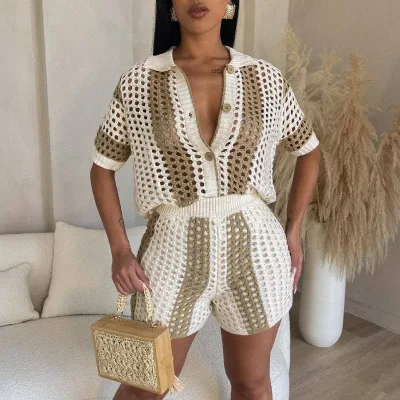


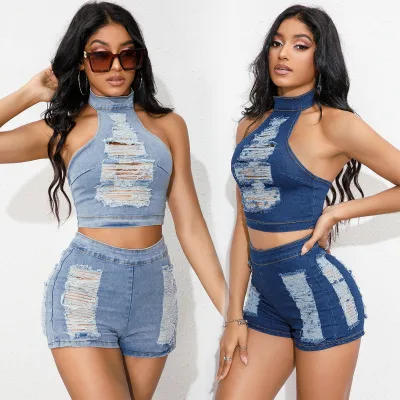
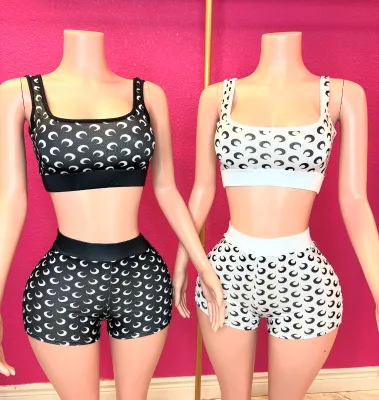






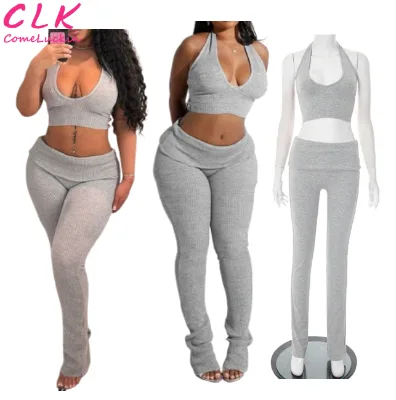
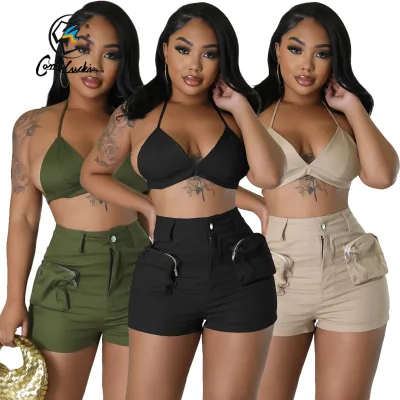
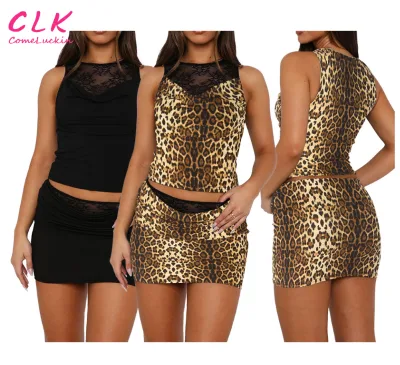
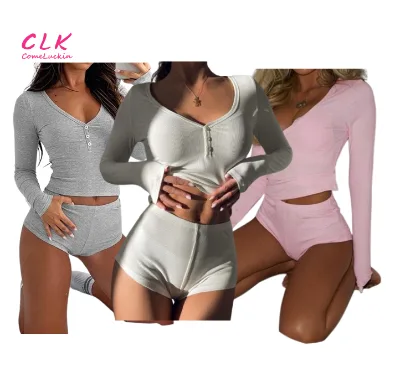



Comprehensive Sourcing Guide
Strategic Sourcing Guide for Sexy Print Knitted Vest and Shorts Sets
Understanding Product Specifications and Material Composition
When sourcing a Sexy Print Knitted Vest and Shorts Set, buyers must first establish a clear definition of the product's technical baseline. The core keyword implies a two-piece ensemble designed for casual, summer wear, often characterized by a fitted silhouette. Based on observed market data, these sets frequently utilize a blend of Spandex and Polyester or 100% Polyester to achieve the desired stretch and durability. The knitting method is a critical differentiator; while some listings indicate a "Knitted" fabric type, others specify "Nonwoven" or "Worsted" weaves, which suggests a need for rigorous verification of the actual textile construction before finalizing orders.
The physical dimensions and weight of the product are equally vital for logistics planning. Observed specifications reveal a wide variance in single package sizes, ranging from compact 20x20x3 cm units to larger 35x25x2 cm packages. Similarly, fabric weights fluctuate between 180 grams and 220 grams, directly impacting the thermal comfort and drape of the garment. Buyers should note that "Above Knee" and "Knee Length" are both observed length specifications, meaning the term "shorts set" can encompass different coverage levels. The fit type is another variable, with "Skinny" and "Regular" fits appearing in the market, necessitating that buyers explicitly define their target silhouette in the purchase order to avoid mismatched expectations.
Design Attributes and Aesthetic Variations
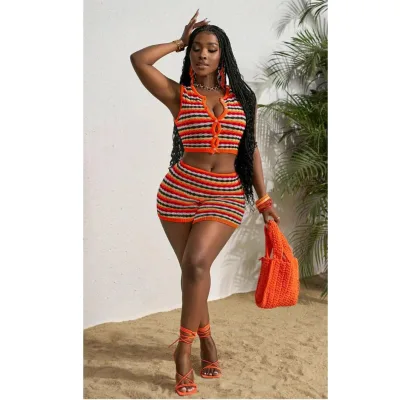
The aesthetic appeal of these sets is driven by specific pattern and color attributes. The market data indicates a diverse range of pattern types, including Leopard, Striped, and Solid designs. This variation suggests that "sexy print" is not a monolithic category but a broad descriptor that buyers must narrow down. For instance, a leopard print set may target a bold, edgy demographic, while a solid color set in black or orange-red might appeal to a more minimalist audience. The collar style also varies significantly, with "O-Neck" and "Asymmetrical" collars both present in current listings.
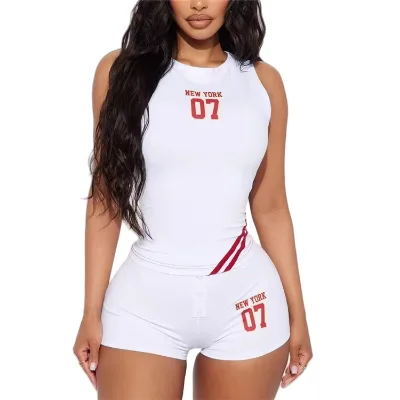
Color availability is another critical factor. While some sets are listed in single colors like Black or Orange-red, others offer multi-color options such as Black, White 1, and White 2. The printing method is predominantly Digital Printing, which allows for high-fidelity reproduction of complex patterns like leopard spots or intricate stripes. However, buyers must verify if the supplier uses this method exclusively or if other techniques like screen printing are available, as this affects the cost and durability of the print. The "Style" is consistently categorized as "Casual" or "Daily wear," reinforcing that these sets are intended for leisure and warm-weather activities rather than formal occasions.
Compliance, Safety, and Certification Verification
In the realm of B2B apparel procurement, compliance is non-negotiable. The supply chain for these knitted sets often originates from manufacturing hubs in Fujian and Guangdong, China. While the specific certifications of individual suppliers are not universally guaranteed, buyers must verify that the products meet international safety standards. A key observation from the product data is the "Needle detection: Yes" attribute. This indicates that at least some suppliers in this category have implemented metal detection protocols to ensure no sharp metal fragments remain in the finished garments, a crucial safety feature for children's and women's wear.
Buyers should also investigate the "Feature" attributes listed, such as "Anti-Pilling" and "Eco-friendly." While these are observed attributes, they represent performance claims that require validation. An "Eco-friendly" claim, for example, should be backed by specific material certifications or supply chain transparency regarding dyeing processes. Similarly, "Anti-Pilling" suggests a treatment or fiber blend that resists surface fuzzing, but this must be confirmed through physical testing or supplier-provided test reports. Without explicit certification documents, these features should be treated as observations rather than guaranteed standards.
Cost Drivers and Pricing Dynamics
The pricing structure for sexy print knitted vest and shorts sets is influenced by several variables, including material composition, order volume, and packaging complexity. The observed price range in the market spans from $3.04 to $19.99 USD, a significant spread that reflects differences in quality, brand positioning, and order quantity. Lower prices typically correlate with standard polyester blends and basic solid colors, while higher price points may involve complex digital prints, specialized fits like "Skinny," or premium packaging.
Minimum Order Quantity (MOQ) is another major cost driver. The data shows an MOQ range of 1 to 30 units, suggesting that some suppliers cater to small-batch buyers or dropshippers, while others may have higher thresholds for custom orders. The "Supply Type" varies between "Oem Service" and "In-Stock Items," which directly impacts lead times and unit costs. OEM services allow for customization but may incur higher setup costs, whereas in-stock items offer immediate availability but limited design flexibility. Buyers must balance the desire for low unit costs against the need for customization and volume requirements to optimize their total landed cost.
Supplier Evaluation and Operational Capabilities
Evaluating potential suppliers requires a deep dive into their operational capabilities and logistical support. The "Place of Origin" is a primary indicator of supply chain maturity, with Fujian and Guangdong being well-established textile manufacturing regions. However, buyers should not assume uniform quality across these locations. Instead, they should verify the supplier's capacity to handle specific requirements, such as the "7 days sample order lead time" observed in the market. This capability is essential for buyers who need to validate designs quickly before committing to large production runs.
The "Single gross weight" and "Single package size" data points are critical for calculating shipping costs and warehouse space. Variations in weight, ranging from 0.370 kg to 0.420 kg, and package dimensions can significantly affect freight charges, especially for air freight. Buyers should request detailed packing lists and weight specifications for each SKU to ensure accurate cost modeling. Additionally, the "Selling Units" being listed as "Single item" suggests that these sets are often sold individually, which simplifies inventory management but requires careful attention to size grading.
Quality Control and Inspection Protocols
Implementing a robust quality control (QC) strategy is essential to mitigate the risks associated with the observed product variability. Given the differences in fabric types, from "Knitting" to "Worsted" and "Nonwoven," buyers must establish clear acceptance criteria for material consistency. A visual inspection should verify that the "Pattern Type" matches the approved sample, ensuring that digital prints are crisp and colors like "Orange-red" or "Black" are consistent across the batch.
The "Fit Type" must also be rigorously checked. Whether the set is "Skinny" or "Regular," the dimensions should align with the specified size chart (S, M, L, XL). Buyers should consider conducting fit tests on actual models to ensure the garment provides the intended "Sexy" silhouette without compromising comfort. Furthermore, the "Needle detection" process should be verified through third-party inspection reports to confirm that the safety protocols are being followed consistently. For features like "Anti-Pilling," buyers may request pre-shipment wash tests to validate the durability claims before finalizing the transaction.
Long-Term Procurement and Market Trends
Sourcing these sets is not just a one-time transaction but part of a long-term strategy that requires adaptability to market trends. The "Season" attribute is consistently listed as "Summer," indicating that these products are highly seasonal. Buyers should plan their inventory cycles to align with peak demand periods, ensuring that stock is available before the summer rush. The "Style" being "Casual" suggests a stable demand, but the specific patterns and colors may shift with fashion cycles.
To maintain a competitive edge, buyers should consider building relationships with suppliers who offer "Oem Service" and can adapt to changing design preferences. The ability to switch between "Solid" and "Striped" patterns or adjust the "Collar" style from "O-Neck" to "Asymmetrical" will be crucial for staying relevant. Additionally, as sustainability becomes a more prominent concern, the "Eco-friendly" feature observed in some listings may become a standard requirement rather than a differentiator. Buyers should proactively engage with suppliers to explore sustainable material options and transparent supply chains to future-proof their procurement strategy.
| Attribute Category | Observed Variations | Procurement Consideration |
|---|---|---|
| Material | Spandex/Polyester, 100% Polyester, Worsted, Nonwoven | Verify fiber blend for stretch and durability; request material safety data sheets. |
| Pattern | Leopard, Striped, Solid | Confirm print method (Digital) and color fastness; request physical swatches. |
| Fit | Skinny, Regular | Define exact size grading; conduct fit testing on target demographic. |
| Origin | Fujian, China; Guangdong, China | Verify factory audits; assess logistics capabilities for specific regions. |
| Lead Time | 7 days sample order | Confirm production lead time for bulk orders; plan for seasonal peaks. |
| Safety | Needle detection: Yes | Request third-party inspection reports for metal detection compliance. |
By adhering to these evidence-based guidelines, buyers can navigate the complexities of sourcing sexy print knitted vest and shorts sets with confidence, ensuring that the final products meet both aesthetic and functional requirements while maintaining strict quality and compliance standards.
FAQs
What material blends are used for these sets?
These sets commonly use Spandex and Polyester blends or 100% Polyester to ensure stretch and durability. Some listings also specify Worsted or Nonwoven fabric types, so buyers must verify the exact textile construction before ordering.
Which pattern types are available for this product?
Available patterns include Leopard, Striped, and Solid designs to suit different aesthetic preferences. Digital printing is the primary method used to reproduce these complex patterns with high fidelity on the fabric surface.
Can I order samples with a fast lead time?
Yes, some suppliers support a 7-day sample order lead time for quick validation. This capability allows buyers to check fabric quality and fit before committing to larger bulk production runs for their inventory.
What are the observed price ranges for these sets?
The market price range spans from 3.04 to 19.99 USD depending on material and customization. Lower prices typically correlate with standard polyester blends, while complex digital prints or specialized fits may command higher unit costs.
How do I verify safety compliance for these garments?
Buyers should verify that suppliers implement needle detection protocols to ensure no metal fragments remain. While some listings show this feature, requesting third-party inspection reports confirms that safety standards are consistently met.
Which fit types are offered for these sets?
The sets are available in Skinny and Regular fit types to match different silhouette requirements. Buyers must explicitly define their target fit in the purchase order to avoid receiving garments that do not match their sizing expectations.
What are the standard package dimensions for shipping?
Single package sizes vary from 20x20x3 cm to 35x25x2 cm depending on the specific product listing. These dimensions directly impact freight charges, so buyers should request detailed packing lists to calculate accurate shipping costs.