Source Shoe Upper Knitting Machine Needle for Shoes, Seats, and Sofas
Find 30 listings for the Shoe Upper Knitting Machine Needle suitable for artificial leather, genuine leather, and fabric applications. Buyers can compare specifications like single needle, lock type, and automatic grades from suppliers in Zhejiang and Wenzhou, China.
Key considerations
Products List


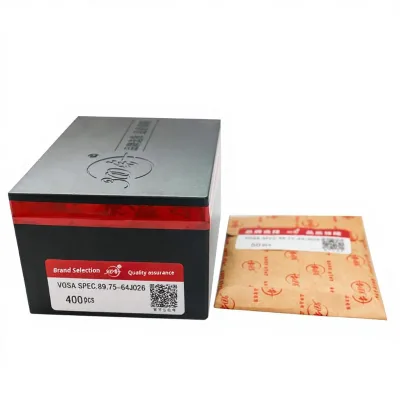
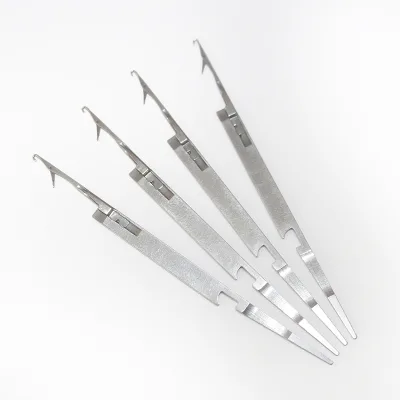

Sock Knitting Machines Knitting Machine for Shoe Upper Socks Making Machine
$2800.00 - $3700.00
MOQ: 1 Pieces

Sock Knitting Machines Knitting Machine for Shoe Upper Socks Making Machine
$2800.00 - $3700.00
MOQ: 1 Pieces

Sock Knitting Machines Knitting Machine for Shoe Upper Socks Making Machine
$2800.00 - $3700.00
MOQ: 1 Pieces

Sock Knitting Machines Knitting Machine for Shoe Upper Socks Making Machine
$2800.00 - $3700.00
MOQ: 1 Pieces

Sock Knitting Machines Knitting Machine for Shoe Upper Socks Making Machine
$2800.00 - $3700.00
MOQ: 1 Pieces

Sock Knitting Machines Knitting Machine for Shoe Upper Socks Making Machine
$2800.00 - $3700.00
MOQ: 1 Pieces
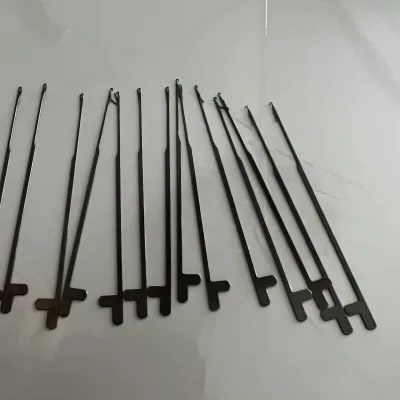
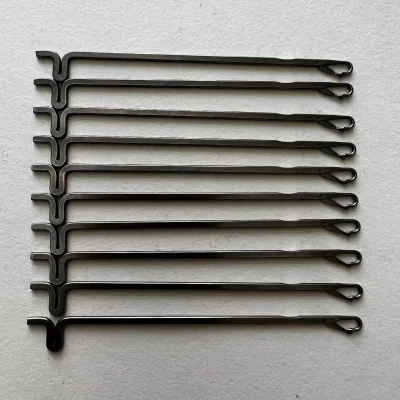


Comprehensive Sourcing Guide
Shoe Upper Knitting Machine Needle Sourcing Guide
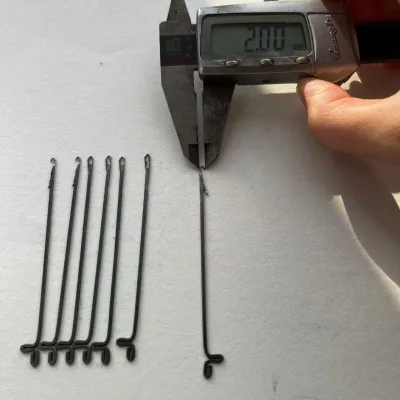
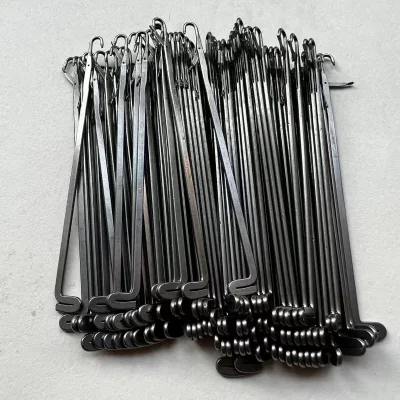
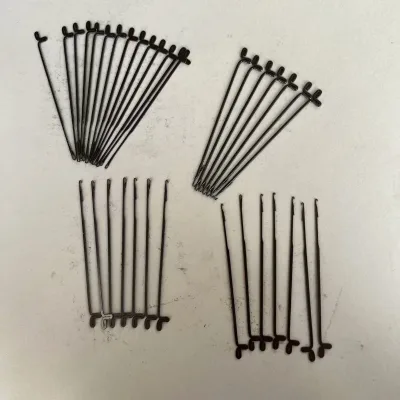
Sourcing the correct needle for a shoe upper knitting machine is a critical operational decision that directly impacts production efficiency, material integrity, and final product quality. In the modern footwear manufacturing landscape, particularly within the service industry and batch production environments, the precision of the knitting mechanism determines the structural consistency of the upper. Buyers must recognize that while the broader machinery—such as automatic shoemaking lines or specialized knitting units—may be marketed with broad capabilities, the needle itself is the consumable component that requires precise matching to the machine’s gauge, stitch type, and material application. This guide provides a disciplined framework for evaluating needle specifications, verifying supplier credentials, and managing commercial terms to ensure uninterrupted production cycles.
The procurement process for these specialized components extends beyond simple part replacement; it involves aligning the needle’s technical attributes with the specific demands of the knitting method, such as double knitting techniques, and the materials being processed, including artificial leather, genuine leather, plastic, rubber, and fabric. Buyers often encounter listings that conflate the entire machine with its consumable parts, leading to confusion regarding compatibility and performance expectations. Therefore, it is essential to distinguish between the machine’s overall classification, such as a sewing machine or a dedicated knitting unit, and the specific needle requirements that enable it to function. This guide focuses on the evidence-based verification of needle attributes, ensuring that procurement decisions are grounded in observable product data and trusted industry standards rather than marketing claims.
Product Scope and Observed Listing Signals
When evaluating available listings, buyers must carefully parse the product scope to distinguish between complete machinery and specific needle components. The observed market data indicates a wide range of product classifications, including shoemaking lines, sewing machines, and even PVC injection machines, which suggests that suppliers often bundle diverse product categories under broad search terms. For the specific keyword of shoe upper knitting machine needles, it is crucial to verify that the listing explicitly refers to the needle or its immediate housing rather than the entire knitting unit. Listings that mention "Shoemaking Line" or "Sewing Machine" as the primary product type may include needles as accessories, but the buyer must confirm that the specific needle model, such as those compatible with single-needle or double-knitting configurations, is available and compatible with their existing infrastructure.
Observed listing signals also reveal significant variability in customization options and material applicability. Some suppliers offer customized needles, which is a critical feature for manufacturers dealing with unique shoe designs or non-standard materials like thick artificial leather or specific fabric blends. The presence of "Customization: Available" or "Customized" attributes in listings suggests that buyers can request modifications to needle length, eye shape, or coating to suit specific knitting patterns. However, buyers should be cautious of listings that claim broad applicability without specifying the exact machine model or needle type. The distinction between a standard needle and a customized one can significantly impact lead times and pricing, so verifying the exact nature of the customization is a necessary first step in the sourcing process.
Technical Specifications to Verify
Technical verification begins with confirming the needle’s compatibility with the machine’s knitting method and stitch type. For shoe upper knitting, the distinction between single-needle and double-knitting configurations is paramount, as it affects the density, elasticity, and structural integrity of the upper. Buyers must verify whether the needle is designed for a lock-type stitch or other specific stitch formations, as this determines the thread tension and loop formation process. Additionally, the needle’s gauge and size must match the machine’s specifications to prevent breakage or misalignment. Listings that provide specific model numbers, such as FX-654 or FX-5811, may refer to the machine rather than the needle, so buyers must request detailed technical drawings or compatibility matrices to ensure the needle fits the specific knitting head or carriage of their equipment.
Material composition and durability are also critical technical specifications that require verification. While the broader machinery may be constructed from materials like aluminum or feature hydraulic power supplies, the needle itself is typically made from high-carbon steel or specialized alloys to withstand the high-speed friction and tension of knitting operations. Buyers should inquire about the needle’s heat treatment, surface coating, and resistance to wear, especially when processing abrasive materials like rubber or thick artificial leather. The "Applicable Thickness" attribute, such as "Thick Material," may indicate the needle’s capacity to handle heavier yarns or layered materials, but this should be cross-referenced with the machine’s power supply and automatic grade to ensure consistent performance. Verifying these technical details prevents premature wear and reduces downtime due to needle breakage.
Compliance and Safety Documentation
Compliance and safety documentation are essential for ensuring that the sourced needles and associated machinery meet international standards and regulatory requirements. The observed listings frequently mention certifications such as CE, ISOCE, GS, and RoHS, which indicate adherence to European safety, environmental, and quality standards. Buyers must verify that these certifications apply to the needle itself or the machinery it is part of, as certifications are often issued for the complete unit rather than individual consumables. For instance, a CE mark on a shoemaking line does not automatically certify the needle, but it suggests that the supplier has a robust quality management system that may extend to their accessory offerings. Requesting specific test reports or compliance certificates for the needle material can provide additional assurance of its safety and performance.
In addition to product certifications, buyers should consider the broader regulatory environment, including reach compliance and other environmental standards that may affect the sourcing decision. While some listings mention "reach" as a certification, it is important to clarify whether this refers to REACH regulation compliance for chemical substances, which is critical if the needle involves any coatings or lubricants. Buyers in regulated markets must ensure that all components, including consumables, meet local environmental and safety laws. Verifying the supplier’s ability to provide up-to-date compliance documentation helps mitigate legal risks and ensures that the sourced needles can be legally imported and used in the buyer’s facility. This due diligence is particularly important for suppliers claiming international standards like ASME or customized standards, as these may require specific verification processes.
Cost Drivers and Commercial Terms
Cost drivers for shoe upper knitting machine needles are influenced by factors such as customization, material quality, and order volume. The observed MOQ range of 1-1000 sets suggests that buyers can start with small orders for testing or customization, but larger volumes may offer better pricing. Customized needles, which may require specific modifications for unique knitting patterns or materials, typically command a premium due to the additional engineering and production time involved. Buyers should also consider the lead time, which varies from 7 days to 15 days after payment, as this impacts inventory management and production scheduling. Faster lead times may come at a higher cost, so balancing urgency with budget is a key commercial consideration.
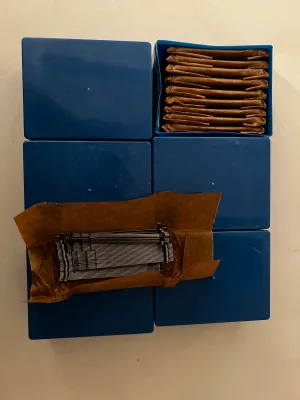
Commercial terms also include packaging and shipping arrangements, which can affect the total landed cost. Listings indicate various packing methods, such as wooden cases, cartons, or export-standard packing, each with different implications for protection and logistics. For international shipments, buyers should verify whether the packing meets export standards to prevent damage during transit. Additionally, the power supply requirements of the associated machinery, whether electric or hydraulic, may influence the overall system cost, although this is less relevant for the needle itself. Buyers should negotiate clear terms regarding warranty, which is often listed as one year for machinery, and after-sales service, such as overseas engineering support, to ensure long-term value and support for any issues that may arise with the needles or their integration into the production line.
Supplier Qualification and Quality Control
Supplier qualification is a critical step in ensuring the reliability and consistency of shoe upper knitting machine needles. Buyers should assess the supplier’s production capabilities, particularly their ability to handle batch production and maintain consistent quality across large orders. The observed production capacity of 25,000 pairs per day for some machinery suggests that suppliers may have significant manufacturing infrastructure, but buyers must verify that this capacity extends to the production of high-quality needles. Requesting samples and conducting rigorous testing is essential to evaluate the needle’s durability, precision, and compatibility with the buyer’s specific knitting machines. Suppliers that offer customization should also demonstrate their ability to maintain quality standards during the customization process.
Quality control processes should be transparent and well-documented. Buyers should inquire about the supplier’s internal quality assurance procedures, including inspection protocols for needle dimensions, material hardness, and surface finish. Suppliers that provide detailed product specifications and adhere to recognized standards are more likely to deliver consistent performance. Additionally, buyers should consider the supplier’s location, with many listings indicating origins in Zhejiang or Wenzhou, China, which are known hubs for machinery manufacturing. While geographic location can provide insights into the supplier’s supply chain and logistics capabilities, it should not be the sole determinant of qualification. A comprehensive evaluation that includes technical verification, compliance checks, and sample testing is necessary to select a reliable supplier for shoe upper knitting machine needles.
Long-Term Procurement Checks
Long-term procurement success depends on establishing a sustainable relationship with suppliers that can adapt to changing production needs and technological advancements. Buyers should regularly review supplier performance metrics, such as delivery times, defect rates, and responsiveness to issues, to ensure continued reliability. The availability of after-sales service, including overseas engineering support, is a valuable asset for resolving technical problems quickly and minimizing production downtime. Buyers should also stay informed about industry trends and new needle technologies that may offer improved performance or efficiency, such as needles designed for specific materials like artificial leather or plastic.
Furthermore, buyers should maintain a diversified supplier base to mitigate risks associated with supply chain disruptions or quality issues. Regularly evaluating alternative suppliers and comparing their offerings can help identify better value or innovative solutions. It is also important to monitor changes in compliance requirements and standards, ensuring that sourced needles continue to meet regulatory obligations. By maintaining a proactive approach to supplier management and staying informed about industry developments, buyers can ensure a steady supply of high-quality shoe upper knitting machine needles that support their production goals and maintain the integrity of their footwear manufacturing processes.
FAQs
What is the typical delivery time for shoe upper knitting machine needles?
The typical delivery time is seven days for standard orders. This timeline assumes standard shipping conditions and does not account for custom manufacturing requirements or international logistics delays that may extend the total lead time.
What is the minimum order quantity for these knitting machine needles?
The minimum order quantity is one set. This low threshold allows buyers to test the product or fulfill small batch production needs without committing to large inventory volumes upfront.
Which certifications are available for shoe upper knitting machine needles?
Available certifications include CE, ISOCE, GS, and RoHS. These standards indicate compliance with international safety and quality requirements, which is essential for buyers operating in regulated markets.
Can shoe upper knitting machine needles be customized for specific applications?
Yes, customization is available for these products. Buyers can request specific modifications to suit their machinery or production requirements, ensuring the needles fit their operational needs precisely.
What is the standard packaging for shipping these knitting machine needles?
Standard packaging options include wooden cases, cartons, and export standard packing. The specific method depends on the order size and shipping method, ensuring safe transport of the precision components.
What is the warranty period for shoe upper knitting machine needles?
The standard warranty period is one year. This coverage protects buyers against manufacturing defects and ensures that the needles perform reliably within the expected operational lifespan.
Where are these shoe upper knitting machine needles manufactured?
These needles are manufactured in China, with specific origins including Zhejiang and Wenzhou. This location offers competitive pricing and established supply chain infrastructure for industrial components.