Source Shoe Upper for Casual Running and Sport Shoes
Compare 30 verified listings for Shoe Upper options including mesh, cotton fabric, and polyester materials. Buyers can evaluate customization, MOQs, and specifications for casual, running, and sport shoe applications; compare the available evidence and request quotations based on your requirements.
Key considerations
Products List






Comprehensive Sourcing Guide
Shoe Upper Sourcing Guide
Sourcing shoe uppers requires a strategic balance between material performance, manufacturing capability, and commercial flexibility. The market offers diverse options ranging from knitted mesh to cotton fabric, each serving distinct aesthetic and functional needs. Buyers must navigate a landscape where customization is readily available, allowing for tailored designs that align with specific brand identities. Understanding the technical nuances of these components is essential for ensuring the final footwear meets durability and comfort expectations.
This guide provides a structured approach to evaluating suppliers and products in the Shoe Upper sector. It focuses on verifying critical specifications, understanding cost drivers, and establishing robust quality control measures. By adhering to evidence-based procurement practices, buyers can mitigate risks associated with material inconsistencies and production delays. The following sections detail the key considerations for sourcing high-quality shoe uppers that support successful footwear manufacturing operations.
Product Scope and Observed Listing Signals
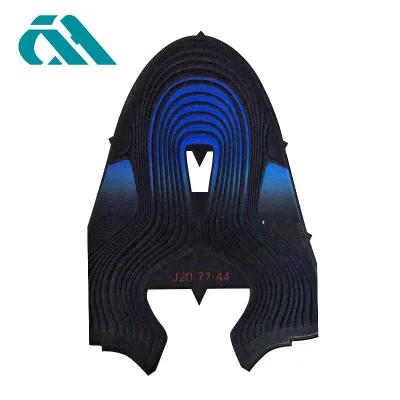
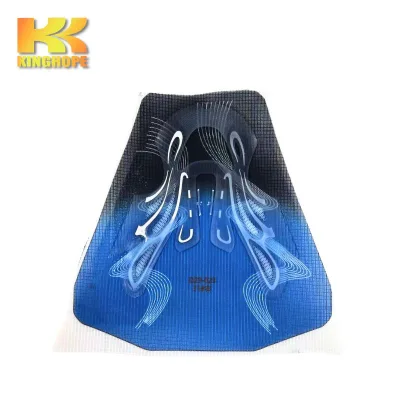
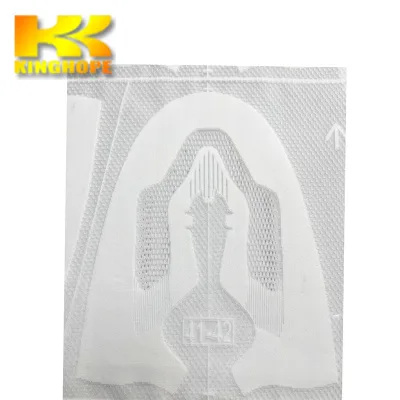
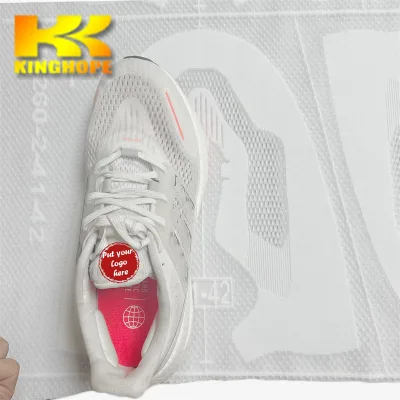
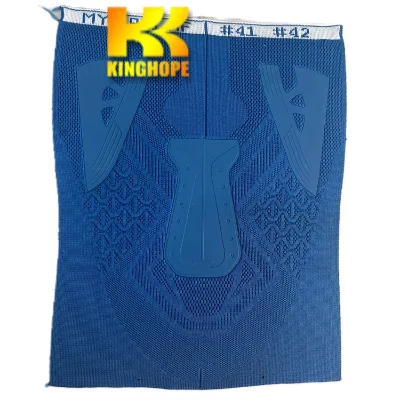
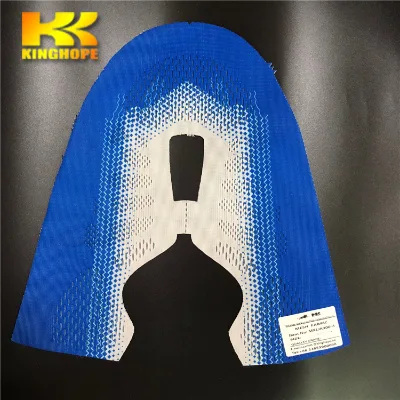
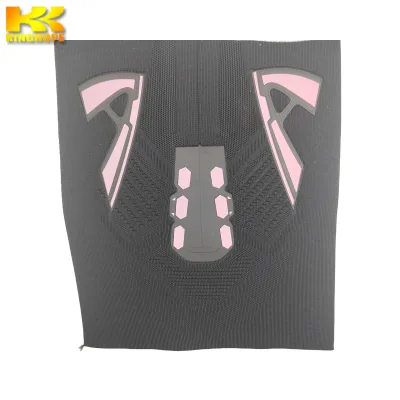
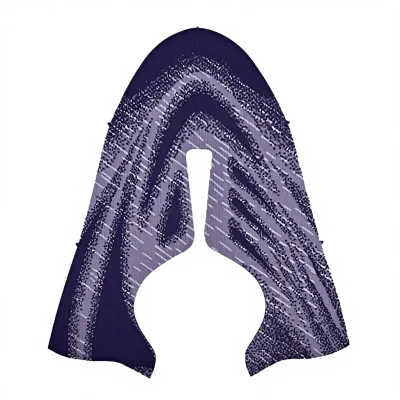
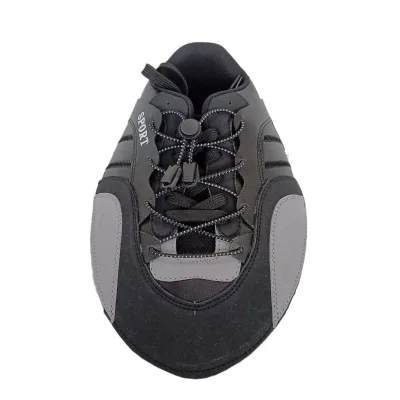
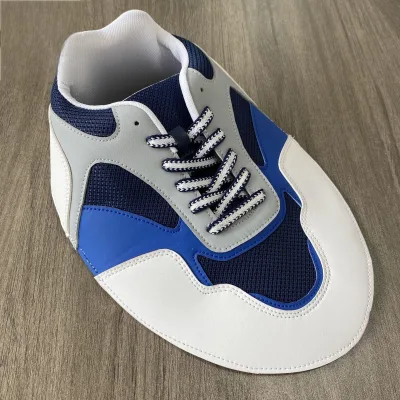
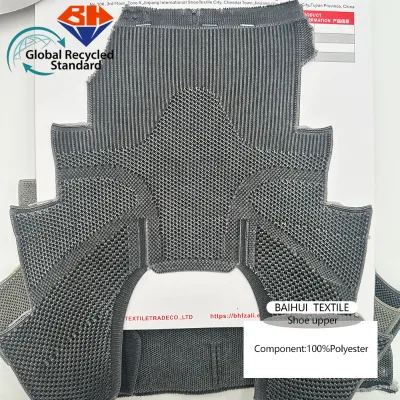
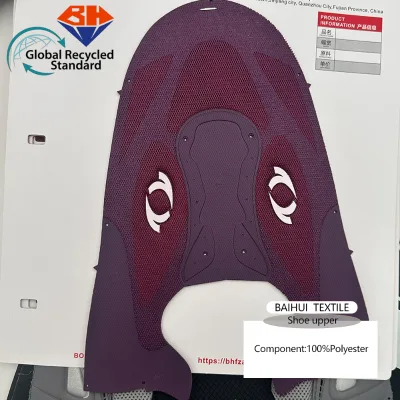
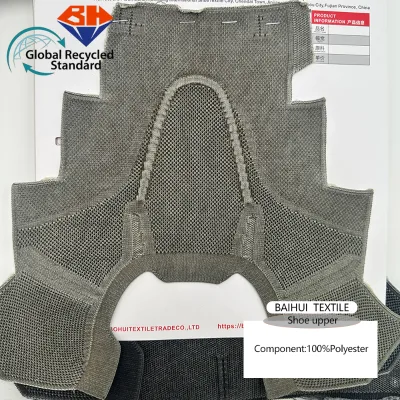
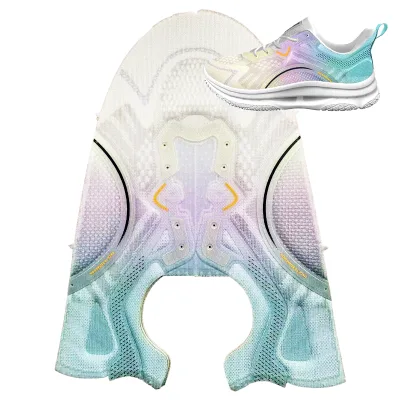
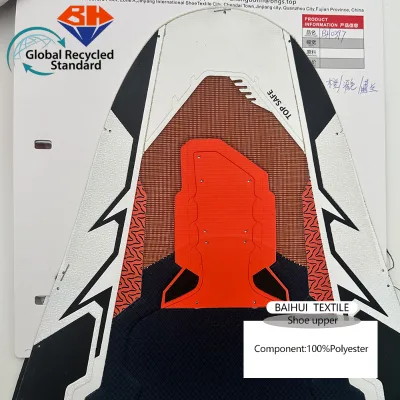
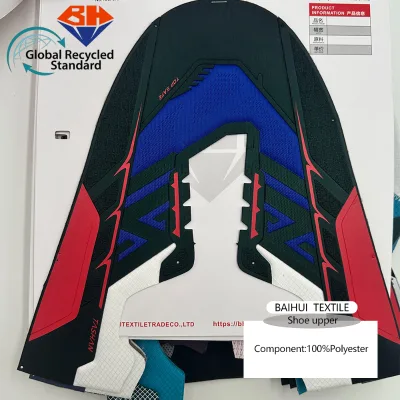
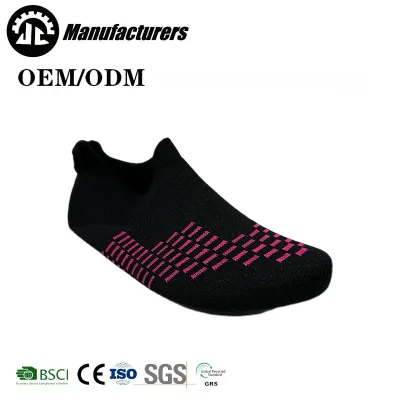
The observed product range includes various shoe uppers designed for casual, running, and sport applications. Materials prominently featured include mesh, cotton fabric, and polyester fabric, catering to different breathability and durability requirements. Listings indicate a wide size range, typically spanning from 35 to 46, which supports broad market distribution. The style is often described as footwear knitted, suggesting a focus on modern, flexible construction methods that enhance wearer comfort.
Commercial signals reveal significant variability in minimum order quantities, ranging from small batches to large-scale production runs. Some suppliers offer customization options, including packaging in PVC bags, boxes, or custom solutions. Brand names such as Gangsheng and Kinghope appear in the market, indicating established players with specific product lines. These signals help buyers identify suppliers who can accommodate both niche custom orders and high-volume manufacturing demands efficiently.
Technical Specifications to Verify
Verifying material composition is the first critical step in the sourcing process. Buyers should confirm whether the upper is constructed from mesh, cotton, or polyester fabric, as each material offers distinct properties regarding breathability, weight, and durability. Specifications such as single package size and gross weight provide insights into logistics planning and storage requirements. For instance, knowing the exact dimensions and weight helps in calculating freight costs and optimizing warehouse space effectively.
Model numbers and product names serve as unique identifiers for tracking and communication. Listings may reference specific models like S-189, GS-213, or KH-SU-003, which correspond to particular design iterations. Buyers must ensure that the selected model aligns with their design requirements and quality standards. Additionally, verifying the supply ability, such as daily production capacity, ensures that the supplier can meet order volumes without compromising quality or delivery schedules.
Compliance and Safety Documentation
While specific certification statuses are not universally confirmed in the provided data, buyers should inquire about adherence to recognized safety standards. Standards such as ISO 20345 and ASTM F2413-18 are relevant for footwear components, particularly if the uppers are intended for safety or specialized workwear applications. Buyers must verify if the supplier has experience in producing compliant products and can provide necessary documentation upon request.
Documentation should also cover material safety and environmental compliance, depending on the target market regulations. Buyers should request material safety data sheets and test reports to ensure the fabrics meet local and international regulations. This due diligence helps in avoiding potential legal issues and ensures that the final products are safe for consumers. Clear communication with suppliers regarding compliance requirements is essential for maintaining a reliable supply chain.
Cost Drivers and Commercial Terms
Several factors influence the cost of shoe uppers, including material type, customization level, and order volume. Higher customization, such as specific knitting patterns or unique packaging, may increase production costs. Minimum order quantities also play a significant role, with some suppliers requiring larger orders to achieve competitive pricing. Buyers should negotiate terms that align with their inventory management strategies and cash flow capabilities.
Shipping terms and port locations affect the overall landed cost. Suppliers located in Fujian, China, often offer FOB Xiamen terms, which impacts logistics planning and risk allocation. Buyers should consider the experience of exporting, as suppliers with extensive experience may offer more reliable shipping solutions. Understanding these commercial terms helps in creating accurate cost models and avoiding unexpected expenses during the procurement process.
Supplier Qualification and Quality Control
Evaluating supplier experience is crucial for ensuring consistent product quality. Suppliers with decades of production experience, such as those claiming 33 or 35 years in the industry, may offer greater reliability and expertise. Buyers should verify these claims and assess the supplier’s track record in delivering high-quality shoe uppers. Experience in exporting also indicates familiarity with international standards and customer expectations.
Quality control measures should be clearly defined and agreed upon before production begins. Buyers should request samples to evaluate the product quality, including fit, finish, and material integrity. Establishing clear quality standards and inspection protocols helps in maintaining consistency across batches. Regular communication and feedback loops with suppliers are essential for addressing any issues promptly and ensuring that the final products meet the required specifications.
Long-Term Procurement Checks
Building a sustainable supply chain requires ongoing monitoring and relationship management. Buyers should regularly review supplier performance metrics, including delivery times, quality consistency, and responsiveness to issues. Establishing long-term partnerships with reliable suppliers can lead to better pricing, priority production, and improved collaboration on new designs. Continuous evaluation helps in identifying potential risks and opportunities for improvement within the supply chain.
Adapting to market changes and evolving consumer preferences is essential for long-term success. Buyers should stay informed about trends in Shoe Upper materials and technologies, such as advancements in knitting techniques or sustainable fabric options. Flexibility in sourcing strategies allows buyers to respond quickly to market demands and maintain a competitive edge. Regularly updating procurement policies and supplier criteria ensures that the sourcing strategy remains aligned with business goals and market realities.
FAQs
What materials are commonly used for knitted shoe uppers?
Knitted shoe uppers are commonly made from mesh, cotton fabric, or polyester fabric, with fly-knit and 3D knitting constructions popular for sports and casual footwear. Mesh offers breathability, while cotton fabric gives softness and comfort. The right choice depends on the end use, such as running shoes, sport shoes, or everyday casual styles, and customization is typically available from manufacturers.
How do I choose the right Shoe Upper for sports footwear?
Choose a Shoe Upper based on breathability, durability, and fit requirements for the intended activity. Mesh and fly-knit materials suit running and sport shoes because they are lightweight and comfortable, while knitted uppers provide flexibility and a fashion-forward look. Check available sizes, such as 35-46, confirm the material matches your design, and request a sample before committing to volume production.
What is the typical MOQ for Shoe Upper orders?
Typical minimum order quantities for shoe uppers range from around 200 pairs to 3000 pairs or 2000 pairs depending on the supplier, model, and material. Lower MOQs may apply to standard black knitted models, while customized uppers usually require higher volumes. Always confirm the MOQ for the specific model, such as S-189 or GS-213, before requesting a formal quotation.
Can shoe uppers be customized for my own designs?
Yes, customization is available from many Shoe Upper manufacturers, including material choice, knitting pattern, colorway, size range, and packaging. Options often include PVC bag, box, or fully customized packing. To start, share your design requirements, target size range, and preferred material such as mesh or polyester fabric, then request a sample to verify quality before bulk production begins.
How should shoe uppers be packaged for shipping?
Shoe uppers are usually packed in a durable poly bag, PVC bag, or box, with customized packaging available on request. Single packages are commonly compact, for example around 25X11X4 cm with a gross weight near 0.25 kg per pair, which keeps freight efficient. Confirm packaging details with your supplier, especially if you need retail-ready boxes or specific labeling for your destination market.
What sizes are typically available for shoe uppers?
Shoe uppers for sports and casual footwear are commonly available in size ranges from 35 to 46, covering most adult shoe sizes. Knitted and mesh uppers stretch to fit, so they tolerate slight size variations across lasts. Confirm the size range for the specific model and request samples in your key sizes, since grading accuracy matters when the uppers are matched to your own outsoles.
Which features should I verify when comparing Shoe Upper suppliers?
Verify production experience, daily supply capacity, sample availability, and packaging options when comparing suppliers. Many Fujian and Jinjiang manufacturers highlight decades of producing experience and export history, along with capacities stated in pairs or meters per day. Also confirm material composition, model specifications, MOQ terms, and port of shipment such as FOB Xiamen so you can compare quotations on equal terms.