Find Shoe Dryer for Home, Shop, and Industrial Use
Source 30 Shoe Dryer units with varying automation levels and capacities. Buyers can compare models like the Boot Drying Rack and Ozone Boot Dryer for applications in homes, shops, and industrial settings such as food processing.
Key considerations
Products List


304 Shoe Dryer/Boot Dryer/Ozone Shoe Dryer with CE
$500.00 - $800.00
MOQ: 1 Pieces
Henger Manufacturing (Shandong) Machinery Technology Co., Ltd.

Henger Electric Shoe Dryer/ Shoe Dryer for Factory
$500.00 - $800.00
MOQ: 1 Pieces
Henger Manufacturing (Shandong) Machinery Technology Co., Ltd.

Hot Air Boots Drying Boot Rack Shoe Drying Machine
$500.00 - $800.00
MOQ: 1 Pieces
Henger Manufacturing (Shandong) Machinery Technology Co., Ltd.

Heated Boot Dryer Combined with Anti-Slip Wooden Shoe Rack
$500.00 - $800.00
MOQ: 1 Pieces
Henger Manufacturing (Shandong) Machinery Technology Co., Ltd.

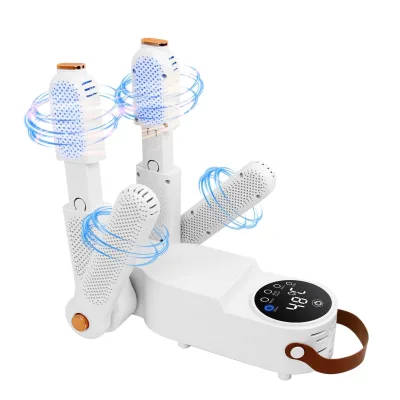
Timing Shoe Dryer Constant Temperature Dehumidification Odor New Designed Shoe Dryer
$4.95 - $28.00
MOQ: 200 Pieces

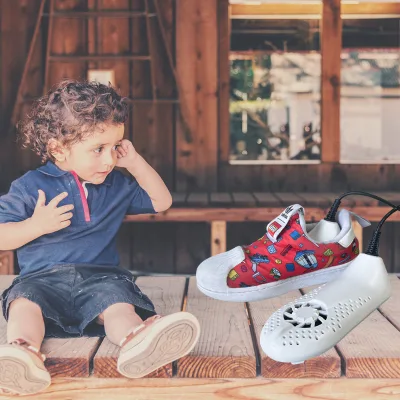
Household Modern New Designed Adult Children Timed Shoe Warmer Shoe Dryer
$2.90 - $3.00
MOQ: 330 Pieces

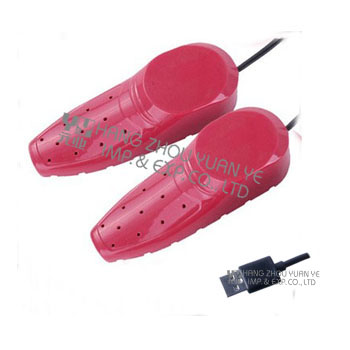
Timed Home Travel Portable Shoe Dryer Multifunctional Dormitory Shoe New Modern Dryer
$2.90 - $3.00
MOQ: 330 Pieces

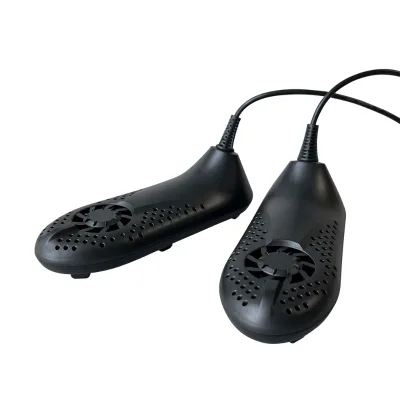
Intelligent Timing Folding Portable Durable Hot Sale New Designed Adult Shoe Dryer
$1.90 - $2.00
MOQ: 500 Pieces


Intelligent Shoe Dryer with Deodorizing Function for Quick Drying Shoes
$40.00 - $80.00
MOQ: 10 Pieces


Quick Drying Shoe Dryer Machine with Deodorizing and Sterilizing Options
$40.00 - $80.00
MOQ: 10 Pieces


Comprehensive Sourcing Guide
Strategic Sourcing Guide for Industrial and Commercial Shoe Dryers
When sourcing equipment under the core keyword "Shoe Dryer," procurement professionals must navigate a diverse landscape that includes specialized units for industrial food processing, commercial retail display, and general household utility. The market offers a spectrum of solutions ranging from simple wall-mounted racks to complex, automated systems with ozone sterilization capabilities. A disciplined approach requires distinguishing between products designed for drying and deodorization versus those intended for storage and display. This guide outlines the critical technical, compliance, and operational factors necessary for making informed B2B purchasing decisions without relying on unverified marketing claims.
Technical Specifications and Functional Diversity
The technical architecture of shoe drying equipment varies significantly based on the intended application. Buyers must first determine whether the primary requirement is rapid drying, odor elimination, sterilization, or simply storage. The observed product data indicates a clear bifurcation in functionality. Some units are explicitly designed for "Dry Deodorization Sterilization," utilizing advanced methods such as ozone generation or electrical heating. These systems often feature "High Intelligent" automation levels and are built for environments requiring strict hygiene, such as slaughterhouses or seafood industries. In contrast, other listings describe products with functions limited to "Storage" and "Display," which may not possess active drying mechanisms.
Voltage and automation are critical parameters for integration into existing facilities. The available data points to a standard operating voltage of 220V, which is common in many international markets but requires verification against local grid standards. Automation levels range from "Semi-Automatic" to fully "Automatic" systems. For high-volume operations, such as those in the leather and fabric industries, an "Automatic Grade" system with "Electrical Heating" is often preferred to ensure consistent throughput. The heating method is typically electrical, but the specific configuration—whether it involves steam functions for "Quick Dry" capabilities or standard convection heating—must be confirmed.
Physical dimensions and installation requirements are equally vital. The standard specifications observed include dimensions such as 15005001500 mm or 1500.00cm * 500.00cm * 1500.00cm, though these may represent specific industrial cabinet models rather than compact units. Smaller units, such as those with a capacity of 4-7Kg or dimensions around 303340cm, are suitable for retail or home use. Installation types vary between "Floor Mounted," "Wall Mounted," and "Freestanding" configurations. Procurement teams must verify that the selected unit's installation type aligns with the facility's layout constraints. For instance, a "Wall Mounted Ski Boot Dryer" requires specific structural support, whereas a "Freestanding" cabinet offers more flexibility.
Compliance and Certification Verification
In the B2B sector, compliance is not merely a formality but a prerequisite for operational safety and legal adherence. The supply chain for shoe drying equipment often cites certifications such as CE and ISO9001. While these are frequently mentioned in product attributes, buyers must treat them as observations requiring independent verification rather than guaranteed facts. The presence of a "CE" mark suggests conformity with health, safety, and environmental protection standards for products sold within the European Economic Area, but the specific scope of this certification must be validated against the actual machinery.
For industrial applications, particularly those involving food processing or slaughterhouses, the equipment must meet rigorous hygiene standards. The material composition plays a significant role here. Stainless steel is a common material cited for its "High Corrosion Resistance" and durability, which is essential for environments exposed to moisture, cleaning agents, or biological contaminants. Buyers should verify that the stainless steel grade is appropriate for the specific chemical and physical stresses of the intended environment.
Warranty terms are another critical compliance and risk management factor. A standard offering of a "1 Year" warranty is noted in the data, but the scope of this warranty—whether it covers parts, labor, or specific components like heating elements—must be clearly defined in the contract. Additionally, the "Condition" of the product is typically listed as "New," but buyers should ensure that this refers to brand-new, unused equipment rather than refurbished units, especially when dealing with high-value industrial machinery.
Cost Drivers and Pricing Dynamics
The pricing structure for shoe drying equipment is influenced by a complex interplay of factors, including automation level, material quality, capacity, and customization options. The observed price range in the market spans from $1.9 to $950 USD, a variance that reflects the difference between basic storage racks and sophisticated, automated sterilization units. A unit priced at the lower end of this spectrum is likely a simple, non-automated rack or a basic storage cabinet, whereas the higher-end figures correspond to systems with "High Intelligent" features, ozone generation, and industrial-grade stainless steel construction.
Minimum Order Quantity (MOQ) is a significant cost driver in B2B procurement. The observed MOQ range extends from 1 to 1000 units. For small businesses or pilot projects, suppliers offering an MOQ of 1 or low quantities are essential to minimize capital expenditure and inventory risk. Conversely, large-scale operations may benefit from negotiating lower unit costs by committing to higher volumes, potentially approaching the upper limit of the observed MOQ range.
Customization is a key variable that impacts cost. The data confirms that "Customization" is available for many products. This can include tailored dimensions, specific color options (such as "White"), or unique functional integrations like "Steam Function." Customized packaging, such as "Plastic Film Wrapped First and Then Packed in Wood" or "Carton Box," also adds to the overall cost. Buyers must weigh the benefits of customization against the budget constraints, ensuring that the added expense delivers tangible value in terms of operational efficiency or brand alignment.
Typical Applications and Industry Use Cases
The versatility of shoe drying equipment allows it to serve a wide array of industries, each with distinct operational requirements. One prominent application area is the food processing sector, specifically in "Food Industrial," "Slaughterhouse," and "Seafood Industrial" contexts. In these environments, the equipment is often used to dry and sanitize footwear or protective gear worn by workers to prevent cross-contamination. The "Multi-Function" capability of these units, which may include "Sterilization," is crucial for maintaining sanitary conditions.
Another significant market is the leather and fabric industry. Here, the equipment is used to dry treated materials or footwear during the manufacturing process. The "Electrical Heating" method and "Automatic Grade" features are particularly relevant in this sector, where consistent drying is necessary to maintain product quality and production speed. The "Corrosion Resistance" of stainless steel models is a key asset in these settings, where exposure to chemicals and moisture is common.
For retail and commercial spaces, the focus shifts to "Display" and "Storage" alongside drying. Units designed for "Home" and "Shop" usage often prioritize aesthetics, with a "Simple" style and "Wall Mounted" or "Freestanding" designs that blend into the retail environment. These units may feature "Quick Dry" capabilities to enhance customer experience or prepare inventory for sale. The "Capacity" of these units, ranging from small 4-7Kg models to larger 20kg washing capacity systems, must be matched to the volume of footwear handled by the business.
Supplier Evaluation and Origin Considerations
Evaluating suppliers requires a focus on origin, production capabilities, and logistical reliability. The majority of the observed products originate from "China," with specific mentions of "Shandong China" as a production hub. This region is known for its manufacturing capabilities in metalworking and machinery. Buyers should verify the specific location of the supplier to assess logistical implications, such as shipping times and freight costs.
The "Quality" of the product is often described as "High Quality," but this is a subjective claim that must be substantiated through due diligence. Buyers should request detailed specifications, material certificates, and references from previous clients to validate these claims. The "Duarability" (Durability) of the equipment is another critical factor, particularly for industrial applications where downtime is costly.
Packaging standards are also indicative of a supplier's attention to detail. Options range from "Standard Packaging" to "Customized" solutions, with specific methods like "Corrugated Box" or "Wood" packing for heavy-duty transport. Ensuring that the packaging is robust enough to protect the equipment during international shipping is essential. The "Condition" of the product being "New" should be confirmed through inspection protocols upon delivery.
Quality Control and Long-Term Procurement Strategy
Implementing a robust quality control (QC) strategy is vital for mitigating risks associated with sourcing industrial equipment. Buyers should establish clear acceptance criteria based on the technical specifications provided, such as voltage compatibility, material composition, and functional performance. Regular inspections during the manufacturing process, potentially through third-party agencies, can help identify defects before shipment.
Long-term procurement considerations extend beyond the initial purchase price. The "Warranty" period, typically "1 Year," should be viewed as the baseline for after-sales support. Buyers should negotiate terms that include extended support, availability of spare parts, and technical assistance. The "Automation" level of the equipment also influences long-term maintenance costs; highly automated systems may require specialized technicians for repairs, whereas simpler units can often be maintained by in-house staff.
Finally, the "Standard" dimensions and "Model" numbers (such as HE-BD, HE-Pirs20, or ZHZ series) should be used as reference points for future reordering and compatibility checks. Maintaining a consistent inventory of specific models can simplify maintenance and reduce the risk of incompatibility issues. By focusing on these strategic elements, procurement teams can build a resilient supply chain that supports their operational needs while managing costs and risks effectively.
| Feature Category | Industrial/Commercial Focus | Retail/Home Focus |
|---|---|---|
| Primary Function | Dry, Deodorize, Sterilize | Storage, Display, Quick Dry |
| Material | Stainless Steel (High Corrosion Resistance) | Stainless Steel, Plastic |
| Automation | Automatic / Semi-Automatic | Manual / Semi-Automatic |
| Installation | Floor Mounted, Wall Mounted | Wall Mounted, Freestanding |
| Capacity | High (20kg+ or Industrial Scale) | Low to Medium (4-7Kg) |
| Certification | CE, ISO9001 (Verified) | CE (Verification Recommended) |
| Warranty | 1 Year (Negotiable Terms) | 1 Year |
In conclusion, sourcing shoe drying equipment requires a meticulous approach that balances technical requirements with commercial realities. By adhering to the verified facts regarding specifications, certifications, and application areas, buyers can make informed decisions that align with their operational goals. The diversity of the market, from simple racks to complex industrial systems, offers solutions for every need, provided that the procurement process is grounded in rigorous evaluation and evidence-based decision-making.
FAQs
What functions do shoe dryers provide for industrial use?
Shoe dryers provide dry deodorization and sterilization functions for industrial environments. Some units also offer storage and display capabilities for retail settings. Models designed for food industries often include ozone generation to ensure strict hygiene standards are met during operation.
Which certifications are available for these drying units?
Available certifications include CE and ISO9001 for compliance and quality assurance. These certifications indicate adherence to safety and management standards. Buyers should verify specific certification scopes for their intended application, such as food processing or general commercial use.
Can I find shoe dryers with customizable dimensions?
Yes, customization is available for many Shoe Dryer models to meet specific needs. Buyers can request tailored dimensions, colors like white, or unique functional integrations. Customized packaging options are also offered to ensure safe transport and brand alignment for large orders.
What is the warranty period for new equipment?
The standard warranty period for new equipment is typically one year. This coverage usually applies to parts and specific components, though labor terms may vary. Buyers should confirm the exact scope of the warranty contract before finalizing the purchase to manage operational risks effectively.
How are these units installed in different facilities?
Installation types vary between floor mounted, wall mounted, and freestanding configurations. Wall mounted options like ski boot dryers require specific structural support, while freestanding cabinets offer layout flexibility. Buyers must verify that the selected installation type aligns with their facility's spatial constraints.
What materials are used for corrosion resistance?
Stainless steel is commonly used for its high corrosion resistance and durability. This material is essential for environments exposed to moisture, cleaning agents, or biological contaminants. It ensures the equipment remains functional in industrial settings like slaughterhouses or seafood processing plants.
What is the voltage requirement for operation?
The standard operating voltage for these units is 220V. This is common in many international markets but requires verification against local grid standards. Buyers must ensure compatibility with their facility's power supply before installation to prevent operational issues.