Source Shore Casting Slow Pitch Jig for Rock, Beach, and Boat Fishing
Compare 30 metal jigbait lures designed for Shore Casting Slow Pitch Jig techniques. These artificial hard baits, available in pink and green, target saltwater and freshwater species like bass and marlin. Options include various weights from 12g to 300g with OEM customization.
Key considerations
Products List
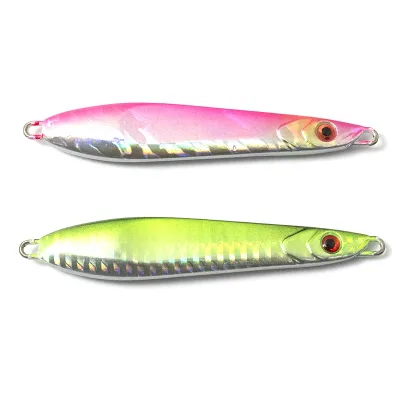


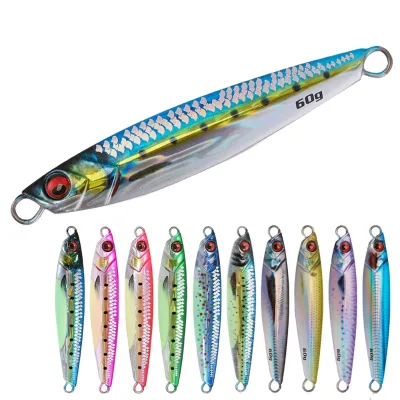
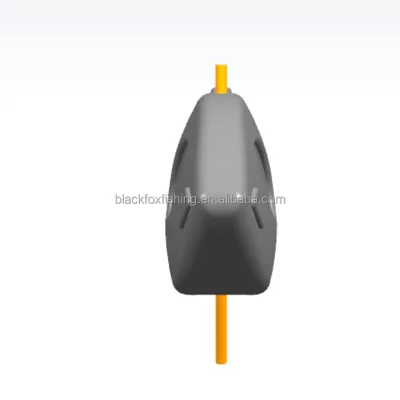


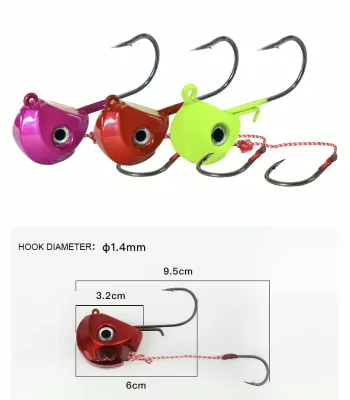
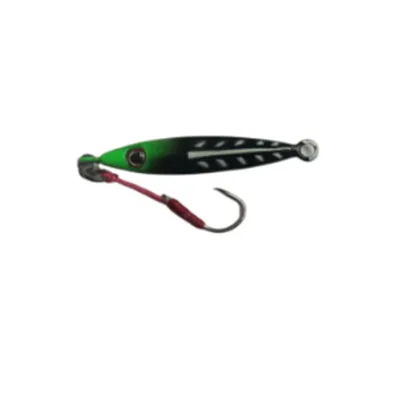
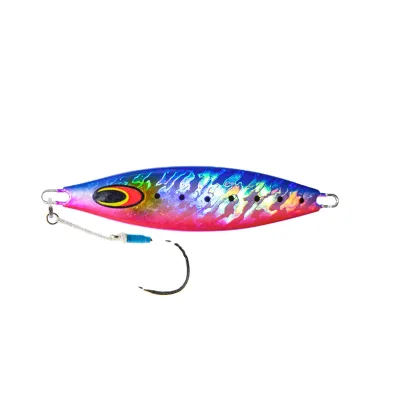


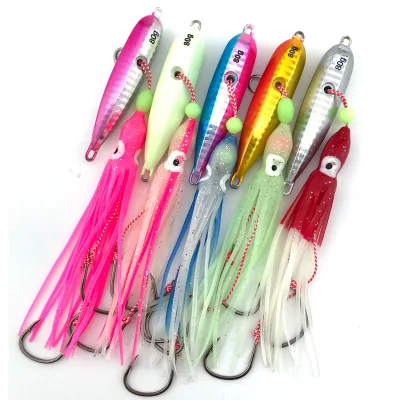
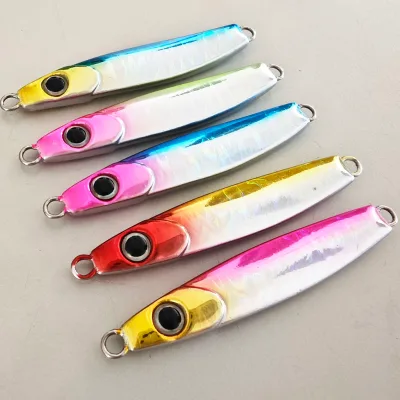


Sxjg-006 Glow Fishing Jig 300g Slow Pitch Lead Jig Trolling Fishing Lure
$3.35 - $3.65
MOQ: 500 Pieces
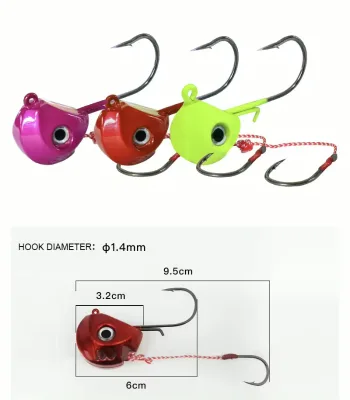


Comprehensive Sourcing Guide
Shore Casting Slow Pitch Jig Sourcing Guide
Shore casting slow pitch jigs are specialized artificial lures designed for vertical jigging techniques from rocky coastlines and beaches. These metal lures typically feature a heavy lead core to ensure rapid sinking rates, allowing anglers to present the bait effectively in deep saltwater environments. The observed product data confirms that these items are constructed primarily from metal lead, with specific models weighing between 12g and 400g to suit various depth requirements.
Buyers must verify that the selected jig matches the intended fishing technique, as these lures are optimized for sea fishing and ocean rock fishing scenarios. The product listings indicate a range of target species including bass, marlin, and bream, suggesting the need for precise weight selection based on local fish behavior. Understanding the specific position of use, such as ocean boat fishing or beach casting, is critical for selecting the correct lure profile and weight distribution.
Product Scope and Observed Listing Signals
The market for these lures presents a wide variance in specifications, with observed listing prices ranging from $0.54 to $235.19 USD depending on the model and customization level. Product attributes show that many units are sold as single items without hooks, requiring the buyer to source compatible hardware separately or verify if the supplier includes them in the final assembly. The observed single package size of 10x10x10 cm suggests compact shipping, though bulk orders may utilize freight or sea shipping methods to manage logistics costs.
Procurement signals indicate that customization and OEM services are available, allowing buyers to tailor colors like pink or green to specific market preferences. However, the minimum order quantity (MOQ) varies significantly, with some suppliers requiring 100 pieces per color and size while others set the bar at 200 pieces. Buyers should carefully review the selling units and gross weight, as the single gross weight of 2.000 kg for a single item implies heavy packaging or inclusion of multiple components that affect freight calculations.
Technical Specifications to Verify
Technical verification must begin with the physical dimensions and weight standards, as the data shows models ranging from 85mm in length to various weight classes like 20g, 50g, and up to 300g. The product specifications list multiple model numbers such as TN-A114 and BM-JC23, each associated with distinct weight standards that dictate their sinking speed and action in the water column. Buyers should confirm that the specific model number aligns with the target depth and the fishing technique required for their specific operation.
Material composition is another critical verification point, with the supplied facts confirming the use of metal lead and pure metal construction. The absence of hooks on many listed units means the buyer must ensure the jig is compatible with their preferred hook setup or that the supplier can provide a complete assembly. Additionally, the single package size and gross weight data must be cross-referenced with the actual product dimensions to ensure the lures fit within standard shipping containers and do not incur unexpected volumetric weight charges.
Compliance and Safety Documentation
While the provided facts do not list specific certification numbers, buyers must request documentation proving that the metal lead and paint materials comply with international safety standards for fishing gear. Since these products are intended for use in saltwater and freshwater environments, verifying that the coatings are non-toxic and resistant to corrosion is essential for both environmental compliance and product longevity. The absence of explicit certification data in the listing requires the buyer to demand test reports or material safety data sheets before finalizing any purchase agreement.
Safety documentation should also address the handling of heavy metal components, particularly for models weighing up to 400g which pose potential injury risks during transport or use. Buyers should ensure that the supplier provides clear instructions on the safe handling of the lead core and any sharp edges associated with the artificial bait design. Without explicit safety claims in the source data, the procurement team must treat all material claims as observations and verify them through independent third-party testing to mitigate liability risks.
Cost Drivers and Commercial Terms
The commercial landscape for these jigs is characterized by negotiation-based pricing and variable lead times that can extend from 50 to 60 days for custom orders. The observed MOQ of 100 to 200 pieces per color and size creates a significant barrier for small buyers, while the "1 mold" MOQ for other models suggests that tooling costs are a primary driver for pricing structures. Buyers must account for these upfront costs when calculating the total landed cost, as the base price of $0.54 may not reflect the final cost including tooling and customization fees.
Lead times are a critical commercial factor, with the data indicating a 50-60 day window for production which can impact inventory planning and market responsiveness. The use of freight or sea shipping methods further influences the total cost, as the heavy single gross weight of 2.000 kg per unit can result in substantial freight charges. Procurement teams should negotiate payment terms that align with these long lead times to manage cash flow effectively while ensuring the supplier has the capacity to meet the agreed delivery schedule.
Supplier Qualification and Quality Control
Supplier qualification should focus on verifying the origin of the products, as the data indicates a primary origin in China with specific production locations like CN;SHN. Buyers must assess the supplier's capacity to handle the required customization and OEM requests, ensuring they have the necessary molds and production lines to meet the specified weight standards and model numbers. The availability of customization suggests a flexible manufacturing process, but the buyer must validate the supplier's ability to maintain consistency across different color and size batches.
Quality control protocols must be established to verify that the metal lead composition and paint application meet the expected durability standards for saltwater fishing. Since the product condition is listed as "printed," buyers should inspect samples for color fastness and resistance to abrasion, which are critical for maintaining the lure's effectiveness in harsh marine environments. Establishing a clear quality acceptance criteria based on the observed weight and length specifications will help prevent the receipt of substandard goods that fail to perform as expected in the field.
Long-Term Procurement Checks
Long-term procurement strategies should include regular audits of the supplier's ability to maintain the specified weight standards and model consistency over time. The wide range of observed weights, from 12g to 400g, requires a robust quality assurance system to ensure that each batch meets the precise specifications required for different fishing techniques. Buyers should implement a schedule for periodic sample testing to verify that the material composition and physical dimensions remain stable throughout the production lifecycle.
Market monitoring is essential to track changes in the product scope, such as new model numbers or shifts in the observed price range, which may indicate changes in raw material costs or supply chain dynamics. The availability of OEM services suggests that buyers should maintain a flexible relationship with the supplier to adapt to changing market demands for specific target species or fishing locations. Continuous engagement with the supplier will help ensure that the procurement strategy remains aligned with the evolving needs of the fishing industry and the specific requirements of the target market.
FAQs
What materials are used for shore casting slow pitch jigs?
These jigs are primarily constructed from metal lead or pure lead to ensure proper sinking rates. The product specifications confirm the use of metal lead and lead materials for durability. This composition supports effective performance in both saltwater and freshwater environments for various target species.
Which fishing techniques suit these artificial hard baits?
These lures are designed for lure fishing and sea fishing techniques including ocean rock fishing and ocean beach fishing. They function effectively as bottom baits and midwater baits for targeting species like bass and marlin. The design supports slow pitch jigging in ocean environments.
Can buyers request customization for these fishing lures?
Yes, customization is available for these artificial hard baits upon request. Buyers can also request OEM services to tailor the products to specific needs. This flexibility allows for adapting the lures to different market requirements while maintaining the core metal lead construction.
What is the typical lead time for manufacturing these jigs?
The standard lead time for production ranges from 50 to 60 days. This duration applies to orders meeting the minimum quantity requirements for specific colors and sizes. Buyers should plan their procurement schedule accordingly to ensure timely delivery of the metal lead lures.
How are these jigs packaged for shipping?
The products are packed individually with a single package size of 10 by 10 by 10 cm. Shipping is arranged via freight or sea transport methods. This packaging ensures the 50g metal lead lures remain secure during transit to global destinations.
What weight options are available for these slow pitch jigs?
Multiple weight standards are available ranging from 12g up to 400g depending on the specific model. Options include 20g, 30g, 50g, 70g, and heavier variants like 300g or 400g. This variety allows anglers to select the appropriate weight for different fishing depths and conditions.
Which target species can be caught with these lures?
These lures are effective for catching saltwater fish, freshwater fish, bass, marlin, and bream. The artificial hard bait design mimics prey to attract a wide range of predatory species. Their versatility makes them suitable for various ocean rock and boat fishing scenarios.