Source Shotgun Tumbler for Gifts, Travel, and Business
Find 30 shotgun tumbler options featuring double-wall vacuum insulation and stainless steel construction. Compare designs, certifications, and customization services for giveaways, camping, and business gifts. These versatile drinkware items offer leak-proof performance and eco-friendly materials suitable for various occasions; compare the available evidence and request quotations based on your requirements.
Key considerations
Products List









Comprehensive Sourcing Guide
Shotgun Tumbler Sourcing Guide
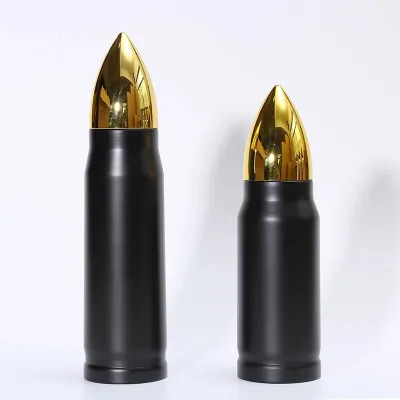
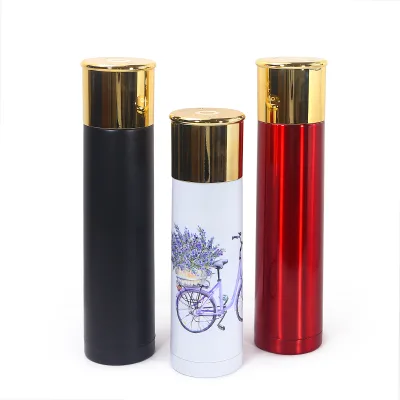
Sourcing shotgun tumblers requires a clear understanding of the product’s dual identity as both a durable drinking vessel and a customizable promotional item. These products are typically constructed from stainless steel or metal, featuring double-wall vacuum insulation that maintains thermal performance for extended periods. Buyers must distinguish between standard retail units and bulk-orderable items designed for corporate gifting or event giveaways. The market offers variations ranging from simple cylindrical shapes to bullet-shaped designs, each serving different aesthetic and functional needs.
Procurement teams should evaluate the specific use cases, such as camping, travel, or business gifts, to determine the necessary features. Key attributes often include leak-proof seals, direct drinking methods, and eco-friendly materials. It is crucial to verify whether the tumbler includes accessories like covers or ropes, as these impact the final utility and perceived value. Understanding the distinction between a standard shot glass and a vacuum-insulated tumbler ensures that the selected product aligns with the intended occasion and user expectations.
Product Scope and Observed Listing Signals
The observed product range includes vacuum-insulated tumblers with capacities such as 500ml, 750ml, and 1000ml, alongside smaller shot glass variants. Listings frequently highlight features like double-wall insulation, anti-corrosion properties, and specific styles such as Western or simple designs. Buyers should note that while some products are marketed as eco-friendly, others may focus on durability and health care benefits. The presence of customized logos and packaging options indicates a strong B2B orientation, allowing for brand integration in promotional campaigns.
Price points and minimum order quantities vary significantly across suppliers, reflecting differences in material quality and customization levels. Some listings offer samples, which is a critical step for verifying product quality before committing to large orders. The observed data suggests that materials range from standard stainless steel to specific grades like 304 stainless steel, which offers superior corrosion resistance. Buyers must carefully review the product specifications to ensure that the selected item meets their functional requirements, such as boiling water applicability or specific insulation times.
Technical Specifications to Verify
Technical verification begins with confirming the material composition, particularly whether the product uses 304 stainless steel or other metal alloys. The double-wall vacuum insulation structure is essential for maintaining temperature, with performance claims ranging from 6 to 24 hours. Buyers should request detailed specifications regarding the cup mouth diameter, noting that fine mouth designs may affect drinking comfort. Additionally, the presence of a cover and the method of water flow, such as direct drinking, should be validated to ensure usability in various environments.
Insulation time and thermal performance are critical metrics that must be independently verified through testing or supplier documentation. The product’s ability to handle boiling water without compromising structural integrity is another key technical aspect. Buyers should also assess the manufacturing techniques, such as bottle blowing, and the presence of any anti-corrosion coatings. Understanding these technical details helps in predicting the product’s longevity and performance under real-world conditions, ensuring that the investment yields reliable results.
Compliance and Safety Documentation
Compliance with international safety standards is non-negotiable for food-contact products. Buyers must verify that suppliers hold relevant certifications, such as FDA, LFGB, CE/EU, CIQ, and EEC, which attest to the product’s safety and material quality. These certifications ensure that the stainless steel and other components do not leach harmful substances into beverages. Documentation should be current and verifiable, providing assurance that the product meets the regulatory requirements of the target market.
In addition to material safety, buyers should inquire about the testing procedures used to validate the product’s performance. This includes tests for leak-proof integrity, thermal retention, and durability under stress. Suppliers should provide clear evidence of these tests, such as third-party lab reports or internal quality control records. Ensuring that the product complies with these standards protects the buyer from potential liability and enhances the product’s marketability in regions with strict safety regulations.
Cost Drivers and Commercial Terms
Cost drivers for shotgun tumblers include material grade, insulation technology, and the extent of customization. Products with higher-grade stainless steel and advanced vacuum insulation commands higher prices, while basic models may be more cost-effective. Customization options, such as logo printing and unique packaging, add to the overall cost but can enhance brand value. Buyers should negotiate based on volume, as larger orders often result in significant price reductions and more favorable commercial terms.
Minimum order quantities (MOQ) and lead times are critical commercial factors that impact procurement planning. Suppliers may require MOQs ranging from 50 to 1,000,000 units, depending on the product complexity and customization level. Buyers should clarify lead times for both sample production and bulk manufacturing to ensure timely delivery. Understanding these commercial terms helps in budgeting accurately and managing inventory levels, preventing stockouts or excess inventory.
Supplier Qualification and Quality Control
Supplier qualification involves assessing their manufacturing capabilities, quality control processes, and track record. Buyers should verify the supplier’s production facilities, including their equipment for bottle blowing and assembly. A robust quality control system should include in-process inspections and final product testing to ensure consistency. Suppliers who provide samples and are transparent about their manufacturing processes are generally more reliable partners.
Quality control checks should focus on critical attributes such as insulation performance, leak-proof seals, and material integrity. Buyers should establish clear acceptance criteria and conduct random sampling during production or upon delivery. Engaging third-party inspection services can provide an additional layer of assurance, identifying potential defects before shipment. Building a strong relationship with a qualified supplier ensures consistent product quality and reduces the risk of supply chain disruptions.
Long-Term Procurement Checks
Long-term procurement success depends on continuous monitoring of supplier performance and product quality. Buyers should regularly review supplier metrics, such as on-time delivery rates, defect rates, and responsiveness to issues. Maintaining open communication channels allows for quick resolution of any problems that arise during the supply chain. Regular audits of the supplier’s quality control processes can help identify areas for improvement and ensure ongoing compliance with standards.
Product evolution and market trends should also be considered in long-term planning. As consumer preferences shift, buyers may need to adapt their product offerings to include new features or designs. Staying informed about industry developments and technological advancements can provide a competitive edge. By maintaining a proactive approach to supplier management and product development, buyers can ensure that their shotgun tumbler procurement strategy remains effective and aligned with business goals.
FAQs
Can I customize the logo on these tumblers?
Yes, customized logos are acceptable for these stainless steel tumblers. The product page confirms that customization is available, allowing buyers to add their branding. This service supports business gifts and giveaways, ensuring your company identity is prominently displayed on the final product for marketing purposes.
What certifications do these vacuum insulated cups have?
These tumblers hold CE/EU, CIQ, EEC, FDA, and LFGB certifications. These credentials verify that the materials meet international safety and quality standards. Buyers can trust that the stainless steel construction is safe for direct drinking and complies with regulatory requirements for export to various global markets.
How long does the thermal insulation last?
The thermal insulation performance lasts between 6 to 12 hours. Some specifications indicate an insulation time of 12 to 24 hours. This double-wall vacuum structure effectively maintains temperature, making the cups suitable for hot beverages like boiling water or cold drinks during travel and camping activities.
What is the minimum order quantity for these items?
The minimum order quantity is 50 units. While observed MOQ ranges vary from 1 to 1,000,000, the specific product fact lists 50 as the baseline. This low entry point allows businesses to test the market or order small batches for promotional giveaways without significant initial inventory investment.
Are these tumblers leak-proof and durable?
Yes, the tumblers are designed to be leak-proof and feature a bullet shape design. They are constructed from durable stainless steel or metal materials. The double-wall insulation structure enhances durability, while the leak-proof feature ensures safe transport in bags, making them ideal for sports items and daily travel use.
What packaging options are available for bulk orders?
Packaging options include individual boxing and custom packing solutions. Standard methods involve OPP bags, white boxes, and cartons for efficient shipping. Buyers can request customized packaging to align with their brand identity, ensuring the products arrive safely and presentably for retail distribution or direct corporate gifting purposes.