Source Side Skirts for Cars, Trucks, and SUVs
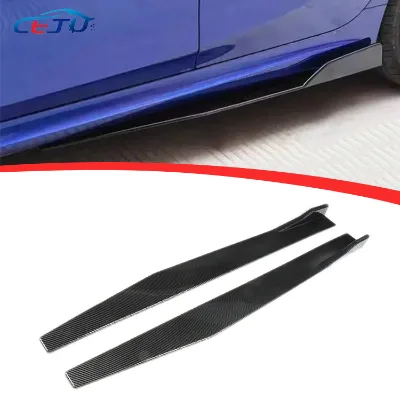
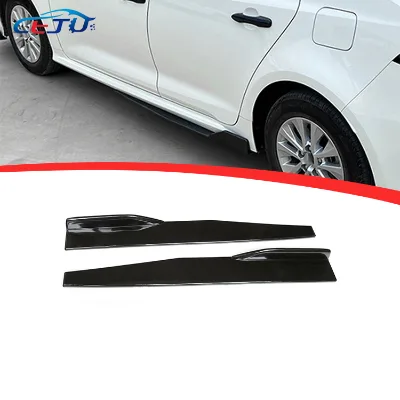
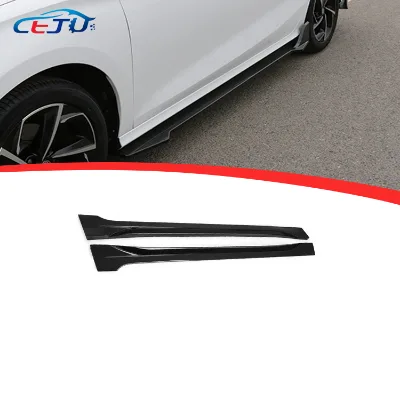
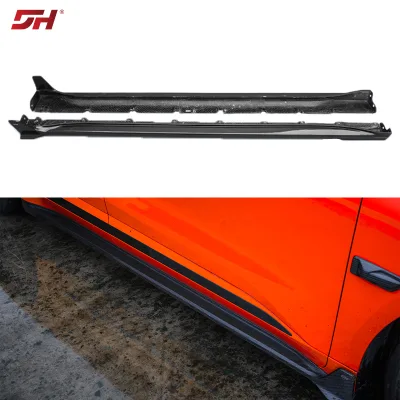
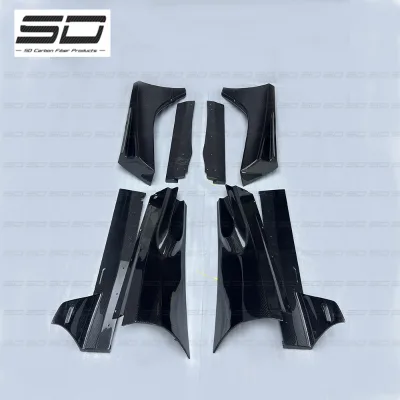
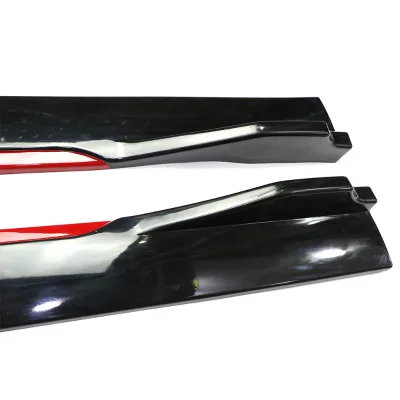
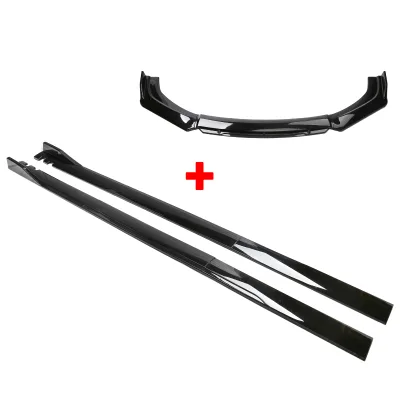
Compare 30 side skirts from verified suppliers offering carbon fiber and ABS materials. Options include OEM, Mansory, and CSS styles with fitment for Lamborghinis and universal applications. These parts feature easy installation and safe packaging for global shipping; compare the available evidence and request quotations based on your requirements.
Key considerations
Products List









Comprehensive Sourcing Guide
Side Skirts Sourcing Guide
Procuring side skirts requires a disciplined approach to material selection and fitment verification, as these components directly influence a vehicle’s aerodynamic profile and visual stance. Buyers must distinguish between OEM-style replacements and aftermarket aesthetic upgrades, ensuring the chosen design aligns with both functional requirements and brand identity. The market offers diverse options ranging from carbon fiber constructions to ABS plastic variants, each presenting distinct trade-offs in weight, durability, and cost. Understanding these material differences is the first step in defining a precise procurement specification that prevents costly mismatches during installation.
Beyond material composition, the sourcing strategy must account for customization capabilities and supply chain reliability. Many suppliers offer OEM, ODM, and customized order services, allowing buyers to tailor side skirts to specific model years or unique design preferences. However, this flexibility introduces complexity in quality control and lead time management. Buyers should prioritize suppliers who demonstrate consistent production standards and clear communication channels, ensuring that custom orders meet exact dimensional tolerances and surface finish expectations without compromising delivery schedules or budget constraints.
Product Scope and Observed Listing Signals
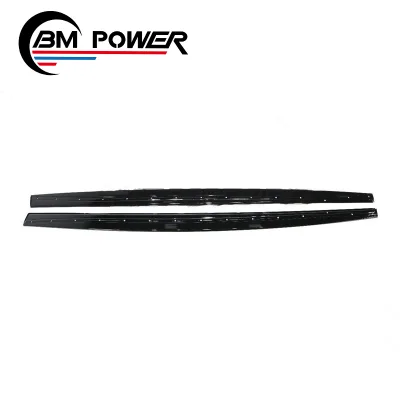
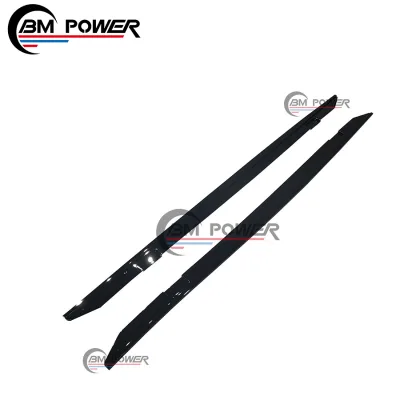
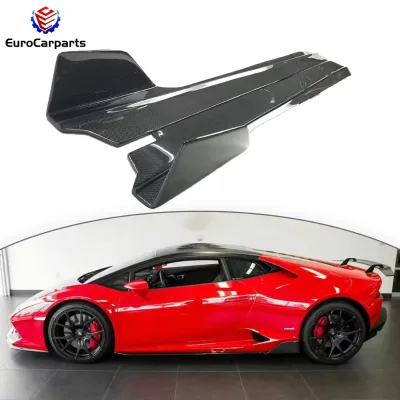
The current market landscape for side skirts reveals a wide spectrum of product attributes, with observed price ranges extending from affordable entry-level options to premium high-performance components. Listings frequently highlight specific vehicle compatibility, such as models for Lamborghini Huracan, 488, 458, 812, and F12 series, indicating a strong focus on luxury and supercar segments. Additionally, universal fitment options are available for broader applications, catering to general automotive repair and customization markets. This diversity necessitates careful filtering to identify products that match the target vehicle’s make, model, and year, avoiding generic assumptions about compatibility.
Observed listing signals also emphasize aesthetic styles, including OEM, MD, CSS, DNC, and Mansory designs, which appeal to different consumer preferences for originality versus aggressive styling. Material choices are prominently displayed, with carbon fiber and ABS being the most common offerings, often accompanied by surface treatments like 3K twill weave. Buyers should note that product names and descriptions may vary significantly across suppliers, requiring close attention to technical specifications rather than marketing titles. Verifying the actual product condition, typically listed as new, and confirming packaging standards ensures that items arrive undamaged and ready for immediate installation or further processing.
Technical Specifications to Verify
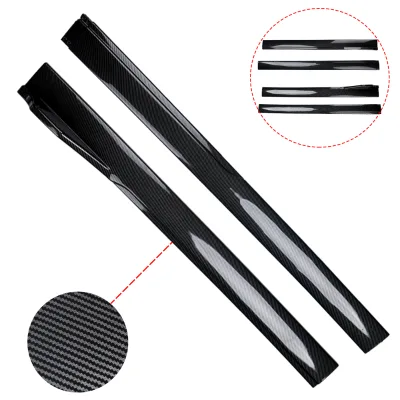
Technical verification begins with confirming the material composition and manufacturing process, as these factors dictate the part’s strength, weight, and longevity. Carbon fiber side skirts, often produced using prepreg dry carbon techniques, offer superior rigidity and a lightweight profile, making them ideal for performance-oriented applications. In contrast, ABS plastic variants provide cost-effective durability and easier installation, suitable for everyday vehicles or budget-conscious projects. Buyers must explicitly verify the material grade and weave pattern, such as 3K twill, to ensure the aesthetic and structural properties meet their specific requirements and quality expectations.
Fitment and installation compatibility are critical technical parameters that require rigorous validation before placing orders. Listings often claim excellent fitment and original car hole installation, but buyers should request detailed dimensional drawings or fitment guides to confirm alignment with the vehicle’s body panels. Key specifications to verify include the part’s length, such as 118CM or 75CM variants, and attachment methods, which may involve screw-on mechanisms or adhesive bonding. Additionally, checking for features like park assist sensor cut-outs ensures that the side skirts do not interfere with the vehicle’s electronic systems, preventing post-installation complications and ensuring seamless integration with existing hardware.
Compliance and Safety Documentation
While side skirts are primarily aesthetic and aerodynamic components, buyers must ensure that products comply with local vehicle modification regulations and safety standards. In many jurisdictions, aftermarket body kits must meet specific criteria regarding protrusion, material flammability, and impact resistance to remain road-legal. Buyers should request documentation from suppliers confirming that their products adhere to relevant regional standards, such as ECE or DOT regulations, particularly if the side skirts are intended for use on public roads. This due diligence helps avoid legal liabilities and ensures that the purchased components do not violate traffic laws or insurance policies.
Safety considerations also extend to the installation process and the structural integrity of the side skirts under dynamic driving conditions. Buyers should verify that the attachment methods, such as screw-on or adhesive systems, are robust enough to withstand aerodynamic forces and road debris impacts. Requesting test reports or quality assurance certificates from suppliers can provide assurance that the parts have undergone rigorous stress testing and do not pose a risk of detachment during high-speed driving. Additionally, ensuring that the side skirts do not obstruct critical vehicle sensors or lighting systems is essential for maintaining overall vehicle safety and operational functionality.
Cost Drivers and Commercial Terms
Cost drivers for side skirts are primarily influenced by material selection, manufacturing complexity, and order volume. Carbon fiber components, especially those with intricate weave patterns or custom designs, command higher prices due to the expensive raw materials and labor-intensive production processes involved. Conversely, ABS plastic side skirts are generally more affordable, offering a cost-effective solution for high-volume orders or budget-sensitive projects. Buyers should analyze the price-to-quality ratio carefully, considering that lower prices may sometimes correlate with reduced durability or inferior finish quality, which could lead to higher long-term costs due to replacements or repairs.
Commercial terms, including minimum order quantities (MOQ) and lead times, significantly impact procurement planning and cash flow management. Observed MOQs range from single pieces to sets, allowing flexibility for both individual buyers and bulk purchasers. Lead times typically span 15 to 30 days, depending on the product’s complexity and the supplier’s production capacity. Buyers should negotiate clear delivery schedules and payment terms to mitigate risks associated with delays or non-conformance. Additionally, understanding packaging standards, such as safe carton boxes with bubble protection, helps minimize shipping damage and reduces the likelihood of costly returns or claims.
Supplier Qualification and Quality Control
Supplier qualification is a critical step in ensuring the reliability and consistency of side skirt procurement. Buyers should assess suppliers based on their production capabilities, quality management systems, and track record in delivering automotive body parts. Verifying the supplier’s location, such as Guangdong, China, and their experience in manufacturing carbon fiber or ABS components provides insight into their technical expertise and supply chain stability. Requesting samples before placing bulk orders allows buyers to evaluate the product’s fitment, surface finish, and material quality firsthand, ensuring that the supplier meets the required standards before committing to larger purchases.
Quality control measures must be integrated into the procurement process to maintain consistency across orders. Buyers should establish clear acceptance criteria for dimensions, weight, and aesthetic appearance, and request inspection reports or third-party verification if necessary. Implementing a robust quality assurance protocol, including pre-shipment inspections and random sampling, helps identify and rectify defects before products reach the end user. Additionally, fostering open communication with suppliers regarding any quality issues or modifications ensures continuous improvement and strengthens the business relationship, leading to more reliable and satisfactory procurement outcomes over time.
Long-Term Procurement Checks
Long-term procurement success depends on establishing ongoing performance metrics and regular supplier evaluations. Buyers should monitor key performance indicators such as delivery punctuality, defect rates, and customer satisfaction to assess supplier reliability over time. Regularly reviewing these metrics helps identify potential issues early, allowing for proactive adjustments to sourcing strategies or supplier relationships. Maintaining a diversified supplier base can also mitigate risks associated with single-source dependencies, ensuring continuity of supply even if one supplier faces production challenges or quality issues.
Continuous market monitoring and technology updates are essential for staying competitive in the automotive aftermarket sector. Buyers should stay informed about emerging materials, manufacturing techniques, and design trends that may impact the side skirts market. Engaging with industry networks and attending trade shows can provide valuable insights into new product developments and supplier capabilities. By maintaining a forward-looking approach to procurement, buyers can adapt to changing market conditions, optimize their product offerings, and sustain long-term growth in their automotive parts business.
FAQs
What material is used for these side skirts?
The side skirts are primarily made from carbon fiber, specifically using a prepreg dry carbon process with a 3K twill weave finish. Some variants are constructed from ABS material to offer different durability and cost options for various vehicle applications.
Can I order custom side skirts for my car?
Yes, customization is available for these side skirts through OEM, ODM, and customized order services. Buyers can request specific styles such as OEM, MD, CSS, DNC, or Mansory styles to match their vehicle's aesthetic requirements and fitment needs.
How long does it take to receive the order?
The standard delivery time for these side skirts ranges from 15 to 30 days after the order is confirmed. This lead time applies to the manufacturing and shipping process from the production facilities located in China to the final destination.
What is the minimum order quantity for side skirts?
The minimum order quantity varies by product, starting from 1 piece for some models up to 10 sets for others. Specific listings indicate an MOQ of 1 PCS for certain carbon fiber items, while other options may require 10 sets as a baseline.
How are the side skirts packaged for shipping?
Products are packed in safe carton boxes with bubble wrap inside to ensure protection during transit. Standard packaging options include standard cartons, with specific dimensions like 180x150x150 cm noted for larger single package sizes to prevent damage.
Do these side skirts fit my vehicle perfectly?
The side skirts are designed for excellent fitment with original car hole installation for a seamless look. They are available for specific models like the 488, 458, 812, and F12, ensuring precise alignment without the need for extensive modification.
Are these side skirts suitable for universal fitment?
While many units are model-specific, some listings offer universal fitment options for general car applications. These universal variants are designed to accommodate various vehicle types, though specific model compatibility should be verified against the product specifications provided.