Source Silence Stainless Steel Foot Valve for Water, Industrial, and Household Use
Find 30 Silence Stainless Steel Foot Valve options for water, industrial, and household applications. Compare threaded and flanged models with PN6 to Class 150 ratings. Review material choices including stainless steel and carbon steel to select the right valve for your system.
Key considerations
Products List




Comprehensive Sourcing Guide
Silence Stainless Steel Foot Valve Sourcing Guide
Procuring silence stainless steel foot valves requires distinguishing between specific functional models like the Nrvz Silence and Ddcv Double Lobe variants found in current listings. Buyers must verify that the selected unit matches the intended flow direction, as observed data indicates both reversing and unidirectional options exist within the same product category. This distinction is critical because a unidirectional foot valve prevents backflow in suction lines, while reversing models serve different hydraulic circuit requirements.
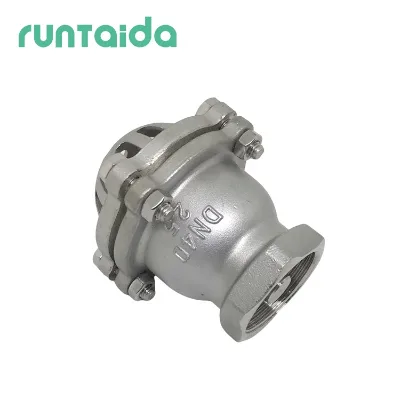
The material composition is a primary decision point, with listings showing availability in both stainless steel and carbon steel variants. Stainless steel offers superior corrosion resistance for water industrial usage and household applications, whereas carbon steel may be selected for specific pressure ratings or cost-sensitive industrial projects. Sourcing teams should confirm the exact alloy grade and surface finish, such as the observed silver color, to ensure compatibility with the fluid being pumped and the environmental conditions of the installation site.
Product Scope and Observed Listing Signals
Current market listings reveal a wide range of nominal diameters, spanning from small 1-inch units up to large 12-inch configurations, with specific models like the V-1 and H804B-100 indicating specialized sizing. Buyers should note that observed nominal diameters also include specific metric ranges like DN32 to DN200, suggesting that suppliers offer both imperial and metric sizing standards depending on the target market. This variability necessitates a precise review of the product model number to ensure the physical dimensions align with existing piping infrastructure.
Listing signals also highlight diverse connection forms, including threaded and flanged ends, which directly impact installation complexity and sealing requirements. The observed working pressure ratings range from ordinary pressure up to Class 150lb and PN25, indicating that these valves are engineered for varying system intensities. Procurement specialists must cross-reference the specific pressure class, such as PN6 or PN16, with the system's maximum operating pressure to prevent premature failure or leakage in high-stress environments.
Technical Specifications to Verify
Technical verification must begin with the working principle, as the observed data confirms these units operate manually without automated actuators. Buyers should confirm the open method is mechanical and suitable for the intended maintenance schedule, ensuring that the manual operation does not conflict with the need for remote or automated control in modern industrial setups. The temperature range of -20 to +50 degrees Celsius is a key constraint that must be validated against the fluid temperature to avoid material degradation or seal failure.
Sealing forms and flow characteristics are equally critical, with specific mentions of bellows globe valve sealing and double lobe functions designed to minimize noise and water hammer. The observed flow direction, whether unidirectional or reversing, must be strictly matched to the pump suction line configuration to ensure proper valve function. Additionally, the tolerance levels, which depend on the applicable standard, should be reviewed to guarantee that the valve fits precisely within the flange or threaded connections without requiring excessive modification.
Compliance and Safety Documentation
Compliance verification requires checking for recognized certifications such as CE, ISO9001, API, and ADR, which are explicitly listed in the product attributes. These documents serve as proof that the manufacturing process adheres to international quality management systems and safety standards, which is essential for industrial usage and water treatment applications. Buyers should request copies of these certificates to ensure the specific batch of valves being purchased meets the regulatory requirements of the destination country.
Safety documentation also includes adherence to specific standards like ANSI, DIN, and the general DN15-DN600 sizing standards observed in the listings. It is vital to confirm that the valve's pressure rating, such as 0.6MPa or 1.6MPa, aligns with the safety factors required by local engineering codes. Without proper certification and standard compliance, the risk of liability in the event of a system failure increases significantly, making these documents a non-negotiable part of the procurement package.
Cost Drivers and Commercial Terms
Cost drivers for silence stainless steel foot valves are heavily influenced by the material choice, with stainless steel typically commanding a higher price point than carbon steel or aluminum alloy alternatives. The observed price range of 1 to 350 USD suggests significant variation based on size, pressure rating, and specific functional features like the silence mechanism. Buyers should analyze the total cost of ownership, considering that higher initial costs for premium materials often result in lower maintenance expenses and longer service life in corrosive environments.
Commercial terms such as FOB, CIF, and CFR define the financial responsibility for freight and insurance, which can substantially affect the landed cost. The observed delivery time, which depends on the situation, and the MOQ of 1 piece to 2000 pieces offer flexibility but require careful planning to avoid stockouts or excessive inventory costs. Procurement teams must negotiate clear terms regarding freight methods, whether air or sea, to balance urgency with budget constraints while ensuring the packaging, such as wooden cases or plastic bags, protects the valves during transit.
Supplier Qualification and Quality Control
Supplier qualification should focus on the origin of the product, with Wenzhou, Zhejiang, China, being a primary manufacturing hub for these components. Buyers must verify that the supplier has a proven track record in producing valves that meet the high-quality and competitive price attributes observed in the market. It is essential to assess the supplier's capacity to handle the specific production model, such as longva2237 or LONGVA2529, to ensure consistent quality and availability of spare parts.
Quality control processes must be validated through the supplier's adherence to ISO9001 standards and their ability to provide detailed inspection reports. The observed packing methods, ranging from plastic bags to plywood cases, indicate varying levels of protection, and buyers should specify the required packaging to prevent damage during shipping. Establishing a clear communication channel for after-sales service, which depends on the situation, is also crucial for resolving any technical issues that may arise during the installation or operation of the valves.
Long-Term Procurement Checks
Long-term procurement success relies on monitoring the supplier's ability to maintain consistent quality and delivery times over multiple orders. Since the delivery time and after-sales service depend on the situation, buyers should establish clear service level agreements that define response times and resolution protocols for any defects or performance issues. Regular audits of the supplier's production lines can help ensure that the high-quality standards and specific material compositions remain consistent throughout the contract period.
Buyers should also track the performance of the valves in the field to validate the observed advantages of high quality and low factory price against real-world durability. Monitoring the wear and tear on the sealing forms and the effectiveness of the silence function will provide data to refine future specifications and supplier selection. By maintaining a proactive approach to supplier relationship management, organizations can mitigate risks associated with supply chain disruptions and ensure a steady supply of reliable foot valves for their operations.
FAQs
What materials are used for silence stainless steel foot valves?
These valves are manufactured from stainless steel and carbon steel options. The stainless steel variants provide superior corrosion resistance for various industrial applications. Buyers can select the material that best suits their specific fluid handling requirements and environmental conditions.
How does the working pressure range affect valve selection?
The working pressure typically ranges from 0.25MPa to 1.6MPa. This range supports ordinary pressure applications in both household and industrial settings. Selecting a valve within this range ensures reliable operation without risking structural failure under normal operating conditions.
Can these valves be customized for specific projects?
Yes, customization is available for specific project requirements. Buyers can request adjustments to meet unique operational needs. This flexibility allows for tailored solutions that align with particular system specifications, ensuring optimal performance and integration within existing infrastructure setups.
What connection forms are available for these foot valves?
Available connection forms include threaded and flange options. The flange connection is particularly common for larger nominal diameters. These options provide versatile installation methods, allowing for secure and efficient integration into various piping systems and industrial setups.
What certifications do these valves typically hold?
These valves often hold CE, ISO9001, API, and ISO certifications. These standards ensure quality and compliance with international regulations. Buyers can rely on these certifications to verify product quality and safety, facilitating smoother procurement processes for global industrial applications.
What is the typical delivery time for these valves?
Delivery time depends on the current situation and order volume. It is not fixed and varies based on production schedules. Buyers should expect flexible timelines and communicate directly with suppliers to get accurate estimates for their specific order quantities and requirements.