Source Silent Adjustable Jump Rope for Fitness, Training, and Cardio
Compare 30 Silent Adjustable Jump Rope listings from verified Chinese manufacturers. Buyers can evaluate specifications like rope length, handle dimensions, and customization options to find the right fitness accessories for their needs.
Key considerations
Products List


Jump Rope for Fitness Training Bearing Weighted with Durable Silicone Handle
$2.30 - $2.54
MOQ: 300 Pieces

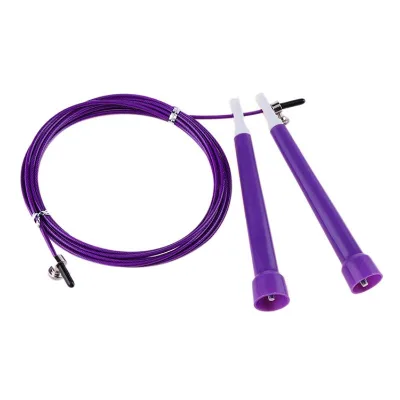


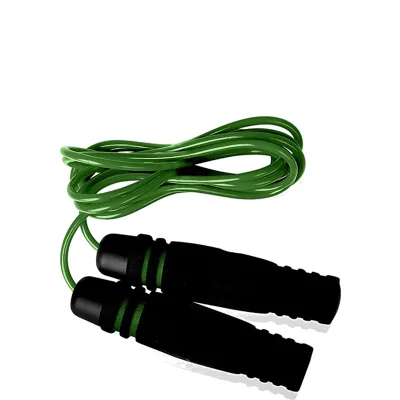
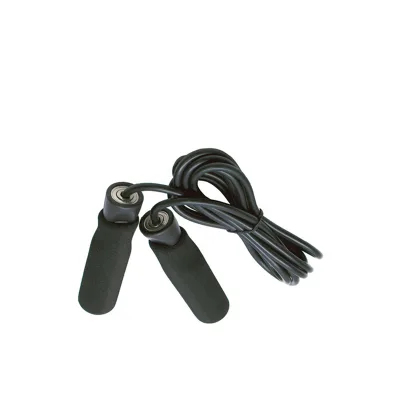
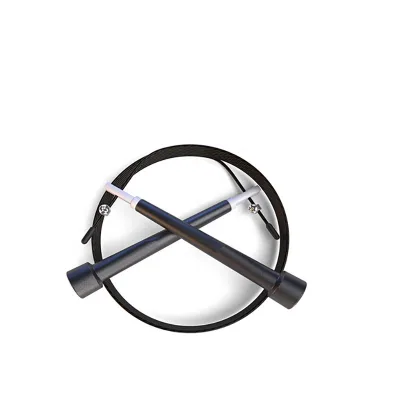


Comprehensive Sourcing Guide
Silent Adjustable Jump Rope Sourcing Guide
Sourcing silent adjustable jump ropes requires a careful balance between acoustic performance, durability, and cost efficiency. These ropes are primarily designed for indoor fitness environments, home gyms, and commercial training facilities where noise reduction is critical to avoid disturbing neighbors or other users. The "silent" attribute typically refers to the rope material and construction, which minimizes the slapping sound against hard floors compared to traditional leather or thin wire ropes. Buyers must distinguish between marketing claims and actual acoustic dampening features, focusing on materials like PVC-coated steel or specialized plastic composites that offer both quiet operation and high tensile strength.
The adjustable nature of these ropes adds a layer of complexity to the procurement process, as the mechanism must withstand repeated length changes without slipping or breaking. This guide outlines the essential verification steps for sourcing these products, ensuring that buyers select suppliers who provide reliable customization, accurate specifications, and compliant documentation. By focusing on observable listing signals and technical details, procurement teams can mitigate risks associated with quality inconsistencies and ensure that the final product meets the specific needs of their target market.
Product Scope and Observed Listing Signals
The current market landscape for silent adjustable jump ropes shows a diverse range of product models, including GM2013, GM2017, GM2022, GM2025, GM2021, SP-JR51, and SP-JR62, as well as JR-003. These models vary in their specific configurations, with some offering standard lengths of 300cm or 3 meters, while others provide adjustable ranges such as 14-18cm for handle lengths. The observed price range spans from $0.47 to $8.00 USD, reflecting significant variation in material quality, branding, and packaging. Buyers should note that lower price points often correlate with basic plastic ropes without counters, whereas higher-end options may include weighted handles or premium packaging solutions.
Minimum Order Quantities (MOQs) typically range from 20 to 1000 pieces, with some suppliers specifying an MOQ of 100 pieces for customized orders. This flexibility allows buyers to test market demand with smaller initial orders before scaling up. The products are generally categorized as fitness accessories, with specific types including single skip ropes and weight skip ropes. Colors observed include black, red, and colorful options, catering to different aesthetic preferences. The absence of counters in many models suggests a focus on simplicity and cost-effectiveness, while the availability of OEM and logo customization indicates that many suppliers are equipped to handle branded orders for retail distributors.
Technical Specifications to Verify
When evaluating technical specifications, the rope material is a primary consideration, with plastic and cable options being common. The standard cable thickness observed is 8mm, which provides a balance between durability and swing speed. For plastic ropes, the standard dimensions often include a length of 3000mm with varying diameters such as 2.5mm or 4.8mm. Buyers should verify the handle length, which typically ranges from 14cm to 18cm, ensuring that the grip is comfortable for various hand sizes. The "fast speed" attribute associated with feather-like or lightweight designs is crucial for high-intensity interval training, where rapid rotation is required.
Adjustability mechanisms must be robust to prevent slippage during use. The "length adjustment" feature should be tested for ease of use and security, ensuring that the rope stays at the desired length even under tension. Some models specify a standard of 38mm*3M, which may refer to the handle diameter or a specific component dimension. It is essential to confirm whether the rope is non-smart, as this simplifies maintenance and reduces the risk of electronic failure. Buyers should also check the packing specifications, which range from OPP bags to carton packaging, as this impacts shipping costs and product protection during transit.
Compliance and Safety Documentation
Compliance with international safety standards is non-negotiable for fitness equipment, particularly when products are sold in regulated markets. The observed certifications include CE, indicating conformity with health, safety, and environmental protection standards for products sold within the European Economic Area. Additionally, certificates such as Ca 65 and Reach are mentioned, which are critical for products containing chemicals that may pose risks to human health. Ca 65 refers to California’s Proposition 65, requiring warnings for exposure to chemicals known to cause cancer or reproductive toxicity, while Reach ensures that substances of very high concern are managed properly in the EU.
Buyers must request valid certification documents from suppliers to verify that these standards are met. It is important to note that certifications are often model-specific, so the GM2013 or SP-JR51 models may have different compliance statuses. The origin of the products, listed as Jiangsu, Shandong, or Zhejiang in China, does not automatically guarantee compliance, as manufacturing practices can vary between factories. Procurement teams should ensure that the supplier provides up-to-date test reports and that the certifications are issued by recognized third-party laboratories. This due diligence protects the buyer from legal liabilities and ensures that the products can be legally imported and sold in target markets.
Cost Drivers and Commercial Terms
Several factors influence the final cost of silent adjustable jump ropes, including material selection, customization requirements, and packaging. The use of plastic versus cable materials significantly impacts the unit price, with plastic options generally being more cost-effective. Customization, such as adding a specific logo or color, may incur additional setup fees or increase the MOQ. The observed payment terms include PayPal and TT (Telegraphic Transfer), which are standard for international trade. Buyers should negotiate clear payment terms to manage cash flow and mitigate financial risk, especially for larger orders.
Packaging plays a role in the total landed cost, as bulkier packaging increases shipping expenses. Options range from individual OPP bags to carton packaging, with some suppliers offering eco-friendly or branded packaging solutions. The selling unit is typically a single item, but bulk pricing may be available for larger quantities. Buyers should consider the total cost of ownership, including shipping, duties, and potential returns, rather than just the unit price. Understanding the cost drivers allows for more accurate budgeting and helps in identifying suppliers who offer the best value for money without compromising on quality or compliance.
Supplier Qualification and Quality Control
Supplier qualification is a critical step in ensuring a reliable supply chain. Buyers should verify the supplier’s manufacturing capabilities, including their production capacity and quality control processes. The acceptance of OEM orders suggests that many suppliers have the infrastructure to handle customized production runs. However, buyers must assess the supplier’s track record for consistency and reliability. This can be done by reviewing past performance, requesting samples, and conducting factory audits if possible. The ability to provide customized logos and colors indicates flexibility, but it also requires strict quality control to ensure that branding elements are applied correctly.
Quality control measures should include pre-production samples, in-line inspections, and final random inspections. Buyers should define clear acceptance criteria for product attributes such as rope length, handle durability, and acoustic performance. The "without counter" attribute simplifies quality checks, as there are fewer mechanical components to fail. However, the adjustability mechanism must be tested for longevity and ease of use. Establishing a robust quality control plan helps to minimize defects and ensures that the products meet the buyer’s specifications. Regular communication with the supplier and clear documentation of requirements are essential for maintaining quality standards throughout the production process.
Long-Term Procurement Checks
Long-term procurement success depends on continuous monitoring of supplier performance and market trends. Buyers should establish key performance indicators (KPIs) to track delivery times, product quality, and responsiveness. Regular reviews of supplier performance help to identify potential issues early and allow for corrective actions. The fitness equipment market is dynamic, with new materials and designs emerging frequently. Buyers should stay informed about industry developments to ensure that their product offerings remain competitive. This includes monitoring changes in consumer preferences for silent ropes and adjustable features.
Sustainability and ethical sourcing are becoming increasingly important in procurement decisions. Buyers should consider the environmental impact of the materials used, such as plastic ropes, and explore options for more sustainable alternatives if available. Additionally, ensuring that suppliers adhere to ethical labor practices is crucial for maintaining brand reputation. Long-term relationships with suppliers can lead to better pricing, priority production, and collaborative innovation. By focusing on these strategic aspects, buyers can build a resilient supply chain that supports their business goals and meets the evolving needs of their customers.
FAQs
Can I customize the logo on the jump rope?
Yes, customized logos are available for this product. The listing confirms that logo customization is an option, allowing buyers to add their branding to the plastic rope or handles for wholesale orders.
What is the minimum order quantity for this item?
The minimum order quantity is 100 pieces for this specific model. Some listings indicate an MOQ range of 20 to 1000 units, so buyers should verify the exact requirement with the supplier before placing an order.
Which certifications does the jump rope hold?
The product holds CE certification and complies with Ca 65 and Reach standards. These certifications indicate that the plastic materials and manufacturing processes meet specific safety and regulatory requirements for international markets.
How long is the adjustable rope length?
The rope length is adjustable and typically measures 3 meters or 300 centimeters. Specific models feature a standard length of 3000mm with varying widths, allowing users to adjust the rope for different heights and workout styles.
What materials are used for the rope and handles?
The rope is made of plastic material, and the handles are designed for speed and durability. The product is classified as a single skip rope or weight skip rope, with handle lengths ranging from 14 to 18 centimeters.
Where are these jump ropes manufactured?
These jump ropes are manufactured in China, specifically in Jiangsu, Shandong, and Zhejiang provinces. The origin location varies by supplier, but all listed products originate from these specific Chinese manufacturing regions.
What packaging options are available for bulk orders?
Packaging options include carton boxes, OPP bags, or individual plastic packing. Buyers can choose between single item OPP bag packaging or bulk carton packing depending on their shipping and storage requirements.