Source Silicone Dashboard Wireless Charger Mat for Cars, Offices, Gifts
Compare 30 listings for the Silicone Dashboard Wireless Charger Mat designed for Tesla and universal vehicles. Buyers can evaluate materials, charging speeds, and customization options to find the best fit for car interiors, office desks, or promotional gifts.
Key considerations
Products List


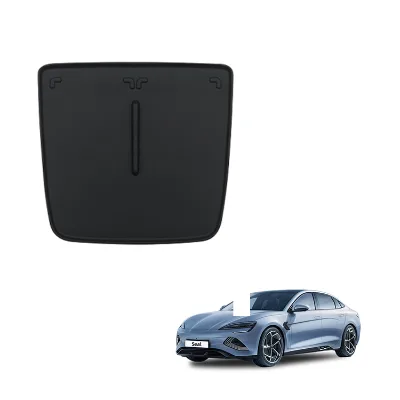


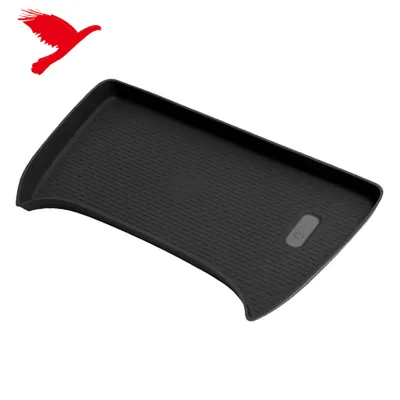


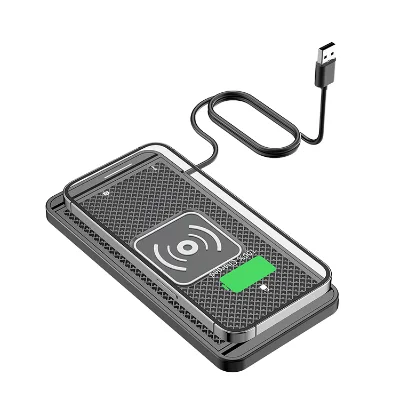


Comprehensive Sourcing Guide
Strategic Sourcing Guide for Silicone Dashboard Wireless Charger Mats
Understanding Product Specifications and Material Integrity
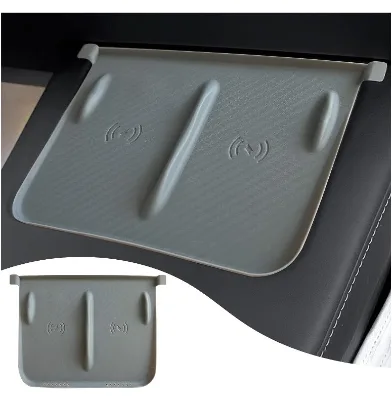
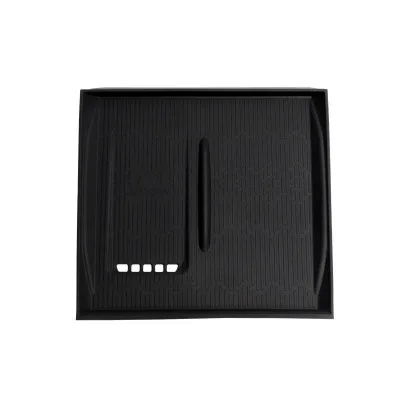
When sourcing a Silicone Dashboard Wireless Charger Mat, the primary focus must be on the intersection of material composition, functional design, and vehicle compatibility. Based on current market observations, the core material for these units is consistently identified as silicone or rubber, selected for its durability and ability to withstand the thermal fluctuations inherent in a vehicle dashboard environment. The product attributes indicate a specific application as a "Wireless Charging mat" designed for the "Dashboard" position, ensuring that the device remains stable during vehicle operation.
The material choice is critical not only for grip but also for heat dissipation. Silicone is frequently cited in this category due to its flexibility and resistance to deformation under high temperatures, which is a common occurrence when wireless charging pads are actively transferring power to mobile devices. The observed product range includes variations in color, specifically Black, Pink, Gray, and White, allowing buyers to match the interior aesthetics of specific vehicle models. For instance, listings specifically targeting the Tesla Model 3 and Model Y indicate a high degree of customization in fitment, with models designed for the years 2019 through 2023. This suggests that successful procurement requires verifying the exact model year and vehicle generation, as the dashboard geometry varies significantly between manufacturers and even within the same brand over time.
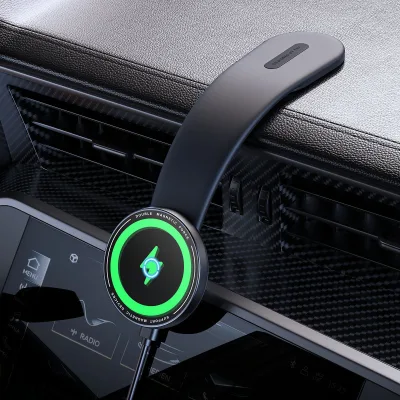
Furthermore, the functional design often includes features such as "Flexible," "Folding," and "Magnetic" properties. These attributes are not merely cosmetic; they address the practical challenge of securing a charging mat on a slanted or textured dashboard surface. The "Magnetic" feature, in particular, suggests a mechanism to hold the device in place, preventing it from sliding during sudden stops or turns. Buyers should verify that the magnetic strength is sufficient to hold the intended device weight without interfering with the wireless charging coil alignment. The product type is generally described as a "full set," implying that the purchase may include necessary cables, mounting hardware, or adhesive components required for a complete installation.
Technical Performance and Charging Capabilities
The technical performance of a dashboard wireless charger mat is defined by its ability to deliver consistent power while managing heat and ensuring compatibility with modern smartphones. The observed product data highlights "Quick Charging Function" as a standard feature, which is essential for users who need rapid power replenishment during short trips. The power source is universally listed as "Electric," drawing power from the vehicle's 12V system, typically via a USB-C connection or a dedicated car charger interface.
A critical technical specification to evaluate is the charger cable length. Market observations indicate that cable lengths are often less than 4 feet. This constraint is significant for procurement because it dictates the routing options within the vehicle. A shorter cable may require precise placement of the charging mat to avoid tension on the connection point, which could lead to premature wear or disconnection. Buyers must assess whether the included cable length is sufficient for their specific vehicle's dashboard layout or if an extension cable will be necessary, which could introduce additional points of failure.
The charging mechanism itself is described as "Wireless," with specific references to "Magnetic Suction Charger" and "Wireless Charging Pad" technologies. The magnetic aspect is particularly relevant for newer smartphone ecosystems that rely on magnetic alignment for optimal charging efficiency. The product specifications also note a "Display: Without Display" feature, meaning the unit relies on indicator lights or the connected device's screen for status updates. This simplifies the user interface but requires buyers to ensure that the charging status is easily verifiable without looking away from the road.
Compatibility is another paramount technical consideration. While some units are branded specifically for "Tesla" models, others are listed as "Universal" or "Compatible Brand: iPhone." This dichotomy presents a sourcing challenge: a universal mat may offer broader application but potentially lower efficiency if the magnetic alignment is not optimized for specific phone models. Conversely, a Tesla-specific mat ensures a perfect fit but lacks versatility. Buyers must determine if their procurement strategy requires a fleet-wide solution or a specialized accessory for specific vehicle models. The "Side Number: Single Sided" attribute confirms that these mats are designed for top-down charging, which is the standard configuration for dashboard installations.
Cost Drivers and Pricing Dynamics
The pricing structure for silicone dashboard wireless charger mats is influenced by a complex interplay of material costs, manufacturing complexity, and customization requirements. The observed listed price range in the market spans from $1.14 to $100 USD. This wide variance indicates that the product category encompasses everything from basic, generic mats to high-end, branded solutions with advanced features. The lower end of the spectrum likely represents generic, non-branded units with standard silicone materials and basic charging capabilities. In contrast, the higher price points may reflect specialized designs for luxury vehicles, enhanced magnetic systems, or integrated features such as heating elements, which are noted in some product attributes as "Heated."
Material quality is a primary cost driver. High-grade silicone that offers superior heat resistance and flexibility commands a premium over standard rubber or lower-grade silicone compounds. Additionally, the "Customization" attribute plays a significant role in pricing. Products marked as "Customized" or offering "Customization: Available" will typically incur higher unit costs due to the setup fees and specialized tooling required for bespoke designs. Buyers seeking to brand these mats with their own logos or specific color schemes must factor in these additional costs, which can vary based on the order volume.
Order volume, represented by the Minimum Order Quantity (MOQ), is another critical factor. The observed MOQ range is extensive, spanning from 1 set to 5000 units. This flexibility allows buyers to test the market with small quantities or commit to large-scale procurement for fleet operations. However, the unit price often decreases as the MOQ increases, a standard economic principle in B2B manufacturing. Buyers should analyze the price-per-unit curve to determine the optimal order size that balances inventory costs with per-unit savings. The "Selling Units: Single item" attribute suggests that some suppliers offer drop-shipping or retail-ready packaging, which may affect the final landed cost depending on the logistics strategy.
Shipping and logistics costs also contribute to the total cost of ownership. The observed shipping options include major carriers like FedEx, UPS, or DHL, with terms such as DDP (Delivered Duty Paid). DDP terms simplify the procurement process by consolidating shipping and customs duties into a single payment, but they often come at a higher price point compared to EXW (Ex Works) or FOB (Free on Board) terms. Buyers must calculate the total landed cost, including duties and taxes, to ensure the final price aligns with their budget constraints.
Supplier Evaluation and Geographic Considerations
Evaluating suppliers for silicone dashboard wireless charger mats requires a thorough understanding of the manufacturing landscape, particularly the geographic concentration of production. The product data reveals that the "Place of Origin" is predominantly in China, with specific mentions of Jiangsu, Guangdong, and Guangzhou. These regions are known for their robust electronics manufacturing ecosystems, offering a wide range of suppliers from small workshops to large-scale factories.
Guangdong, and specifically Guangzhou, is a major hub for consumer electronics and automotive accessories. Suppliers in this region often have access to advanced molding technology and a deep supply chain for electronic components. The presence of "Lead Time: 2~3 Work Days" for some products suggests that suppliers in these regions may have efficient production lines capable of rapid turnaround for smaller orders. However, buyers must verify if this lead time applies to stock items or if it represents a standard production cycle for custom orders. The "Delivery Time" of 7-9 or 15-18 work days further indicates the variability in shipping and customs clearance processes.
When evaluating potential suppliers, buyers should prioritize those who demonstrate transparency in their product attributes. The data shows a mix of "Customized" and "Non-Customized" options, indicating that some suppliers offer flexible manufacturing capabilities. A supplier that can provide both standard and custom solutions is often more valuable, as it allows for scalability and adaptation to changing market demands. Buyers should also look for evidence of consistent quality control, as the "Material" and "Feature" attributes suggest a high degree of variation in product performance.
Geographic location also impacts communication and logistics. Suppliers in Jiangsu and Guangdong are well-established in international trade, but buyers should still verify the specific capabilities of each vendor. The "Brand Name" attribute often lists "for tesla" or generic terms, which may indicate that the supplier is an OEM (Original Equipment Manufacturer) or ODM (Original Design Manufacturer) rather than a branded retailer. This distinction is important for buyers who wish to establish their own brand identity or source private-label products.
Compliance, Certification, and Quality Assurance
Ensuring compliance and quality is paramount when sourcing automotive accessories, as these products are subject to rigorous safety and performance standards. While the provided product data does not explicitly list specific certification numbers, buyers must verify that the products meet relevant international standards for automotive electronics. This includes compliance with electromagnetic compatibility (EMC) regulations to ensure the charger does not interfere with the vehicle's electronic systems.
The "Standard" attribute in the data references dimensions (2982106.8mm), which serves as a baseline for physical compliance but does not cover electrical safety. Buyers should request documentation confirming that the wireless charging mats adhere to standards such as Qi certification, which ensures interoperability and safety for wireless charging devices. Additionally, the "Material" being silicone or rubber implies a need for verification regarding flammability and toxicity, particularly since the product is installed in a vehicle where it will be exposed to direct sunlight and heat.
Quality control processes should be a key part of the supplier evaluation. The "Feature" list includes "Easy Install," which suggests that the product design must be robust enough to withstand installation without damage. Buyers should inquire about the supplier's quality assurance protocols, including in-process inspections and final testing procedures. The "Packing" attribute, listed as "OPP Bag," indicates a basic packaging standard, but buyers may require more robust packaging for bulk shipments to prevent damage during transit.
For products intended for specific markets, such as the United States or Europe, buyers must ensure that the suppliers are aware of and compliant with local regulations. This includes voltage compatibility, as the "Power Source" is listed as "Electric," but the specific voltage requirements may vary by region. The "Quick Charging Function" also requires verification to ensure that the charging speed meets the advertised specifications without overheating the device or the vehicle's electrical system.
Long-Term Procurement and Application Strategy
Long-term procurement of silicone dashboard wireless charger mats requires a strategic approach that balances immediate needs with future scalability. The "Application" is listed as "Office" and "Wireless Charger Mat," suggesting versatility beyond just automotive use. This dual-purpose capability can be a significant advantage for buyers looking to diversify their product offerings or create a unified supply chain for multiple use cases.
The "Year" attribute, ranging from 2019 to 2023, highlights the importance of staying current with vehicle model updates. As car manufacturers release new models with updated dashboard designs, the demand for specific fitment mats will evolve. Buyers should establish a relationship with suppliers who can adapt their product lines to accommodate new vehicle models, ensuring a continuous supply of compatible accessories.
The "Style" attribute, described as "Creative," indicates that aesthetic trends play a role in product selection. Buyers should monitor market trends to ensure that the colors and designs they source remain relevant to consumer preferences. The availability of colors like Pink, Gray, and Black suggests that buyers can offer a range of options to cater to different tastes, but they must manage inventory carefully to avoid overstocking less popular colors.
Finally, the "Usage" as a "Gift" suggests that these products have potential in promotional or corporate gifting markets. Buyers exploring this avenue should consider the packaging and branding options available. The "Customization" feature allows for the addition of logos or messages, making these mats an attractive option for corporate events or marketing campaigns. By integrating these products into a broader strategy, buyers can maximize the value of their procurement efforts and build long-term relationships with suppliers who can support diverse business needs.
FAQs
What materials are used for the dashboard wireless charger mat?
The mats are primarily made from silicone or rubber to ensure durability and heat resistance. These materials provide flexibility and prevent sliding on the dashboard surface during vehicle operation.
Which vehicle models are compatible with these wireless charging mats?
Specific models are designed for Tesla vehicles from 2019 to 2023, including Model 3 and Model Y. Other listings indicate universal fitment suitable for various car brands beyond Tesla.
Can the product support quick charging functions for mobile devices?
Yes, the units feature a quick charging function to rapidly replenish device power during short trips. The power source is electric, typically drawing from the vehicle's 12V system via a USB-C connection.
What is the minimum order quantity for purchasing these mats?
The minimum order quantity ranges from 1 set up to 5000 units depending on the supplier. This flexibility allows buyers to test the market with small quantities or commit to large-scale fleet operations.
How long does it take to receive the order after placing it?
Lead times can be as short as 2 to 3 work days for production, with delivery taking 7 to 18 work days. Shipping costs may include FedEx, UPS, or DHL with DDP terms for convenience.
Are custom colors and designs available for these wireless mats?
Customization is available for specific orders, allowing for unique color schemes like black, pink, gray, or white. Some products are non-customized, so buyers must verify the customization option before ordering.
What is the typical price range for a Silicone Dashboard Wireless Charger Mat?
The listed price range spans from 1.14 to 100 USD based on features and customization levels. Lower prices often reflect generic units, while higher prices may include advanced magnetic systems or heating elements.