Source Silicone Dental Impression Putty for Orthodontics
Source Silicone Dental Impression Putty from 30 verified listings. Compare key specifications such as working time, curing speed, and material composition to find the right fit for your orthodontic and dental health needs; compare the available evidence and request quotations based on your requirements.
Key considerations
Products List
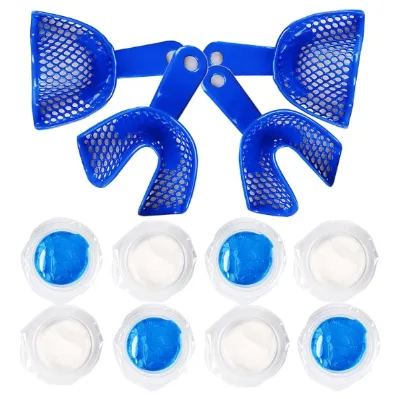
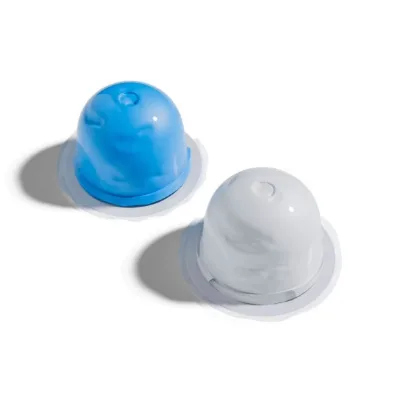


60 Shore a Skin Safe Addition Dental Silicone Putty Silicone Impression Putty
$16.85 - $19.85
MOQ: 20 kg


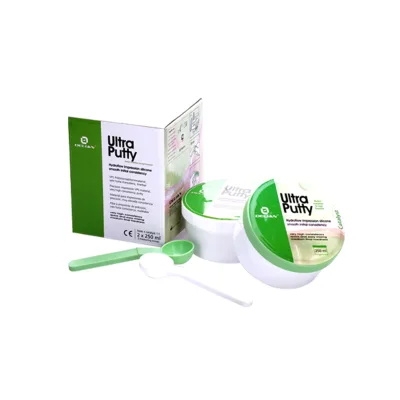
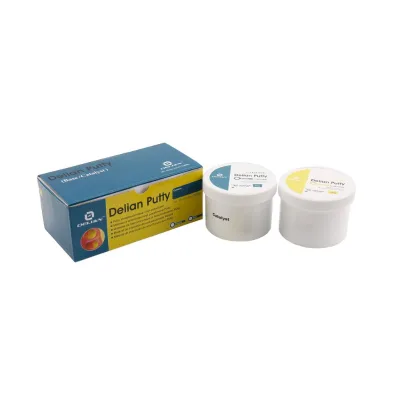
Delian a Silicone Series Ultra Putty Dental Impression Material Putty
$20.34 - $40.68
MOQ: 100 Minimum
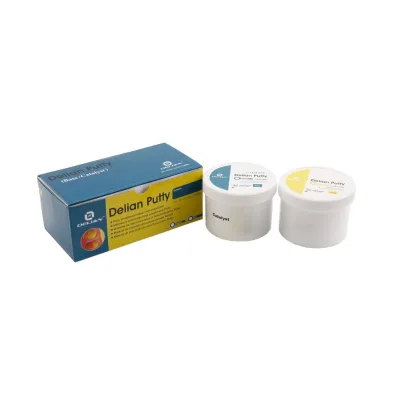




Comprehensive Sourcing Guide
Silicone Dental Impression Putty Sourcing Guide
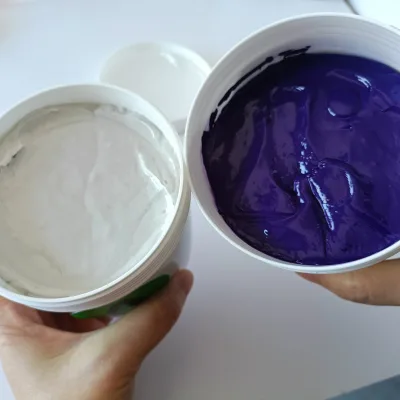
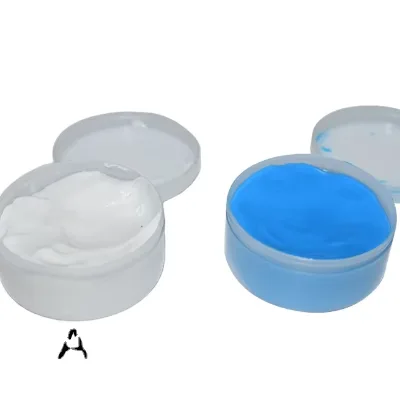
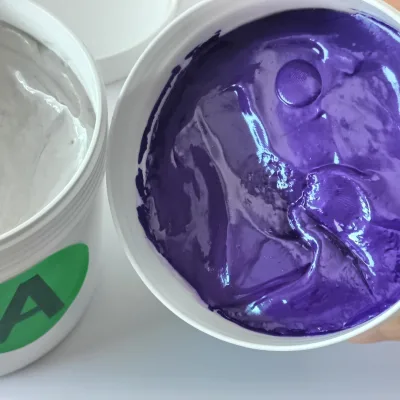
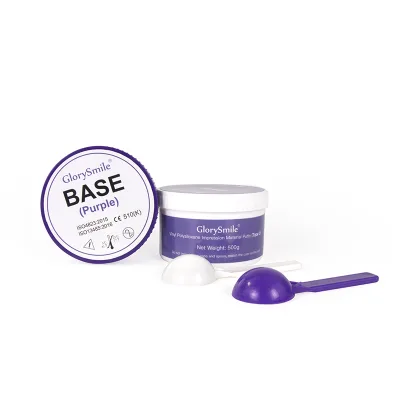
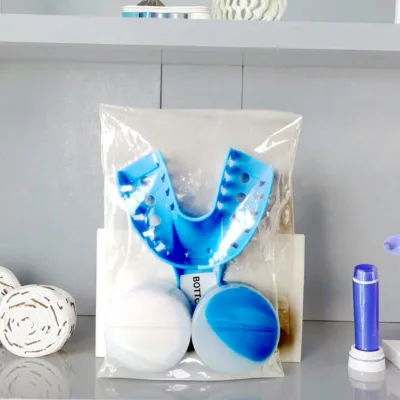
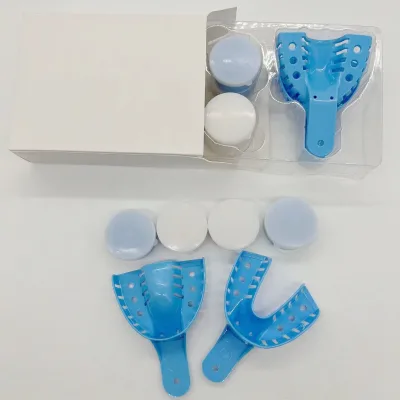
Procurement professionals must first distinguish between general industrial silicone and specialized dental-grade impression materials, as the latter requires strict biocompatibility and dimensional stability. The observed market listings indicate a primary focus on orthodontic and dental health applications, with specific product attributes highlighting a white and blue color scheme for base and accelerator components. Buyers should verify that the supplier explicitly categorizes the item under dental health materials rather than generic industrial rubber, ensuring the formulation meets clinical handling requirements.
The product scope extends to customized OEM services, allowing clinics to brand the packaging with their own logos while maintaining the core material integrity. Listings show a mix of single-item selling units and bulk packaging options, with sizes ranging from 25g to 30g per unit. Sourcing teams must confirm that the "High-Quality Standard" claim is backed by specific test data for compressive deformation and shrinkage, as these metrics directly influence the accuracy of the final dental cast or model.
Product Scope and Observed Listing Signals
Buyers should analyze the observed price range of 0.85 to 60.57 USD to understand the variance between basic generic supplies and premium, clinically validated products. This wide disparity often reflects differences in material purity, such as the distinction between standard synthetic rubber and high-grade organic silicone rubber. Procurement strategies must account for these tiers, ensuring that the selected price point aligns with the required clinical precision for orthodontic procedures rather than general household or industrial use.
The observed minimum order quantities (MOQ) vary significantly from 1 to 200 units, offering flexibility for small clinics and large distributors alike. However, specific listings indicate an MOQ of 2 units for certain models, suggesting that even small trial orders are feasible for quality verification. Buyers must carefully review the single package dimensions, which range from 11x7x3 cm to 15x15x5 cm, to calculate accurate shipping costs and storage requirements for their specific logistics network.
Technical Specifications to Verify
Verification of the working time is critical, as observed data points to a range of 60 to 90 seconds at 23°C, which dictates the clinical workflow efficiency. Procurement teams must confirm that the specific batch meets the required pot life of 1.5 to 2 minutes and a curing time of 3 to 5 minutes to ensure the material sets correctly within the patient's mouth. Inconsistent working times can lead to premature setting or extended chairside time, directly impacting patient comfort and clinic throughput.
Dimensional stability metrics, including a maximum compressive deformation of less than 1.0% and a shrinkage rate of 0.1%, are essential for accurate dental impressions. Buyers should request test reports confirming the hardness falls within the 60 to 70 Shore A range and that the tensile strength and elongation at break meet the specified thresholds of 2.5 MPa and 250% respectively. These physical properties ensure the material captures fine details without tearing or distorting during removal from the oral cavity.
Compliance and Safety Documentation
Safety compliance is non-negotiable for dental materials, requiring verification of MSDS documentation and adherence to RoHS and REACH standards for chemical safety. The supply chain must demonstrate that the raw materials, whether synthetic or organic silicone, are free from harmful substances that could pose risks to patients or dental staff during handling. Buyers should explicitly request the latest safety data sheets to confirm that the product formulation aligns with current international health and safety regulations.
While some background information mentions CE certification, procurement teams must treat this as a variable attribute rather than a guaranteed standard for every listed product. It is imperative to request specific certification documents for the exact model number, such as MC-SP65, to ensure the batch has undergone the necessary regulatory scrutiny. Relying on general category knowledge without verifying specific batch documentation can expose the buyer to liability and clinical safety risks.
Cost Drivers and Commercial Terms
The final cost of procurement is heavily influenced by the customization options available, such as logo printing and OEM packaging, which add value but increase the unit price. Buyers must evaluate whether the cost of branding justifies the expense based on their market positioning and volume requirements. The mix ratio of 1:1 is a standard feature that simplifies the mixing process, but any deviation from this ratio in the supplied material can affect the final cure and mechanical properties.
Payment terms typically require a T/T transfer, and delivery times are observed to range from 5 to 12 working days from the point of order confirmation. Sourcing managers must factor in these lead times when planning inventory replenishment to avoid stockouts during critical clinical periods. Additionally, the shelf life of 12 months must be considered when calculating the economic order quantity, ensuring that the purchased stock remains viable and effective throughout the usage cycle.
Supplier Qualification and Quality Control
Supplier qualification should focus on the place of origin, with observed data pointing to manufacturers in Anhui and Guangdong, China, which are known hubs for medical device production. Buyers must verify the specific manufacturing location for each order to ensure consistency in quality control processes and material sourcing. The presence of a "High-Quality Standard" attribute should be validated through third-party audits or on-site inspections to confirm that the production environment meets medical-grade hygiene requirements.
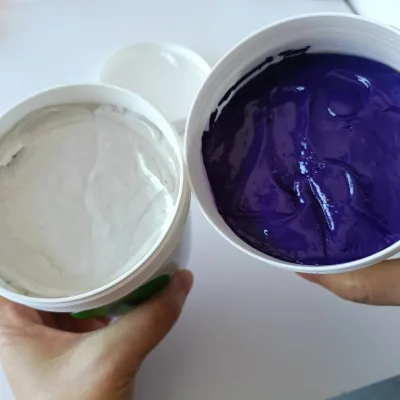
Quality control protocols must include rigorous testing of the single gross weight, which is observed at 0.150 kg, to ensure consistent dosing and material density. Procurement teams should implement a sampling plan that tests the color consistency of the putty base, which may appear in white, blue, green, or other variations, to prevent confusion during clinical application. Establishing a clear communication channel for reporting any deviations in physical properties or packaging integrity is essential for maintaining long-term supplier relationships.
Long-Term Procurement Checks
Sustained procurement success relies on monitoring the shelf life and storage conditions of the silicone impression putty over extended periods. Buyers should establish a system to track the expiration dates of incoming batches, ensuring that the 12-month shelf life is respected to maintain material performance. Regular re-testing of the curing time and hardness for older stock can prevent the use of degraded materials that might compromise the accuracy of dental impressions.
Continuous evaluation of supplier performance regarding delivery times and order accuracy is necessary to mitigate supply chain disruptions. As the market for dental materials evolves, buyers must remain vigilant for updates in material standards or new regulatory requirements that could impact the current product specifications. Maintaining a diverse supplier base and regularly reviewing the technical specifications of alternative products ensures resilience against potential shortages or quality issues in the primary supply line.
FAQs
What is the hand working time for this dental putty?
The hand working time is approximately 60 to 90 seconds at 23°C. This allows sufficient time for mixing and placement before the material begins to set. It ensures accurate impression capture without rushing the clinical procedure.
What materials are used in this impression putty?
The product is primarily made from silicone rubber and synthetic rubber. Some components may include stainless steel, plastic, or acrylic for packaging. These materials ensure durability and biocompatibility for dental applications.
Can I customize the logo and packaging for this product?
Yes, customized logo printing and OEM services are available. Buyers can request specific packaging designs to match their brand identity. This customization supports professional branding for dental clinics and laboratories.
What is the curing time for the silicone putty?
The curing time is typically 3 to 5 minutes. This rapid setting time facilitates efficient workflow in dental practices. It ensures the impression sets quickly while maintaining high detail and accuracy.
What certifications does this dental putty hold?
The product holds RoHS and REACH certifications. It also complies with MSDS standards. These certifications ensure the material meets safety and environmental regulations for medical and industrial use.
What is the minimum order quantity for this putty?
The minimum order quantity is 2 units. This low MOQ allows buyers to test the product quality before placing larger orders. It is suitable for small clinics or initial procurement trials.