Source Silicone U Type Heating Element for Furnaces, Ovens, and Insulation
Compare 30 listings for the Silicone U Type Heating Element with customizable dimensions, voltages, and temperatures. Buyers can evaluate specifications like resistance, packing, and certifications from suppliers in China; compare the available evidence and request quotations based on your requirements.
Key considerations
Products List


$20.00 - $200.00
MOQ: 6 Pieces

$20.00 - $200.00
MOQ: 6 Pieces

$10.00 - $200.00
MOQ: 6 Pieces


Better Quality Silicon Carbide Heating Elements, Sic Heating Elements, Sic Heater
$35.00 - $300.00
MOQ: 5 Pieces




Comprehensive Sourcing Guide
Silicone U Type Heating Element Sourcing Guide
Procuring silicone U type heating elements requires careful attention to the specific thermal profiles and mechanical constraints of your application. These flexible heating solutions are often utilized in environments demanding uniform heat distribution across irregular surfaces, such as medical devices, food processing equipment, and industrial drying systems. Buyers must distinguish between standard silicone rubber heaters and those designed for extreme thermal conditions, as the material composition directly influences longevity and safety margins.
The observed market data indicates a wide variance in product attributes, ranging from compact 20x20 mm units to larger custom configurations. While some listings highlight a temperature range of -30 to 260 degrees Celsius, others specify high-temperature capabilities up to 1400 degrees Celsius for specialized ceramic or non-metallic structures. This discrepancy necessitates a rigorous verification process where buyers must confirm the exact operating temperature limits and insulation resistance values before finalizing any purchase order to ensure compatibility with their specific machinery.
Product Scope and Observed Listing Signals
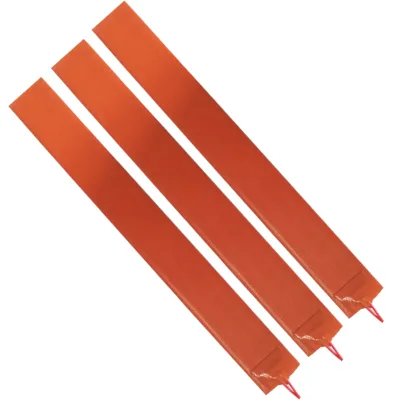
The product scope for silicone heating elements encompasses a diverse array of shapes, sizes, and power ratings, with U-shaped configurations being particularly common for wrapping around cylindrical components. Listings frequently mention customizable dimensions, with wire lengths available in standard 200mm increments or tailored to specific project needs. The color of these elements often varies, with orange and grey being observed options, though the visual appearance should not be mistaken for a definitive indicator of thermal performance or material grade.
Buyers should note that the observed price range spans from $0.05 to $380, reflecting significant differences in material quality, power density, and customization levels. Minimum order quantities also fluctuate widely, from single units to batches of 1000, suggesting that suppliers cater to both prototyping needs and large-scale industrial deployment. It is critical to scrutinize the listed specifications for the "U shape" model designation and verify if the advertised dimensions match the physical requirements of your assembly, as generic listings may not account for the precise curvature needed for a secure fit.
Technical Specifications to Verify
Technical verification must begin with the electrical parameters, specifically the voltage and power deviation, which are critical for system stability. While some products list a broad voltage range of 12 to 380V, others indicate customized voltage requirements, meaning the buyer must explicitly define their power supply constraints to avoid compatibility issues. The power deviation is typically cited as ±5%, a standard tolerance that ensures consistent heating output, but this figure should be validated against the specific load conditions of your application to prevent overheating or under-performance.
Thermal and mechanical specifications are equally vital, particularly the insulation resistance and maximum operating temperature. Data suggests an insulation resistance of at least 50 megaohms, a baseline that protects against electrical leakage and ensures operator safety. Furthermore, the thickness of the heating element, observed between 1.5 and 4 mm, impacts both flexibility and heat transfer efficiency. Buyers must confirm that the selected thickness aligns with the thermal mass requirements of the target object, ensuring rapid response times without compromising the structural integrity of the silicone matrix.
Compliance and Safety Documentation
Compliance documentation serves as the primary evidence of a supplier's adherence to international safety and quality standards. The observed market data includes certifications such as RoHS and CE, which indicate that the products meet specific environmental and safety directives for the European market. Additionally, ISO9001 certification is frequently cited, suggesting that the manufacturing processes are managed under a recognized quality management system. However, buyers must request current, valid certificates for each batch, as the presence of a certification on a listing does not guarantee that every unit produced meets these rigorous standards.
Safety verification extends beyond standard certifications to include specific material grades and thermal stability ratings. Some listings reference high-temperature grades capable of withstanding 1700 to 1800 degrees Celsius, which implies the use of specialized non-metallic materials rather than standard silicone rubber. It is essential to distinguish between standard silicone heaters and high-temperature ceramic or tubular heat exchangers, as the safety protocols and handling requirements differ significantly. Buyers should demand detailed material safety data sheets (MSDS) to confirm the chemical composition and thermal limits of the insulation materials used.
Cost Drivers and Commercial Terms
The cost of silicone heating elements is driven primarily by the level of customization, material grade, and the complexity of the manufacturing process. Customized dimensions, voltages, and wire lengths often incur higher unit costs compared to standard off-the-shelf items. The observed minimum order quantity (MOQ) ranges from 1 to 1000 units, meaning that smaller orders may carry a premium per unit due to setup costs, while larger volumes can leverage economies of scale to reduce the overall price. Buyers should negotiate based on their projected annual volume to secure more favorable pricing tiers.
Commercial terms also include packaging and logistics considerations, which can impact the final landed cost. Packaging options vary from cartons and boxes to wooden cases with foam board or plastic foam wrapping, depending on the fragility and size of the element. These packaging choices are not merely aesthetic but are critical for protecting the heating elements during transit, especially for custom-shaped units that may be prone to damage. Buyers must clarify who bears the cost of specialized packaging and ensure that the shipping terms align with their inventory management strategy to avoid unexpected expenses.
Supplier Qualification and Quality Control
Supplier qualification requires a thorough assessment of their manufacturing capabilities and quality control protocols. The observed product origins include locations in Zhejiang and Henan, China, regions known for their industrial manufacturing bases. Buyers should verify the supplier's production capacity and their ability to maintain consistency across large batches, particularly when dealing with customized specifications. A supplier with ISO9001 certification is a strong starting point, but on-site audits or third-party quality inspections may be necessary to validate their actual production standards and process controls.
Quality control measures should focus on the consistency of key performance indicators such as power deviation, insulation resistance, and thermal efficiency. Some listings claim thermal efficiencies of over 95%, a metric that should be verified through independent testing or certified test reports. Buyers must establish clear acceptance criteria for incoming goods, including visual inspections for defects and electrical testing for resistance and leakage. Implementing a robust incoming quality control process ensures that only products meeting the specified technical and safety requirements are integrated into the final assembly.
Long-Term Procurement Checks
Long-term procurement success depends on establishing a reliable supply chain that can adapt to changing production needs and technological advancements. Buyers should maintain open communication channels with suppliers to monitor updates in material science and manufacturing techniques that could improve product performance or reduce costs. Regular reviews of supplier performance, including delivery times, defect rates, and responsiveness to technical queries, are essential for maintaining a high standard of supply chain reliability.
Continuous monitoring of product lifecycle and replacement strategies is also crucial for long-term operations. As equipment ages, the demand for replacement heating elements may increase, and the availability of specific custom models must be assured. Buyers should negotiate long-term agreements that include provisions for price stability and priority production slots. Additionally, staying informed about regulatory changes and emerging safety standards ensures that the procurement strategy remains compliant and that the heating elements continue to meet the evolving safety requirements of the industry.
FAQs
What is the standard voltage range for silicone u type heating elements?
The standard voltage range is 12-380V, with customized options available for specific applications. This flexibility allows integration into various industrial systems. The elements are designed for heater applications, ensuring reliable performance across different electrical setups while maintaining safety and efficiency standards.
Can silicone u type heating elements be customized in size?
Yes, customization is available for dimensions, including length, width, and height. The standard size is 20*20 mm, but buyers can request specific measurements. This adaptability ensures the heating elements fit precisely into unique equipment designs, providing tailored thermal solutions for diverse industrial needs.
What certifications do silicone u type heating elements typically hold?
These elements typically hold RoHS and CE certifications, ensuring compliance with international safety and environmental standards. Some products may also feature ISO9001 certification for quality management. These certifications verify that the manufacturing processes meet rigorous quality and safety requirements for global markets.
What is the operating temperature range for these heating elements?
The operating temperature range is -30 to 260 degrees Celsius. This wide range allows for versatile use in various heating applications. The elements maintain stable performance across this spectrum, making them suitable for both low-temperature and high-temperature industrial processes requiring precise thermal control.
How is the power deviation managed in silicone heating elements?
The power deviation is managed within plus or minus 5 percent. This tight tolerance ensures consistent heating performance and energy efficiency. By maintaining this precision, the elements provide reliable thermal output, reducing the risk of overheating or underheating in critical industrial applications and equipment.
What packaging options are available for shipping these heating elements?
Packaging options include cartons, wooden cases, and boxes with foam board. These methods protect the elements during transit, ensuring they arrive in perfect condition. The choice of packaging depends on the order size and shipping requirements, providing secure handling for delicate heating components.