Source Silicone Tennis Vibration Dampeners for Tennis, Training, Gifts
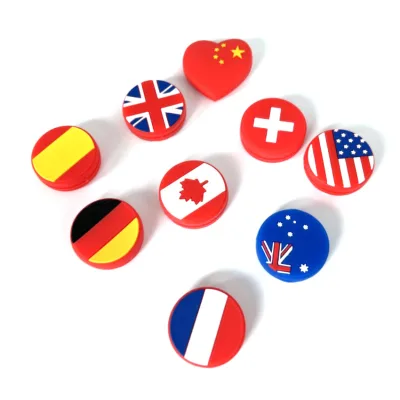
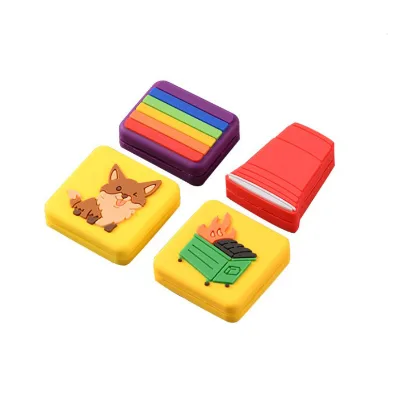
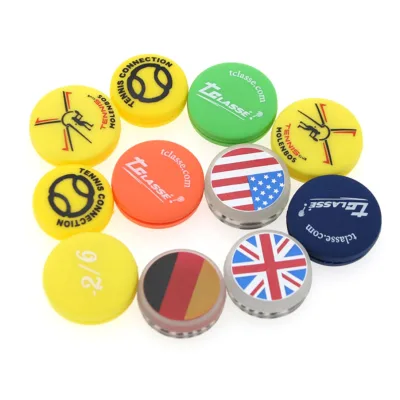
Compare 30 listings for Silicone Tennis Vibration Dampeners from suppliers in China. Buyers can review materials like PVC and rubber, sizes, and custom printing options for tennis, training, and promotional gifts.
Key considerations
Products List
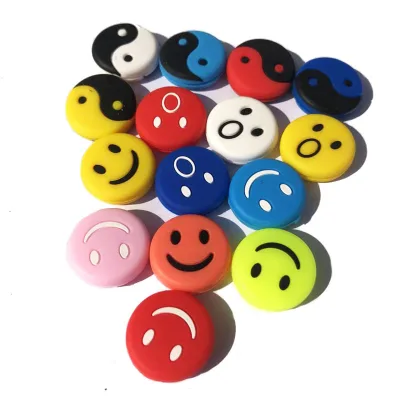
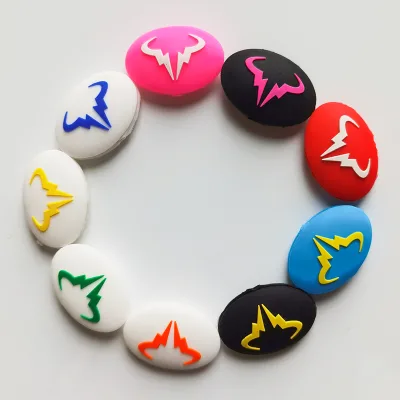
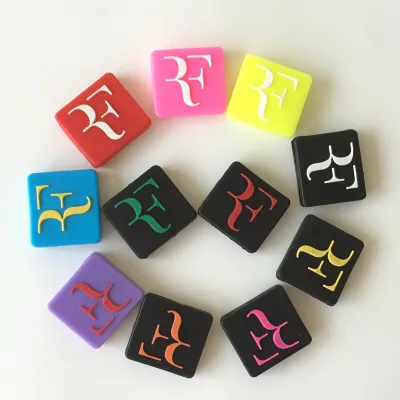
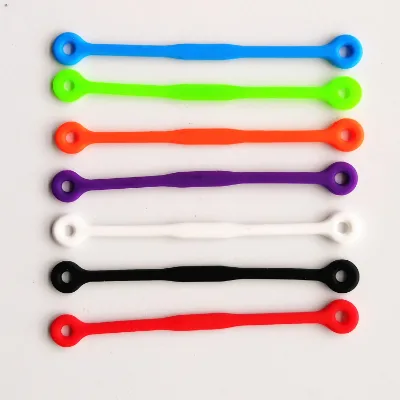
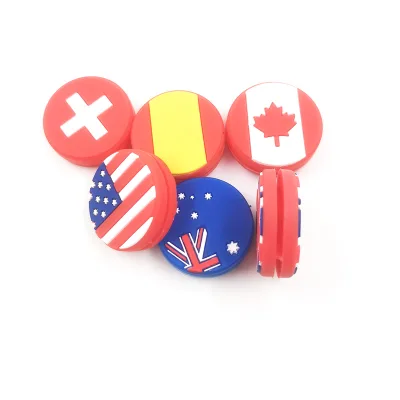


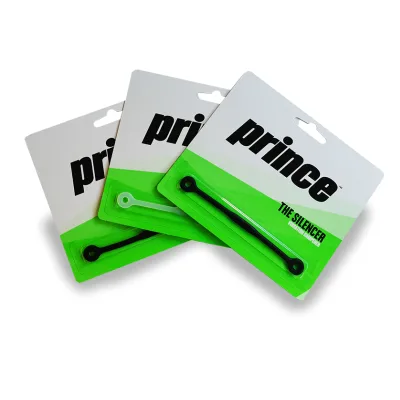
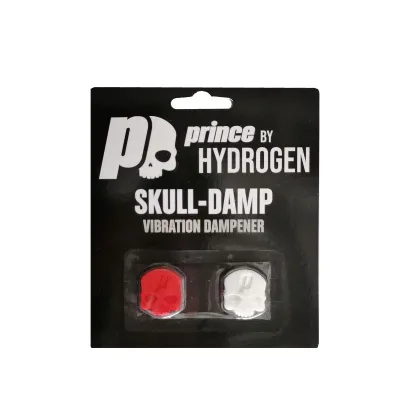
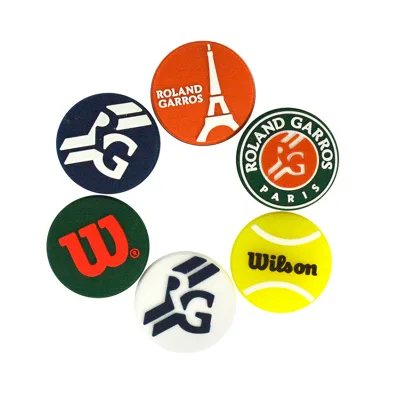


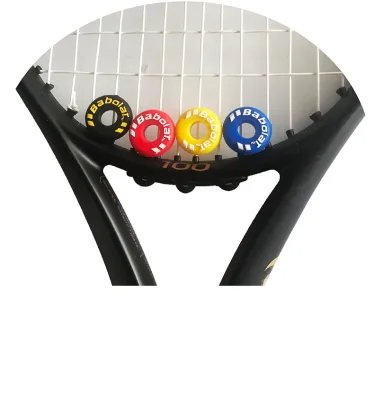
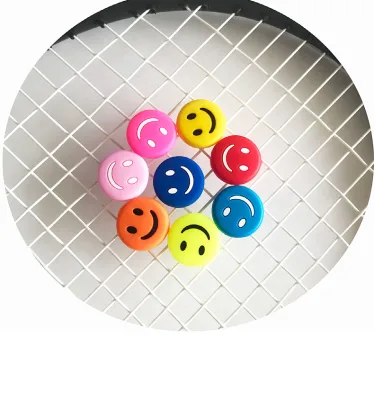
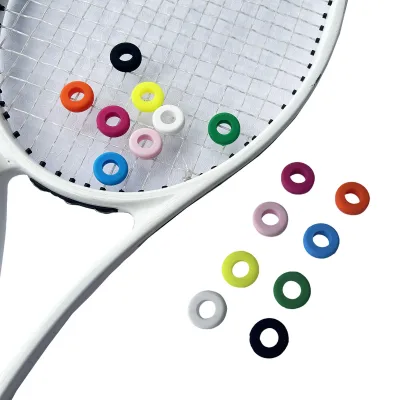


Comprehensive Sourcing Guide
Strategic Sourcing Guide for Silicone Tennis Vibration Dampeners
Procuring Silicone Tennis Vibration Dampeners requires a nuanced understanding of material science, manufacturing variability, and supply chain logistics. Unlike standard retail purchases, B2B procurement for these accessories involves evaluating diverse product attributes that often appear contradictory in supplier listings. The market presents a complex landscape where a single supplier may list products ranging from 2mm to 25mm in size, with materials varying between PVC, rubber, and pure silicone. This guide synthesizes observed market data to provide a disciplined framework for buyers, ensuring that procurement decisions are based on verified specifications rather than marketing generalizations.
Technical Specifications and Material Verification
The foundational step in sourcing silicone tennis dampeners is the rigorous verification of technical specifications. The core product, often identified by model numbers such as DK26032412 or GM2202, exhibits significant variance in physical dimensions. Buyers must distinguish between dampeners designed for specific racket string gauges and those intended for general use. Observed data indicates a size range from 2-3cm for standard models to specific dimensions like 25mm or 20mm for round shapes. This variation is critical because a dampener that is too large may interfere with the racket's frame, while one that is too small may fail to absorb vibration effectively.
Material composition is another pivotal technical factor. While the product category is defined as "silicone," supplier listings frequently cite a composite of PVC, rubber, and silicone. This discrepancy necessitates a clear definition of the required material purity. Pure silicone offers superior durability and a softer feel, which aligns with the "Soft" feature observed in certain listings. Conversely, PVC blends may offer different cost structures but could alter the tactile experience. Buyers should explicitly request material safety data sheets (MSDS) to confirm the absence of harmful plasticizers, particularly when targeting children or universal age groups. The "PMS match" color capability suggests a high level of customization, but the underlying polymer must be verified to ensure it meets the "Durable" and "Portable" claims without degrading under UV exposure or repeated impact.
Compliance, Certification, and Safety Standards
In the realm of sports equipment, compliance is not merely a regulatory hurdle but a brand protection mechanism. The observed market data includes references to standards such as ISO 14001, ISO 9001, and BSCI. However, these should be treated as background context rather than guaranteed attributes of every listed product. A supplier may claim adherence to ISO 9001:2015 for quality management or ISO 14001 for environmental management, but these certifications are facility-specific and not automatically transferable to every SKU.
Buyers must verify the specific certification status for the production batch they intend to purchase. The "Low-confidence" nature of these standards in the provided context means that a buyer cannot assume a product is compliant simply because the supplier lists the standard in their profile. Instead, the procurement strategy should involve requesting valid, current certificates of compliance for the specific manufacturing site. For products marketed to children, additional safety checks regarding non-toxic materials are essential. The "Custom brand" and "Logo" options imply a high degree of customization, which introduces variables in the printing process. Buyers should ensure that the printing methods, such as "Letterpress Printing" or "Die Cutting Printing," use inks that are safe for skin contact and do not flake off during play.
Cost Drivers and Pricing Dynamics
Understanding the cost structure of silicone tennis dampeners requires an analysis of the observed price range and minimum order quantities (MOQ). The market data reveals a striking price variance, with observed listed prices ranging from $0.08 to $14.10 USD. This wide disparity is not indicative of a single product line but rather reflects differences in material quality, customization levels, and order volume. The lower end of the spectrum likely corresponds to basic, unbranded units with standard colors, while the higher end may include complex custom packaging, PMS color matching, and specialized printing techniques.
MOQ is a significant driver of unit cost. The observed MOQ range spans from 2 units to 3000 units. A specific listing for a model with a "Rose Madder" color and "Waterproof" feature carries an MOQ of 3000 pieces, suggesting that specialized colors and features incur higher volume thresholds. In contrast, standard models may have an MOQ of 1000 pieces. Buyers must balance the desire for customization against the financial burden of high MOQs. The "Single gross weight" of approximately 0.01 kg to 0.016 kg indicates that shipping costs are generally low, but the volume of units required to meet MOQs can significantly impact total landed costs.
Typical Applications and Market Segmentation
Silicone tennis dampeners serve multiple applications beyond simple vibration reduction. The observed data categorizes these products for use in "Sports and Games," "Training and Team Building," "Thank You" Gifts, and "New Business Giveaways." This versatility allows buyers to target diverse market segments. For instance, the "Universal" and "Unisex" attributes make these products suitable for general retail, while the "Children" and "Adults" age group specifications allow for targeted marketing campaigns.
The application context also dictates the required features. For team building events, the "Waterproof" and "Durable" features are paramount to ensure the product withstands outdoor activities. In contrast, for corporate giveaways, the ability to apply a "Custom logo" and utilize "4 color" graphics is the primary value driver. The "Single package size" of 3x3x3 cm or 25x10x15 cm suggests that packaging can be optimized for different distribution channels, from individual retail blister packs to bulk boxes for corporate events. Understanding these application nuances helps buyers select the right product configuration for their specific end-user needs.
Supplier Evaluation and Geographic Considerations
Supplier evaluation must account for the geographic origins of the products. The data indicates production in both Fujian and Shanghai, China. While both regions are established manufacturing hubs, they may have different supply chain efficiencies and logistical advantages. Fujian is often associated with a robust network of rubber and silicone manufacturers, while Shanghai may offer more advanced printing and customization capabilities. Buyers should verify the specific place of origin for each order to ensure consistency in quality and to anticipate potential logistical challenges.
When evaluating suppliers, buyers should look beyond the "Brand Name" listed as "DEEK" or "Custom brand." The presence of a custom brand option suggests the supplier is capable of OEM (Original Equipment Manufacturer) services. However, the variability in model numbers (e.g., DK240808G vs. DK240909F) indicates that a single supplier may manage multiple product lines with different specifications. A robust supplier evaluation should include a request for a product matrix that clearly maps model numbers to specific attributes like size, material, and printing method. This transparency prevents the confusion that arises from listing generic attributes alongside specific product details.
Quality Control and Long-Term Procurement
Implementing a rigorous quality control (QC) protocol is essential for maintaining product integrity. The "Feature" attributes such as "Portable" and "Durable" must be validated through physical testing. Buyers should establish acceptance criteria for the "Soft" feel and the integrity of the "Color printing." Since the product is used in sports, the dampener must not degrade or lose its shape after repeated use. The "Single gross weight" and "Single package size" data points provide a baseline for QC checks; any significant deviation from these weights or dimensions could indicate a manufacturing defect or a change in material density.
Long-term procurement considerations involve managing the relationship with the supplier to ensure consistent supply. The "Season" attribute listing all four seasons suggests that these products are not seasonal items, allowing for year-round procurement. However, buyers should be mindful of the "Packing: custom packaging" requirement, as this can introduce lead time variability. Establishing a clear communication channel regarding packaging specifications and color matching (PMS) is crucial to avoid delays. Furthermore, maintaining a buffer stock of standard models while managing custom orders separately can mitigate the risk of supply chain disruptions.
Comparative Analysis of Product Attributes
To facilitate decision-making, the following table summarizes the key attributes observed in the market data, highlighting the variability buyers must navigate.
| Attribute Category | Observed Variance | Procurement Consideration |
|---|---|---|
| Material | PVC, Rubber, Silicone | Verify material purity; request MSDS for children's products. |
| Size | 2-3cm, 20mm, 25mm | Match to racket string gauge; avoid interference with frame. |
| MOQ | 2 to 3000 pcs | High MOQs (3000) often linked to custom colors/features. |
| Price | $0.08 - $14.10 USD | Price correlates with customization and material quality. |
| Printing | Letterpress, Digital, Die Cut | Ensure ink safety and color accuracy (PMS match). |
| Origin | Fujian, Shanghai | Verify specific factory location for logistics and quality. |
| Application | Sports, Gifts, Training | Align product features (e.g., waterproof) with use case. |
Conclusion
Sourcing Silicone Tennis Vibration Dampeners is a process that demands precision and a deep understanding of the product's diverse attributes. The market offers a wide array of options, from basic 2cm units to specialized 25mm models with custom branding. Buyers must navigate the complexities of material composition, certification status, and MOQ requirements to secure a supply chain that meets their specific needs. By focusing on verified technical specifications, rigorous quality control, and clear supplier communication, procurement professionals can mitigate risks and ensure the delivery of high-quality products that satisfy both functional and branding requirements. The variability in the market is not a barrier but an opportunity to tailor the product to the exact demands of the end-user, whether for competitive sports, corporate events, or general retail.
FAQs
What materials are used for silicone tennis dampeners?
Products are made from PVC, rubber, or pure silicone. Buyers should verify material purity via safety data sheets, especially for children's items, as listings vary between composite blends and pure polymer options.
Which sizes are available for these vibration dampeners?
Sizes range from 2-3cm to specific dimensions like 25mm or 20mm for round shapes. Selecting the correct size is critical to prevent interference with the racket frame while ensuring effective vibration absorption.
Can I order custom logo dampeners with specific colors?
Yes, custom logos and PMS color matching are available features. Buyers must confirm ink safety for skin contact and verify that printing methods like letterpress or die-cutting do not cause flaking during play.
What is the typical minimum order quantity for these items?
MOQs vary significantly from 2 units up to 3000 pieces depending on the model. Higher volume thresholds often apply to specialized colors like Rose Madder or features like waterproofing compared to standard unbranded units.
Where are these tennis dampeners manufactured?
Products originate from Fujian and Shanghai, China. Buyers should verify the specific factory location for each order to ensure consistent quality and to anticipate potential logistical differences between these manufacturing hubs.
How much do these dampeners cost per unit?
Listed prices range from $0.08 to $14.10 USD based on customization and material quality. Lower prices typically reflect basic unbranded units, while higher costs include complex packaging and specialized printing techniques.
Are these dampeners suitable for children and adults?
Yes, products are designed for universal, unisex use across children and adult age groups. Ensure non-toxic materials are confirmed for child safety, as some listings specifically target these demographics for sports and training.