Source Silicone Suction Plate for Vacuum, Industrial, and Household Use
Find and compare 30 listings for Silicone Suction Plate options tailored for vacuum handling, industrial machinery, and household appliances. Evaluate material properties like nitrile and silicone rubber, hardness ranges, and sealing effects to select the right component for your specific application needs.
Key considerations
Products List


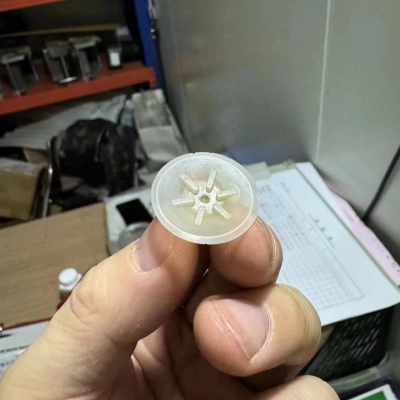


$0.60
MOQ: 1000 Pieces


Comprehensive Sourcing Guide
Silicone Suction Plate Sourcing Guide
Procuring silicone suction plates requires distinguishing between general sealing components and specialized vacuum handling tools. The available market data indicates a diverse range of products, including O-rings and custom-molded shapes, alongside specific items explicitly labeled as suction cups or pads. Buyers must carefully verify that the listed product matches the intended mechanical function, as some listings describe rotary seals or general fixture components rather than dedicated vacuum suction devices.
The observed product attributes reveal significant variation in material composition, with some items specified as nitrile rubber or natural rubber rather than silicone. While silicone is the core keyword, the supply chain includes transparent silicone options alongside black rubber sheets and other materials. Sourcing success depends on filtering listings to ensure the material is actually silicone and that the structural design, such as the sucking cup configuration, aligns with the specific vacuum degree and working conditions required for the application.
Product Scope and Observed Listing Signals
The product scope for silicone suction plates spans multiple industrial sectors, including vehicle assembly, household appliances, and electronic product manufacturing. Listings confirm that these components serve as essential fixtures and sealing elements, often designed to withstand wear and impact in demanding environments. Buyers should note that while some products are marketed for general machinery, specific suction pads are engineered for pre-suction pump functions and dry working conditions, requiring precise matching to the operational context.
Observed listing signals highlight a wide spectrum of customization capabilities, with many suppliers offering molded shapes and customized models to meet specific client standards. The data shows products ranging from simple O-rings to complex mountain-type circle cross-sections and specialized suction structures. Procurement teams must scrutinize the "Effect" and "Structure" fields to confirm the item is a true suction device rather than a generic seal, ensuring the listed features like oil-free operation and vacuum degree capabilities are present for the intended use case.
Technical Specifications to Verify
Technical verification begins with confirming the material integrity, as the supply includes both silicone rubber and alternative materials like nitrile or natural rubber. Buyers must explicitly request material certificates to ensure the component is silicone, particularly when transparency or specific chemical resistance is required. The hardness range observed in the market spans from 30 to 90A, a critical parameter that dictates the flexibility and sealing force of the suction plate, necessitating a selection that matches the surface texture and weight of the object being handled.
Dimensional and performance specifications are equally critical, with elongation at break values observed to be 300% or higher for flexible silicone variants. The tensile strength of these components typically meets or exceeds 17MPa, ensuring durability during repeated suction cycles. Procurement teams should verify the cross-section shape, such as the mountain-type circle or standard O-ring profiles, and confirm that the working conditions, including dry environments and specific vacuum degrees, align with the product's design limits to prevent premature failure.
Compliance and Safety Documentation
Compliance documentation for silicone suction plates often relies on customer-specific standards rather than universal industry certifications. The observed data indicates that product standards are frequently defined as "according customer" or "customized," meaning buyers must explicitly define their safety and performance requirements before production begins. This approach allows for tailored solutions but places the burden on the purchaser to articulate the necessary regulatory or internal safety benchmarks that the supplier must meet.
Safety verification should focus on the material composition and the absence of harmful substances, particularly for applications involving food-grade or electronic environments. While some listings mention oil-free properties and specific raw materials, buyers must ensure that the final product does not contain contaminants that could compromise the integrity of the sealed environment. It is essential to request material safety data sheets and confirm that the manufacturing process, such as molding, adheres to the specific hygiene and safety protocols required by the end-user's industry.
Cost Drivers and Commercial Terms
Cost drivers for silicone suction plates are heavily influenced by the level of customization and the complexity of the molding process. Customized models and specific shapes, such as the mountain-type circle or unique suction structures, typically command higher prices than standard off-the-shelf items. The observed price range of 0.01 to 50 USD reflects this variability, with costs scaling based on the material grade, the precision of the mold, and the volume of the order, making volume-based pricing a key negotiation point.
Commercial terms regarding minimum order quantities and packaging vary significantly across the supply base, with MOQs ranging from single items to 1000 units. Packaging options include inner polybags, cartons, and plywood cases, which can impact the final landed cost depending on the fragility of the product and shipping requirements. Buyers should clarify whether the quoted price includes the specific packing method required for their logistics chain, as specialized packaging like wooden cases may incur additional charges not reflected in the base unit price.
Supplier Qualification and Quality Control
Supplier qualification should prioritize manufacturers with proven molding capabilities and a history of producing customized rubber components. The observed data shows a mix of suppliers offering various raw materials and processes, so buyers must verify that the specific supplier has the technical capacity to produce the required silicone suction plates with the specified hardness and tensile strength. A robust quality control system is essential to ensure that the elongation at break and other mechanical properties remain consistent across production batches.
Quality control protocols must include rigorous testing of the product's sealing effectiveness and durability under the intended working conditions. Since the warranty is listed as unavailable for some items, buyers should implement their own incoming inspection procedures to verify the physical attributes, such as color consistency and structural integrity. Establishing clear acceptance criteria for features like wear resistance and impact resistance is vital, as these attributes directly correlate with the long-term reliability of the suction plate in industrial applications.
Long-Term Procurement Checks
Long-term procurement success depends on maintaining a stable supply chain capable of meeting evolving customization needs. Buyers should establish a framework for periodic re-verification of material specifications, ensuring that the silicone rubber or other materials used continue to meet the required performance standards over time. Regular audits of the supplier's molding processes and raw material sourcing can help prevent drift in product quality, which is critical for maintaining the integrity of the sealing and fixture functions.
Continuous monitoring of the product's performance in the field is necessary to identify any degradation or failure modes that may not be apparent during initial testing. Since the application scope includes diverse sectors like vehicles and electronics, the suction plates must withstand varying environmental stresses without compromising their vacuum degree or structural shape. Procurement teams should maintain open communication channels with suppliers to address any changes in standards or requirements, ensuring that the supply remains aligned with the operational demands of the end-user.
FAQs
What materials are used for silicone suction plates?
Silicone suction plates are primarily manufactured using silicone rubber, which offers high elasticity and durability. Some variants may also incorporate nitrile rubber or natural rubber for specific industrial applications. These materials ensure the product remains oil-free and wear-resistant, making them suitable for various sealing and fixture tasks in machinery and electronic products.
Can silicone suction plates be customized for specific needs?
Yes, silicone suction plates are fully customizable to meet specific industrial requirements. Buyers can request customized shapes, such as mountain type circles, and specific hardness levels ranging from 30 to 90A. The manufacturing process involves molding, allowing for tailored specifications that align with customer standards and unique application demands across different sectors.
What is the typical hardness range for these suction plates?
The typical hardness range for these suction plates is between 30A and 90A. This flexibility allows users to select the appropriate firmness for their specific sealing or fixture needs. The material properties, including tensile strength of at least 17MPa, ensure reliable performance under various working conditions, whether in household appliances or industrial machinery.
How are silicone suction plates packaged for shipping?
Silicone suction plates are packaged securely to prevent damage during transit. Common packaging methods include inner polybags and carton boxes, or cartons placed into plywood cases. Some items may also be packed in OPP bags with cartons. This ensures the products remain clean and protected, whether shipped in single units or bulk quantities for industrial use.
What are the main applications for silicone suction plates?
Silicone suction plates are widely used in vehicles, household appliances, electronic products, and machinery. They serve as effective rotary seals and fixtures, providing reliable performance in dry working conditions. Their oil-free nature and wear-resistant features make them ideal for industrial components where consistent sealing and structural integrity are critical for operational efficiency and safety.
What is the origin of these silicone suction plates?
These silicone suction plates originate from China, a major hub for rubber and silicone manufacturing. The products are produced using advanced molding processes and adhere to customer-specific standards. This origin ensures access to a wide range of material options, including silicone and nitrile rubber, allowing for high-quality customization and competitive sourcing for global buyers.