Source Silk Base Lace Closures for Wigs, Toupees, and Frontals
Find 30 silk base lace closures for wigs, toupees, and frontals. Compare options including human hair, remy hair, and various styles like wavy or straight. Evaluate customization, dyeability, and packaging details to select the right hair extensions for your business needs.
Key considerations
Products List


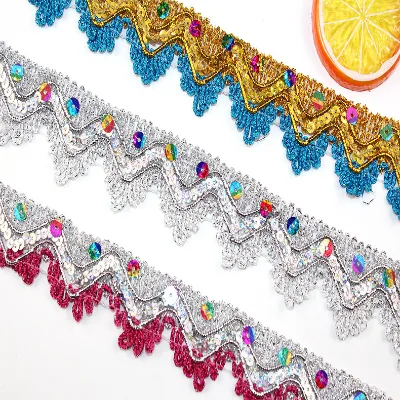
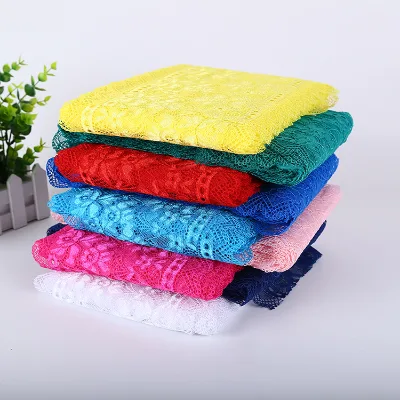


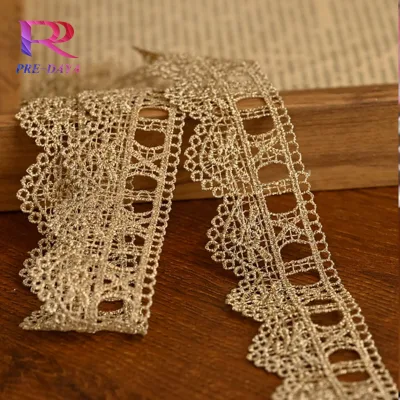


Comprehensive Sourcing Guide
Silk Base Lace Closures Sourcing Guide
Procurement professionals must first distinguish between human hair closures and synthetic lace bases, as the supplied data indicates a market split between Remy human hair products and Swiss lace or nylon fabric alternatives. While some listings explicitly feature 100% human hair with Brazilian origins and customizable colors, other entries describe nylon-based warp knitting lace intended for garment applications rather than direct hair integration. Buyers should verify whether the "silk base" terminology refers to a specific lace material like Swiss lace or a synthetic blend, as the observed product range includes both natural hair textures and industrial fabric technologies like jacquard weaving.
The observed product attributes reveal a significant variance in intended use, ranging from wig construction and frontal applications to general clothing and everyday wear. Some items are marketed with specific density ratings like 100% or 200% hair density, while others focus on fabric weight and GSM specifications suitable for textile manufacturing. This divergence requires buyers to clearly define their end-use case before engaging suppliers, ensuring that the selected material, whether it is human hair or a nylon-spandex blend, aligns with the structural requirements of the final wig or garment assembly.
Product Scope and Observed Listing Signals
Buyers should scrutinize the listed material composition to confirm if the product is genuine human hair or a synthetic lace alternative, as the data shows distinct categories for Remy hair and nylon-based fabrics. The presence of "Swiss Lace" and "HD" style attributes suggests high-transparency options for natural-looking hairlines, whereas other listings emphasize "Warp Knitting Lace" and "Jacquard Fabric" which may serve different structural purposes. It is critical to match the specific material claim, such as "100% Human Hair" or "90% Nylon, 10% Spandex," with the intended application to avoid purchasing a textile product that lacks the necessary durability for wig construction.
The observed listing signals also highlight a wide range of customization capabilities, including OEM/ODM orders and custom color production for both hair and lace materials. Suppliers offer various packing methods, from cardboard and PVC bags to roll packing, which can impact the condition of the delicate lace upon arrival. Buyers must verify if the "Muti-Color" or "Natural Color" options are available for the specific lace base they require, as the ability to dye the material or customize the hair color is a key differentiator in the wholesale market for these specialized components.
Technical Specifications to Verify
Technical verification must begin with the lace dimensions and density, as the data indicates specific standard sizes like 134 and 44 inches alongside variable hair densities of 100% or 200%. Buyers should request detailed measurements for the lace width and the specific hair density per square inch to ensure the closure will blend seamlessly with the wearer's natural hairline. The observed standard of 95g to 100g per piece for hair products provides a baseline, but the weight of the lace itself and the fabric GSM for synthetic options must be confirmed to prevent purchasing items that are too heavy or too fragile for the intended design.
Manufacturing processes and fabric technology are equally critical, with some products utilizing manual processes while others rely on advanced jacquard or warp knitting techniques. The distinction between "Knitted Lace" and "Swiss Lace" affects the transparency and durability of the base, requiring buyers to inspect samples for knot visibility and edge strength. Additionally, the production of custom colors and the dyeing process must be validated to ensure the final product meets the aesthetic requirements, as the observed data suggests that color production is a variable step that can significantly alter the final appearance of the closure.
Compliance and Safety Documentation
Safety documentation should focus on the chemical treatments applied to the hair and lace, particularly regarding the dyeing processes and the use of synthetic fibers like nylon and spandex. Buyers must request safety data sheets (SDS) to verify that the dyes used for custom colors are non-toxic and compliant with international textile safety standards, especially since the observed listings mention "Dyeing" as a production step. Ensuring that the materials do not contain harmful substances is essential for products that will be in direct contact with the scalp, and this verification is a prerequisite for any wholesale order involving customized hair or lace.
Compliance also extends to the origin and manufacturing standards of the products, with observed data pointing to origins in Henan, China, and general China-based production. Buyers should verify that the suppliers adhere to relevant export standards and that the products meet the safety regulations of the destination market. While specific certification names are not provided in the data, the requirement for "High Quality" and "Feature" attributes implies a need for documented quality control processes that ensure the final product is free from defects and safe for consumer use.
Cost Drivers and Commercial Terms
Cost drivers in this market are heavily influenced by the material composition, with 100% human hair and Swiss lace typically commanding higher prices than synthetic nylon blends or standard warp knitting lace. The observed price range of 0.08 to 99 USD reflects this disparity, where the cost is determined by the rarity of the hair grade, the complexity of the lace technology, and the extent of customization required. Buyers should analyze the cost per unit against the observed MOQ ranges of 1 to 5000 to determine the most economical order size, as larger quantities often reduce the per-unit cost but require a higher initial capital outlay.
Commercial terms such as delivery time and packing methods also play a significant role in the total cost of ownership, with observed lead times ranging from 15 to 20 days for custom orders. The choice of packaging, whether it is a simple OPP bag or a standard export carton with inner paper tubes, affects shipping costs and the risk of damage during transit. Buyers must negotiate clear terms regarding these variables, ensuring that the supplier's packing standards align with the fragility of the lace and hair products to minimize losses and ensure the goods arrive in pristine condition.
Supplier Qualification and Quality Control
Supplier qualification requires a rigorous assessment of their ability to deliver consistent quality across different product lines, as the data shows a mix of human hair and synthetic lace offerings. Buyers should verify the supplier's experience with specific technologies like jacquard weaving or manual knotting, as these processes directly impact the durability and appearance of the final closure. It is essential to confirm that the supplier can maintain the "High Quality" standard observed in the listings and that they have the capacity to handle OEM/ODM orders with the required customization levels.
Quality control protocols must be established to ensure that the hair density, lace transparency, and color consistency meet the buyer's specifications before shipment. Buyers should request pre-shipment samples to verify the "100% Human Hair" claim and the integrity of the lace base, checking for any defects in the knitting or dyeing process. Establishing a clear quality agreement that defines acceptable tolerances for density and color variation is crucial, as the observed data indicates that these attributes are key differentiators in the market and can significantly affect the end-user experience.
Long-Term Procurement Checks
Long-term procurement success depends on the supplier's ability to maintain consistent supply chains and adhere to evolving market standards for hair and lace products. Buyers should monitor the supplier's performance over time, tracking their ability to meet delivery times and maintain the quality of "Remy Hair" and "Swiss Lace" products. Regular audits of the production process and material sourcing are necessary to ensure that the supplier continues to meet the high standards required for wholesale human hair and lace closures.
Continuous communication regarding market trends and product innovations is also vital, as the observed data suggests a dynamic market with various styles and materials available. Buyers should stay informed about new developments in lace technology and hair processing to ensure their product offerings remain competitive. Establishing a long-term partnership with a supplier who demonstrates reliability and a commitment to quality will help mitigate risks and ensure a steady supply of high-quality silk base lace closures for future business needs.
FAQs
What materials are used for silk base lace closures?
The product page lists Human Hair, Swiss Lace, and Nylon as primary materials. Swiss Lace is noted for high quality and used in making wigs, closures, frontals, and toupees. Nylon blends with Spandex are also available for garments. These materials support customization and various styles including wavy and straight textures.
Can I customize the color and style of these closures?
Yes, customization is available for both color and style. Options include natural colors or customized colors, with styles ranging from wavy to straight. The product supports OEM/ODM orders, allowing buyers to specify unique designs. This flexibility ensures that the final product meets specific aesthetic requirements for wig making or fashion applications.
What is the typical packaging for these hair products?
Packaging varies by product type. Hair closures may use cardboard and PVC bags or OPP bags for inner packaging. Lace materials often come in PP or PVC bags within standard export cartons. Nylon lace is packed in rolls with inner paper tubes and PE bags, outer PA woven bags. This ensures safe transport and protection during shipping.
Where are these silk base lace closures manufactured?
The products originate from Henan, China, and other locations in China. This geographic origin is consistent across the listed items, including human hair closures and lace materials. Buyers can expect manufacturing standards associated with this region, with delivery times typically ranging from 15 to 20 days for production and shipment completion.
What specifications are available for the lace materials?
Specifications include widths of 58/60 inches and weights from 10-200 GSM. Models like LC-001 and WT-033 are available. Standard weights for hair pieces are 95-100 grams per piece. Lace sizes include 13x4 and 4x4 inches. These specifications cater to various wig construction needs, ensuring compatibility with different hair densities and styling requirements.
Is there a minimum order quantity for these products?
The observed MOQ range is 1 to 5000 units. This wide range accommodates both small sample orders and bulk wholesale purchases. Buyers can start with a single unit to test quality or order larger quantities for commercial use. The flexibility in MOQ supports diverse business models, from individual wig makers to large-scale manufacturers.