Source Silk Screen Cosmetic Cream Jar for Skincare, Lotion, and Foundation
Find and compare 30 Silk Screen Cosmetic Cream Jar options from Chinese manufacturers. These PP plastic jars feature screw caps and are suitable for skincare, lotion, and foundation packaging with customizable logos and eco-friendly materials; compare the available evidence and request quotations based on your requirements.
Key considerations
Products List


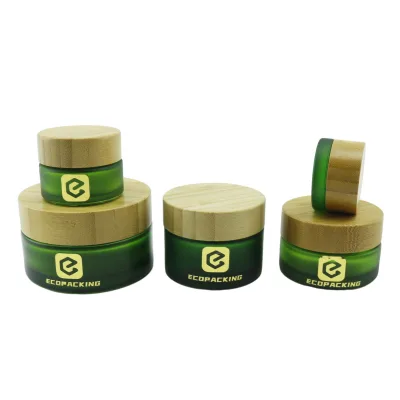
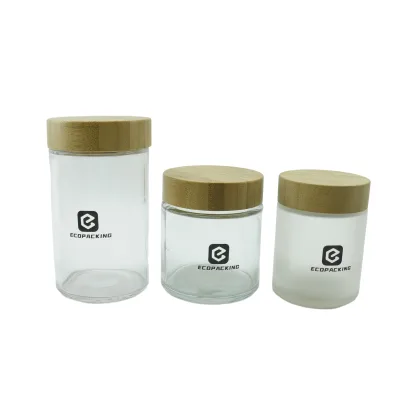


High Quality Round Glass Cosmetic Cream Jar with Wood-Look Plastic Lid
$0.12 - $0.75
MOQ: 10000 Pieces


Comprehensive Sourcing Guide
Silk Screen Cosmetic Cream Jar Sourcing Guide
Sourcing silk screen cosmetic cream jars requires careful attention to material compatibility and surface preparation, as the printing process demands specific plastic properties to ensure ink adhesion. The observed product range includes polypropylene (PP) jars designed for cosmetic creams, lotions, and skincare products, where the surface handling is often customized to meet brand aesthetics. Buyers must verify that the selected jar material, typically PP, can withstand the thermal and chemical requirements of silk screening without warping or degrading during the curing process.
Procurement decisions should also account for the diverse volume capacities observed in the market, ranging from 3g mini jars to 250ml containers, each presenting unique challenges for consistent print registration. The availability of customization allows for tailored shapes, such as oval designs, and specific sealing types like screw caps, which directly influence the printing area and technique. Understanding these physical constraints is essential before engaging suppliers, as the geometry of the jar dictates the feasibility of high-quality silk screen application.
Product Scope and Observed Listing Signals
The market for silk screen cosmetic cream jars presents a wide spectrum of product models, including specific identifiers like JAR-11 and JAR-36, alongside generic descriptions of plastic colorful cosmetic jars. Listings frequently highlight the usage of these containers for a variety of applications, including tea, food, aerosols, and chemicals, though the primary focus remains on cosmetic and skin care industries. Buyers should note that while some products are described as eco-friendly and recyclable, the specific environmental claims must be validated against the actual material composition and supplier documentation.
Commercial signals indicate a flexible approach to production, with customization available for logos, colors, and surface finishes such as hot stamping or painted details. The observed price range is notably low, starting from $0.01, which suggests high-volume manufacturing efficiency but requires scrutiny regarding quality consistency at different price points. Additionally, the presence of free samples and a sample lead time of 4-6 days provides a practical mechanism for buyers to evaluate print quality and jar durability before committing to larger orders.
Technical Specifications to Verify
Technical verification must begin with the precise dimensions and volume capacities, as observed models range from 37.5mm in width to various heights, accommodating volumes from 40ml to 250ml. The sealing mechanism is predominantly a screw cap, which must be compatible with the jar's neck finish to ensure a tight seal that prevents leakage during transport and storage. Buyers should confirm that the specified sizes, such as 50ml or 100ml, align with their product formulation requirements, as the internal volume directly impacts the fill line and packaging efficiency.
Surface handling specifications are critical for silk screen applications, with options including silk printing, hot stamping, and painting, all of which require specific surface treatments. The material is consistently identified as plastic, specifically PP, which offers chemical resistance but necessitates proper surface activation for ink adhesion. It is vital to verify that the supplier can execute the requested surface handling, such as customizing the print area or applying specific colors, without compromising the structural integrity of the jar or the clarity of the printed logo.
Compliance and Safety Documentation
Compliance documentation for cosmetic packaging must address both international safety standards and specific regional regulations, with observed listings citing CE, SGS, and UL certifications. These standards indicate that the products have undergone testing for safety and quality, though buyers should request specific test reports to confirm that the materials and inks used in the silk screen process meet food and cosmetic contact regulations. The presence of CIQ certification further suggests that the products have passed inspection and quarantine procedures, which is particularly relevant for exports to markets with strict import controls.
Buyers must also verify that the inks and adhesives used in the printing process are non-toxic and suitable for direct or indirect contact with cosmetic formulations. While the products are described as eco-friendly and recyclable, this claim should be supported by material safety data sheets (MSDS) and recycling codes that confirm the environmental impact of the PP plastic and the printing materials. Ensuring that the supplier adheres to these safety protocols is essential to protect brand reputation and avoid regulatory penalties in the destination market.
Cost Drivers and Commercial Terms
Cost drivers for silk screen cosmetic cream jars are heavily influenced by the complexity of the customization, the volume of the order, and the specific surface handling techniques required. The observed minimum order quantity (MOQ) ranges from 100 to 12,000 units, allowing flexibility for small startups while offering economies of scale for larger buyers. Production lead times are typically 25-30 days after receiving a deposit, which must be factored into the overall supply chain timeline to prevent stockouts or delays in product launches.
Commercial terms should clearly define the payment structure, sample costs, and shipping responsibilities, as the low unit price observed in listings can be misleading if additional costs are not accounted for. The availability of free samples is a significant advantage, but buyers should clarify whether shipping costs for these samples are included or if they will be deducted from the final order. Understanding the total cost of ownership, including tooling fees for custom molds and the cost of silk screen setup, is crucial for accurate budgeting and financial planning.
Supplier Qualification and Quality Control
Supplier qualification should focus on their ability to maintain consistent quality across large production runs, particularly when dealing with custom silk screen printing. The observed production time of 25-30 days suggests a robust manufacturing process, but buyers must verify the supplier's quality control protocols to ensure that print registration, color consistency, and adhesion meet the required standards. The availability of 24-hour online services indicates a commitment to customer support, which is valuable for resolving issues quickly during the production and shipping phases.
Quality control measures should include pre-production samples and in-process inspections to catch defects early, such as smudged prints or misaligned logos. Buyers should request evidence of the supplier's experience with similar projects, particularly those involving PP plastic jars and complex surface handling like hot stamping or painting. Establishing a clear communication channel and defining acceptance criteria for the final product will help mitigate risks and ensure that the delivered jars meet the brand's aesthetic and functional requirements.
Long-Term Procurement Checks
Long-term procurement success depends on establishing a reliable supply chain that can scale with business growth while maintaining consistent quality and compliance. Buyers should regularly audit their suppliers to ensure that they continue to meet the required standards, such as CE, SGS, and UL, and that their production processes remain stable over time. The ability to customize products, including logo printing and surface handling, should be maintained as a core competency to support evolving brand needs and market trends.
Continuous monitoring of market conditions, including material costs and regulatory changes, is essential to adapt procurement strategies proactively. Buyers should maintain a relationship with their suppliers that allows for flexibility in order quantities and lead times, ensuring that they can respond to sudden demand spikes or supply chain disruptions. By focusing on long-term partnerships and regular performance reviews, companies can secure a steady supply of high-quality silk screen cosmetic cream jars that support their brand identity and operational efficiency.
FAQs
What customization options are available for silk screen cosmetic cream jars?
Customization is available for these plastic cosmetic jars, allowing buyers to tailor the product to their brand needs. Options include customized surface handling and logo printing via silk screen, hot stamping, or painting. The jars support various shapes and sizes, ensuring a unique look for different cosmetic lines while maintaining the eco-friendly and recyclable nature of the PP material.
What certifications do these cosmetic cream jars hold?
These cosmetic cream jars hold ISO, CE, and CIQ certifications, ensuring they meet international quality and safety standards. The products also adhere to CE, SGS, and UL standards, providing assurance for global sourcing. These certifications verify the material safety and manufacturing quality, making them suitable for cosmetic, skin care, and other personal care applications in regulated markets.
What are the typical lead times for production and samples?
Sample production typically takes 4-6 days, allowing buyers to verify quality before bulk ordering. For bulk production, the lead time is 25-30 days after receiving the deposit. This timeline ensures careful manufacturing of the plastic cosmetic jars, including any customized printing or surface handling, while maintaining the high standards required for cosmetic packaging applications.
What specifications are available for the 50ml and 250ml jars?
The 50ml and 250ml cosmetic cream jars are available in specific dimensions such as 37.5*21mm, 37.5*30mm, 37.5*39mm, 37.5*46mm, and 37.5*55mm. These sizes accommodate various cosmetic formulations, including creams and lotions. The jars feature a screw cap for secure sealing and are made from eco-friendly PP plastic, suitable for small to medium-sized packaging needs.
What is the minimum order quantity for these cosmetic jars?
The minimum order quantity for these cosmetic cream jars ranges from 100 to 12,000 pieces, depending on the specific model and customization requirements. Some models, like the JAR-11, have an MOQ of 1000 pieces. This flexibility allows businesses of various sizes to source suitable packaging, with options for different volumes and capacities to match specific product lines.
Can buyers request free samples for quality verification?
Yes, free samples are available for quality verification before placing a bulk order. Buyers can request samples to check the material quality, printing accuracy, and overall finish of the cosmetic cream jars. This service helps ensure that the final product meets the required standards for cosmetic packaging, reducing risks associated with large-scale production and customization.