Source Silk Pashmina Shawl for Garment, Decoration, and Warmth
Explore 30 listings for Silk Pashmina Shawl featuring materials like 100% silk and wool with patterns including plain and jacquard. Buyers can compare specifications such as size, thickness, and origin from Zhejiang and Hangzhou to find suitable options for garment and decoration needs.
Key considerations
Products List


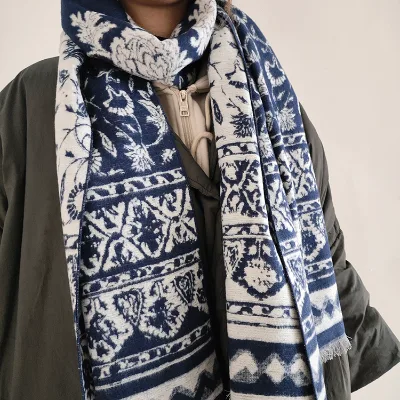
Cotton Plain Tassel Wool Shawl Pashmina Scarf Cashmere Winter Silk Shawls
$0.99 - $5.99
MOQ: 300 Pieces


Comprehensive Sourcing Guide
Strategic Sourcing Guide for Silk Pashmina Shawls
Navigating the global market for silk pashmina shawls requires a disciplined approach that balances aesthetic desires with rigorous technical verification. Buyers in the B2B sector must distinguish between generic silk products and those meeting specific pashmina criteria, which often involves fine-gauge wool-silk blends or high-grade pure silk variants. The procurement process begins with a clear definition of product attributes, ensuring that the selected items align with the intended application, whether for luxury retail, promotional use, or garment manufacturing. This guide outlines the essential steps for sourcing these textiles, focusing on material integrity, specification verification, and supplier reliability without relying on unverified market claims.
Material Composition and Fiber Verification
The foundation of any successful procurement strategy for silk pashmina shawls lies in the precise verification of material composition. While the term "pashmina" historically refers to the fine undercoat of the Changthangi goat, in modern textile trading, it frequently denotes a blend of silk and cashmere or a high-quality pure silk fabric with a specific drape and softness. Buyers must scrutinize the material declarations provided by suppliers to ensure they match the desired end-use.
In the current market, several distinct material profiles are available. Some products are constructed from 100% Cotton, offering a different texture and weight profile suitable for lighter winter accessories or summer wear. Others are made from 100% Wool, providing the traditional warmth associated with pashmina, while a significant segment utilizes 100% Silk, which offers a luxurious sheen and fluid drape. A common hybrid profile involves a Polyester/Cotton blend, which may be marketed as a cost-effective alternative but lacks the premium hand feel of natural fibers.
When evaluating suppliers, the buyer must verify the specific fiber content against the product specification sheet. For instance, a product labeled as "100% Wool" should exhibit a "Cashmere Soft Feeling," a tactile attribute often associated with high-grade pashmina. Conversely, products described as "Silk Chiffon" or "Raw Silk" present different characteristics, such as a "Reeled Silk" roll shape or a specific "6A" raw silk grade. The distinction between these materials is critical, as the thermal properties, drape, and care requirements vary significantly. A buyer seeking a winter accessory for warmth should prioritize 100% Wool or Silk blends, whereas a buyer looking for a decorative garment piece might focus on the "Silk Chiffon" or "100% Silk" options.
Technical Specifications and Dimensional Standards
Technical specifications define the physical boundaries of the product and are essential for inventory planning and retail display. In the context of silk pashmina shawls, dimensions are not merely aesthetic choices but functional requirements that dictate how the item is worn or displayed. Standard dimensions observed in the market include specific metric measurements such as 70cm by 170cm, 70cm by 180cm, and 70cm by 175cm. These variations allow buyers to select the perfect size for different body types or display needs.
Furthermore, some suppliers offer custom standard dimensions, such as 200x70 cm, which may be suitable for larger wraps or specific garment applications. It is also common to encounter imperial measurements, such as 7'x59', indicating a custom or non-standard sizing option. The thickness of the fabric is another critical specification; a "Medium" thickness is often preferred for year-round wear, providing warmth without excessive bulk.
Width is another vital parameter, particularly for fabric sold by the roll or for garment manufacturing. Standard widths in the industry often range from 114" to 140". Buyers must confirm that the width matches their cutting patterns or display requirements. Additionally, the model number serves as a unique identifier for these specifications. Models such as LTH-05, LHT-30, LHT-32, LHT-29, LHT-39, LHT-34, DSC-5376, and ID9A8997 correspond to specific combinations of material, size, and style. When placing an order, referencing the exact model number ensures that the buyer receives the precise dimensions and material composition intended, avoiding confusion between similar-looking items.
Design Attributes and Aesthetic Customization
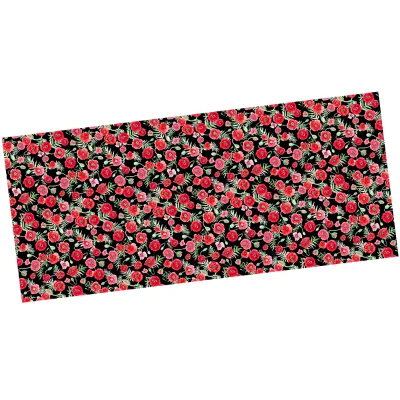
The visual appeal of a Silk Pashmina Shawl is often the primary driver for purchase decisions. Design attributes such as pattern, style, and edge treatment play a significant role in the product's marketability. The market offers a diverse range of patterns, including "Jacquard" weaves, which create intricate raised designs, and "Plain" or "Plain Dyed" finishes that offer a minimalist aesthetic. The "Printed" style is also prevalent, allowing for vibrant, seasonal designs that appeal to fashion-forward consumers.
Customization is a key feature available in this sector, enabling buyers to tailor products to their brand identity. This can range from custom colorways to specific pattern placements. The technique used to achieve these designs, such as "Solid Color Dying," impacts the final look and durability of the color. Buyers should verify that the dyeing process is consistent and that the color fastness meets their quality expectations.
Edge treatment is another critical design element. Many pashmina shawls feature "Fringe Sides," which add a traditional and luxurious touch. The presence of fringe can significantly influence the perceived value of the product. Additionally, the style of the shawl, whether categorized as "Western" or "Leisure," dictates its intended usage context. A "Western" style might be more formal, suitable for evening wear, while a "Leisure" style is designed for casual, everyday use. Understanding these nuances helps buyers curate a collection that appeals to their specific target demographic.
Compliance, Packaging, and Origin Verification
Ensuring compliance and verifying the origin of the product are essential steps in mitigating supply chain risks. The origin of the product is a significant factor in the perceived value and quality of silk pashmina shawls. Many products are sourced from Zhejiang, China, or Hangzhou, China, regions known for their textile manufacturing capabilities. Buyers should confirm the specific origin to ensure it aligns with their sourcing strategy and any trade agreements that may apply.
Packaging standards vary by supplier and product type. Some items are packed in "Carton/Woven Bag" combinations, which are robust for bulk shipping and storage. Others, particularly high-value silk items, may be packed as "One Piece by One Polybag" or "1 PC in 1 PP Bag" to protect the delicate fabric from dust and damage during transit. The packaging method should be evaluated based on the fragility of the product and the logistics requirements of the buyer.
While specific certification details are not universally provided for all listed products, buyers must verify that the supplier adheres to relevant international standards. The absence of a specific certification claim does not imply non-compliance, but it does require the buyer to request documentation to confirm that the product meets safety and quality regulations for the target market. This includes verifying that the raw materials, such as "Raw Silk Grade 6A," meet the expected quality benchmarks.
Cost Drivers and Procurement Economics
Understanding the cost drivers is crucial for effective budget management and negotiation. The price of a Silk Pashmina Shawl is influenced by several factors, including material composition, complexity of the design, and the level of customization. Products made from 100% Wool or high-grade 100% Silk generally command a higher price point compared to Polyester/Cotton blends. The presence of intricate "Jacquard" patterns or "Fringe Sides" also adds to the production cost.
The observed price range in the market spans from $0.99 to $48 USD, reflecting the vast diversity in product quality and positioning. This wide range indicates that buyers can find options suitable for various budget constraints, from promotional items to luxury goods. However, the lowest price points often correlate with simpler designs or synthetic blends, while the higher end of the spectrum is reserved for premium natural fibers and complex craftsmanship.
Minimum Order Quantity (MOQ) is another significant economic factor. The observed MOQ range is between 10 and 1000 units. A lower MOQ of 10 units may be suitable for small businesses or sample testing, while larger orders of 1000 units are typical for established retailers seeking to optimize unit costs. Buyers should negotiate MOQ terms based on their inventory needs and cash flow, keeping in mind that higher volumes often result in better per-unit pricing.
Supplier Evaluation and Quality Control Protocols
Selecting the right supplier requires a thorough evaluation of their capabilities and reliability. Buyers should assess the supplier's ability to meet specific technical specifications, such as the "Medium" thickness or "114/140" width" requirements. The supplier's track record in handling custom orders and maintaining consistent quality is paramount.
Quality control protocols should be established early in the procurement process. This includes verifying the "Hand Feeling" of the fabric, ensuring it matches the "Cashmere Soft Feeling" or other tactile expectations. For silk products, checking the "Raw Silk Roll Shape" and "Reeled Silk" quality is essential to confirm the integrity of the fiber. Buyers should also inspect the "Edge Hemming" to ensure that fringe or other edge treatments are secure and uniform.
Regular quality audits and sample testing are recommended to maintain consistency. Buyers should request pre-production samples to verify that the "Pattern," "Style," and "Material" match the agreed specifications. Post-production inspections should focus on dimensional accuracy, color consistency, and packaging integrity. By implementing a robust quality control framework, buyers can minimize the risk of receiving substandard products and ensure customer satisfaction.
Long-Term Procurement and Application Strategy
For long-term success, buyers must consider the application of the silk pashmina shawls in their specific market context. These products are versatile, serving functions such as "Warmth" and "Decoration." They are suitable for "Spring / Autumn" seasons, though some variations may be appropriate for "Winter" use. The "Usage" category also includes "Garment" applications, indicating that some shawls are designed to be integrated into clothing lines rather than sold as standalone accessories.
Developing a long-term procurement strategy involves building strong relationships with suppliers who can scale production as demand grows. Buyers should plan for seasonal fluctuations, ensuring that inventory levels align with the "Season" requirements of their target market. Additionally, staying informed about trends in "Style" and "Pattern" will help buyers remain competitive. By focusing on high-quality materials, precise specifications, and reliable supplier partnerships, buyers can establish a sustainable and profitable sourcing channel for silk pashmina shawls.
Comparative Analysis of Product Profiles
To facilitate decision-making, the following table summarizes the key differences between common product profiles found in the market. This comparison highlights the variations in material, size, and style that buyers should consider.
| Feature | Profile A (Premium Silk) | Profile B (Wool Blend) | Profile C (Cotton/Poly) | Profile D (Raw Silk) |
|---|---|---|---|---|
| Material | 100% Silk | 100% Wool | Polyester/Cotton | 100% Silk (Raw) |
| Standard Size | 200x70 cm | 70cm*170cm | 70cm*180cm | Custom (e.g., 7'x59') |
| Pattern | Plain Dyed | Jacquard | Printed | Solid Color Dying |
| Edge Treatment | Fringe Sides | Fringe Sides | Plain | Reeled Silk |
| Thickness | Medium | Medium | Medium | Medium |
| Origin | Hangzhou, China | Zhejiang, China | Zhejiang, China | China |
| Packing | 1 PC/1 PP Bag | Carton/Woven Bag | One Piece by Polybag | 1 PCS/1 PP Bag |
This table illustrates that while the core function of warmth and decoration remains constant, the specific attributes vary significantly. Buyers must align their selection with their brand positioning and customer expectations. By carefully evaluating these profiles, buyers can make informed decisions that optimize value and quality.
FAQs
What materials are used for silk pashmina shawls?
Materials include 100% Silk, 100% Wool, 100% Cotton, and Polyester/Cotton blends. Buyers must verify the specific fiber content against the product specification sheet to ensure it matches the desired end-use and thermal properties.
Which dimensions are standard for these shawls?
Standard dimensions observed include 70cm by 170cm, 70cm by 180cm, and 70cm by 175cm. Some suppliers also offer custom sizes like 200x70 cm or imperial measurements such as 7'x59' for specific garment applications.
Can buyers customize the patterns and styles?
Yes, customization is available for patterns and styles. Options include Jacquard, Plain, Plain Dyed, and Printed designs, with techniques like Solid Color Dying, allowing buyers to tailor products to their brand identity.
How are these products typically packaged?
Packaging varies by product type, ranging from Carton or Woven Bag combinations to One Piece by One Polybag. High-value silk items often use 1 PC in 1 PP Bag to protect the delicate fabric during transit.
What is the price range for these items?
The observed price range spans from 0.99 to 48 USD. This wide range reflects diversity in product quality, with lower prices often correlating to simpler designs or synthetic blends and higher prices for premium natural fibers.
What are the minimum order quantity requirements?
The minimum order quantity ranges from 10 to 1000 units. Lower MOQs suit small businesses or sample testing, while larger orders of 1000 units are typical for established retailers seeking to optimize unit costs.
Where are these shawls manufactured?
Products originate from Zhejiang, China, and Hangzhou, China. Buyers should confirm the specific origin to ensure it aligns with their sourcing strategy and any applicable trade agreements regarding textile manufacturing capabilities.