Source Simulation Dragon Surfing Skateboard for sports, recreation, and training
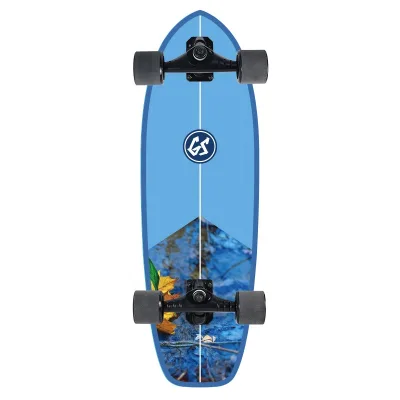
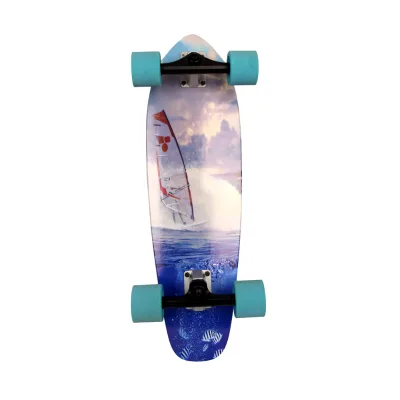
Explore 30 listings for the Simulation Dragon Surfing Skateboard featuring maple decks, PU wheels, and custom graphics. Buyers can compare specifications like truck types, board sizes, and OEM services to find the right fit for their needs.
Key considerations
Products List


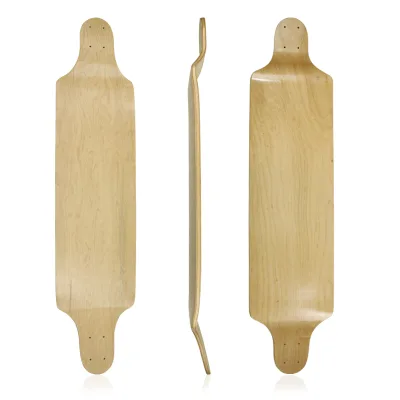
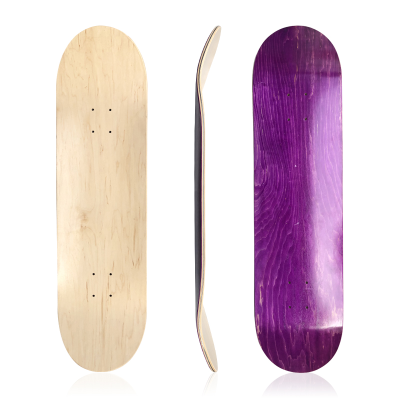

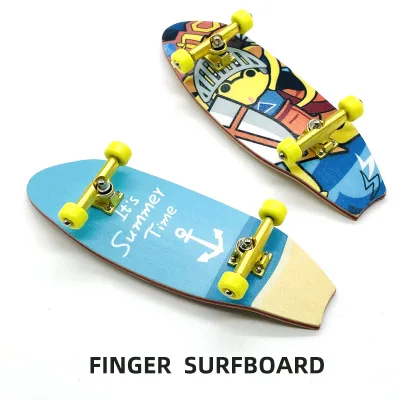
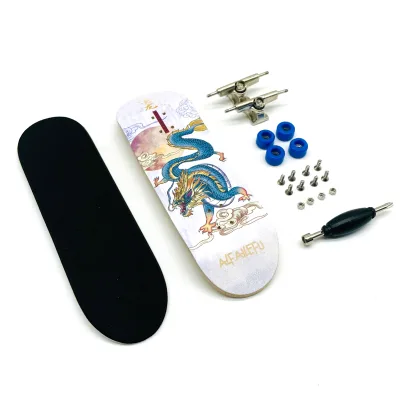
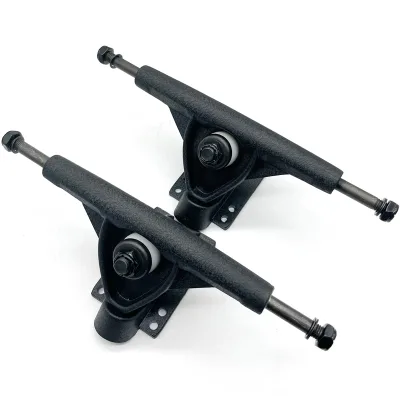


Skateboard Complete Surfboard Surf Dancing Longboard Deck Long Board Decks
$20.50 - $21.50
MOQ: 40 Pieces


Surfskate Surf Skate Surfboard Training Longboard Skateboard 32inch Surfing Skate Board
$28.00 - $35.00
MOQ: 200 Pieces





Comprehensive Sourcing Guide
Sourcing Strategy for Simulation Dragon Surfing Skateboards
The procurement of simulation dragon surfing skateboards represents a specialized niche within the broader recreational sports equipment market. These products, often categorized under specific model numbers like SG-SK2909 or SG-SK4695, blend the mechanics of traditional skateboarding with unique design aesthetics and performance characteristics tailored for specific user demographics. Buyers entering this market must navigate a landscape defined by diverse material compositions, varying wheel configurations, and distinct customization capabilities. This guide provides a structured approach to sourcing these items, focusing on technical verification, supplier assessment, and quality assurance without relying on unverified external claims.
Technical Specifications and Material Composition
The foundation of a reliable Simulation Dragon Surfing Skateboard lies in its deck construction and component selection. The supplied data indicates a strong preference for high-density wood materials, specifically "Seven Layers Maple," "Nine Layers Maple," and "North-East Maple Wood." Some listings also reference "Canadian Maple," suggesting that the source of the timber is a critical differentiator in product quality. Buyers must verify the layer count and wood origin, as these factors directly influence the board's flex, durability, and weight. A nine-layer maple deck typically offers greater structural integrity for high-impact activities compared to a seven-layer alternative, though the specific application—whether for general play or downhill sliding—will dictate the optimal choice.
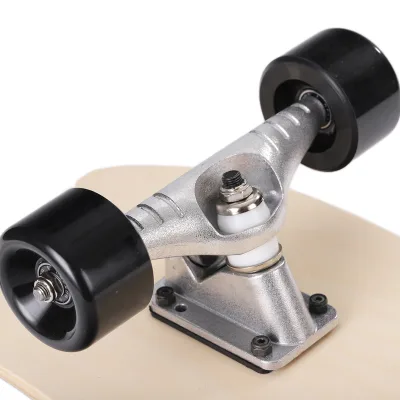
The truck and wheel assembly is equally critical. The observed market data highlights "Aluminium" and "Alloy" trucks, with specific model references such as "S6/S7" and "Cx4." These designations likely correspond to specific load-bearing capacities and turning radii. The wheels are consistently described as "PU Wheels," with variations in "Wheel Kind" ranging from "Sliding" to "Downhill." This distinction is vital for procurement; a board designed for sliding requires a different durometer and wheel profile than one intended for downhill stability. Furthermore, the "Cushion Pad" is noted as "PU," which affects the ride comfort and shock absorption. Buyers should request detailed specifications regarding the hardness of the PU wheels and the geometry of the trucks to ensure compatibility with the intended terrain.
Design Variations and Customization Capabilities
The "Simulation Dragon Surfing Skateboard" category often features unique aesthetic and functional designs. The data points to "Surface Treatment" methods such as "Heat Transfer Stickers" and "UV Printing," with specific graphic themes like "80s" griptape or "Dragon" branding. The "Griptape" specification of "80s" suggests a retro aesthetic, while the "Graphics" label indicates the potential for custom artwork. A significant portion of the supply chain offers "OEM/ODM" services, with some entries explicitly stating "Customized" and "Accept OEM." This flexibility allows buyers to tailor the product to their brand identity, including the choice of "Log color" finishes or specific size configurations.
Size is a variable that requires careful attention. The observed "prod_standard" dimensions vary significantly, with entries like "852145" and "1172720," alongside specific inch measurements such as "28*8inch" and a range of "7.75, 8, 8.25 inch." The "Single package size" of "40X20X5 cm" provides a baseline for logistics planning. When sourcing, buyers must align the board dimensions with the target user's age group and skill level. While some listings target "Adults," others specify "Youngsters" or "Applicable Age Group: Youngsters." The "Type" is listed as both "4 Wheels" and "SNAKE BOARD," indicating that the "simulation" aspect may involve unique articulation or wheel arrangements that differ from standard four-wheel skateboards.
Cost Drivers and Pricing Structures
The pricing landscape for these skateboards is highly volatile, with an observed range spanning from $0.25 to $300,000. This extreme variance suggests that the "price" field may include bulk contract values, prototype costs, or potentially erroneous data points rather than standard unit retail prices. For practical procurement, buyers should focus on the "MOQ" (Minimum Order Quantity) as a primary cost driver. The observed MOQ range is "1-800," with specific listings citing "100PCS" as a threshold. Lower MOQs, such as 1 unit, typically indicate a higher per-unit cost or a focus on sample orders, whereas higher MOQs suggest economies of scale for mass production.
Additional cost factors include the complexity of the "Surface Treatment" and the quality of the "Board Material." Boards utilizing "North-East Maple Wood" or "Canadian Maple" will likely command a premium over standard maple variants. The inclusion of "Heat Transfer Stickers" or "UV Printing" adds to the manufacturing cost compared to simple screen printing. Buyers should also consider the "Single gross weight" of "1.500 kg" when calculating shipping costs, as the "prod_packing" is listed as "Carton." The "Place of Origin" is consistently "China," with specific mentions of "Fujian, China," which may influence logistics costs and lead times depending on the buyer's location.
Supplier Evaluation and Service Capabilities
Evaluating suppliers in this sector requires a focus on their service model and production capacity. The data consistently highlights "OEM" and "ODM" capabilities, with some suppliers offering "Service: OEM/ODM" and others specifying "Service: OEM." This indicates a willingness to produce custom designs, which is essential for brands looking to differentiate their "Simulation Dragon Surfing Skateboard" offerings. The "Brand Name" "Cuanchen" appears in the data, serving as an example of a manufacturer, but buyers should not limit their search to this single entity. Instead, they should verify the supplier's ability to handle "Customization" requests and their track record with "New" condition products.
The "Condition" of the products is uniformly listed as "New," which is a baseline expectation for B2B procurement. However, buyers must verify the supplier's quality control processes to ensure that the "New" condition is maintained throughout the supply chain. The "Style" is described as "Popular," suggesting that market trends play a role in product design. Suppliers should demonstrate an understanding of current trends, such as the "Dragon Skateboard (Four-wheel)" category, to ensure the products remain relevant. Additionally, the "Feature" set, including "Flexible," "Durable," and "Easy to Play," should be validated through physical samples rather than relying solely on marketing descriptions.
Quality Control and Compliance Verification
Quality control is paramount when sourcing skateboards, particularly those with complex mechanical features like "Snake Board" articulation or specialized "Downhill" wheels. Buyers must verify that the "Board Material" meets the stated specifications, such as the "Seven Layers" or "Nine Layers" maple construction. The "Trucks" must be inspected for structural integrity, ensuring that "Aluminium" or "Alloy" components meet the required load-bearing standards. The "Cushion Pad" and "Wheels" should be tested for durability and performance under stress, especially for "Downhill" applications where safety is a critical concern.
Compliance and certification checks are essential, although specific certification data is not provided in the source text. Buyers should request documentation regarding the materials used, ensuring they meet international safety standards for recreational sports equipment. The "prod_standard" dimensions and "Single package size" should be verified against the supplier's actual output to prevent discrepancies in shipping and storage. Furthermore, the "Surface Treatment" processes, such as "Heat Transfer Stickers," should be checked for adhesion and durability to prevent peeling or fading during use. Buyers should establish clear acceptance criteria for these quality metrics before finalizing any purchase order.
Long-Term Procurement and Market Considerations
Long-term procurement strategies for simulation dragon surfing skateboards should focus on building a resilient supply chain capable of adapting to market demands. The "Customization" and "OEM/ODM" capabilities of suppliers offer a pathway for continuous product innovation. Buyers should maintain open communication with suppliers regarding "prod_model" updates, such as the transition from "SG-SK2909" to "SG-SK3108," to ensure access to the latest designs. The "Age" demographic, ranging from "Adults" to "Youngsters," suggests a broad market potential, but buyers must tailor their sourcing to specific segments to maximize sales.
The "Selling Units" being listed as "Single item" indicates a flexibility in order sizing, which can be advantageous for testing new markets. However, for sustained growth, buyers should aim to negotiate better terms based on volume. The "Place of Origin" in "Fujian, China" suggests a concentrated manufacturing hub, which can facilitate logistics but also introduces risks related to regional disruptions. Diversifying suppliers within this region or exploring alternative sourcing locations can mitigate these risks. Finally, buyers should monitor the "Feature" set, ensuring that the "Flexible," "Durable," and "Easy to Play" attributes remain consistent with evolving consumer expectations and safety regulations.
FAQs
What materials are used for the deck construction?
The decks are constructed from high-density maple wood, specifically seven layers, nine layers, or North-East Maple Wood. Some listings also specify Canadian Maple as the source material to ensure structural integrity and durability for various riding styles.
Which truck models are compatible with these skateboards?
The skateboards utilize Aluminium or Alloy trucks, with specific model references including S6, S7, and Cx4. These components are selected to provide the necessary load-bearing capacity and turning radius for both sliding and downhill applications.
Can buyers request custom designs and branding?
Yes, customization is available with services including OEM and ODM to tailor products to specific brand identities. Buyers can choose from surface treatments like heat transfer stickers or UV printing, along with options for log color finishes and custom graphics.
What is the minimum order quantity for bulk purchases?
The minimum order quantity varies, with observed ranges starting from one unit up to 800 units. Specific listings indicate a threshold of 100 pieces for certain models, while others allow for single-item purchases to test the product before scaling.
How are the wheels and cushion pads specified?
The wheels are made of PU material and come in sliding or downhill varieties depending on the intended use. The cushion pads are also constructed from PU to provide shock absorption and comfort, ensuring a smooth ride for adults and youngsters alike.
Where are these skateboards manufactured and shipped from?
The products originate from China, with specific manufacturing hubs identified in Fujian province. All items are packaged in cartons with a single gross weight of 1.500 kg, facilitating standard logistics planning for international buyers.
What age groups are these skateboards designed for?
The product line targets multiple demographics, with specific listings catering to adults and others designed for youngsters. The design features, such as flexible decks and easy-to-play mechanics, are intended to accommodate different skill levels within these age groups.