Source Sine Wave Output Rack UPS for Communication, Industry, Fire Safety
Find 30 Sine Wave Output Rack UPS models with single or three phase options, pure sine wave output, and optional external battery packs. Compare specifications including transfer time, protection features, and capacity for communication, industry, and fire safety applications.
Key considerations
Products List


Rack Mountable UPS Power Supply 19 Inch UPS with Pure Sine Wave Output
$100.00 - $200.00
MOQ: 5 Pieces


1-10kVA Rack Mount Online UPS - High Frequency, Pure Sine Wave Output
$129.00 - $348.00
MOQ: 10 Pieces


High Frequency Power Supplies 1kVA Online UPS Rack Mount Pure Sine Wave UPS
$169.00 - $175.00
MOQ: 1 Pieces


Power Supply 1-30kVA Pure Sine Wave Output Transformerless UPS Rack Type
$100.00 - $120.00
MOQ: 1 Pieces


19 Inch International Standard, High-Performance Online Rack-Mounted UPS
$30.00 - $60.00
MOQ: 50 Pieces
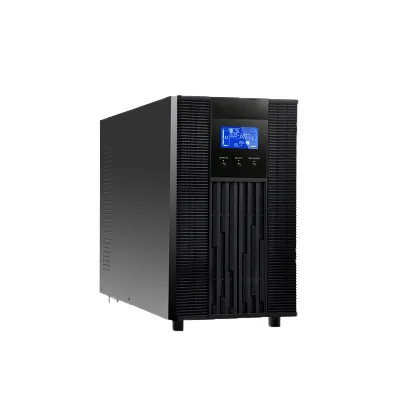


Online Pure Sine Wave UPS System Long Time Batteries Back up 3 Phase
$1500.00 - $2400.00
MOQ: 1 Pieces

40-70Hz (Settable) Sine Wave Output Wahbou or OEM UPS Uninterupted Power Supply
$1695.00 - $1795.00
MOQ: 1 Sets
Comprehensive Sourcing Guide
Sine Wave Output Rack UPS Sourcing Guide
Procuring sine wave output rack-mounted uninterruptible power supplies (UPS) requires a disciplined approach to align technical performance with operational continuity needs. These devices are critical for protecting sensitive electronic infrastructure, ensuring that power delivery remains stable during grid fluctuations or outages. The core value proposition of a sine wave output lies in its ability to mimic the smooth, continuous waveform of utility power, which is essential for the proper operation of inductive loads and precision electronics. Buyers must recognize that not all UPS units provide this specific output quality, making verification of the waveform type a non-negotiable first step in the sourcing process.
The market landscape for these units is diverse, ranging from small-scale communication backups to large-scale industrial applications. Sourcing decisions should be driven by a clear understanding of the specific power requirements, physical constraints, and environmental conditions of the deployment site. This guide provides a structured framework for evaluating suppliers, verifying technical claims, and establishing commercial terms that mitigate risk. By focusing on evidence-based verification and standardized compliance, procurement teams can secure reliable power protection solutions that support long-term operational resilience without overcommitting to unnecessary features or unsupported performance claims.
Product Scope and Observed Listing Signals
The observed product range indicates a broad spectrum of capacities, with listed prices spanning from $1 to $2,400 USD and minimum order quantities (MOQs) varying between 1 and 50 units. This wide variance suggests that the market includes both entry-level single-phase units for small offices or communication nodes and higher-capacity three-phase models designed for industrial or data center environments. Buyers should interpret price differences as indicators of capacity, build quality, and feature sets rather than direct comparisons of identical specifications. The presence of both "Small Type" and "Large Type" output capacities confirms that sourcing strategies must be tailored to the specific load requirements of the target application, whether it involves lighting, power distribution, or heavy industrial machinery.
Listing signals also reveal significant variation in form factors and customization options. Products are described as available in single-phase and three-phase configurations, with some units offering centralized models while others support decentralized setups. The availability of customization suggests that suppliers can adapt units to specific rack dimensions or integration requirements, which is crucial for facilities with space constraints. Additionally, the observation of "Long-acting Machine" and "Standard Machine" standby times highlights the importance of defining backup duration requirements early in the sourcing process. Buyers must distinguish between units designed for brief ride-through during generator start-up and those intended for extended operation during prolonged outages, as this distinction significantly impacts battery selection and overall system cost.
Technical Specifications to Verify
Verifying the technical specifications of Sine Wave Output Rack UPS units is paramount to ensuring compatibility with sensitive equipment. Key attributes to confirm include the transfer time, which should ideally be 0ms for online double-conversion units to prevent any interruption to the load. The total harmonic distortion (THDi) is another critical metric, with observed values indicating performance levels below 3%, which ensures clean power input and reduces stress on upstream electrical systems. Buyers should also verify the power factor, which may be offered as 0.7 or 0.8 optional, as this affects the real power capacity and efficiency of the unit. Additionally, the current crest ratio, observed at 3:1, indicates the unit's ability to handle inrush currents from capacitive loads, a common requirement for modern IT and communication equipment.
Physical and operational specifications must also be rigorously checked against site requirements. The standard dimensions observed, such as 438*88(2U)*350(500)mm, correspond to standard 19-inch rack mounting systems, but buyers must confirm the exact unit height (2U, 3U, or 5U) to ensure physical fit within existing rack infrastructure. Operating temperature ranges, typically specified as 0 ~ 40°C, define the environmental limits of the UPS, necessitating adequate cooling in server rooms or industrial settings. The inclusion of external battery packs as an optional feature allows for scalability, but buyers must verify the compatibility and charging parameters of these add-ons. Furthermore, the automatic transfer mechanism on overload and UPS failure provides a critical safety layer, ensuring that the load is not left unprotected in the event of a system fault.
Compliance and Safety Documentation
Compliance with international safety and environmental standards is a fundamental requirement for any UPS procurement. Observed certifications include CE, ISO, and RoHS, which indicate adherence to European safety directives, quality management systems, and restrictions on hazardous substances. Buyers must request valid certification documents from suppliers to verify that the specific models being purchased meet these standards, as compliance is not always uniform across all product lines. The presence of a RoHS certification is particularly important for electronic equipment, ensuring that materials used in manufacturing do not contain lead, mercury, or other harmful substances, which is crucial for environmental sustainability and regulatory compliance in many markets.
Safety features embedded within the UPS design also contribute to overall compliance and operational safety. Observed protection mechanisms include overcurrent, overvoltage, and short circuit protection, which safeguard both the UPS and the connected load from electrical faults. The warranty period, typically observed as 1 year, provides a baseline for supplier accountability, but buyers should negotiate extended warranty options for critical infrastructure applications. Additionally, the operating temperature range and the ability to handle specific input frequencies (56-64Hz) indicate the unit's robustness in varying electrical environments. Buyers should ensure that all safety documentation, including user manuals and installation guides, is provided in the required language and includes clear instructions for emergency shutdown and maintenance procedures.
Cost Drivers and Commercial Terms
The cost of Sine Wave Output Rack UPS units is influenced by several key factors, including capacity, waveform quality, and additional features such as external battery support. The observed price range of $1 to $2,400 USD reflects the diversity of the market, with lower-priced units likely representing smaller capacity, single-phase models and higher-priced units indicating larger, three-phase systems with advanced features. Buyers should analyze cost drivers in the context of total cost of ownership (TCO), considering not just the initial purchase price but also energy efficiency, maintenance requirements, and battery replacement costs. The availability of customization options may also impact pricing, as tailored solutions often involve additional engineering and manufacturing costs.
Commercial terms, including minimum order quantities (MOQs) and payment conditions, play a significant role in the procurement process. Observed MOQs ranging from 1 to 50 units suggest flexibility for both small-scale and bulk purchases, allowing buyers to align order sizes with budget cycles and inventory management strategies. Packaging methods, such as carton, pallet, or safety packing, can affect shipping costs and the risk of damage during transit, so buyers should clarify packaging requirements in the purchase agreement. Additionally, the origin of the products, primarily China, may influence logistics planning and lead times, requiring buyers to factor in shipping duration and customs clearance processes when scheduling deployments.
Supplier Qualification and Quality Control
Supplier qualification is a critical step in ensuring the reliability and consistency of Sine Wave Output Rack UPS units. Buyers should assess suppliers based on their manufacturing capabilities, quality control processes, and track record in the industry. Verification of certifications such as CE, ISO, and RoHS is essential, but buyers should also inquire about internal quality assurance protocols, including incoming material inspections, in-process testing, and final product validation. Suppliers that provide detailed technical documentation and responsive customer support are often better equipped to handle complex procurement requirements and post-sale service needs.
Quality control measures should extend beyond initial certification to include ongoing performance monitoring and defect rate analysis. Buyers should request sample units for testing before committing to large orders, allowing for verification of key specifications such as transfer time, THDi, and waveform quality. The observation of various product models, such as the RP 1K-3KVA, Rack Mount Series, and RXG6-10K, indicates that suppliers may offer multiple product lines with varying quality levels. Buyers should clearly specify the required model and specifications in purchase orders to avoid receiving substandard or incompatible units. Additionally, establishing clear communication channels with suppliers for technical support and issue resolution is vital for maintaining operational continuity.
Long-Term Procurement Checks
Long-term procurement success depends on establishing robust relationships with suppliers and implementing continuous improvement processes. Buyers should regularly review supplier performance metrics, including on-time delivery rates, product quality, and responsiveness to technical inquiries. Periodic audits of supplier facilities and quality control processes can help identify potential issues before they impact supply chain stability. Additionally, staying informed about industry trends and technological advancements in UPS technology allows buyers to make informed decisions about future upgrades and replacements.
Maintenance and support agreements should be clearly defined to ensure long-term operational reliability. Buyers should negotiate service level agreements (SLAs) that specify response times for technical support and repair services. The availability of spare parts, such as batteries and fans, is crucial for minimizing downtime in the event of a failure. Regular maintenance schedules, including battery testing and replacement, should be integrated into the facility's operational procedures to prevent unexpected outages. By focusing on long-term partnership and proactive maintenance, buyers can maximize the lifespan and performance of their Sine Wave Output Rack UPS investments.
FAQs
What output waveform does this rack UPS provide?
This rack UPS provides a pure sine wave output to ensure safe operation for sensitive communication and industrial equipment. The product specifications confirm a Thdi of less than 3% and a transfer time of 0ms for seamless power protection.
Which certifications are available for these online UPS units?
Available certifications include CE, ISO, and RoHS compliance for these online UPS units. These standards ensure the equipment meets international safety and environmental requirements for applications in fire safety and general industry sectors.
Can I customize the capacity and size of the rack mount series?
Customization is available for capacity and size options ranging from 1kVA to 10kVA in various rack mount configurations. You can select from 2U, 3U, or 5U sizes depending on your specific installation requirements and space constraints.
How long is the warranty period for the RS Series UPS?
The warranty period for the RS Series UPS is one year from the date of purchase. This coverage applies to the standard machine configuration which includes battery management systems and protection against overcurrent and short circuits.
What is the operating temperature range for this centralized model?
The operating temperature range for this centralized model is 0 to 40 degrees Celsius. This ensures reliable performance in various environments while maintaining the stability required for communication and industrial applications.
Which protection features are included in the single phase UPS?
Included protection features are overcurrent, overvoltage, and short circuit protection for the single phase UPS. These safeguards ensure the safety of connected loads and the integrity of the power system during abnormal conditions.
What is the minimum order quantity for the rack mount star series?
The minimum order quantity for the rack mount star series ranges from 1 to 50 units depending on the specific configuration. Buyers can select from various capacities including 6kVA or 1kVA rack UPS options to meet their needs.