Source Sine Wave Output UPS for Data Centers, Medical Devices, and Communications
Compare 30 Sine Wave Output UPS units from verified Chinese manufacturers. Buyers can evaluate single and three-phase models with pure sine wave output, 0ms transfer time, and customizable battery options for data centers, medical devices, and communication systems.
Key considerations
Products List

Single Phase Low Frequency Double Conversion Online Sine Wave Output UPS
$350.00 - $1600.00
MOQ: 1 Pieces

Online Double Conversion Single Phase Low Frequency Sine Wave Output UPS
$350.00 - $1600.00
MOQ: 1 Pieces


High Frequency Online Single Phase UPS Dual Conversion Pure Sine Wave Output
$105.00 - $122.00
MOQ: 1 Pieces

Online Single Phase UPS Real-Time Dual Conversion Pure Sine Wave Output
$105.00 - $122.00
MOQ: 1 Pieces

High Frequency Online Single Phase UPS Real-Time Pure Sine Wave Output
$105.00 - $122.00
MOQ: 1 Pieces

High Frequency Online UPS Real-Time Dual Conversion Pure Sine Wave Output
$105.00 - $122.00
MOQ: 1 Pieces


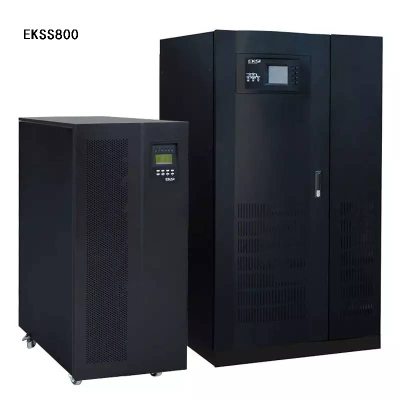
Low Frequency China Manufacturer 3 Phase UPS Lifepo4 Ups 120 Kva Ups Price
$7896.61 - $7999.16
MOQ: 2 pieces


High Frequency 220V Online UPS Pure Sine Wave Uninterruptible Power Supply 1K-3kVA
$50.00 - $225.00
MOQ: 20 Pieces


Online Pure Sine Wave UPS System Long Time Batteries Back up 3 Phase
$1500.00 - $2400.00
MOQ: 1 Pieces


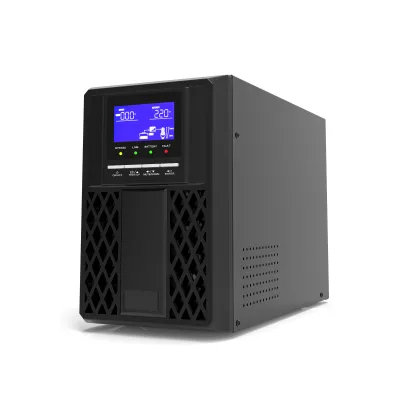
Chinese Supplier 2kva Single Phase Fast Charging High Frequency Online Ups for Home Use
$92.00 - $165.00
MOQ: 50 pieces
Comprehensive Sourcing Guide
Sine Wave Output UPS Sourcing Guide
Procuring an uninterruptible power supply (UPS) with a sine wave output is a critical decision for ensuring the reliability of sensitive electronic infrastructure. Unlike modified sine wave units, which can cause overheating or malfunction in inductive loads, a pure sine wave output mimics the clean power provided by the utility grid. This guide provides evidence-based procurement strategies for sourcing these systems, focusing on technical verification, commercial terms, and supplier qualification to mitigate risk in B2B transactions.
The market for sine wave UPS units spans a wide range of capacities, from small decentralized units to large centralized industrial systems. Buyers must navigate a complex landscape where product attributes vary significantly based on application, such as communication networks, data centers, or medical devices. Understanding the observed listing signals and technical specifications is essential for aligning procurement goals with actual product capabilities, ensuring that the selected UPS meets the specific power quality and continuity requirements of the facility.
Product Scope and Observed Listing Signals
The observed product range for Sine Wave Output UPS units is extensive, with listed prices ranging from approximately $1 to nearly $8,000 USD. This broad spectrum reflects the diversity in capacity, configuration, and feature sets available from manufacturers. Minimum order quantities (MOQs) also vary widely, starting from single units for pilot projects or small-scale deployments up to 500 units for large-scale infrastructure rollouts. Buyers should interpret these ranges as indicators of market segmentation rather than fixed benchmarks, as specific requirements will dictate the appropriate tier of equipment.
Product classifications within this category include both standby and online topologies, with online units offering superior protection by continuously converting power. Listings often highlight features such as single-phase or three-phase inputs, with output capacities categorized as small or large types. Some units are designed for decentralized equipment modes, while others support centralized models for larger facilities. The presence of customization options and OEM/ODM services suggests that many manufacturers are willing to tailor specifications, such as battery quantity or enclosure size, to meet specific client needs.
Technical Specifications to Verify
When evaluating sine wave UPS units, verifying the output waveform is paramount. The core requirement is a pure sine wave output, which ensures compatibility with sensitive loads like servers, medical devices, and precision industrial machinery. Buyers should confirm that the unit operates in an online mode, providing a transfer time of 0ms to prevent any interruption in power supply. This continuous conversion process eliminates the brief gaps associated with standby UPS systems, making it the preferred choice for critical applications where data integrity and equipment safety are non-negotiable.
Input and output voltage parameters must be matched to the local electrical infrastructure. Common specifications include an input voltage range of 115-300VAC, allowing for flexibility in regions with unstable grid conditions, and a standard output voltage of 220V. Frequency stability is also crucial, with units typically supporting 50Hz or 60Hz outputs. Additionally, buyers should assess the physical dimensions and weight, as these factors impact installation logistics. For instance, some large-capacity units may weigh up to 1200kg and require specific floor loading considerations, while smaller units might fit within standard rack spaces or have compact footprints.
Battery configuration is another critical technical aspect. Many sine wave UPS units are sold without batteries, allowing for customized battery banks based on required standby time. Buyers should verify the charging time, with some units capable of reaching 90% charge in six hours, and ensure that the battery type, such as LiFePO4, aligns with longevity and safety requirements. The working temperature range, typically 0-40 degrees Celsius, should also be considered to ensure proper operation in the intended environment.
Compliance and Safety Documentation
Safety and compliance documentation are essential for ensuring that the UPS units meet international and local regulatory standards. Buyers should request certificates for electrical safety, electromagnetic compatibility, and environmental compliance. While specific certification statuses may vary by manufacturer, it is crucial to verify that the equipment adheres to recognized standards for power electronics. This includes checking for proper insulation, grounding, and protection against electrical hazards.
Environmental and operational safety features should also be documented. Units often include protections against overvoltage, overload, and overcurrent conditions, which help prevent damage to both the UPS and connected loads. Buyers should verify that the packaging and shipping methods comply with safety regulations to prevent pollution or damage during transit. Additionally, information regarding the operating temperature range and ventilation requirements should be reviewed to ensure safe and efficient operation in the installation environment.
Cost Drivers and Commercial Terms
The cost of sine wave UPS units is influenced by several factors, including capacity, topology, and customization options. Online UPS systems with pure sine wave outputs generally command a premium due to their superior performance and reliability. Buyers should consider the total cost of ownership, which includes not only the initial purchase price but also installation, maintenance, and potential battery replacement costs. The observed price range of $1 to $8,000 USD reflects these variations, with higher-end units offering advanced features and larger capacities.
Commercial terms such as MOQ, lead times, and warranty periods are critical components of the procurement process. While specific lead times may vary, buyers should negotiate clear delivery schedules to align with project timelines. Warranty periods, often ranging from one year, provide a baseline for manufacturer support, but buyers should explore options for extended warranties or service contracts. Additionally, the availability of OEM/ODM services may impact pricing, as custom configurations often involve additional engineering and production costs.
Supplier Qualification and Quality Control
Supplier qualification is a vital step in the sourcing process, ensuring that the manufacturer has the capability to produce high-quality sine wave UPS units. Buyers should verify the supplier’s production capacity, quality control processes, and track record in the industry. Suppliers located in major manufacturing hubs, such as Shenzhen or Jiangsu in China, often have established supply chains and expertise in power electronics. However, buyers should conduct due diligence to confirm the supplier’s reliability and financial stability.
Quality control measures should be clearly defined and agreed upon before placing orders. This includes pre-shipment inspections, factory audits, and verification of product specifications against agreed-upon standards. Buyers should request detailed product data sheets and test reports to validate performance claims. Additionally, establishing clear communication channels and technical support protocols with the supplier can help resolve issues quickly and ensure a smooth procurement process.
Long-Term Procurement Checks
Long-term procurement success depends on establishing a robust relationship with the supplier and implementing ongoing quality assurance measures. Buyers should regularly review supplier performance metrics, including delivery times, product quality, and after-sales support. This continuous monitoring helps identify potential issues early and allows for proactive management of the supply chain. Additionally, staying informed about technological advancements in UPS systems can help buyers make informed decisions about future upgrades or replacements.
Maintenance and support plans are crucial for ensuring the longevity and reliability of the UPS units. Buyers should negotiate comprehensive service agreements that include regular maintenance, spare parts availability, and technical assistance. Understanding the charging time, battery lifespan, and overall system efficiency can help optimize maintenance schedules and reduce downtime. By focusing on these long-term factors, buyers can maximize the value of their investment and ensure uninterrupted power supply for their critical operations.
FAQs
What output waveform does this UPS provide?
This UPS provides a pure sine wave output to ensure safe operation for sensitive equipment. It is designed as an online type with a transfer time of 0ms to prevent any power interruption during switching.
Can the battery be customized for this unit?
Yes, the battery quantity can be customized as the standard model ships without a battery. You may request specific battery configurations to meet your unique power backup duration requirements.
What is the input voltage range for operation?
The unit operates within an input voltage range of 115 to 300VAC. This wide range allows for stable performance even when the incoming power supply fluctuates significantly.
How long does it take to charge the battery?
The charging time is approximately 6 hours to reach 90% full capacity. This ensures the unit is ready for use quickly after a power outage or initial setup.
Which applications are suitable for this UPS?
This UPS is suitable for computers, data centers, and medical devices. It is also applicable in communication and industrial sectors requiring reliable power protection against overvoltage and overload.
What display features are included on the unit?
The unit features an LCD display, and some models include an LCD plus LED display. This allows users to monitor status, voltage, and frequency clearly at a glance.
Is OEM or ODM service available for this product?
Yes, OEM and ODM services are available for this product. Manufacturers can customize the equipment to meet specific branding or technical requirements for different market needs.
What is the warranty period for this UPS?
The warranty period is 1 year for this UPS. This coverage ensures protection against manufacturing defects and provides peace of mind for business and industrial users.