Source Single Bucket Elevator for Mining, Grain, and Chemical Transport
Find and compare 30 Single Bucket Elevator options for mining, grain, and chemical applications. Evaluate materials like stainless steel and carbon steel, check capacities up to 2000T/H, and review customization features for your industrial needs.
Key considerations
Products List


High-Performance Vertical Bucket Elevator for Efficient Material Handling
$5000.00 - $30000.00
MOQ: 1 Pieces


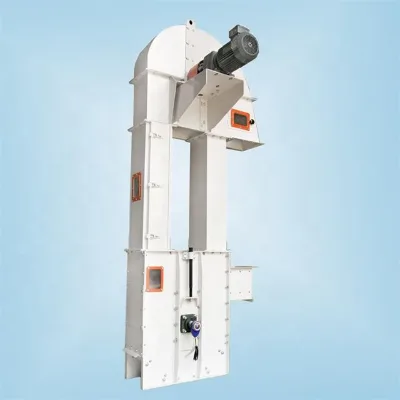


Bucket Elevator High Efficient Grain Chain Bucket Elevator Machine Equipment
$800.00 - $3000.00
MOQ: 1 Pieces


Comprehensive Sourcing Guide
Single Bucket Elevator Sourcing Guide
Selecting the right Single Bucket Elevator requires a careful balance of material compatibility, throughput capacity, and structural integrity. These systems are fundamental to vertical or inclined material handling in industries ranging from agriculture to heavy manufacturing. Buyers must prioritize equipment that aligns with the specific physical properties of their bulk solids, such as abrasiveness, moisture content, and particle size. The choice between different bucket designs and drive mechanisms directly impacts operational efficiency and maintenance costs over the lifecycle of the installation.
This guide provides a structured approach to evaluating suppliers and specifications for single bucket elevators. It focuses on verifying technical claims, understanding cost drivers, and ensuring compliance with relevant safety and quality standards. By adhering to these procurement principles, buyers can mitigate risks associated with equipment failure, inefficient material flow, and non-compliant documentation. The following sections detail the critical factors that should influence sourcing decisions for this essential material handling equipment.
Product Scope and Observed Listing Signals
The market for single bucket elevators encompasses a diverse range of configurations tailored to specific industrial needs. Observed listings indicate that these systems are commonly constructed from materials such as stainless steel, carbon steel, and plastic, including HDPE and nylon variants. The choice of material is often dictated by the application environment; for instance, stainless steel and fire-resistant properties are highlighted for use in the chemical industry, while plastic buckets are frequently associated with grain, rice, and feed processing. Buyers should note that customization is widely available, allowing for modifications in color, shape, and specific model specifications to meet unique operational requirements.
Listing signals also reveal a variety of structural types, including conveyor systems and chain conveyors, which suggest flexibility in how the buckets are transported and supported. Applications span mining transport, power plants, grain handling, and chemical processing, indicating that the equipment is versatile enough for both abrasive and delicate materials. Some suppliers offer free samples, which can be a valuable tool for testing bucket compatibility with specific bulk materials before committing to a large order. Additionally, the presence of multiple model codes, such as H-02049, H-060, and various D/CC/DS series, suggests a standardized yet customizable product line where buyers can select from pre-defined configurations or request bespoke solutions.
Technical Specifications to Verify
When evaluating technical specifications, the maximum capacity is a primary metric for determining suitability. Observed data points to a maximum capacity of 2000 tons per hour for certain models, while other listings indicate capacities ranging from 1 to 20 tons per hour. Buyers must verify that the selected unit’s throughput aligns with their peak production demands, ensuring that the elevator can handle the required volume without bottlenecks. It is crucial to confirm whether the stated capacity applies to specific material densities, as bulk density variations can significantly affect actual throughput rates.
Material construction and structural integrity are equally critical. Buyers should verify the specific grade of steel or plastic used, particularly for applications involving high heat or corrosive chemicals. The availability of fire-resistant and heat-resistant materials is a key feature for industries like mining and chemical processing. Additionally, the shape of the buckets, such as square designs, and the type of drive system, whether transmission-based or chain-driven, should be matched to the material’s flow characteristics. Buyers should also check the packaging standards, which range from wooden boxes and pallets to woven bags, as this impacts shipping costs and protection during transit.
Compliance and Safety Documentation
Compliance with international and national standards is essential for ensuring the safety and reliability of single bucket elevators. Observed certifications include ISO, ISO9001:2008, SGS, TUV, and SONCAP, which indicate that suppliers adhere to recognized quality management and safety protocols. Buyers should request copies of these certificates to verify their validity and ensure they cover the specific models being purchased. National standards are also referenced, suggesting that equipment may need to meet local regulatory requirements depending on the destination country.
Safety features and operational documentation are vital for risk mitigation. Buyers should inquire about the inclusion of safety guards, emergency stop mechanisms, and proper labeling in accordance with relevant standards. While CE marking is mentioned in background contexts, buyers should not assume compliance without explicit verification from the supplier. It is important to ensure that all electrical components and mechanical parts meet the safety standards of the operating region. Proper documentation, including operation manuals and maintenance guides, should be provided to ensure safe and efficient use of the equipment.
Cost Drivers and Commercial Terms
Several factors influence the total cost of ownership for single bucket elevators, including material selection, customization level, and capacity. Stainless steel and specialized plastics like HDPE or nylon typically command higher prices than standard carbon steel due to their durability and resistance properties. Customization options, such as specific bucket shapes or colors, may also incur additional costs. Buyers should request detailed quotations that break down these variables to understand the true cost implications of their specific requirements.
Commercial terms, including minimum order quantities (MOQ) and lead times, are significant considerations for procurement planning. Observed MOQs range from 1 to 100 units, offering flexibility for both small-scale and large-scale operations. Lead times can extend up to 45 days, particularly for customized orders, which requires careful scheduling to avoid production delays. Buyers should also consider shipping and packaging costs, as options like wooden cases or containers may affect freight charges. Negotiating clear terms for warranties, after-sales support, and spare parts availability can further impact the overall value proposition.
Supplier Qualification and Quality Control
Evaluating supplier qualifications is crucial for ensuring the reliability of Single Bucket Elevator purchases. Buyers should verify the supplier’s manufacturing capabilities, including their experience with specific materials and applications. The presence of certifications like ISO and SGS indicates a commitment to quality management, but buyers should also assess the supplier’s track record in delivering consistent product quality. Requesting references or case studies from similar industries can provide insights into the supplier’s ability to meet specific operational challenges.
Quality control processes should be transparent and rigorous. Buyers should inquire about the testing procedures employed during manufacturing, such as stress tests for buckets and durability checks for chain systems. The availability of free samples allows buyers to conduct their own quality assessments before placing bulk orders. Additionally, suppliers should provide clear information on their inspection protocols, including pre-shipment inspections and third-party verification options. Ensuring that the supplier has a robust quality control system in place helps minimize the risk of receiving defective or substandard equipment.
Long-Term Procurement Checks
Long-term procurement success depends on establishing a sustainable relationship with suppliers who can support ongoing operational needs. Buyers should consider the availability of spare parts, such as replacement buckets and chains, to minimize downtime during maintenance. Suppliers that offer comprehensive after-sales support, including technical assistance and troubleshooting, add significant value to the procurement process. It is also important to evaluate the supplier’s ability to provide upgrades or modifications as operational requirements evolve over time.
Regular performance reviews and feedback loops are essential for maintaining high standards. Buyers should monitor the performance of the installed elevators, tracking metrics such as throughput efficiency, maintenance frequency, and material loss. This data can be used to negotiate better terms with suppliers or to identify areas for improvement in future purchases. By maintaining a proactive approach to supplier management and equipment performance, buyers can ensure that their Single Bucket Elevator systems continue to meet their operational goals efficiently and cost-effectively.
FAQs
What materials are used for Single Bucket Elevator buckets?
Single Bucket Elevator buckets are commonly manufactured from stainless steel, carbon steel, plastic, or HDPE. Material selection depends on the application, such as grain transport or chemical industry use. Stainless steel offers durability and corrosion resistance, while plastic variants like HDPE are suitable for food-grade or feed applications. Customization is available to match specific operational requirements.
Can single bucket elevators handle high capacity loads?
Yes, Single Bucket Elevator systems can handle significant throughput, with some models supporting a maximum capacity of 2000 tons per hour. The actual capacity depends on the specific model and configuration, such as H-02049 or H-060. These systems are designed for efficient transport in mining, power plants, and grain processing, ensuring reliable performance under heavy load conditions.
What certifications are available for Single Bucket Elevator suppliers?
Suppliers of single bucket elevators often provide products certified under ISO standards, with some adhering to ISO9001:2008. Additional certifications may include SGS, TUV, and SONCAP, depending on the manufacturer and target market. These certifications ensure quality management and compliance with international standards, providing buyers with confidence in the reliability and safety of the equipment.
How long is the lead time for Single Bucket Elevator orders?
The lead time for Single Bucket Elevator orders is typically around 45 days. This timeframe allows for manufacturing, quality control, and preparation for shipment. Buyers should consider this duration when planning their procurement schedules. Customization options may also influence the timeline, so it is advisable to confirm specific lead times with the supplier at the time of order.
What packaging options are available for Single Bucket Elevator parts?
Single Bucket Elevator parts are packaged in various ways, including wooden boxes, woven bags with pallets, cartons, or general packaging. The choice of packaging depends on the product type and shipping requirements. For example, buckets may be packed in woven bags and pallets, while larger components might use wooden cases or containers to ensure safe transit.
Are single bucket elevators customizable for specific applications?
Yes, single bucket elevators can be customized to suit specific applications such as mining, grain transport, or chemical industry use. Customization options include material selection, bucket shape, and capacity adjustments. Some models offer non-customized standard options, while others allow for tailored solutions. Buyers should specify their requirements to ensure the equipment meets their operational needs.