Source Single Cavity Boat Molds for Marine, Yacht, and Watercraft
Compare 30 verified suppliers offering Single Cavity Boat Molds tailored for marine, yacht, and watercraft applications. Buyers can evaluate mold materials, cavity configurations, and lead times to find the right solution for their production needs.
Key considerations
Products List


Custom Precision ABS Plastic Molds for High-Quality Injection Molding
$1000.00 - $3000.00
MOQ: 1 Pieces


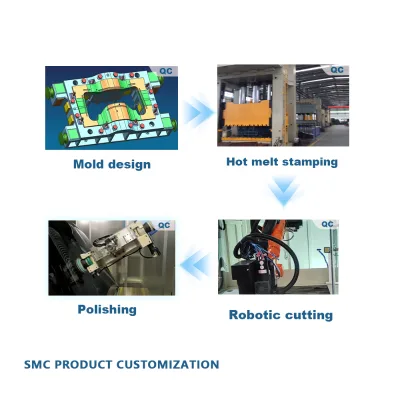





Customized Plastic Rotomould Rescue Boat Mold
$5000.00 - $20000.00
MOQ: 1 Pieces
Hengshui First Class Rotomolding Equipment Technology Co., Ltd.


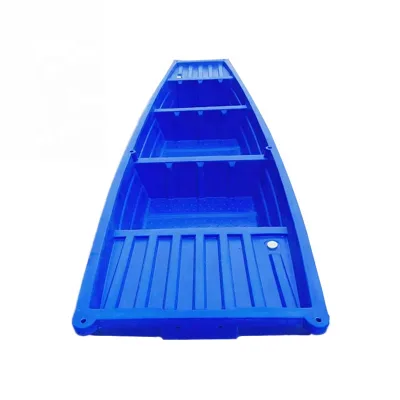
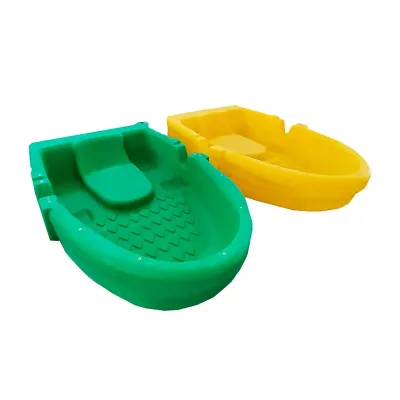
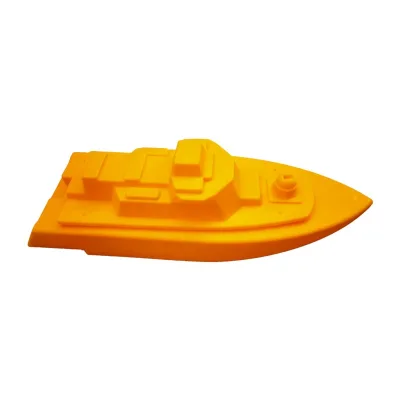



Comprehensive Sourcing Guide
Strategic Sourcing Guide for Single Cavity Boat Molds
Understanding the Technical Architecture of Single Cavity Molds
When sourcing Single Cavity Boat Molds, buyers must first distinguish the specific technical requirements from general plastic molding capabilities. The core keyword "single cavity" implies a production strategy focused on high-volume consistency for individual, large-scale components rather than the rapid turnover of smaller, multi-part assemblies. In the context of boat manufacturing, this often refers to critical structural or aesthetic elements such as hull inserts, deck fittings, or interior cabin components. The provided data indicates that while the industry standard often supports multi-cavity configurations, the single-cavity approach is a valid and often necessary option for large parts where dimensional stability is paramount.
The mold base is a critical structural component that dictates the longevity and precision of the tooling. Suppliers typically offer bases from recognized international standards such as LKM, Hasco, and DME. These brands provide a baseline for interchangeability and reliability. For a boat mold, the steel standard is equally vital. The supply chain data references high-grade steels including SKD11, SKD61, DC53, and Hap5r, alongside specific standards like Assab, Finkl, and Bohler. These materials are selected for their resistance to corrosion and wear, which is essential when molding materials like PA66+GF (Polyamide 66 with Glass Fiber) or thermosetting plastics often used in marine environments. The tolerance for these molds is typically specified at +/-0.01mm, a precision level that ensures the final molded parts fit together seamlessly, a non-negotiable requirement for watertight boat assemblies.
The injection system selected for the mold significantly impacts the quality of the final product. While multi-color injection is available, single-cavity boat molds frequently utilize hot runner or cold runner systems depending on the resin flow characteristics. The cooling system, often incorporating baffles, spiral pipes, or 3D-printed water lines, is designed to manage the thermal expansion of large parts. For boat components, the cooling efficiency is crucial to prevent warping, which can compromise the structural integrity of the hull or deck. The data confirms that the molding method is injection molding, utilizing granule plastic forms, and the design capability includes DFM (Design for Manufacturability) and mold flow analysis to optimize these parameters before the steel is cut.
Compliance, Certification, and Material Verification
In the marine industry, compliance is not merely a formality but a safety imperative. Buyers must verify that the mold supplier adheres to rigorous certification standards. The available data points to ISO certification as a standard requirement for reputable manufacturers. While the specific ISO standard number is not explicitly listed in the provided text, the presence of "ISO" as a certification attribute suggests adherence to international quality management systems. For boat molds, this often extends to specific marine safety standards regarding material flammability, toxicity, and structural load-bearing capacity, which the buyer must request and verify against the specific application.
Material verification is the second pillar of compliance. The molds are designed to process a wide range of plastics, including ABS, PA, PC, PE, PP, PS, PVC, and POM. However, for boat applications, the specific material PA66+GF is highlighted in the data. This material offers high strength and stiffness, essential for marine hardware. Buyers must ensure that the supplier can provide material certificates of analysis (CoA) for the resins they recommend or supply. The data also notes the use of thermosetting plastics and thermoplastics, requiring the buyer to confirm which resin type is compatible with the specific boat component being produced.
Furthermore, the surface finish process is a critical compliance factor for marine environments. The data lists options such as texture, EDM, and SPI Chrome Coating. In a marine setting, corrosion resistance is paramount. The SPI Chrome Coating, for instance, provides a hard, protective layer that resists saltwater degradation. Buyers should verify that the surface finish process aligns with the environmental exposure of the boat part. If the part is intended for a high-salinity environment, a standard polishing finish may be insufficient without additional protective coatings. The supplier's ability to demonstrate a history of successful surface treatments for marine applications should be a key part of the compliance audit.
Cost Drivers and Pricing Variables
The pricing for Single Cavity Boat Molds is influenced by a complex interplay of factors, ranging from raw material costs to the complexity of the mold design. The observed price range in the market spans from $0.10 to over $30,000, a variance that reflects the difference between simple inserts and complex, high-precision injection molds. For a single cavity boat mold, the cost is heavily driven by the mold material selection. High-grade steels like ASP30 or Hap5r command a premium over standard tool steels due to their extended mold life, which can reach up to 1 million shots.
Another significant cost driver is the lead time and the complexity of the cooling system. The data indicates a lead time of 4 weeks until the T1 (first trial) sample. This timeline can extend based on the availability of standard parts and cylinders from brands like DME, Hasco, or Parker. The use of 3D-printed water lines, while offering superior cooling efficiency, adds to the manufacturing cost and time compared to traditional spiral pipes. Additionally, the customization level plays a role; while customization is available, highly complex geometries requiring extensive DFM analysis and mold flow simulation will increase the engineering costs.
The production quantity also influences the cost structure. While the data mentions production quantities up to 1 million, the initial mold cost is a fixed investment. For single cavity molds, the cost per part decreases as the volume increases, but the initial tooling cost remains high. Buyers should be aware that the "Standard Delivery" time is listed as 40 days or 5 weeks, but this can vary based on the shipping method chosen, such as sea freight or air transportation via DHL, FedEx, or UPS. The choice of shipping method directly impacts the total landed cost, especially for large, heavy molds.
Typical Applications and Functional Requirements
Single Cavity Boat Molds are primarily utilized for manufacturing large, high-strength components where dimensional accuracy and surface quality are critical. The data lists applications in the automotive, household appliances, and electronic sectors, but for boat molds, the specific focus is on marine hardware and structural components. These include deck fittings, hull inserts, interior cabin panels, and various fittings that require a seamless fit and high durability.
The functional requirements for these parts often involve resistance to UV radiation, saltwater corrosion, and mechanical stress. The use of thermosetting plastics and thermoplastics like PA66+GF suggests that the parts are designed to withstand harsh marine conditions. The single-cavity design ensures that each part is produced with consistent quality, minimizing the risk of defects that could lead to structural failure in a boat. The data also mentions "Plastic Part Name: Molded Parts for Household Products," which can be extrapolated to include marine household items like storage bins, seating, and interior trim.
The runner system, typically cold runner in the provided data, is selected for its simplicity and reliability in single-cavity applications. However, for large boat parts, the runner system must be designed to ensure uniform filling of the mold cavity to prevent voids or sink marks. The ejector system, which can include pins, air valves, or stripper plates, must be carefully designed to avoid damaging the surface of the large parts. The choice of ejector system depends on the part geometry and the surface finish requirements, with air valves often preferred for delicate or large surface areas to prevent marking.
Supplier Evaluation and Design Capabilities
Evaluating a supplier for Single Cavity Boat Molds requires a deep dive into their design capabilities and technical expertise. The data highlights that suppliers should offer DFM, mold flow analysis, and full 2D & 3D design services. These capabilities are essential for optimizing the mold design before production begins, ensuring that the final part meets the required specifications without costly rework. Buyers should verify that the supplier has experience with marine-specific applications and can provide case studies or references from similar projects.
The data exchange formats are another critical evaluation point. Suppliers must be proficient in handling various CAD formats, including UG, PRO/E, Solidworks, Catia, CAD, STP, X_T, and Igs. This ensures seamless communication and data transfer between the buyer and the supplier. The ability to work with these formats reduces the risk of errors in the mold design and ensures that the final product matches the original intent.
Furthermore, the supplier's location and logistics capabilities should be considered. The data indicates that the origin is Guangdong, China, a major hub for mold manufacturing. Buyers should evaluate the supplier's ability to handle international shipping and customs clearance, especially for large molds. The delivery options, including sea freight and air transportation, should be discussed to ensure that the molds arrive on time and in good condition. The supplier's ability to provide standard or custom packing is also important to protect the molds during transit.
Quality Control and Long-Term Procurement Considerations
Quality control is the final and most critical step in the procurement process. The data specifies a tolerance of +/-0.01mm, which must be strictly adhered to during the production and inspection phases. Buyers should request detailed inspection reports, including CMM (Coordinate Measuring Machine) data, to verify that the molds meet the specified tolerances. The mold life, estimated at 500,000 to 1 million shots, should be validated through testing and quality assurance protocols.
Long-term procurement considerations include the availability of spare parts and the supplier's ability to provide maintenance services. The data lists standard parts and cylinders from brands like DME, Hasco, and Parker, which are widely available and should be used to ensure compatibility and ease of maintenance. Buyers should also consider the supplier's ability to provide updates and improvements to the mold design based on feedback from production runs.
The customization aspect of the molds is another long-term consideration. While the data indicates that customization is available, buyers should ensure that the supplier has the flexibility to adapt to changing requirements or design updates. The ability to modify the mold design or add new features can extend the life of the tooling and reduce the need for new mold investments.
In conclusion, sourcing Single Cavity Boat Molds requires a comprehensive understanding of the technical, compliance, and logistical factors involved. By carefully evaluating the supplier's capabilities, verifying the material and certification standards, and establishing robust quality control protocols, buyers can ensure the successful production of high-quality marine components. The data provided offers a solid foundation for making informed decisions, but buyers must remain vigilant in verifying specific details to meet the unique demands of the marine industry.
FAQs
What certifications do single cavity boat mold manufacturers hold?
Reputable manufacturers hold ISO certification for quality management systems. This ensures adherence to international standards for production processes and material verification, which is critical for marine applications requiring high durability and safety compliance.
Which mold materials are suitable for single cavity boat parts?
High-grade steels like SKD11, SKD61, DC53, and Hap5r are commonly used for these molds. These materials offer the necessary resistance to wear and corrosion required when processing thermoplastics or thermosetting plastics for marine environments.
How long is the lead time for single cavity boat mold production?
The standard lead time is approximately four weeks until the first trial sample is ready. Delivery of the finished mold typically takes around 40 days or five weeks, depending on the chosen shipping method and customization requirements.
Can Single Cavity Boat Molds be customized for specific resin types?
Yes, customization is available for specific resin types like PA66+GF or ABS. Suppliers can adjust the mold design and cooling systems to accommodate different plastic forms and ensure optimal flow characteristics for large boat components.
What is the typical tolerance for single cavity boat mold cavities?
The typical tolerance for these precision molds is plus or minus 0.01 millimeters. This high level of accuracy ensures that large boat parts fit together seamlessly and maintain the structural integrity required for watertight assemblies.
Which mold base brands are used for Single Cavity Boat Molds?
Standard mold bases from brands like LKM, Hasco, and DME are frequently utilized. These bases provide reliable interchangeability and structural support, ensuring the longevity and precision needed for high-volume production of marine hardware components.
What surface finish processes are available for Single Cavity Boat Molds?
Available surface finishes include texture, EDM, SPI Chrome Coating, and polishing. These processes are selected based on the specific marine environment to ensure corrosion resistance and aesthetic quality for parts like hull inserts or deck fittings.