Source Single-Deck Used Bus for School, Coach, and City Transit
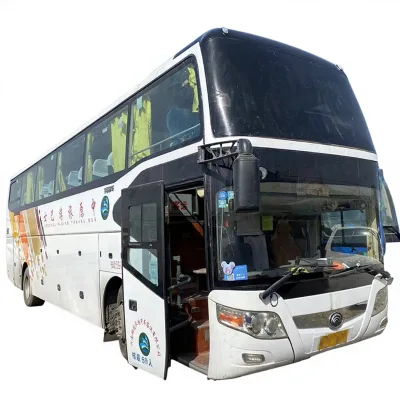
Find 18 Single-Deck Used Bus options with manual transmissions and diesel engines. Compare seat capacities ranging from 31 to 70, emission standards, and dimensions to select the right vehicle for school, coach, or city transit applications.
Key considerations
Products List


Fully Renovated 2023 Used 53 Passenger Long Distance Single Deck Coach Bus for Sale
$9900.00 - $16500.00
MOQ: 1 Pieces


Good Quality Used Bus Cheap Price Buses Second Hand Used Bus (4 reviews)
$15800.00 - $16500.00
MOQ: 1 Pieces


$23528.00 - $35000.00
MOQ: 1 Pieces


Used Bus Yutong Single Deck Used Diesel Coach with 60 Plus Seater Large Capacity
$16000.00 - $17000.00
MOQ: 1 Pieces


Comprehensive Sourcing Guide
Single-Deck Used Bus Sourcing Guide
Sourcing a Single-Deck Used Bus requires a disciplined approach to balancing operational readiness with regulatory compliance. The global market for pre-owned commercial vehicles is fragmented, with listings often varying significantly in condition, documentation, and technical specifications. Buyers must navigate a landscape where "used" can range from lightly utilized fleet replacements to heavily worn assets requiring immediate overhaul. This guide provides evidence-based procurement strategies for acquiring single deck buses, focusing on verification of physical attributes, compliance documentation, and commercial risk mitigation. By adhering to structured due diligence processes, procurement teams can secure assets that meet specific transit, school, or coach requirements without exposing the organization to hidden liabilities or operational downtime.
The following sections outline the critical dimensions of sourcing used single deck buses, from interpreting listing signals to establishing long-term maintenance protocols. Each section is designed to help buyers make informed decisions based on observable facts and industry-standard verification steps. The focus remains on actionable guidance that enhances procurement efficiency and reduces the risk of acquiring non-compliant or mechanically unsound vehicles.
Product Scope and Observed Listing Signals
The market for single deck used buses presents a diverse array of configurations, primarily categorized by seating capacity, structural design, and intended usage. Listings frequently indicate seat capacities ranging from approximately 31 to over 70, reflecting variations in interior layout and vehicle class. Structural attributes often include single-deck designs, with some units specified as low-floor buses to enhance accessibility. These physical characteristics directly influence the vehicle’s suitability for specific applications, such as urban transit, school transport, or intercity coaching. Buyers should carefully review these structural details to ensure alignment with their operational needs, particularly regarding passenger volume and accessibility requirements.
Fuel type and transmission are critical differentiators in the used bus market, with diesel engines and manual transmissions being common observations in available listings. Engine capacities often exceed 8 liters, indicating robust powerplants designed for heavy-duty use. Power outputs vary, with observed figures ranging from 180 kW to 243 kW, while torque specifications also show significant variation. These technical indicators suggest that buyers must verify the specific engine and transmission configuration for each unit, as performance characteristics will directly impact fuel efficiency, maintenance costs, and driver comfort. Additionally, customization options and color preferences may be available, allowing for some degree of tailoring to brand or operational standards.
Technical Specifications to Verify
Verifying the physical dimensions and model identifiers is essential to ensure the bus fits within operational constraints and regulatory limits. Standard dimensions observed in listings include lengths around 10,490 mm to 12,000 mm, widths near 2,450 mm to 2,550 mm, and heights between 3,330 mm and 3,670 mm. These measurements must be cross-referenced with local infrastructure requirements, such as garage clearance, bridge heights, and parking space dimensions. Model numbers, such as 6122, 6115, or ZK6110, serve as key identifiers for sourcing parts and technical manuals. Buyers should confirm these model numbers with the seller to ensure accurate identification of the vehicle’s manufacturing year and original specifications.
Performance metrics, including maximum speed and steering systems, require careful assessment to guarantee safe and efficient operation. Observed maximum speeds typically fall within the 91-110 km/h range, which is suitable for urban and suburban routes but may be insufficient for high-speed highway coaching. Steering configurations, such as integral power steering, and positions, including right-hand drive (RHD), must be verified against local traffic laws and driver training requirements. Additionally, the condition of the vehicle, often described as "good" or "used," should be substantiated by a thorough mechanical inspection. Buyers should prioritize units with documented maintenance histories and clear evidence of recent servicing to minimize the risk of unexpected breakdowns.
Compliance and Safety Documentation
Certification and emission standards are paramount when sourcing used buses, particularly for cross-border transactions or deployment in regulated markets. Listings may reference certifications such as CCC or ISOCCC, which indicate compliance with specific national or international quality and safety standards. However, buyers must verify the validity and applicability of these certifications for their intended region of operation. Emission standards, often cited as Euro-compliant, are critical for environmental compliance and may affect the vehicle’s eligibility for operation in low-emission zones. Buyers should request official documentation to confirm the exact emission standard and ensure it meets local regulatory requirements.
Safety features and structural integrity must be rigorously evaluated to prevent accidents and ensure passenger safety. The vehicle’s condition, including the state of the chassis, bodywork, and interior fittings, should be assessed by qualified inspectors. Documentation regarding previous accidents, repairs, and mileage is essential for understanding the vehicle’s history. Buyers should also verify the status of critical safety components, such as brakes, tires, and emergency exits. In some cases, additional certifications or inspections may be required to meet local safety regulations, so buyers should consult with local authorities to determine specific documentation needs before finalizing a purchase.
Cost Drivers and Commercial Terms
The pricing of used single deck buses is influenced by a variety of factors, including age, condition, mileage, and market demand. Observed price ranges in the market can vary significantly, with listings indicating prices from approximately $9,900 to $36,488. These variations reflect differences in vehicle specifications, certification status, and seller location. Buyers should conduct thorough market research to establish a realistic budget and negotiate effectively. It is important to note that prices are often negotiable, and buyers should be prepared to engage in discussions to secure favorable terms.
Commercial terms, including minimum order quantities (MOQ) and payment conditions, also play a crucial role in the procurement process. In the used bus market, MOQs are typically one unit, reflecting the individual nature of these transactions. Payment terms may vary, with some sellers requiring full payment upfront, while others may offer installment plans or escrow services. Buyers should carefully review the terms of sale, including warranties, return policies, and after-sales support. Additionally, costs related to transportation, customs duties, and registration should be factored into the total cost of ownership to avoid unexpected expenses.
Supplier Qualification and Quality Control
Selecting a reliable supplier is critical to ensuring the quality and authenticity of the used bus. Buyers should prioritize suppliers with a proven track record in the commercial vehicle market, verified through customer reviews, industry references, and professional certifications. Due diligence should include verifying the supplier’s legal status, business license, and financial stability. It is also advisable to request detailed information about the supplier’s sourcing channels and inspection processes to ensure that the vehicles are obtained through legitimate means.
Quality control measures should be implemented throughout the procurement process to mitigate risks. Buyers should insist on comprehensive pre-purchase inspections conducted by independent, third-party experts. These inspections should cover mechanical, electrical, and structural components, as well as a test drive to assess performance under real-world conditions. Documentation of the inspection results should be reviewed carefully, and any identified issues should be addressed before finalizing the purchase. Additionally, buyers should establish clear communication channels with the supplier to address any concerns or discrepancies that may arise during the transaction.
Long-Term Procurement Checks
Establishing a robust maintenance and support strategy is essential for maximizing the lifespan and performance of a used single deck bus. Buyers should develop a comprehensive maintenance plan that includes regular inspections, scheduled servicing, and timely replacement of wear-and-tear components. Access to genuine spare parts and technical support is crucial for minimizing downtime and ensuring optimal operation. Buyers should verify the availability of parts and service networks in their region before purchasing, as limited support can lead to increased costs and operational disruptions.
Continuous monitoring of the vehicle’s performance and condition is necessary to identify potential issues early and prevent costly repairs. Buyers should implement a fleet management system to track mileage, fuel consumption, and maintenance history. Regular reviews of operational data can help identify trends and inform future procurement decisions. Additionally, staying informed about changes in regulations, emission standards, and industry best practices is important for ensuring ongoing compliance and operational efficiency. By adopting a proactive approach to procurement and maintenance, buyers can secure reliable and cost-effective used bus assets that meet their long-term transportation needs.
FAQs
What is the typical seat capacity for a Single-Deck Used Bus?
Seat capacity varies by model, ranging from 31 to over 70 seats. Common configurations include 39, 47, 50-60, and 59 seats. Buyers should verify specific seating layouts based on the intended usage, such as coach, school, or city transit applications.
Can I customize the color and interior of a used bus?
Yes, customization is available and accepted for many units. Buyers can often select optional exterior colors and interior configurations. This flexibility allows operators to tailor the vehicle to specific brand identities or functional requirements before deployment in service.
What emission standards do these used buses meet?
Many units comply with Euro emission standards. Specific models may adhere to Euro classifications depending on their manufacturing year and engine configuration. Buyers should verify the exact emission standard for each vehicle to ensure compliance with local environmental regulations.
What is the maximum speed of a Single-Deck Used Bus?
The maximum speed typically ranges from 91 to 110 km/h. This performance level is suitable for intercity coach routes and urban transit operations. Buyers should confirm the specific speed rating for each model to match operational requirements.
How are single deck used buses packed for shipping?
Packing methods include spray wax and tarpaulin protection to prevent damage during transit. Dimensions for packing may vary, with some units packed in containers measuring up to 12800x3000x4000mm. Proper packaging ensures the vehicle arrives in good condition.
What certifications are associated with these used buses?
Certifications such as CCC and ISOCCC are associated with these vehicles. These documents verify compliance with specific quality and safety standards. Buyers should request valid certification copies to ensure the vehicles meet regulatory requirements in their destination markets.