Source Used Single-Deck Coach Bus for Transit, School, and Tour
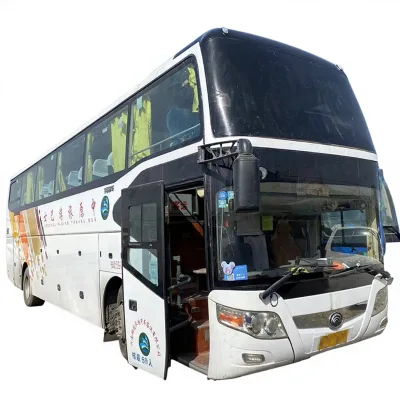
Compare 21 Used Single-Deck Coach Bus listings with diesel engines, manual transmissions, and varying seat capacities from 31 to 70. Buyers can review specifications like emission standards, dimensions, and customization options for transit, school, or tour applications; compare the available evidence and request quotations based on your requirements.
Key considerations
Products List


Used Bus Yutong Single Deck Used Diesel Coach with 60 Plus Seater Large Capacity
$16000.00 - $17000.00
MOQ: 1 Pieces


Yutong 6126 005 Diesel Single Layer 72-Seats Used Coach Bus with 3+2-Layout
$14800.00 - $15000.00
MOQ: 1 Pieces


$23528.00 - $35000.00
MOQ: 1 Pieces

Fully Renovated 2023 Used 53 Passenger Long Distance Single Deck Coach Bus for Sale
$9900.00 - $16500.00
MOQ: 1 Pieces


Comprehensive Sourcing Guide
Used Single-Deck Coach Bus Sourcing Guide
Procuring a Used Single-Deck Coach Bus requires a disciplined approach to verifying vehicle history and mechanical integrity. Buyers must prioritize transparency regarding the bus’s operational past, including total mileage and previous usage types such as school transport or intercity coaching. The observed market signals indicate a strong presence of diesel-powered units with manual transmissions, which are often preferred for their durability and lower maintenance complexity in certain regions. Understanding these baseline attributes helps narrow the search to vehicles that align with specific operational needs and budget constraints.
The condition of the bus is a critical factor, with many listings explicitly stating "used" status. This designation implies that the vehicle has been in service and requires thorough inspection before purchase. Buyers should look for detailed descriptions of the engine, chassis, and interior components to assess remaining useful life. The presence of certifications like ISOCCC suggests a level of organizational compliance from the supplier, but this does not guarantee the individual vehicle’s roadworthiness. Due diligence is essential to ensure that the advertised condition matches the physical reality of the asset.
Product Scope and Observed Listing Signals
The current market for used single deck coaches displays a wide range of specifications, particularly regarding seating capacity and physical dimensions. Listings indicate seat capacities ranging from 31 to over 70, reflecting the diversity of bus models available. Dimensions vary significantly, with some units measuring around 9000mm in length, while others extend to 12000mm. This variability allows buyers to select a bus that fits their specific passenger load requirements and garage constraints. It is crucial to match the physical size of the bus with the intended route and infrastructure limitations.
Fuel type and emission standards are also key signals in the sourcing process. Most observed units are diesel-powered, adhering to Euro emission standards, which is a common requirement for urban and intercity operations. The engine capacity often exceeds 8 liters, providing the necessary torque for heavy loads. Buyers should verify the specific Euro standard applicable to the vehicle, as this impacts where the bus can legally operate. Additionally, features like low-floor designs or integral power steering may be available, offering enhanced accessibility and ease of handling for drivers.
Technical Specifications to Verify
Verifying the technical specifications of a used coach bus is paramount to ensuring long-term reliability. Key metrics to inspect include the maximum power output, which can range from 180kw to 243kw depending on the model. Torque figures, such as 1250n.M, indicate the vehicle’s ability to handle steep gradients and heavy loads. Buyers should request detailed engine logs and maintenance records to confirm that these performance metrics are still achievable. Discrepancies between advertised and actual performance can lead to costly operational inefficiencies.
Transmission and steering systems are other critical areas for verification. Manual transmissions are common in these units, requiring drivers with specific skills to operate effectively. The steering position is typically left-hand drive (LHD), but customization options may exist. Buyers should test the steering response and transmission shifting to ensure smooth operation. Additionally, tire condition and type, such as 295/80r22.5, should be assessed for wear and compatibility with the bus’s weight class. Properly maintained tires are essential for safety and fuel efficiency.
Compliance and Safety Documentation
Compliance with local and international safety standards is non-negotiable when sourcing used buses. Buyers must ensure that the vehicle holds valid certifications, such as ISOCCC, which may indicate adherence to quality management systems. However, these certifications do not replace the need for a comprehensive safety inspection. Key documents to request include the vehicle registration, insurance history, and any previous accident reports. These records provide insight into the bus’s structural integrity and potential hidden damages.
Emission compliance is another critical documentation requirement. Buyers should verify that the bus meets the Euro emission standards required in their operating region. Non-compliant vehicles may face restrictions or fines, impacting operational viability. Additionally, safety features such as fire extinguishers, first aid kits, and emergency exits should be checked for functionality and presence. Ensuring that all safety equipment is up to date and compliant with local regulations is essential for protecting passengers and avoiding legal liabilities.
Cost Drivers and Commercial Terms
Understanding the cost drivers associated with used coach buses helps buyers budget effectively. The observed price range of 9900 to 36488 USD reflects variations in age, condition, and specifications. Factors such as engine hours, mileage, and remaining tire life significantly influence the final price. Buyers should compare multiple listings to identify fair market value and avoid overpaying for vehicles with excessive wear. Negotiating based on verified condition data can lead to better deals.
Commercial terms, including minimum order quantities (MOQ) and payment methods, vary among suppliers. Many suppliers offer an MOQ of 1, allowing for flexible purchasing. Buyers should clarify shipping costs, import duties, and delivery timelines before finalizing a purchase. Understanding the total landed cost is essential for accurate financial planning. Additionally, warranty options or post-sale support services should be discussed to mitigate risks associated with purchasing used equipment.
Supplier Qualification and Quality Control
Supplier qualification is a critical step in mitigating procurement risks. Buyers should verify the supplier’s business license, export history, and customer reviews. Suppliers with a track record of exporting used buses are more likely to provide reliable vehicles and accurate documentation. Engaging with suppliers who offer detailed vehicle inspections and transparent communication builds trust and reduces the likelihood of disputes. Due diligence on the supplier’s reputation is as important as inspecting the vehicle itself.
Quality control measures should be implemented before finalizing any purchase. Buyers should consider hiring third-party inspection services to conduct a thorough assessment of the bus. This includes checking the engine, chassis, electrical systems, and interior components. Requesting high-resolution photos or videos of the vehicle can also help identify potential issues. Establishing clear quality standards and inspection protocols ensures that the purchased bus meets the required operational and safety criteria.
Long-Term Procurement Checks
Long-term procurement success depends on establishing ongoing relationships with reliable suppliers. Buyers should maintain open communication with suppliers to stay informed about new inventory and market trends. Regularly reviewing supplier performance and vehicle quality helps identify consistent partners. Building a network of trusted suppliers reduces the time and effort required for future procurement cycles. Continuous engagement also allows for better negotiation leverage and access to exclusive deals.
Post-purchase support and maintenance planning are essential for maximizing the lifespan of used buses. Buyers should develop a maintenance schedule based on the vehicle’s condition and usage patterns. Keeping detailed records of repairs and replacements helps track the bus’s health over time. Additionally, staying updated on regulatory changes ensures continued compliance. Proactive management of the bus fleet minimizes downtime and operational costs, ensuring a return on investment.
FAQs
What seat capacities are available for used single deck coach buses?
Used single deck coach buses on this page are listed with seat capacities of 31, 39 to 70, 40, 45, and 47 seats, depending on the model. Larger units such as the 12000 mm buses offer more seating, while mid-size models around 9000 mm carry fewer passengers. Confirm the exact seat count per unit before ordering.
Which engine and performance specifications do these used buses offer?
The listed used buses are diesel powered with engine capacities above 8L, maximum power figures of 180 kW and 243 kW, and maximum torque up to 1250 N.M. Top speed ranges from 91 to 110 km/h depending on the unit. Review each listing individually because specifications vary between models such as the 6122 and XMQ6113.
How large are the used single deck coach buses in overall dimensions?
Overall dimensions differ by model, with listed standards including 9000X2450X3330 mm, 10490X2450X3330 mm, 11000X2550X3670 mm, 12000X2450X3330 mm, and 12000X2550X3600 mm. One packing size of 12800X3000X4000 mm is also noted. Measure your available yard space and transport route clearances before selecting a unit size.
Can I customize the color or configuration of a used coach bus?
Yes, customization is available. Listed options include white, blue, or colors supplied according to your request, and steering position can be LHD or customized. Seating configurations such as 67 seats are also offered as customizable. Discuss your preferred color and layout with the supplier before confirming the order.
What condition and mileage can buyers expect from these used buses?
These are second hand used buses in used condition, with one listing showing mileage of 16000 km. Actual mileage, service history, and wear will vary between individual units, so request detailed condition records for each bus. Emission compliance follows Euro standards with manual transmission and integral power steering.
Which certifications apply to the listed used single deck coach buses?
The listings reference ISO and CCC certificates for these used buses. Certification coverage can differ between individual units and models, so ask the supplier for the certificate documents that correspond to the specific bus you intend to purchase. Verify that the paperwork matches the unit's chassis and engine numbers.