Source Used Coach Bus for School, Transit, and Tour Applications
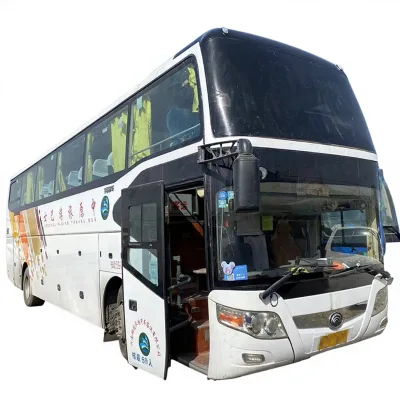
Compare 17 Used Coach Bus listings featuring diesel engines, manual transmissions, and varying seat capacities from 31 to 70. Buyers can evaluate models like XMQ6113 and ZK6110 with emission standards and power ratings to find suitable options for school, transit, or tour services.
Key considerations
Products List


Used Coach Bus Used Bus Price Used Buses for Sale Used Coach Bus for Sale
$15000.00 - $16500.00
MOQ: 1 Sets


$23528.00 - $35000.00
MOQ: 1 Pieces

Comprehensive Sourcing Guide
Used Coach Bus Sourcing Guide
Procuring a Used Coach Bus requires a disciplined approach to evaluating vehicle history, mechanical integrity, and regulatory compliance. Buyers must prioritize transparency in listing details, focusing on observable attributes such as mileage, seating capacity, and structural condition rather than relying on vague marketing claims. The market for second-hand buses is diverse, ranging from standard intercity coaches to specialized school transport units, each with distinct operational requirements. Understanding these variations is the first step in defining a precise procurement specification that aligns with your fleet’s operational needs and budget constraints.
This guide provides a structured framework for sourcing used coach buses, emphasizing verification of technical specifications and commercial terms. By focusing on evidence-based evaluation criteria, buyers can mitigate risks associated with hidden defects or non-compliant vehicles. The following sections detail the critical aspects of product scope, technical verification, compliance documentation, cost analysis, supplier qualification, and long-term maintenance planning. Adhering to these guidelines ensures a more predictable procurement process and helps secure vehicles that offer reliable performance and value over their remaining service life.
Product Scope and Observed Listing Signals
The observed product landscape for used coach buses includes a variety of configurations, primarily characterized by single-deck structures and diesel fuel systems. Listings frequently highlight specific models such as the XMQ6113, ZK6110, and others in the 6110-6125 series, indicating a concentration of certain manufacturers in the secondary market. These vehicles typically feature manual transmissions and range in seating capacity from approximately 31 to over 70 seats, catering to different passenger volume requirements. Buyers should note that attributes like "low floor" or "BRT" (Bus Rapid Transit) intelligence may appear, suggesting specialized urban or semi-urban applications rather than pure long-haul touring.
Mileage and condition are critical signals in this segment, with many listings reporting mileage between 10,000 and 30,000 kilometers, which is relatively low for heavy-duty transport. The condition is explicitly stated as "used," necessitating rigorous physical inspection to verify the actual wear and tear. Dimensions vary, with standard lengths often around 10,490 to 12,000 millimeters, and widths near 2,450 to 2,550 millimeters. Buyers must distinguish between general coach applications and specific uses like school buses, as structural reinforcements and safety features may differ significantly between these categories, impacting long-term suitability and regulatory compliance in different jurisdictions.
Technical Specifications to Verify
Technical verification must begin with the powertrain, where observed max power ratings range from 180 kW to 243 kW, and torque figures vary widely from 345 N.m to 1250 N.m. These discrepancies highlight the need to confirm the exact engine model and its current performance status, as higher power outputs are essential for hilly terrains or heavy loads. Transmission type is consistently listed as manual, which requires drivers with specific skill sets and may impact maintenance costs compared to automatic alternatives. Buyers should verify the engine capacity, with some listings indicating capacities greater than 8 liters, a key indicator of heavy-duty capability and fuel efficiency characteristics.
Steering and chassis configurations are equally critical, with integral power steering being a common feature to enhance maneuverability. The steering position is listed as both RHD (Right-Hand Drive) and LHD (Left-Hand Drive), making it essential to match the vehicle to local traffic laws and driver ergonomics. Road condition suitability is often mentioned, implying robust suspension systems designed for varied terrains. Buyers must inspect the chassis for corrosion or structural fatigue, particularly in older models, and verify the braking system’s integrity. Additionally, checking the tire condition and wheel alignment is vital, as these components significantly affect safety and operational costs in the immediate post-purchase period.
Compliance and Safety Documentation
Compliance verification is paramount when importing or operating used buses, as regulatory standards vary significantly by region. Listings may reference certifications such as CCC or ISO, but buyers must confirm that these apply to the specific vehicle’s current status and intended market. Emission standards are a critical factor, with some listings mentioning Euro standards, though the exact level must be verified against local environmental regulations. Non-compliant vehicles may face restrictions on operation or require costly retrofits, making early confirmation of emission compliance essential for avoiding legal and operational disruptions.
Safety documentation should include a comprehensive service history, detailing major repairs, engine overhauls, and brake system maintenance. Buyers must request original purchase invoices and title documents to establish clear ownership and ensure there are no outstanding liens or legal encumbrances. Insurance records can provide insights into past accidents or claims, offering a clearer picture of the vehicle’s history. Additionally, verifying the validity of any existing safety inspections or roadworthiness certificates is crucial. Buyers should also check for the presence of essential safety features such as emergency exits, fire extinguishers, and first-aid kits, ensuring the bus meets minimum safety requirements for its intended use.
Cost Drivers and Commercial Terms
Cost drivers for used coach buses include the vehicle’s age, mileage, brand reputation, and specific technical specifications. Higher power engines and larger seating capacities typically command higher prices, as seen in the observed price range of $4,399 to $35,000. Buyers should analyze the total cost of ownership, including expected maintenance, fuel consumption, and potential repair costs, rather than focusing solely on the purchase price. Vehicles with lower mileage and better maintenance records may have higher upfront costs but offer better long-term value and reliability. Understanding these factors helps in negotiating a fair price that reflects the vehicle’s true condition and potential lifespan.
Commercial terms such as MOQ (Minimum Order Quantity) and payment methods are also significant considerations. Observed listings often show an MOQ of 1, indicating flexibility for individual buyers, but bulk purchases may offer better pricing. Buyers should clarify shipping terms, including who bears the cost of transportation and insurance, as these can add substantial expenses to the final cost. Lead times for delivery and customs clearance should be confirmed to ensure the vehicle arrives within the required timeframe. Additionally, buyers should negotiate warranty options or return policies, although these are less common in the used vehicle market, to mitigate risks associated with hidden defects discovered after purchase.
Supplier Qualification and Quality Control
Supplier qualification is a critical step in ensuring a reliable procurement process. Buyers should verify the supplier’s business license, export history, and reputation in the used vehicle market. Checking for certifications such as ISO or CCC can provide some assurance of professional standards, but buyers must also conduct independent due diligence. Requesting references from previous clients or checking online reviews can offer insights into the supplier’s reliability and customer service quality. A qualified supplier should be transparent about the vehicle’s condition and willing to provide detailed documentation and photos.
Quality control measures should include a pre-purchase inspection by a third-party expert or a thorough virtual inspection using high-resolution videos. Buyers should verify the vehicle’s VIN (Vehicle Identification Number) to check for any reported accidents or theft history. It is also advisable to test drive the vehicle if possible, or arrange for a local inspection in the seller’s country. Buyers should confirm the supplier’s ability to handle export documentation and logistics, ensuring a smooth transition of ownership. Establishing clear communication channels and agreeing on detailed inspection criteria before payment can help prevent disputes and ensure the received vehicle matches the agreed-upon specifications.
Long-Term Procurement Checks
Long-term procurement success depends on establishing a robust maintenance and monitoring strategy for the acquired Used Coach Bus. Buyers should implement a regular maintenance schedule based on the manufacturer’s recommendations and the vehicle’s current condition. This includes routine checks of the engine, transmission, brakes, and suspension systems to prevent unexpected breakdowns and ensure passenger safety. Keeping detailed records of all maintenance activities and repairs is essential for tracking the vehicle’s health and planning future capital expenditures. Proactive maintenance can significantly extend the vehicle’s lifespan and reduce operational downtime.
Additionally, buyers should monitor market trends and regulatory changes that may affect the vehicle’s operation and resale value. Staying informed about new emission standards or safety regulations can help in planning necessary upgrades or replacements. Building relationships with reliable service providers and spare parts suppliers is also crucial for ensuring timely access to maintenance resources. Finally, buyers should regularly review the vehicle’s performance metrics, such as fuel efficiency and maintenance costs, to assess its ongoing value and determine the optimal time for replacement. This strategic approach ensures that the Used Coach Bus continues to meet operational needs efficiently and cost-effectively over its remaining service life.
FAQs
What is the emission standard for these used buses?
The emission standard is Euro, as observed in the product specifications. These diesel-powered buses meet Euro requirements while offering manual transmission options. Buyers should verify specific model compliance since standards vary by production year and region.
Can I find used coach buses with ISO certification?
Yes, some listed units carry ISOCCC certification alongside CCC standards. This indicates compliance with specific quality and safety protocols. Buyers should request certification documents to confirm validity before finalizing any procurement agreement for these second-hand vehicles.
Which models offer large seating capacity for coaches?
Available models support seating capacities ranging from 31 to 70 passengers. Specific configurations include 45, 46, 47, and 50-60 seat options. Large size variants are explicitly noted for models like XMQ6113 and ZK6110 to accommodate group travel needs.
How much power do these diesel engines produce?
Maximum power outputs range from 180kw to 243kw across different units. Torque values vary between 345n.M and 1250n.M depending on the engine configuration. These specifications ensure sufficient performance for heavy-duty coach operations on various road conditions.
Are customization options available for used bus purchases?
Customization is available for these second-hand used buses. Buyers can request specific modifications to suit operational requirements. This flexibility allows adaptation of interior layouts or exterior features while maintaining the core structural integrity of the single-deck or low-floor designs.
What is the typical mileage range for these vehicles?
The observed mileage ranges from 10,000 to 30,000 kilometers. This indicates relatively low usage for used units, suggesting extended remaining service life. Buyers should inspect maintenance records to verify actual wear and tear against the stated mileage figures.
Which steering positions are offered for these buses?
Both Right-Hand Drive and Left-Hand Drive steering positions are available. This variety accommodates different regional traffic regulations and driver preferences. Buyers must specify their required steering configuration when sourcing from Chinese manufacturers to ensure compatibility with local laws.