Source Single Phase Horizontal Booster Pump for Water Supply
Find and compare 30 single phase horizontal booster pump options for clarified water, home water supply, and heating systems. Evaluate specifications like 60HP power, 380V voltage, and cast iron construction to select the right centrifugal or rotary pump for your industrial or residential needs.
Key considerations
Products List






Comprehensive Sourcing Guide
Single Phase Horizontal Booster Pump Sourcing Guide
Procuring single phase horizontal booster pumps requires a careful balance between electrical compatibility and hydraulic performance, particularly for residential or light commercial applications where power infrastructure is limited. Buyers must first confirm that the pump’s motor aligns with local voltage standards, as the observed market data indicates a prevalence of 380V three-phase units, which are incompatible with standard single-phase household outlets. This discrepancy necessitates rigorous verification of the motor’s electrical rating before placing any order, ensuring that the selected unit can operate safely on the intended power supply without requiring expensive phase converters or electrical upgrades.
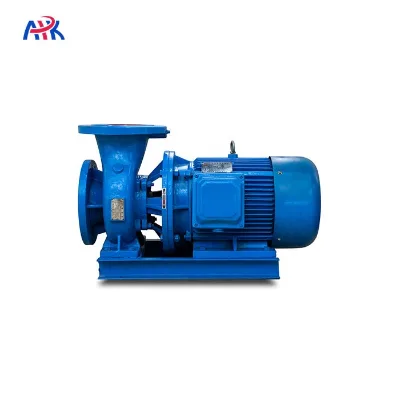
Beyond electrical constraints, the mechanical design of the pump must align with the specific hydraulic demands of the installation site. The observed product attributes highlight a variety of configurations, including centrifugal, rotary, and shielded types, each offering distinct advantages in terms of flow rate, head pressure, and noise levels. Sourcing agents should prioritize pumps with horizontal split casings or vertical joint surfaces depending on the available space and maintenance accessibility, while also considering the media type, such as clarified water or sewage, to ensure material compatibility and long-term operational reliability.
Product Scope and Observed Listing Signals
The current market landscape for booster pumps reveals a wide spectrum of product models, ranging from basic irrigation centrifugal pumps to complex multistage systems designed for high-pressure applications. Listings frequently feature models with specific identifiers such as 200-400-45/4 or 100-315B-45, indicating variations in outlet size, impeller diameter, and motor power. Buyers should note that while some units are marketed for family home use with low head requirements under 10 meters, others are engineered for industrial settings with heads exceeding 150 meters, making it crucial to match the pump’s theoretical design, such as single-stage centrifugal or multistage rotary, to the actual system pressure needs.
Material composition and structural integrity are also key signals in evaluating product quality, with cast iron emerging as a common material for pump bodies due to its durability and resistance to corrosion. The observed data suggests that customization is widely available, allowing buyers to tailor aspects such as color, mounting height, and impeller type to their specific installation constraints. However, the presence of attributes like "explosion-proof" or "wear pump" performance indicates that not all listed units are suitable for standard water boosting, and buyers must carefully filter listings to find those that meet their specific operational environment and media handling requirements.
Technical Specifications to Verify
When evaluating technical specifications, the outlet size and flow capacity are critical parameters that directly impact the pump’s ability to meet demand. Observed listings show outlet sizes ranging from 100mm to 200mm, with capacities varying significantly based on the pump’s design and motor power. Buyers should verify that the selected pump’s maximum capacity, often cited in ranges like 100-200 L/Min for smaller units, aligns with the peak water usage requirements of the facility. Additionally, the position of the pump shaft, whether horizontal or vertical, must be confirmed to ensure proper installation and alignment with existing piping systems, avoiding costly modifications or operational inefficiencies.
Motor power and voltage compatibility are equally important technical considerations, especially for single-phase applications where power availability is limited. While many observed units are rated at 60HP and operate on 380V, buyers seeking single-phase options must explicitly confirm the motor’s voltage rating and phase configuration. The type of impeller, whether closed, open, or single-suction, also affects performance and maintenance needs, with closed impellers generally offering higher efficiency for clean water applications. Verifying these details ensures that the pump will operate efficiently and reliably within the specified electrical and hydraulic parameters.
Compliance and Safety Documentation
Safety and compliance documentation are essential for ensuring that the purchased booster pump meets local regulatory standards and operational safety requirements. Buyers should request certificates of conformity, electrical safety test reports, and material compliance documents to verify that the pump’s construction materials and electrical components adhere to recognized industry standards. This is particularly important for pumps used in residential settings, where noise levels and electrical safety are paramount, and for industrial applications where explosion-proof ratings or wear-resistant materials may be required for hazardous environments.
Warranty terms and after-sales support are also critical components of the compliance and safety framework, providing buyers with recourse in case of premature failure or performance issues. Observed listings often include a one-year warranty, which serves as a baseline for manufacturer confidence in product quality. Buyers should clarify the scope of this warranty, including coverage for motor defects, casing leaks, and impeller damage, as well as the availability of spare parts and technical support. Ensuring that the supplier provides comprehensive documentation and support helps mitigate risks and ensures long-term operational reliability.
Cost Drivers and Commercial Terms
The cost of single phase horizontal booster pumps is influenced by several factors, including motor power, material quality, and customization options. Higher horsepower motors and specialized materials, such as stainless steel or corrosion-resistant alloys, typically command higher prices, while standard cast iron constructions offer more cost-effective solutions. Buyers should also consider the impact of customization, such as specific mounting heights or impeller designs, which may incur additional charges but can optimize performance for specific applications. Understanding these cost drivers allows buyers to make informed decisions that balance budget constraints with performance requirements.
Commercial terms, including minimum order quantities (MOQ) and payment conditions, play a significant role in the overall procurement strategy. Observed MOQs range from 1 to 500 units, offering flexibility for both small-scale residential projects and large industrial installations. Buyers should negotiate favorable payment terms, such as partial upfront payments or letters of credit, to manage cash flow and mitigate financial risk. Additionally, lead times and shipping costs should be factored into the total cost of ownership, as delays or high freight charges can impact project timelines and overall profitability.
Supplier Qualification and Quality Control
Supplier qualification is a critical step in ensuring the reliability and quality of the purchased booster pumps. Buyers should verify the supplier’s manufacturing capabilities, quality control processes, and track record in the industry. This includes assessing their ability to produce consistent, high-quality products that meet specified technical requirements and comply with relevant standards. Suppliers with OEM or ODM support may offer greater flexibility in customizing pumps to specific needs, but buyers must ensure that these customizations do not compromise the pump’s performance or safety.
Quality control measures, such as factory audits and pre-shipment inspections, are essential for verifying that the delivered products meet the agreed-upon specifications. Buyers should request detailed inspection reports, including hydraulic performance tests and electrical safety checks, to confirm that each pump functions correctly before shipment. Establishing clear quality expectations and communication channels with the supplier helps prevent misunderstandings and ensures that any issues are addressed promptly, reducing the risk of receiving defective or non-compliant products.
Long-Term Procurement Checks
Long-term procurement success depends on establishing a robust framework for ongoing supplier evaluation and performance monitoring. Buyers should regularly review supplier performance metrics, such as delivery times, product quality, and after-sales support, to identify areas for improvement and ensure continued compliance with contractual obligations. Building a strong relationship with the supplier can lead to better pricing, priority service, and access to new product innovations, providing a competitive advantage in the market.
Additionally, buyers should stay informed about industry trends and technological advancements in booster pump technology, such as energy-efficient motors or smart monitoring systems, to ensure that their procurement strategy remains relevant and effective. Regularly updating technical specifications and compliance requirements helps align procurement activities with evolving regulatory standards and operational needs. By maintaining a proactive approach to supplier management and market analysis, buyers can secure a reliable supply of high-quality booster pumps that support their long-term business objectives.
FAQs
What is the typical power rating for these pumps?
The typical power rating is 60HP. This electric pump operates at 380V and uses a motor-driven centrifugal theory. It is designed for clarified water applications and features a single-stage structure. The cast iron construction ensures durability for mechanical pump industry needs.
Can the pump be customized for specific needs?
Yes, customization is available with OEM and ODM support. Buyers can request specific colors and model variations. The product supports pipeline assembly and is suitable for various media types. This flexibility allows for tailored solutions in industrial and commercial settings.
What are the outlet size options available?
Outlet sizes include 200mm and 100mm options. These dimensions accommodate different pipeline requirements. The pump is designed as a single-stage centrifugal type. This variety ensures compatibility with existing infrastructure for efficient water transfer and circulation.
Is the pump suitable for vertical installation?
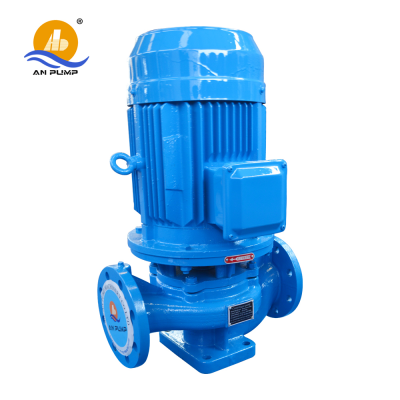
Yes, vertical pump configurations are available. Some models feature a vertical joint surface casing. These are suitable for irrigation and family home usage. The design supports high-pressure applications and single-suction impeller types for efficient operation.
What warranty is provided with the purchase?
A 1-year warranty is provided with the purchase. This covers standard operational defects. The pump is packed in cartons for safe shipping. This warranty ensures buyer confidence in the product's reliability and performance over time.
What is the maximum head capacity?
Maximum head ranges from under 10m to 150m. Specific models offer heads between 110m and 150m. This variation suits different pressure requirements. The electric motor drives the centrifugal impeller to achieve these heights efficiently.