Source Single Phase POS System Stabilizer for Hotels, Industry, Mining
Find and compare 30 Single Phase POS System Stabilizer units with varying capacities from 10kVA to 60kVA. Buyers can evaluate sine wave output models, IP21 ratings, and efficiency up to 99% for communication and industrial applications.
Key considerations
Products List


Single Phase AC Stabilizer Auto-Voltage Regulator/ High Precision Electrical System
$3500.00 - $4500.00
MOQ: 1 Pieces

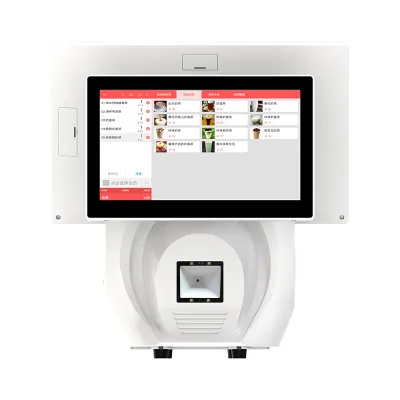
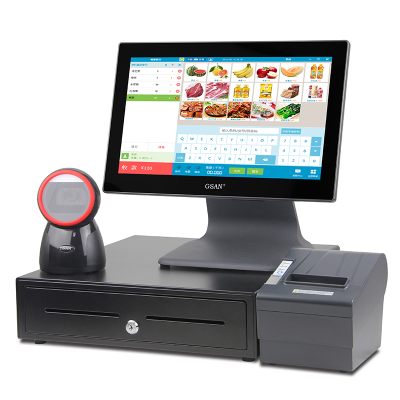


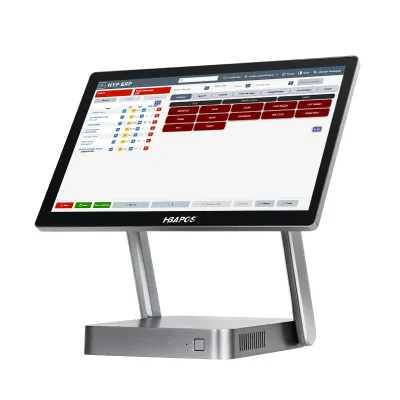
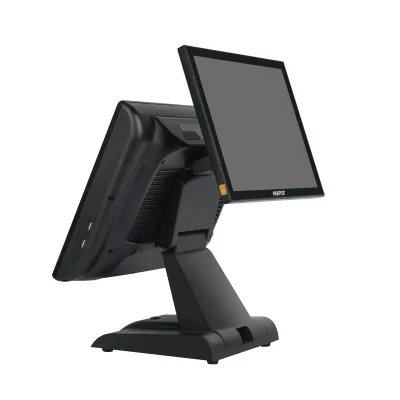
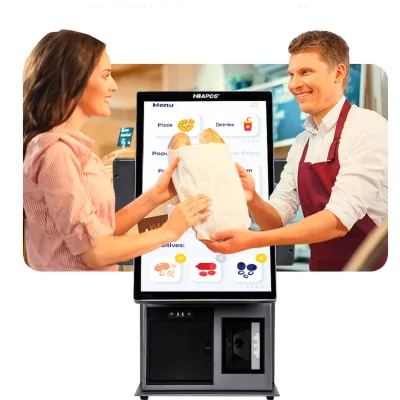


POS Terminal/POS System/ Epos All in One POS Capacitive Touch Screen POS
$100.00 - $200.00
MOQ: 1 Pieces


Comprehensive Sourcing Guide
Strategic Sourcing Guide for Single Phase POS System Stabilizers
Understanding the Technical Landscape of Standby UPS and Stabilizers
When sourcing equipment described as a "Single Phase POS System Stabilizer," buyers must first navigate the technical terminology often used interchangeably in B2B marketplaces. The core keyword frequently points to Uninterruptible Power Supply (UPS) units designed to stabilize voltage and provide backup power for Point of Sale (POS) terminals, particularly in environments where power quality is inconsistent. Based on observed product attributes, the market offers distinct configurations ranging from small-scale desktop units to larger industrial models.
A critical technical distinction lies in the output waveform. High-performance units for sensitive POS hardware often feature a Sine Wave Output, which is essential for protecting delicate electronics from the harmonic distortion common in modified sine wave generators. The product data indicates the availability of Standby UPS models that operate in a Centralized Model configuration, suggesting a setup where a single robust unit protects multiple POS terminals or a specific communication hub. These units are typically categorized as Single Phase devices, aligning with standard commercial electrical infrastructure in many regions.
The power source technology varies significantly across the catalog. Buyers will encounter units utilizing Switching Regulated Power Supply technology, which generally offers higher efficiency and smaller form factors compared to older Linear Regulated Power Supply designs. Efficiency ratings observed in the market range from up to 90% to up to 99%, a critical metric for reducing operational costs in 24/7 retail environments. Furthermore, the Standby Time is a vital specification; some units are marketed as Long-acting Machines, ensuring that POS systems remain operational during extended power outages, which is crucial for completing transactions and securing data.
Compliance, Certification, and Safety Standards
In the realm of electrical safety and regulatory compliance, buyers must exercise caution regarding the specific certifications claimed by suppliers. While general industry knowledge often cites ISO9001 for quality management and CE for European conformity, the provided product data does not explicitly confirm these certifications for every listed unit. Therefore, procurement teams should treat these as verification targets rather than guaranteed attributes.
The physical safety of the equipment is often denoted by the IP Rating. The observed data includes an IP21 rating, which indicates protection against solid objects larger than 12.5mm and vertically dripping water. This is a baseline protection level suitable for indoor commercial environments like hotels or office lobbies but may be insufficient for harsh industrial settings. Buyers must verify if the specific model intended for their application requires a higher ingress protection rating.
Additionally, the Product Standard dimensions provide insight into the physical footprint and mounting requirements. Observed standard dimensions include 200x300x230mm for smaller units and larger configurations like 580x320x530mm or 480x360x580mm for higher capacity models. These measurements are essential for planning rack space or floor placement. The Output Capacity is described as Medium Type in some listings, with specific rated capacities ranging from 10kVA to 60kVA for larger industrial applications. For smaller POS setups, the Single Phase AC50 model suggests a specific voltage and frequency configuration that must match the local grid infrastructure.
Cost Drivers and Pricing Variables
The pricing structure for single phase stabilizers and UPS units is influenced by several distinct factors, resulting in a wide observed range from 1 USD to 6500 USD. This vast disparity is not arbitrary but reflects the underlying differences in capacity, technology, and build quality.
The primary cost driver is the Rated Capacity. A small unit designed for a single POS terminal will naturally be at the lower end of the price spectrum, while a 10kVA-60kVA unit capable of supporting an entire industrial facility or a large hotel chain will command a premium. The Type of power supply also impacts cost; Switching Regulated Power Supply units often carry a higher price tag due to their advanced circuitry and higher efficiency ratings, which can reach up to 99%.
Packaging and logistics also contribute to the final cost. The Product Packing varies between Carton Box and Wooden Pallets, with the latter typically required for heavier units to ensure safe transport. The weight of the unit, indicated by specifications such as 460440220/50kg or 660400700/120kg, directly influences shipping costs. Buyers should note that the Minimum Order Quantity (MOQ) ranges from 1 to 10, allowing for flexibility in procurement whether for a single pilot installation or a bulk rollout.
Typical Applications and Deployment Scenarios
The versatility of single phase stabilizers allows them to serve a broad spectrum of industries. The observed Application data highlights Communication as a primary use case, where uninterrupted power is critical for maintaining network connectivity and data integrity. In the retail sector, these units are deployed in Hotel environments to ensure that front-desk operations, billing systems, and guest services remain functional during power fluctuations.
For more demanding environments, the Application Range includes Industrial and Mining Enterprises. In these settings, the equipment must withstand harsh conditions and provide robust protection for heavy machinery and control systems. The Current Type specification is also relevant; while most POS systems operate on AC current, some internal components or specific legacy systems may utilize DC current, requiring a stabilizer with appropriate conversion capabilities.
The Size of the unit is another deployment factor. Small units are ideal for desktop POS terminals or small retail kiosks, whereas Medium sized units are suited for server rooms or centralized communication hubs. The Frequency of operation, noted as Low Frequency in some models, is a characteristic that buyers should verify against their specific load requirements, as different equipment types respond differently to frequency variations.
Supplier Evaluation and Customization Capabilities
When evaluating potential suppliers, buyers should look for evidence of Customization availability. The product data confirms that customization is Available, which is a significant advantage for businesses with unique spatial or functional requirements. This flexibility allows for tailored solutions regarding dimensions, input/output configurations, and branding.
The OEM (Original Equipment Manufacturer) status is another key indicator of supplier capability. The data indicates OEM: Yes, suggesting that suppliers can manufacture products under the buyer's brand name. This is particularly valuable for large retailers or hotel chains that wish to maintain a consistent brand identity across their equipment. The Brand Name observed in the market includes GSAN, though buyers should not assume this is the only or preferred brand without further due diligence.
Geographic origin is also a factor in supplier selection. The Product Origin is listed as Shenzhen, China and Guangdong, China, regions known for their robust electronics manufacturing ecosystems. However, buyers must verify the specific Place of Origin for each order to ensure consistency in manufacturing quality and to assess potential logistics lead times. The Hard Disk and CPU specifications found in some listings, such as Intel J6412, i5 processors and SSD 64G/128G/256 storage, suggest that some "stabilizers" may actually be integrated computing systems or smart UPS units with embedded management capabilities.
Quality Control and Long-Term Procurement Considerations
Ensuring long-term reliability requires a rigorous approach to quality control. Buyers should prioritize units with High Efficiency ratings, as this not only reduces energy costs but also minimizes heat generation, which is a primary cause of component failure. The Efficiency range of up to 90% to up to 99% should be a key selection criterion.
The Operating System and software compatibility are also critical for modern POS systems. Some units feature Windows operating systems and Capacitive Touch screens with a Resolution of 1366*768, indicating a high level of integration with digital management tools. The inclusion of a 58mm/80mm Thermal Printer in some configurations suggests that these units may serve as all-in-one transaction terminals, requiring robust software stability.
For long-term procurement, the Memory specifications, such as DDR 4GB/8GB, and Hard Disk Capacity options are vital for data logging and system recovery. Buyers should verify that the Touch Screen technology is durable enough for high-traffic environments. Additionally, the Product Packing method, whether Carton or Wooden Pallets, must be suitable for the intended storage and shipping conditions to prevent damage during transit.
Comparative Analysis of Product Specifications
To facilitate decision-making, the following table summarizes key observed specifications for different product models found in the market. This comparison highlights the diversity in size, capacity, and intended application.
| Specification | Model A (Small/POS) | Model B (Medium/Industrial) | Model C (High Capacity) |
|---|---|---|---|
| Product Model | SVR-3KVA / Single Phase AC50 | TVR-30KVA / SVR-15KVA | Industrial/Custom |
| Phase | Single Phase | Single Phase / Three Phase | Three Phase |
| Rated Capacity | Low (POS specific) | 10kVA - 60kVA Range | High Capacity |
| Dimensions | 200x300x230mm | 480x360x580mm | 580x320x530mm |
| Efficiency | Up to 90% | Up to 99% | Variable |
| Output Waveform | Sine Wave | Sine Wave | Sine Wave |
| Application | Communication, Hotel | Industrial, Mining | General Commercial |
| IP Rating | IP21 | IP21 | To be verified |
| Power Source | Switching/Linear | Switching Regulated | Switching Regulated |
| Packing | Carton Box | Carton/Wooden Pallet | Wooden Pallets |
| Origin | Shenzhen, China | Shenzhen, China | Guangdong, China |
This table illustrates that while the core function remains consistent, the specific attributes vary widely. Buyers must align these specifications with their operational needs rather than assuming a one-size-fits-all solution. The presence of DDR Memory and SSD Storage in some models further blurs the line between a simple stabilizer and a smart power management system, necessitating a thorough review of the technical datasheet before purchase.
Final Procurement Recommendations
In conclusion, sourcing a Single Phase POS System Stabilizer requires a meticulous review of technical specifications, application fit, and supplier capabilities. The market offers a diverse array of options, from compact units for small retail outlets to robust systems for industrial enterprises. Buyers should prioritize Sine Wave Output, high Efficiency ratings, and verified Customization options to ensure the selected equipment meets their specific operational demands.
It is imperative to verify all Certifications, Standards, and Safety Ratings directly with the supplier, as these attributes are not universally guaranteed across all listings. The wide Price Range and MOQ flexibility allow for strategic procurement planning, but the final decision should be driven by the total cost of ownership, including energy efficiency, maintenance requirements, and the longevity of the Standby Time. By adhering to these evidence-based guidelines, buyers can secure reliable power solutions that protect their critical POS infrastructure and ensure business continuity.
FAQs
What output waveform does the Single Phase POS System Stabilizer provide?
The Single Phase POS System Stabilizer provides a sine wave output to protect sensitive electronics. This feature is essential for communication equipment and POS terminals to avoid harmonic distortion common in other power sources.
Can buyers request customization for the Single Phase POS System Stabilizer?
Buyers can request customization as it is available for these units. This flexibility allows for tailored dimensions and branding, which is supported by the OEM capabilities observed in the product specifications.
Which efficiency rating is available for the Single Phase POS System Stabilizer?
Efficiency ratings for the Single Phase POS System Stabilizer range from up to 90% to up to 99%. Higher efficiency models typically utilize switching regulated power supply technology to reduce operational costs.
How long is the standby time for the Single Phase POS System Stabilizer?
The Single Phase POS System Stabilizer is described as a long-acting machine with extended standby time. This ensures that communication hubs and hotel POS systems remain operational during power outages.
What is the IP rating for the Single Phase POS System Stabilizer?
The Single Phase POS System Stabilizer features an IP21 rating for indoor safety. This indicates protection against solid objects larger than 12.5mm and vertically dripping water suitable for hotel or office environments.
Where are the Single Phase POS System Stabilizer products manufactured?
These products originate from Shenzhen, China and Guangdong, China. Buyers should verify the specific place of origin for each order to ensure consistency in manufacturing quality and logistics planning.
What is the MOQ for the Single Phase POS System Stabilizer?
The minimum order quantity for the Single Phase POS System Stabilizer ranges from 1 to 10 units. This flexibility supports both single pilot installations and bulk rollouts for larger commercial chains.
Which application ranges are supported by the Single Phase POS System Stabilizer?
The Single Phase POS System Stabilizer supports applications in communication, hotels, and industrial mining enterprises. Different models offer varying capacities to meet the specific power needs of these diverse sectors.