Source Single Phase Vertical Aeration Pump for Industry, Agriculture, Hospitals
Find and compare 30 Single Phase Vertical Aeration Pump options from verified Chinese suppliers. These units support industrial, agricultural, and hospital applications with customizable voltage and power ratings.
Key considerations
Products List


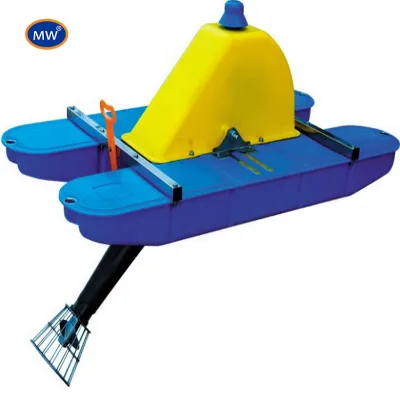


1.5HP Free Maintenance Single Stage Vacuum Pump for Aquaculture Aeration
$210.00 - $310.00
MOQ: 1 Pieces


Comprehensive Sourcing Guide
Strategic Sourcing Guide for Single Phase Vertical Aeration Pumps
The procurement of single phase vertical aeration pumps requires a nuanced understanding of the intersection between electrical specifications, hydraulic performance, and industrial application requirements. While the core keyword suggests a specific electrical configuration, the available market data reveals a complex landscape where "single phase" may refer to specific low-power units or a broader category of vertical aerators where three-phase power is often the industry standard for heavy-duty applications. Buyers must navigate this distinction carefully to avoid specification mismatches that could lead to operational inefficiencies or equipment failure. This guide provides a disciplined approach to sourcing, grounded in observed product attributes, certification standards, and technical realities found in the current supply chain.
Technical Specifications and Electrical Configuration
When evaluating vertical aeration pumps, the electrical input is the primary differentiator. The supplied product data indicates a prevalence of three-phase power requirements, with observed voltage ratings of 380V, 440V, 400V, and 415V, alongside a 50Hz frequency standard. However, some listings also note 220V options, which may align with single-phase requirements in specific regional contexts. The power consumption for these units varies significantly, ranging from 1.5kW to 3kW for smaller models, up to 11-75kW for larger industrial variants. This wide range suggests that "single phase" in the context of vertical aeration pumps is likely restricted to the lower end of the power spectrum, typically below 3kW.
Buyers must verify the specific phase requirement against their facility's power infrastructure. The observed data lists a "Single Stage" configuration, which implies a specific hydraulic design where the impeller operates in a single step. The flow direction is predominantly axial, a characteristic essential for efficient vertical movement of water in tanks or ponds. The discharge standard observed is 150mm, which dictates the piping requirements for the installation. Furthermore, the working temperature range is noted as 20-200°C, indicating that these units are designed for applications involving heated liquids or environments with significant thermal variance. The material of construction is frequently stainless steel, a critical attribute for preventing corrosion in water treatment and industrial processes.
Compliance, Certification, and Safety Standards
In the B2B procurement of industrial machinery, compliance with international standards is non-negotiable. The product data explicitly highlights ISO9001 certification as a recurring attribute, with some entries specifying "ISO9001:Condition:New" or simply "ISO." This certification verifies that the manufacturing process adheres to quality management principles, ensuring consistency in production. For buyers, this serves as a baseline requirement; any supplier lacking this certification should be scrutinized further. The HS code provided, 8414599040, categorizes these units under air pumps and vacuum pumps, which is essential for accurate customs declaration and tariff classification.
Safety and operational standards are equally critical. The noise level is specified as less than 85dba, a figure that aligns with occupational health standards for industrial environments. Buyers should verify that the specific unit they procure meets this acoustic threshold, as prolonged exposure to higher noise levels can lead to regulatory violations and worker health issues. Additionally, the warranty period observed in the market is typically 6 months. While this is a standard offering, it is a relatively short duration for heavy industrial equipment. Procurement teams should negotiate extended warranty terms or service level agreements (SLAs) that cover critical components like the motor and impeller, especially given the high-pressure nature of some of these units.
Cost Drivers and Pricing Dynamics
The pricing structure for vertical aeration pumps is influenced by several factors, including power rating, material composition, and customization options. The observed price range in the market is vast, spanning from $1 to $100,000. This extreme variance is not indicative of a single product type but rather reflects the diversity of the category, from small-scale agricultural units to massive industrial systems with 75kW motors. The lower end of the spectrum likely corresponds to the 1.5kW-3kW units with standard stainless steel construction, while the higher end encompasses custom-engineered solutions with specialized materials or integrated control systems.
Customization is a significant cost driver. The data confirms that customization is available for voltage, color, and potentially other specifications. Custom orders often incur higher unit costs and longer lead times. The supply ability is noted as 2000 sets per day, suggesting that standard models are readily available, but bespoke configurations may require a different production schedule. Buyers should be aware that the "Export Standard Wooden Box" or "Polywood Case" packaging adds to the overall landed cost. Furthermore, the port of dispatch, typically Shanghai or Ningbo, influences shipping costs and insurance premiums. Understanding these variables is essential for accurate budgeting and total cost of ownership (TCO) analysis.
Typical Applications and Operational Context
Vertical aeration pumps serve a diverse range of industries, with the observed usage categories including Industrial, Agriculture, and Hospital sectors. In industrial settings, these pumps are utilized for water treatment, aeration of wastewater, and circulation in manufacturing processes. The "High Productivity" selling point suggests that these units are optimized for continuous operation in demanding environments. The specific mention of "for Manufacture" indicates their role in production lines where water quality or oxygenation is critical.
In agriculture, these pumps are essential for aquaculture, providing necessary oxygenation for fish ponds and ensuring water quality in irrigation systems. The hospital sector likely utilizes them for wastewater treatment facilities or specialized water circulation systems within medical complexes. The liquid being handled is specified as water, but the high-pressure capability and wide temperature range (20-200°C) suggest adaptability for various fluid dynamics. The capacity range of 21.5m³/Min to 45.6m³/Min highlights the scalability of these units, allowing them to serve both small-scale operations and large municipal facilities. Buyers must match the pump's capacity and pressure ratings to the specific hydraulic requirements of their application to ensure optimal performance.
Supplier Evaluation and Origin Verification
When selecting a supplier, the origin of the product is a key consideration. The data indicates that these pumps originate from Hebei and Zhejiang, China, which are established manufacturing hubs for industrial machinery. The brand name "MW" is observed in the listings, though buyers should remain open to other reputable manufacturers. The "Single package size" of 50x50x50 cm and a gross weight of 20.000 kg for specific models provide logistical data that helps in planning storage and transportation.
Supplier evaluation should focus on the ability to meet the "as Per Request" customization requirements. The presence of OEM (Original Equipment Manufacturer) capabilities, confirmed by the "OEM: Yes" attribute, indicates that suppliers can produce units under the buyer's brand or with specific design modifications. Buyers should verify the supplier's production capacity against their own demand, noting the 2000 sets per day supply ability as a benchmark for large-scale orders. Additionally, the lead time and shipping terms should be clarified, as the "Port of dispatch" being Shanghai or Ningbo implies reliance on maritime logistics. It is prudent to request references or case studies from the supplier to validate their track record in delivering units that meet the specified ISO9001 standards and performance metrics.
Quality Control and Long-Term Procurement Considerations
Quality control is paramount when sourcing vertical aeration pumps, particularly given the high-pressure and continuous operation requirements. The observed "Single Stage" design and "Axial Flow" characteristics must be verified through factory audits or third-party testing to ensure they match the product specifications. The material, specifically stainless steel, should be verified for grade and thickness to ensure resistance to corrosion and wear. The warranty of 6 months is a starting point, but buyers should consider the long-term maintenance costs and the availability of spare parts.
Long-term procurement strategies should include establishing a relationship with suppliers who offer comprehensive after-sales support. The "High Productivity" claim should be backed by performance data or testimonials from similar applications. Buyers should also consider the energy efficiency of the units, as the power consumption ranges from 1.5kW to 75kW, and energy costs can accumulate significantly over time. The "Working Temperture" range of 20-200°C suggests that the units are robust, but buyers must ensure that the seals and bearings are rated for the specific temperature conditions of their application. Finally, the "Export Standard Wooden Box" packaging should be inspected upon receipt to ensure the units arrive without damage, as the weight and dimensions of the packages can pose handling challenges.
Conclusion
Sourcing single phase vertical aeration pumps requires a meticulous approach that balances technical specifications, compliance requirements, and cost considerations. The market data reveals a diverse range of products, from small 1.5kW units to large 75kW industrial systems, all operating under various voltage and frequency standards. Buyers must carefully verify the electrical phase, power rating, and material composition to ensure compatibility with their specific applications in industrial, agricultural, or hospital settings. By prioritizing suppliers with ISO9001 certification, OEM capabilities, and a proven track record in the Hebei and Zhejiang regions, buyers can secure reliable equipment that meets their operational needs. The vast price range and customization options necessitate a thorough total cost of ownership analysis, considering not just the initial purchase price but also installation, maintenance, and energy efficiency. With a disciplined focus on quality control and long-term supplier relationships, buyers can effectively navigate the complexities of the vertical aeration pump market to achieve optimal procurement outcomes.
FAQs
What voltage options are available for single phase vertical aeration pumps?
Voltage options include 380V, 440V, 220V, 400V, and 415V depending on the specific model. Buyers must verify if the unit matches their facility's power infrastructure, as three-phase power is often the industry standard for heavy-duty applications.
Which certifications should I look for in vertical aeration pump manufacturers?
ISO9001 certification is a recurring attribute for these pumps, verifying adherence to quality management principles. Buyers should prioritize suppliers with this certification to ensure consistency in production and reliability for industrial or agricultural use.
Can I request customization for voltage and color on these pumps?
Yes, customization is available for voltage, color, and other specifications upon request. Custom orders may incur higher unit costs and require longer lead times compared to standard models with export standard wooden box packaging.
What is the typical power range for single phase vertical aeration pumps?
Power consumption ranges from 1.5kW to 3kW for smaller units and up to 11-75kW for larger industrial variants. The lower end of the spectrum typically aligns with single-phase requirements, while higher power often implies three-phase systems.
How long is the warranty period for these vertical aeration pumps?
The observed warranty period is typically 6 months for these units. Procurement teams should negotiate extended warranty terms or service level agreements covering critical components like the motor and impeller given the high-pressure nature of the equipment.
Where are these single phase vertical aeration pumps manufactured?
Products originate from manufacturing hubs in Hebei and Zhejiang, China. Buyers should verify the specific origin to ensure the supplier meets ISO9001 standards and has the capacity to deliver units with stainless steel construction.
What is the noise level specification for these industrial pumps?
The noise level is specified as less than 85dba, aligning with occupational health standards for industrial environments. Buyers should verify that the specific unit meets this acoustic threshold to avoid regulatory violations and ensure worker safety.