Source Single-Screw Plastic Film Recycling Machine for Granules
Find and compare 30 single-screw plastic film recycling machines from Chinese manufacturers. Evaluate options processing PE waste and plastic flakes, featuring automatic operation, CE certification, and varying output capacities to suit your granulating needs.
Key considerations
Products List


$30000.00 - $37000.00
MOQ: 1 Pieces


Waste Film Washing Recycling Line/ Plastic Film Recycling Machine
$80000.00 - $200000.00
MOQ: 1 Pieces


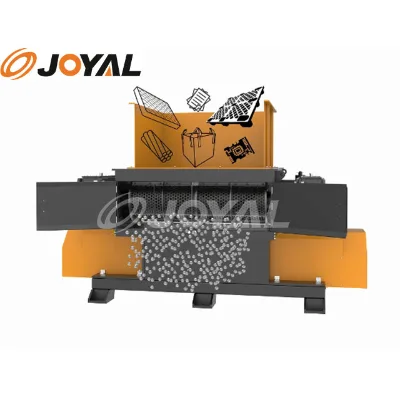

Plastic Film Recycling Crushing/Plastic Film Recycling Line/Plastic Film Recycle Machine
$10000.00 - $30000.00
MOQ: 1 Sets

Newest High Quality Plastic Film Recycle Machine Single Shaft Shredder Machine
$13500.00 - $32800.00
MOQ: 1 Pieces

Comprehensive Sourcing Guide
Single-Screw Plastic Film Recycling Machine Sourcing Guide
Procuring a single-screw plastic film recycling machine requires a careful balance between throughput capacity, material compatibility, and operational reliability. These machines are primarily designed to process waste PE film and plastic flakes into reusable granules, serving as a critical component in circular economy initiatives. Buyers must distinguish between basic extrusion units and more complex systems that may include multiple feeding modes or specialized screw configurations. The decision to source a single-screw design often hinges on the need for simplicity in maintenance and the specific viscosity characteristics of the target polymer, such as Polyethylene (PE) or Polypropylene (PP).
The market landscape for these machines is diverse, with suppliers offering varying degrees of automation and customization. Observed listings indicate a wide range in pricing, from approximately $4,071 to $200,000, reflecting differences in build quality, motor power, and auxiliary equipment integration. Minimum Order Quantities (MOQ) are typically set at one unit, allowing for flexible procurement for small to medium-sized recycling facilities. Understanding these market signals helps buyers align their budget with the expected output capacity, which can range from 60-130 kg/h for standard models to higher outputs for specialized industrial units.
Product Scope and Observed Listing Signals
The product scope for single-screw film recycling machines encompasses a variety of configurations tailored to different stages of the recycling process. Common models identified in the market include the SJ-A120 and BX series, which are often marketed as plastic recycling or granulating extruders. These machines are typically constructed to handle waste PE film, converting it into plastic flakes or directly into granules. The scope also includes variations in screw diameters, such as Φ100, and length-to-diameter ratios like 18:1, which directly influence the shear heat and mixing efficiency during the extrusion process.
Listing signals reveal significant variation in technical attributes and packaging standards. Some units are described as having "Automation" or "Automatic" features, while others specify "Multiple Feed" systems to handle bulky film materials more effectively. Packaging methods vary from wooden boxes to film packing and wooden cases, indicating different shipping requirements and protection levels for the machinery. Buyers should note that while some listings mention specific brands like "Bai Xin," others remain generic, and the origin is frequently cited as Ruian City, Zhejiang, or Jiangsu, China, which are known manufacturing hubs for plastic processing equipment.
Technical Specifications to Verify
When evaluating technical specifications, the screw configuration is a primary determinant of machine performance. Single-screw designs are prevalent, but buyers must verify the screw material, such as 38 Chrome steel, which offers durability against wear and corrosion. The screw rotation speed, often adjustable between 10-100 r/min, allows for fine-tuning of the extrusion rate. Additionally, the main motor power, which can be as high as 30 Kw for certain models, dictates the maximum extrusion output, with some units claiming a max output of 95 kg/h. These parameters must be cross-referenced with the specific plastic type being processed to ensure adequate torque and thermal control.
Other critical technical aspects include the heating system and cooling mechanisms. Modern units may feature electromagnetic heaters for precise temperature control and inverters for variable speed drives, enhancing energy efficiency and process stability. The assembly structure, whether it is a separate type extruder or an integrated unit, affects installation complexity and maintenance access. Buyers should also verify the presence of exhaust systems to remove volatiles from the melted plastic, ensuring the quality of the final granules. The engagement system, such as full intermeshing in twin-screw variants, is not applicable here, but the depth of the screw channel remains a key factor in handling film materials without clogging.
Compliance and Safety Documentation
Compliance with international standards is essential for ensuring the safety and reliability of the recycling equipment. Most observed listings indicate that the machines meet CE standards, which is a mandatory certification for products sold within the European Economic Area. Some suppliers also provide SGS certification, adding an additional layer of verification for quality and safety. Buyers must request and verify these certificates directly from the supplier, as the presence of a CE mark on a listing does not guarantee that the specific unit delivered will be compliant. It is crucial to ensure that the documentation includes the necessary technical files and declarations of conformity.
Safety features and operational safeguards are another critical area of verification. The machine should be equipped with emergency stop buttons, protective guards, and proper electrical grounding. Buyers should inquire about the warranty terms, which are commonly listed as one year, and clarify what components are covered. Additionally, after-sales service provisions, such as engineer installation support, can be vital for ensuring correct setup and operation. Understanding the scope of the warranty and the availability of spare parts, such as screws and heaters, is important for minimizing downtime and maintaining long-term operational efficiency.
Cost Drivers and Commercial Terms
The cost of a single-screw plastic film recycling machine is influenced by several factors, including motor power, screw diameter, and the level of automation. Higher output capacities and more robust construction materials, such as specialized steel alloys for the screw, typically command higher prices. The inclusion of auxiliary equipment, such as cooling tanks, pelletizers, or automatic feeding systems, also adds to the overall cost. Buyers should be aware that the observed price range is broad, and the final quote will depend on the specific configuration and any customizations requested, such as tailored screw designs for particular film types.
Commercial terms and shipping logistics play a significant role in the total cost of ownership. Most suppliers offer shipping by sea, which is cost-effective for heavy machinery but requires careful planning for port handling and inland transportation. The packaging method, whether wooden cases or film packing, affects shipping volume and protection during transit. Buyers should negotiate clear Incoterms, such as FOB or CIF, to define responsibility for freight and insurance. Additionally, payment terms, such as letters of credit or advance payments, should be structured to mitigate risk, especially when dealing with international suppliers from regions like Zhejiang or Jiangsu in China.
Supplier Qualification and Quality Control
Supplier qualification is a critical step in mitigating procurement risk. Buyers should verify the supplier’s business license, manufacturing capabilities, and history in the plastic recycling machinery industry. While specific supplier names are not recommended, buyers can assess credibility through online platforms, trade shows, and third-party verification services. It is advisable to request references from previous clients, particularly those who have purchased similar models like the SJ-A120 or BX series. Understanding the supplier’s location, such as Ruian City or Jiangsu, can also provide insights into the local supply chain and manufacturing ecosystem.
Quality control measures should be established before production begins. Buyers should specify detailed technical requirements in the purchase contract, including material grades, motor brands, and electrical component specifications. Pre-shipment inspections are highly recommended to verify that the machine meets the agreed-upon standards. This may include checking the screw dimensions, testing the heating elements, and verifying the electrical controls. Engaging a third-party inspection agency can provide an unbiased assessment of the machine’s quality and compliance with the contract terms, ensuring that the buyer receives a product that meets their operational needs.
Long-Term Procurement Checks
Long-term procurement success depends on establishing a reliable supply chain for spare parts and maintenance services. Buyers should ensure that the supplier offers a comprehensive list of spare parts, including screws, barrels, heaters, and electrical components. The availability of these parts directly impacts the machine’s uptime and longevity. Additionally, buyers should clarify the after-sales service agreement, including the duration of warranty coverage and the process for claiming repairs or replacements. Some suppliers offer engineer installation services, which can be valuable for initial setup and troubleshooting.
Continuous monitoring of machine performance and supplier responsiveness is essential for maintaining operational efficiency. Buyers should keep detailed records of machine performance, including output rates, energy consumption, and maintenance intervals. This data can be used to negotiate better service terms or to identify potential issues early. Regular communication with the supplier can also help in staying updated on new technologies or improvements in single-screw recycling machine designs. By maintaining a proactive approach to procurement and maintenance, buyers can maximize the return on investment and ensure the sustainable operation of their recycling facilities.
FAQs
What certifications do the single-screw plastic film recycling machines have?
The machines carry CE and SGS certifications as standard. These certifications ensure compliance with safety and quality requirements for international markets. Buyers should verify specific documentation for their target region before finalizing orders.
Can the single-screw plastic film recycling machine handle waste PE film?
Yes, the machine is designed to process waste PE film and plastic flakes. It features a single-screw system with materials like 38 Chrome for durability. This setup ensures efficient recycling of specific plastic types mentioned in the product specifications.
What is the output capacity of the single-screw plastic film recycling machine?
The output capacity ranges from 60 to 135 kilograms per hour depending on the model. Specific models like SJ-A120 and BX-SJB offer varying capacities within this range. Buyers should select a model based on their required production volume.
Which customization options are available for the single-screw plastic film recycling machine?
Customization is available for various machine configurations and specifications. Buyers can request specific screw sizes, packing methods, or automation levels. The manufacturer supports tailored solutions to meet unique production needs and operational constraints.
How is the single-screw plastic film recycling machine shipped and packed?
The machine is shipped by sea and packed in wooden boxes or film packing. Specific models may use wooden cases for added protection during transit. This packaging ensures the equipment arrives safely and is ready for immediate installation upon delivery.
What warranty is provided for the single-screw plastic film recycling machine?
A one-year warranty is provided for the machine to cover manufacturing defects. This warranty includes support for initial operation and troubleshooting. Buyers should review the specific terms to understand coverage limits and service availability.
Can the single-screw plastic film recycling machine be automated?
Yes, the machine offers automatic and computerized operation modes. It features advanced systems like electromagnetic heaters and inverters for precise control. This automation enhances efficiency and reduces manual intervention during the recycling process.