Source Single-Screw Plastic Net Making Machine for Bags, Packaging, and Agriculture
Explore 30 listings for the single-screw plastic net making machine, featuring models like JBZ and SJ with high precision and automatic grades. Buyers can compare specifications such as width, bag size, and output capacity to find suitable options for various industrial applications.
Key considerations
Products List


$31000.00 - $32000.00
MOQ: 1 Pieces

$80000.00 - $90000.00
MOQ: 1 Pieces


PP Plastic Monofilament Multi Layer Extruder Making Machine Production Line
$48000.00 - $98000.00
MOQ: 1 set

High Quality Pet PP PE Plastic Rope Yarn Making Machine Net Monofilament Extruder Machine
$48000.00 - $98000.00
MOQ: 1 set

Best Quality 8mm Pitch Double Knot Nylon Net Making Machine From China
$60000.00 - $80000.00
MOQ: 1 Sets


High Efficiency Double-Screw PE Plastic Safety Mesh Making Extruder Warning Net Machine
$99999.00 - $129999.00
MOQ: 1 Sets

CE ISO Standard Mosquito Plastic Protective Square Mesh Net Making Machine
$55999.00 - $89999.00
MOQ: 1 Sets


Plastic Net Extruder Plastic Mesh Netting Extrusion Machine PE Safety Fence Machine
$99999.00 - $129999.00
MOQ: 1 Sets


Plastic Filament/Fiber/Bristle Extruding Making Machine for Safety Net/Insect Net
$50000.00 - $80000.00
MOQ: 1 Pieces

Rope Machinery PP HDPE Monofilament Extruder Machine for Making Plastic Rope Net Yarn
$10000.00 - $100000.00
MOQ: 1 Sets

Pet/PP/HDPE/Nylon Plastic Monofilament Yarn Extrusion Machine for Making Rope Net
$10000.00 - $100000.00
MOQ: 1 Sets


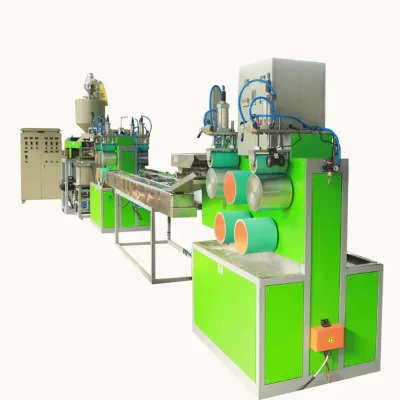
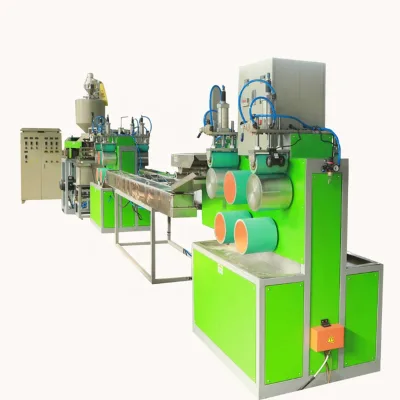
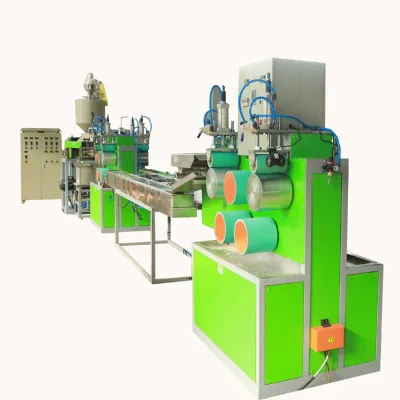


Comprehensive Sourcing Guide
Strategic Sourcing Guide for Single-Screw Plastic Net Making Machines
Procuring industrial machinery for plastic net production requires a rigorous approach that balances technical capability with supply chain reliability. The single-screw plastic net making machine represents a critical asset in manufacturing operations, designed to convert raw plastic materials into durable netting products used across diverse industries. Buyers must navigate a complex landscape of specifications, certifications, and operational parameters to ensure the selected equipment aligns with production goals. This guide provides a structured framework for evaluating potential suppliers and machines, grounded in observable industry data and verified product attributes.
Technical Specifications and Operational Capabilities
The core functionality of a single-screw plastic net making machine is defined by its mechanical design and processing parameters. When evaluating potential units, buyers should prioritize the screw and barrel composition, as these components directly influence the machine's ability to handle various plastic grades. High-performance models often feature screws and barrels made from 38CrMoAl steel with nitrogen treatment, a specification that enhances durability and resistance to wear during continuous operation. Furthermore, the treatment process applied to the screw, such as double alloy treatment, is critical for machines intended to process 100% recycled materials, ensuring consistent extrusion quality without degradation.
The extrusion line's speed and output capacity are equally vital metrics. Operational data indicates that line speeds for these machines typically range from 50 meters per minute to 200 meters per minute. This variability allows manufacturers to adjust production rates based on specific order requirements. Output capacity is another key differentiator, with observed daily production figures ranging from 600 kg to 3000 kg per day depending on the machine configuration and material density. The machine's ability to handle a wide range of yarn sizes, specifically from 1000d to 100,000d, provides flexibility for producing nets of varying thicknesses and strengths.
Packing and dimensional specifications also play a role in the logistical planning of the production line. The width of the machinery or the resulting product can vary significantly, with observed widths spanning from 2000mm to 6000mm. Bag size specifications for the final product often fall within the 30cm to 85cm range, indicating the machine's versatility in producing different net configurations. Buyers must verify that the machine's physical dimensions and the resulting product dimensions align with their facility's spatial constraints and market demands.
Compliance, Certification, and Safety Standards
Ensuring that a machine meets international safety and quality standards is a non-negotiable aspect of the procurement process. The most frequently observed certification for these machines is the CE mark, which indicates compliance with European health, safety, and environmental protection standards. Additionally, ISO 9001 certification is a common indicator of a manufacturer's commitment to quality management systems. Some suppliers may also reference specific ISO standards, such as ISO 1806, though buyers should verify the exact applicability of these standards to the specific machine model being purchased.
When reviewing supplier documentation, it is essential to distinguish between general certifications and model-specific approvals. For instance, while CE certification is widely cited, the specific version or standard (e.g., ISOCE) may vary. Buyers should request official certification documents that explicitly list the machine model number, such as the JBZ, SJ, or HDYSJ series, to ensure the certification covers the exact equipment being acquired. The absence of these certifications or the presence of vague references should trigger a deeper investigation into the supplier's compliance history.
Cost Drivers and Pricing Structures
The pricing of single-screw plastic net making machines is influenced by a complex array of factors, including customization options, production capacity, and the level of automation. The observed price range for these machines is substantial, spanning from $10,000 to $900,000 USD. This wide variance reflects differences in machine complexity, output capacity, and the inclusion of advanced features such as synchronous speed adjustment systems or force lubrication systems.
Customization is a significant cost driver. Machines that offer tailored solutions for specific material types, such as plastic, or unique production requirements often command higher prices. The "Automatic Grade" of the machine, which denotes the level of automation, also impacts the final cost. High-precision models with advanced features like dynamic balance detection for all rollers or mirror treatment on stretch rollers will generally be priced at the upper end of the spectrum. Buyers should carefully evaluate the necessity of these features against their budget to avoid over-investing in capabilities that may not be utilized in their specific production environment.
Typical Applications and Material Compatibility
Single-screw plastic net making machines are primarily designed for the production of netting from plastic materials. The versatility of these machines allows them to process a wide range of plastic types, making them suitable for applications in agriculture, construction, packaging, and industrial safety. The ability to handle yarn sizes from 1000d to 100,000d enables the production of nets with varying mesh sizes and tensile strengths, catering to diverse end-use requirements.
The knitting style and method are critical factors in determining the final product's characteristics. Machines utilizing a warp knitting style with a double knitting method are common in the production of high-strength nets. The type of machine, whether shuttleless or shuttle-based, also influences the production process and the resulting net structure. For example, shuttleless machines may offer higher speeds and efficiency, while shuttle-based machines might provide specific advantages in certain net configurations. Buyers should align the machine's knitting capabilities with the specific requirements of their target market.
Supplier Evaluation and Service Commitments
Selecting the right supplier involves more than just comparing machine specifications; it requires a thorough assessment of the supplier's service capabilities and long-term support. A reliable supplier should offer comprehensive after-sales services, including engineer installation, debugging, and training. This ensures that the machine is correctly set up and that the buyer's staff is fully trained to operate and maintain the equipment efficiently. Technical support availability is another crucial factor, with many suppliers offering ongoing assistance to address any operational issues that may arise.
The supplier's location and logistics capabilities are also important considerations. Many suppliers are based in China, with specific origins noted in regions like Wenzhou. The loading time for these machines typically falls within 90 days after the deposit is received, which buyers must factor into their production planning. Packaging is another area where supplier consistency matters; options range from wooden cases to exported packages and containers, with some suppliers specifying the use of specific container sizes, such as 1 20gp and 1 40 Gp containers. Buyers should verify that the packaging method ensures the safe transport of the machine and its components.
Quality Control and Long-Term Procurement Considerations
Quality control is paramount when investing in industrial machinery. Buyers should look for machines that have undergone rigorous testing and inspection processes. Attributes such as "High Precision" and "Good Quality" are often highlighted, but these claims should be substantiated by test results or quality assurance protocols. The condition of the machine, typically listed as "New," should be verified through inspection reports or third-party audits.
Long-term procurement considerations include the machine's maintenance requirements and the availability of spare parts. Features like the force lubrication system with an oil pump and the synchronous regulating whole machine speed system are designed to reduce downtime and extend the machine's lifespan. Buyers should also consider the lead time for spare parts and the supplier's ability to provide timely replacements. The container specifications and loading times mentioned earlier are part of the broader logistics strategy that ensures a smooth transition from procurement to operation.
Comparative Analysis of Machine Models
To facilitate informed decision-making, buyers can compare different machine models based on key attributes. The following table summarizes the observed specifications for various models, highlighting differences in width, model type, and certification.
| Model Series | Width Range | Certification | Packing Type | Origin |
|---|---|---|---|---|
| JBZ | 2000-6000mm | CE | Wooden Case | China Wenzhou |
| SJ | N/A | CE | Exported Package | China |
| HDYSJ-7033/8033/90*33 | N/A | N/A | Exported Package | China |
| HDYSJ-80 | N/A | ISOCE | Container | China |
| ZRD8-520A | 520 Shuttles | CE, ISO9001 | Nut | China |
This comparison illustrates the diversity in specifications available in the market. While some models emphasize width and certification, others focus on specific components like shuttles or packing methods. Buyers should use this data as a starting point for deeper inquiries, ensuring that the selected model meets their specific operational needs.
Final Procurement Recommendations
In conclusion, sourcing a single-screw plastic net making machine requires a meticulous approach that integrates technical evaluation, compliance verification, and supplier assessment. By focusing on the core attributes such as screw treatment, line speed, and certification status, buyers can identify machines that offer the best value and performance. The wide range of prices and specifications available in the market underscores the importance of aligning machine capabilities with production requirements. Ultimately, a successful procurement strategy involves not only selecting the right machine but also establishing a strong partnership with a supplier committed to long-term support and quality assurance.
FAQs
What certifications do single-screw plastic net making machines typically have?
These machines commonly hold CE and ISO 9001 certifications to ensure safety and quality management. Some models may also reference ISOCE standards, but buyers should verify specific model approvals like the JBZ or SJ series for exact compliance.
How fast can a single-screw plastic net making machine operate?
The line speed for these machines typically ranges from 50 meters per minute to 200 meters per minute. This adjustable speed allows manufacturers to optimize production rates based on specific material requirements and order volumes.
What is the daily output capacity of these machines?
Daily output capacity varies by configuration, ranging from 600 kg to 3000 kg per day. The actual production volume depends on the machine setup and the density of the plastic material being processed.
Can these machines process 100% recycled plastic materials?
Yes, models with double alloy treatment on the screw are designed to handle 100% recycled materials effectively. This treatment ensures consistent extrusion quality without degradation during continuous operation with recycled inputs.
What is the lead time for receiving a single-screw plastic net making machine?
The loading time is typically within 90 days after the deposit is received. Buyers should plan their production schedules accordingly to accommodate this standard delivery window from the supplier.
Which packing methods are used for shipping these machines?
Machines are shipped using wooden cases, exported packages, or containers depending on the model. Specific configurations may utilize 1 20gp or 1 40 Gp containers to ensure safe transport of the equipment.
What after-sales services are available for these machines?
Suppliers typically provide engineer installation, debugging, and training as part of their after-sales service. Technical support is also available to assist with operational issues and ensure long-term machine performance.