Source Single-Screw Plastic Pelletizing Machine for PP, PE, and Film
Compare 30 single-screw plastic pelletizing machines from Chinese manufacturers. Buyers can evaluate specifications like screw diameter, capacity, and automation levels for rigid plastic, film, and PP PE applications.
Key considerations
Products List


Single Screw Extruder Machine for Plastic Recycling Pelletizing Machine
$35000.00 - $45000.00
MOQ: 1 Sets


Advanced Single Screw Plastic Recycling Pelletizer with Water Cooling
$35000.00 - $45000.00
MOQ: 1 Sets


$6500.00 - $12000.00
MOQ: 1 Sets
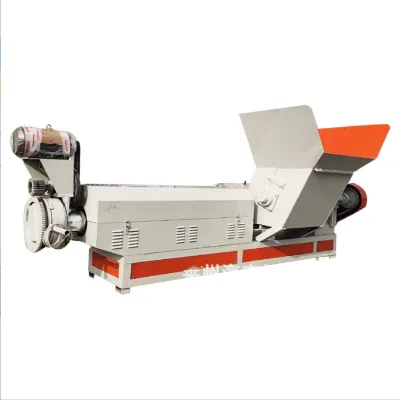

Single Screw Waste Plastic Granulator Recycling Pelletizer PE PP Plastic Pelletizing Machine
$13800.00 - $39800.00
MOQ: 1 Sets


Advanced Single Screw Extruder for Plastic Waste Recycling Pelletizing Machine
$30000.00 - $60000.00
MOQ: 1 Sets


Jwell Plastic Single-Screw Pelletizing Machine for Recycling PP/PE/PS/ABS/PC
$10000.00 - $40000.00
MOQ: 1 Pieces

Jwell Single Screw Pelletizing Machine with Two Stage for Recycling
$10000.00 - $40000.00
MOQ: 1 Pieces

Jwell Plastic Recycling Machine for Pelletizing Granulating Machine
$100000.00 - $200000.00
MOQ: 1 Pieces

Jwell Single Screw Pelletizing Machinery with Special Screw Design and Different Configuration
$10000.00 - $40000.00
MOQ: 1 Pieces


$40000.00 - $75000.00
MOQ: 1 set


Comprehensive Sourcing Guide
Strategic Sourcing Guide for Single-Screw Plastic Pelletizing Machines
Understanding Core Technical Configurations
When sourcing a single-screw plastic pelletizing machine, buyers must first distinguish between the fundamental mechanical architectures available in the current market. The primary distinction lies in the extrusion stage and the specific screw design tailored to the raw material. In the observed product data, configurations range from single-stage extruders designed for specific output volumes to more complex setups. For instance, a single-stage unit with a screw diameter of Φ90mm and an L/D ratio of 18:1 represents a specific class of machinery often used for rigid applications. Conversely, other market offerings feature double-stage extruders with L/D ratios varying significantly, such as 28:10 or even 33:1, indicating a design optimized for different shear rates and melting profiles.
The screw and barrel composition is a critical technical specification that directly impacts the machine's longevity and the quality of the final pellets. High-performance units often utilize 38CrMoAl alloy for the screw and barrel, treated with nitrogen and featuring bimetallic surfaces. This combination is essential for resisting wear when processing abrasive materials like PP or PE flakes. The rotation speed is another variable, with observed ranges spanning from 10 to 100 revolutions per minute, suggesting that the drive system must be robust enough to handle variable loads. Furthermore, the cooling mechanism for the screw, whether by wind/fan or water, influences the thermal stability of the polymer melt. Buyers should verify that the specific model's screw design is customizable to the material being processed, as a generic design may not yield optimal results for specialized plastic types.
Compliance and Certification Verification
In the international B2B market, compliance is not merely a formality but a prerequisite for operational legality and safety. The supplied product data explicitly lists CE certification as a high-confidence attribute for the machinery in question. This indicates that the equipment meets the essential health, safety, and environmental protection requirements for the European Economic Area. However, buyers must exercise caution when interpreting certification status. While CE is present in the high-confidence facts, references to ISO9001:2008 appear in the low-confidence background section. This distinction is vital; buyers should not assume that every listed unit carries ISO certification unless it is explicitly confirmed in the specific supplier's documentation.
Beyond the machine itself, the electrical components and safety systems must align with local regulations. The use of inverters for speed control is a standard feature in modern automated systems, ensuring energy efficiency and precise torque management. When evaluating a supplier, the buyer should request the specific test reports and declaration of conformity that accompany the CE marking. It is also important to verify that the "Automatic" and "Computerized" attributes of the machine are supported by control systems that meet the safety standards of the buyer's destination country. The presence of a "Cover" with a customized logo suggests a level of finish and safety guarding, but the underlying electrical compliance must be independently verified against the specific national grid and safety codes of the importing region.
Cost Drivers and Pricing Dynamics
The pricing for single-screw plastic pelletizing machines is influenced by a complex matrix of technical specifications, customization levels, and logistical factors. The observed price range in the market spans from $6,500 to $200,000, a variance that reflects differences in capacity, automation, and component quality. A machine with a capacity of 300kg/h and a single-stage extruder will naturally fall on the lower end of this spectrum compared to a double-stage unit capable of 150-800kg/h with advanced degassing systems. The inclusion of high-end components, such as Siemens, Weg, or Dazhong motors, significantly impacts the final cost. Similarly, the choice of heating elements, whether cost aluminum or cast aluminum, and the complexity of the pelletizing way, such as water-ring hot die versus pull strap, are direct cost drivers.
Customization is another major factor in pricing. The data indicates that customization is available and that the screw design can be tailored to the specific material. This bespoke engineering adds to the development and manufacturing time, pushing the price toward the higher end of the observed range. Additionally, the packing method plays a role; "Nude Packing" is less expensive than "Film Packing and Wood Base or Wood Case," which offers superior protection during international shipping but incurs higher material and labor costs. Buyers should also consider the lead time, which is observed at 45 working days. Longer lead times often correlate with more complex configurations or higher demand, potentially affecting the final negotiated price. It is crucial to request a detailed breakdown of costs to understand whether the price difference is due to genuine technical upgrades or simply branding and packaging choices.
Typical Applications and Material Compatibility
The versatility of single-screw plastic pelletizing machines is evident in their application across various plastic types. The observed data highlights applications for rigid and film PP (Polypropylene) and PE (Polyethylene). These machines are particularly effective for processing plastic flakes, which are common in recycling streams. The specific configuration of the extruder and screw determines the suitability for different material states. For example, a machine with a degassing system featuring two ports—one vacuum and one natural—is better suited for materials that release significant volatiles during melting, ensuring the final pellets are free of bubbles and impurities.
The pelletizing method is also application-dependent. Water-ring hot die systems are often preferred for producing uniform, high-density pellets suitable for injection molding or extrusion processes. In contrast, pull strap systems might be utilized for different throughput requirements or material characteristics. The raw material input is a key consideration; while PP is explicitly listed, the machine's ability to handle other polymers depends on the screw design and temperature control capabilities. Buyers must ensure that the machine's L/D ratio and screw rotation speed are compatible with the specific viscosity and melting point of the plastic flakes they intend to process. A mismatch in these parameters can lead to poor pellet quality, excessive energy consumption, or mechanical failure.
Supplier Evaluation and Operational Capabilities
Evaluating a supplier requires a deep dive into their operational capabilities and the transparency of their product data. The location of the manufacturer, specifically Zhangjiagang City in China, is a significant indicator of the industrial ecosystem supporting these machines. This region is known for a concentration of plastic recycling machinery manufacturers, offering a competitive landscape. However, the presence of a location does not guarantee quality; buyers must verify the supplier's track record in delivering "New" condition machines versus "Used" ones, as the data shows both conditions are available in the market.
The supplier's ability to provide customization is a strong indicator of technical competence. The data mentions that screw designs are "Upto Material Designed by Ourself" or "by Ourself," suggesting an in-house engineering team capable of tailoring the machine to specific needs. Buyers should request case studies or references from previous clients who have utilized similar configurations. Furthermore, the availability of spare parts and after-sales support is critical. The use of branded motors like Siemens or Weg implies that the supplier has established supply chains for high-quality components, but the buyer must confirm the warranty terms and the availability of replacement parts for these specific brands. The "Customized Logo" feature also indicates a level of service flexibility, but it should not overshadow the core technical reliability of the machine.
Quality Control and Long-Term Procurement Strategy
Implementing a robust quality control strategy is essential for ensuring the long-term performance of the pelletizing machine. The physical specifications, such as the weight of 2600kg and the standard dimensions of 4000x1500x1800mm, provide a baseline for the machine's footprint and structural integrity. Buyers should verify these dimensions against their factory floor plans to ensure adequate space for operation and maintenance. The "Nude Packing" or "Wood Case" options must be evaluated based on the shipping route and the risk of damage during transit.
For long-term procurement, the focus should shift to maintenance and operational efficiency. The cooling system, whether by water or wind, requires regular monitoring to prevent overheating, which can degrade the screw and barrel. The degassing system, with its vacuum and natural ports, must be kept clean to maintain the quality of the output. Buyers should also consider the energy efficiency of the inverter-driven motor system, as this will impact the total cost of ownership over the machine's lifespan. Finally, the delivery time of 45 working days should be factored into the production schedule. A reliable supplier will provide a clear timeline and regular updates, ensuring that the machine arrives ready for installation and commissioning. By adhering to these rigorous evaluation criteria, buyers can secure a single-screw plastic pelletizing machine that delivers consistent performance and meets their specific production requirements.
FAQs
What certifications does the single-screw plastic pelletizing machine have?
The machine carries CE certification, indicating compliance with European safety standards. Buyers should verify specific test reports and declarations of conformity for their region.
How is the screw and barrel constructed for durability?
The screw and barrel use 38CrMoAl alloy with nitrogen treatment and bimetallic surfaces. This design resists wear when processing abrasive materials like PP or PE flakes.
What is the typical lead time for delivery?
The standard delivery time is 45 working days. This duration accounts for manufacturing and customization, so buyers should plan their production schedules accordingly.
Can the screw design be customized for specific materials?
Yes, the screw design is customizable based on the material being processed. Buyers can request tailored configurations to optimize melting profiles for their specific plastic types.
What is the capacity range for these machines?
Capacity varies by model, ranging from 300kg/h to 150-800kg/h depending on the extruder stage. Single-stage units typically handle lower volumes compared to double-stage configurations.
Which motor brands are used in the machine?
The machines utilize motors from brands such as Siemens, Weg, or Dazhong. These high-quality components ensure reliable performance and energy efficiency during operation.
What is the condition of the available machines?
Both new and used machines are available in the market. Buyers must confirm the specific condition of the unit they intend to purchase before finalizing the order.