Source Single Shaft Shredder for Wood Pallets, Plastic Bottles, and Pipes
Compare 30 Single Shaft Shredder for Wood Pallet and Plastic options from verified manufacturers in China. View specifications for PE, PET, and PP processing, automation levels, and warranty terms to find the right machine for your recycling needs.
Key considerations
Products List


Industrial Heavy Duty Waste Wood Scrap Recycling Single Shaft Shredder Plastic Pallet Shredder
$10000.00 - $40000.00
MOQ: 1 Pieces


Single Shaft Plastic Tire Wood Waste Recycling Shredding Machine Tray Shredder
$18000.00 - $24000.00
MOQ: 1 Sets


High Capacity Single Shaft Shredder for Plastic and Wood Waste Recycling
$5000.00 - $10000.00
MOQ: 1 Pieces


High Capacity Single Shaft Shredder Machine Applicable to Wood and Plastic Shredding
$12000.00 - $60000.00
MOQ: 1 Pieces

Waste Wood Cardboard Shredding Machine Recycling Plastic Single Shaft Shredder
$12000.00 - $60000.00
MOQ: 1 Pieces


High Performance Plastic Single Shaft Shredder/Wood Single Shaft Shredder
$27000.00 - $30000.00
MOQ: 1 Pieces


Wood Shredder/Plastic Shredder/Single Shaft Shredder/Plastic Crusher
$20000.00 - $70000.00
MOQ: 1 Pieces
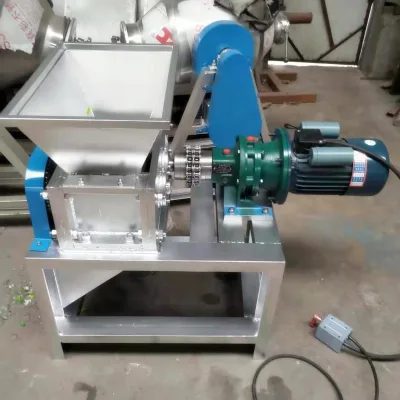


Single Shaft Shredding Machine Wooden Shredder Plastic Stub Shredder
$10000.00 - $50000.00
MOQ: 1 Sets
Comprehensive Sourcing Guide
Strategic Sourcing Guide for Single Shaft Shredders in Wood and Plastic Processing
The global demand for efficient waste management and raw material recovery has elevated the single shaft shredder to a critical component in modern industrial recycling facilities. Buyers targeting equipment capable of processing both wood pallets and various plastic types must navigate a complex landscape of technical specifications, compliance standards, and supplier capabilities. This guide provides a disciplined, evidence-based approach to sourcing single shaft shredders, focusing on the specific attributes observed in the current market while adhering to strict verification protocols. The objective is to equip procurement professionals with the knowledge to select machinery that ensures operational efficiency, regulatory compliance, and long-term reliability without relying on unverified marketing claims.
Technical Specifications and Mechanical Configuration
When evaluating single shaft shredders, the mechanical configuration is the primary determinant of performance. The core observation from current market data indicates a prevalence of single-screw and single-shaft designs tailored for high-torque applications. Buyers must verify the specific screw configuration, as the market presents both single-screw and double-screw variants, though the single-shaft design is the standard for the target application of wood pallets and plastics. The structural integrity of the machine relies heavily on the main shaft dimensions. Observed specifications include a main shaft length of 800mm and a tactical diameter of 400mm, which are critical parameters for handling large volumes of material.
The rotational speed of the main shaft is another vital technical metric. Data indicates a standard operating speed of 78 RPM, a figure that balances torque generation with wear reduction. For applications involving wood pallets, which present high resistance, the motor power is a decisive factor. Market listings show configurations with motor powers reaching 37 Kw, often paired with hydraulic systems rated at 3 Kw to manage the feed mechanism and blade engagement. The cutting chamber dimensions, observed at 800mm by 800mm, define the maximum input size for materials. Buyers should confirm that the overall dimensions of the unit, which can range from 2430mm in length to 2480mm in height, fit within their facility's spatial constraints.
Furthermore, the rotor assembly is a key area of scrutiny. The number of rotor blades varies, with observations of 51 or 57 blades per unit, directly influencing the throughput and particle size reduction. The structure of the machine is typically horizontal, facilitating gravity-fed operations, though top-feed structures are also available in specific models. The voltage requirements are standardized at 380V for industrial units, ensuring compatibility with standard factory power grids. Understanding these specifications is essential before engaging with suppliers, as deviations in these core metrics can render a machine unsuitable for heavy-duty wood and plastic processing.
Material Compatibility and Processing Capabilities
The versatility of a single shaft shredder is often defined by the range of plastic types it can process. The current market data highlights compatibility with Polyethylene (PE), Polyethylene Terephthalate (PET), and Polypropylene (PP). This triad covers the majority of rigid and semi-rigid plastic waste streams found in recycling facilities. Additionally, the equipment is explicitly designed to process plastic bottles, indicating a capability to handle hollow, variable-thickness items often found in pallet packaging. For wood pallets, the machine's robust construction is necessary to handle the fibrous, dense nature of timber.
The processing method often involves a solid knife roller configuration, which is observed in specific high-performance models. This design is crucial for maintaining a consistent cut through mixed materials. The screen mesh diameter is a variable specification, with observed ranges from 30mm to 80mm, allowing buyers to customize the output particle size based on downstream processing needs. When sourcing for wood pallets, the machine must withstand the abrasive nature of wood without rapid degradation of the cutting blades. The service life of the equipment is a critical consideration, with market data suggesting a potential operational lifespan of 15 years or more for well-maintained units. This longevity is contingent on the quality of the raw materials used in construction and the precision of the manufacturing process.
Buyers should also note the distinction between computerized and non-computerized systems. While some advanced models feature computerized controls for automation, many units in the market remain non-computerized, relying on manual or semi-automatic operation. The choice between these systems depends on the desired level of process control and the integration requirements with existing facility management systems. The raw material input is generally categorized as plastic bottles or general plastic waste, but the machine's ability to handle wood pallets requires specific attention to the blade hardness and the hydraulic system's capacity to manage sudden load spikes.
Compliance, Certification, and Safety Standards
Navigating the regulatory landscape is a non-negotiable aspect of B2B procurement. The market data confirms that compliance with international standards is a primary requirement for reputable suppliers. The most frequently observed certifications include CE (Conformité Européenne) and ISO9001. The CE marking indicates that the product meets EU safety, health, and environmental protection requirements, which is essential for exporting to or operating within European markets. ISO9001 certification signifies that the manufacturer adheres to a quality management system, ensuring consistent product quality and process control.
It is important to distinguish between general certifications and specific product standards. While some listings mention "CE" as a product standard, others list it as a certification. Buyers must verify that the specific model they intend to purchase carries the valid CE certification for the intended region of operation. Additionally, the market shows variations in certification status, with some units listed as "Computerized: Non-Computerized" or "Computerized: Computerized," which may influence the safety protocols and control systems integrated into the machine. The warranty period is another indicator of manufacturer confidence, with observed warranties of 3 years being common for high-quality units.
Safety standards also extend to the physical design of the machine. The hydraulic power system, often rated at 3 Kw, must include safety interlocks to prevent accidental activation. The overall dimension and weight of the unit, which can reach 5000 Kg, require specific safety measures during installation and operation. Buyers should request documentation proving that the machine complies with relevant local and international safety regulations, particularly regarding noise levels, vibration, and electrical safety. The absence of specific test results or performance claims in the general market data underscores the need for buyers to demand third-party verification of these safety metrics before finalizing a purchase.
Cost Drivers and Economic Considerations
The pricing of single shaft shredders is influenced by a complex array of factors, including material quality, automation level, and customization options. The observed price range in the market is substantial, spanning from 70 USD to 70,000 USD. This wide variance reflects differences in capacity, motor power, and the inclusion of advanced features such as computerized controls. Lower-priced units may be basic models with minimal automation, while higher-priced units likely incorporate advanced hydraulic systems, robust construction for heavy-duty wood processing, and extended service life guarantees.
The Minimum Order Quantity (MOQ) is a critical economic factor. Current data indicates an MOQ of 1 unit, suggesting that buyers can procure single machines without needing to commit to bulk orders. This flexibility is beneficial for small to medium-sized enterprises looking to upgrade their recycling capabilities. However, the cost per unit may decrease with volume, a factor that should be considered if the buyer plans to expand operations in the future. Customization is listed as an available attribute, which can impact the final price. Options such as specific packing requirements, custom screen mesh sizes, or tailored structural designs will add to the base cost.
Shipping and packaging costs are also significant drivers. The observed packing methods include plastic film, wooden cases, and standard exported packages. For heavy machinery like a 5000 Kg shredder, the choice of a wooden case is often necessary to prevent damage during transit, which adds to the overall cost. The origin of the product, primarily Zhejiang, Taizhou, and China, influences logistics costs and lead times. Buyers should factor in the total cost of ownership, including installation, maintenance, and energy consumption, rather than focusing solely on the initial purchase price. The potential service life of 15 years or more suggests that a higher initial investment in a durable, high-quality unit may yield better long-term economic returns.
Supplier Evaluation and Operational Due Diligence
Selecting the right supplier requires a rigorous evaluation process that goes beyond the product listing. The market data indicates that suppliers are located in specific regions, such as Zhejiang, Taizhou, and generally China. While these locations are hubs for manufacturing, buyers must verify the specific capabilities of the supplier. The availability of OEM and ODM services is a key indicator of a supplier's flexibility and ability to meet custom requirements. Buyers should inquire about the supplier's experience in manufacturing single shaft shredders for both wood and plastic applications, as this dual capability requires specialized engineering knowledge.
The warranty terms, observed as 3 years in some listings, should be scrutinized for coverage details. Does the warranty cover the entire machine, or only specific components like the motor or hydraulic system? The service life claim of 15 years or more is a strong selling point, but it must be backed by a clear maintenance schedule and support plan. Buyers should also verify the supplier's ability to provide spare parts, such as rotor blades and screen meshes, to ensure minimal downtime during the machine's operational life. The automation level, whether automatic or non-computerized, should align with the buyer's operational expertise and staffing capabilities.
Documentation is another critical aspect of supplier evaluation. Buyers should request detailed technical drawings, electrical schematics, and maintenance manuals before placing an order. The absence of specific test results or performance data in the general market listing means that buyers must ask for these documents directly from the supplier. A reputable supplier will be transparent about their manufacturing process, quality control measures, and the specific standards their products meet. The ability to provide references from existing clients, particularly those in the wood and plastic recycling sectors, is a strong indicator of reliability and performance.
Quality Control and Long-Term Procurement Strategy
Ensuring the quality of the single shaft shredder is paramount to the success of any recycling operation. The observed specifications, such as the main shaft length of 800mm and the tactical diameter of 400mm, must be verified through rigorous quality control checks. Buyers should insist on pre-shipment inspections that validate these dimensions, as well as the structural integrity of the cutting chamber and the alignment of the rotor blades. The material processed, whether PE, PET, or PP, should be tested to ensure the machine can handle the specific density and hardness of the waste stream.
Long-term procurement considerations involve establishing a partnership with the supplier that extends beyond the initial sale. The availability of customization, such as specific packing methods or structural modifications, suggests that the supplier is capable of adapting to future needs. Buyers should negotiate terms that include ongoing technical support, training for operators, and a clear protocol for handling warranty claims. The standard export package and the use of wooden cases for heavy machinery indicate a commitment to safe transport, but buyers should verify the packaging standards to prevent damage during shipping.
The integration of the shredder into the existing facility requires careful planning. The overall dimensions and weight of the unit must be compatible with the facility's infrastructure. The voltage requirements of 380V must be confirmed against the local power supply. The automation level should be matched with the operator's skill set to ensure efficient operation. Finally, the buyer should develop a maintenance schedule that aligns with the manufacturer's recommendations to maximize the service life of the machine. By focusing on these long-term considerations, buyers can ensure that their investment in a single shaft shredder delivers consistent performance and value over the expected 15-year lifespan.
Comparative Analysis of Key Product Attributes
To facilitate decision-making, the following table summarizes the key attributes observed in the market for single shaft shredders suitable for wood pallet and plastic processing. This comparison highlights the variability in specifications and helps buyers identify the features most relevant to their specific needs.
| Attribute | Observed Range/Value | Relevance to Wood/Plastic Processing |
|---|---|---|
| Screw Type | Single-Screw, Double-Screw | Single-shaft is standard for heavy-duty wood; double-screw may offer better mixing. |
| Motor Power | Up to 37 Kw | Higher power is essential for processing dense wood pallets. |
| Main Shaft Length | 800 mm | Determines the capacity and throughput of the shredder. |
| Main Shaft Diameter | 400 mm | Critical for torque generation and handling high resistance materials. |
| Rotor Blades | 51 or 57 PCS | Higher blade count can improve particle size reduction. |
| Screen Mesh | 30-80 mm Diameter | Allows customization of output size for different recycling streams. |
| Certification | CE, ISO9001 | Mandatory for safety compliance and international trade. |
| Service Life | ≥15 Years | Indicates long-term durability and value proposition. |
| Warranty | 3 Years | Standard protection period for manufacturing defects. |
| Structure | Horizontal, Top Feed | Affects installation footprint and material feeding efficiency. |
| Voltage | 380V | Standard industrial voltage requirement. |
| Plastic Types | PE, PET, PP | Covers the primary plastic waste streams in recycling. |
This comparative analysis underscores the importance of verifying specific attributes against the buyer's operational requirements. While the market offers a wide range of options, the core technical specifications and compliance standards remain consistent indicators of quality and reliability. By carefully evaluating these factors, buyers can make informed decisions that align with their strategic goals for efficient and sustainable waste management.
FAQs
What certifications do single shaft shredders typically have?
Most units carry CE and ISO9001 certifications to ensure safety and quality management. Some models are listed with ISO and CE standards, while others may specify CE as the primary compliance marker for export markets.
Which plastic types can these shredders process effectively?
The machines are designed to handle PE, PET, and PP plastics, including plastic bottles. This versatility allows for the recycling of rigid and semi-rigid waste streams commonly found in industrial packaging and pallet applications.
How long is the expected service life of the equipment?
High-quality units are rated for a service life of 15 years or more with proper maintenance. This longevity depends on the robust construction of the main shaft and the durability of the cutting blades.
Can buyers request customization for the shredder specifications?
Yes, customization is available for various product attributes and structural requirements. Buyers can often tailor features like packing methods, screen mesh sizes, or specific motor power configurations to match their facility needs.
What is the typical motor power for heavy-duty models?
Industrial configurations often feature motor powers up to 37 Kw to handle high-torque applications. These are frequently paired with hydraulic systems rated at 3 Kw to manage the feed mechanism and blade engagement efficiently.
How are the machines typically packed for international shipping?
Packing options include wooden cases, plastic film, or standard exported packages depending on the model. Heavy units may require first wrapping in paper followed by a wooden box to ensure protection during transit.
What warranty periods are commonly offered by suppliers?
Standard warranty terms for these units are often observed as 3 years for major components. This coverage indicates manufacturer confidence in the build quality and reliability of the shredder for long-term industrial use.