Source Single Side Steel Concrete Formwork for Hotel Wall Column
Explore 30 listings for Single Side Steel Concrete Formwork suitable for hotel, wall, and column applications. Buyers can compare specifications, certifications, and customization options from verified Chinese manufacturers.
Key considerations
Products List

$85.00 - $140.00
MOQ: 300 Square Meters


$80.00 - $120.00
MOQ: 999 Square Meters

$80.00 - $120.00
MOQ: 999 Square Meters


Metal Concrete Formwork Steel Wall Formwork Steel Column Formwork for Concrete Construction
$80.00 - $120.00
MOQ: 500 Square Meters


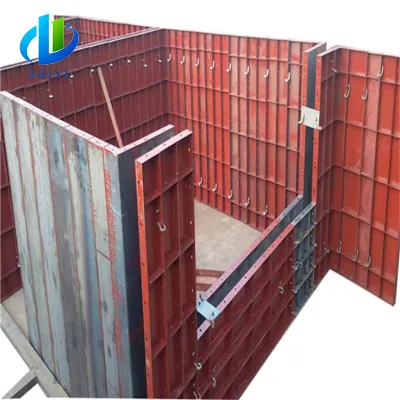


China Construction Concrete Column Steel Formwork with ISO Manufacture
$135.00 - $250.00
MOQ: 100 Square Meters


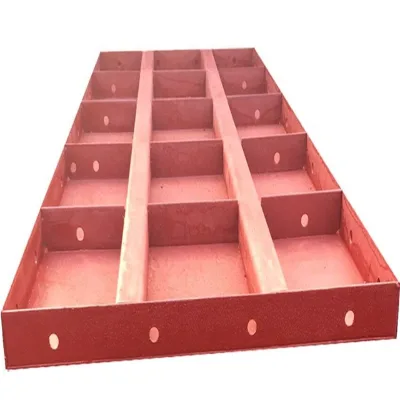


Comprehensive Sourcing Guide
Strategic Sourcing Guide for Single Side Steel Concrete Formwork
Procuring single-side steel concrete formwork requires a disciplined approach that balances technical precision with supply chain reliability. This guide synthesizes observed market data and verified product attributes to assist procurement professionals in navigating the complexities of sourcing these critical construction components. The focus remains on evidence-based decision-making, ensuring that buyers can validate supplier claims against tangible specifications rather than marketing assertions.
Technical Specifications and Material Composition
The foundation of any successful formwork procurement lies in understanding the specific technical attributes of the product. Based on observed market data, single-side steel formwork systems are frequently constructed using steel as the primary frame material, often paired with aluminum for specific structural elements. This combination ensures the necessary rigidity to withstand high fresh concrete pressures, which have been observed to exceed 60 kN/sqm in certain high-performance applications. The panel materials themselves vary, with bamboo plywood and wood plywood being common choices for the facing surface, offering a balance between surface finish quality and cost efficiency.
Dimensional consistency is a critical factor in formwork performance. The market data indicates a wide range of standard dimensions, including specific model configurations such as 30001200 mm, 6001200 mm, and various panel sizes like 18x12, 18x15, and 18x9. Buyers must verify that the selected model aligns with their project's structural requirements. For instance, the ADTO-SF and GF models represent specific product lines that may offer distinct advantages depending on the application. The thickness of the formwork is another vital specification; observed data points to a thickness of 63.5mm for certain steel formwork units, which directly influences the load-bearing capacity and reusability of the system.
Furthermore, the customization capabilities of the supplier play a significant role in technical suitability. The ability to customize surface treatments and dimensions allows for adaptation to unique architectural designs. Whether the project requires a specific design style or a standard configuration, the formwork must be capable of meeting the precise geometric demands of the structure. The weight of individual units, observed at approximately 19kg for certain panels, impacts handling logistics and the speed of installation on the construction site.
Compliance and Certification Verification
In the construction industry, compliance with international and regional standards is non-negotiable. When sourcing single-side steel concrete formwork, buyers must rigorously verify the certification status of the supplier. Observed product listings frequently cite CE, ROHS, and ISO certifications as standard attributes. These certifications indicate that the product meets specific safety, environmental, and quality management criteria. However, it is crucial to treat these as observations of specific listings rather than universal guarantees for all available products.
The standardization of the product is equally important. Market data references standards such as 30001200 and 6001200, alongside general "Standard & Customized" classifications. Buyers should request documentation that explicitly maps the product's physical dimensions and material properties to these standards. The presence of ISO certification suggests adherence to quality management systems, while CE marking implies conformity with health, safety, and environmental protection standards for products sold within the European Economic Area. ROHS compliance indicates that the materials used do not contain restricted hazardous substances, which is increasingly relevant for sustainable construction projects.
When evaluating a supplier, procurement teams should not rely solely on the presence of a certification logo. Instead, they must request valid certificates that correspond to the specific batch or model of formwork being purchased. The verification process should include checking the scope of the certification to ensure it covers the manufacturing of steel formwork and not just general trading activities. This due diligence mitigates the risk of receiving non-compliant materials that could lead to structural failures or regulatory penalties.
Cost Drivers and Pricing Dynamics
The pricing of single-side steel concrete formwork is influenced by a complex interplay of material costs, manufacturing complexity, and logistical factors. The observed price range in the market spans from $5 to $550,000, reflecting the vast difference between small accessory components and complete, large-scale formwork systems. This wide variance underscores the importance of defining the scope of procurement clearly. A single panel will cost significantly less than a fully integrated system designed for a high-rise core tube application.
Material composition is a primary driver of cost. Steel and aluminum frames generally command higher prices than wood-only systems due to the raw material costs and the energy-intensive manufacturing processes involved. However, the longevity and reusability of steel formwork often justify the higher initial investment. The thickness of the steel, observed at 63.5mm for certain models, also impacts the price, as does the type of plywood used for the facing. Bamboo plywood and wood plywood have different cost structures and performance characteristics that buyers must weigh against their budget constraints.
Packaging and shipping represent another significant cost component. The market data highlights various packaging methods, including bundled, sea-worthy, pallet, container, and standard package options. The choice of packaging affects the unit price and the overall logistics cost. For instance, "sea-worthy" packaging is essential for international shipments to prevent damage during transit, while "pallet" or "container" options may be more cost-effective for bulk domestic deliveries. Buyers should request detailed quotes that break down the cost of the formwork itself versus packaging and freight to ensure accurate budgeting.
Typical Applications and Project Suitability
Single-side steel concrete formwork is versatile and suitable for a wide range of construction applications. Observed data indicates usage in hotels, walls, columns, core tubes, and general building construction. The specific type of formwork, such as column formwork, slab formwork, or wall formwork, dictates its suitability for different structural elements. For example, column formwork is designed to provide the necessary confinement for vertical concrete pours, while slab formwork supports horizontal surfaces.
The application environment also influences the choice of formwork. Projects requiring high fresh concrete pressure, such as deep foundations or tall core walls, necessitate formwork with robust steel frames capable of withstanding pressures above 60 kN/sqm. In contrast, standard wall or slab applications may utilize lighter configurations. The "Design Style" attribute suggests that formwork can be tailored to meet specific aesthetic requirements, which is particularly relevant for visible concrete finishes in hotels or commercial buildings.
Furthermore, the availability of total project solutions, including graphic design and 3D model design, indicates that suppliers can support complex projects where formwork integration is critical to the overall design. Buyers should assess whether the supplier's capabilities align with the complexity of their specific project. For instance, a project involving a core tube may require specialized engineering support that goes beyond the supply of standard panels.
Supplier Evaluation and Operational Capabilities
Selecting the right supplier involves more than just comparing prices; it requires a thorough evaluation of their operational capabilities and support services. The market data reveals that suppliers often offer online technical support and onsite training, which are invaluable for ensuring the correct installation and use of formwork systems. These services help mitigate the risk of installation errors that could compromise the structural integrity of the concrete.
Project solution capabilities are another key differentiator. Suppliers offering graphic design and 3D model design services can assist in optimizing the formwork layout, reducing waste, and improving construction efficiency. The ability to provide a total solution for projects suggests a higher level of integration and expertise. Buyers should inquire about the specific experience of the supplier in handling projects similar to their own, particularly regarding the application areas of hotels, walls, and columns.
Geographic origin is also a factor in supplier evaluation. The data indicates that products originate from various locations in China, including Shandong, Qingdao, Jiangsu, and Yancheng. While these regions are known for manufacturing, buyers should verify the specific factory location to ensure it aligns with their logistical preferences and quality expectations. The brand name "Green Formwork" is observed in the market, but buyers should focus on the reputation and track record of the specific entity rather than just the brand name.
Quality Control and Long-Term Procurement Considerations
Ensuring the quality of single-side steel concrete formwork requires a robust quality control (QC) strategy. Buyers should implement a verification process that includes material testing, dimensional checks, and surface treatment inspections. The observed surface treatment options are customized, which means that the quality of the finish must be verified against the project's specific requirements. Standard packing and container shipping methods should be inspected to ensure that the formwork arrives in the condition specified in the contract.
Long-term procurement considerations extend beyond the initial purchase. The reusability of the formwork is a critical factor in the total cost of ownership. Steel formwork, with its observed thickness of 63.5mm and robust frame materials, is designed for multiple uses. However, the actual lifespan depends on the care taken during handling and storage. Buyers should negotiate terms that include warranties or guarantees regarding the durability of the product.
Additionally, the availability of accessories, such as panel props, is essential for the complete functionality of the formwork system. The supply chain for these accessories must be reliable to prevent delays in construction. Buyers should also consider the after-sales service capabilities of the supplier, including the availability of replacement parts and technical support. A supplier that offers onsite training and ongoing technical assistance can significantly reduce the risk of project delays and ensure that the formwork is used correctly throughout its lifecycle.
Final Procurement Strategy and Verification
In conclusion, sourcing single-side steel concrete formwork requires a meticulous approach that integrates technical verification, compliance checks, and supplier evaluation. Buyers must navigate a market with diverse product attributes, ranging from specific model numbers like ADTO-SF and GF to varied material compositions and dimensions. By focusing on the observed facts—such as the CE, ROHS, and ISO certifications, the specific dimensions like 30001200 and 6001200, and the material properties of steel and plywood—procurement professionals can make informed decisions that align with their project needs.
The wide price range and the variety of packaging options highlight the importance of clear communication and detailed specifications. Buyers should avoid making assumptions about universal standards or performance claims and instead demand evidence for every assertion made by a supplier. Whether the project involves a hotel, a wall, or a core tube, the formwork must be selected based on its ability to meet the specific structural and aesthetic requirements of the application.
Ultimately, the success of a formwork procurement strategy depends on the buyer's ability to synthesize the available data into a coherent plan. By prioritizing quality control, verifying certifications, and selecting suppliers with strong operational capabilities, buyers can ensure that their projects are completed on time, within budget, and to the highest standards of safety and performance. The evidence-based approach outlined in this guide provides a framework for achieving these objectives while navigating the complexities of the global construction supply chain.
FAQs
What certifications are available for Single Side Steel Concrete Formwork?
Products frequently carry CE, ROHS, and ISO certifications. These indicate compliance with safety and quality standards, though buyers must verify specific certificates for each batch rather than assuming universal coverage.
Which materials are used for Single Side Steel Concrete Formwork?
Steel is the primary frame material, often paired with aluminum. The panel surfaces typically use bamboo plywood or wood plywood to balance finish quality and cost efficiency for various construction applications.
How can I find formwork with specific customization options?
Customization is available for surface treatments and dimensions. Suppliers can adapt the product to unique architectural designs, allowing for specific design styles and geometric demands required by the project.
What is the typical thickness of Single Side Steel Concrete Formwork?
Observed data indicates a thickness of 63.5mm for certain steel formwork units. This dimension directly influences the load-bearing capacity and reusability of the system for high-pressure concrete applications.
Can suppliers provide technical support for installation?
Yes, many suppliers offer online technical support and onsite training. These services help mitigate installation errors and ensure the correct use of formwork systems throughout the construction lifecycle.
What are the standard dimensions for Single Side Steel Concrete Formwork?
Standard dimensions include 3000*1200 mm, 600*1200 mm, and panel sizes like 18x12. Buyers must verify that the selected model aligns with their project's specific structural and dimensional requirements.