Source Single Side White Art Paper for Books, Bags, and Magazines
Compare 30 listings for Single Side White Art Paper with options for gift wrapping, food packaging, and printing applications. Buyers can evaluate grades, weights, and customization features from verified Chinese suppliers; compare the available evidence and request quotations based on your requirements.
Key considerations
Products List


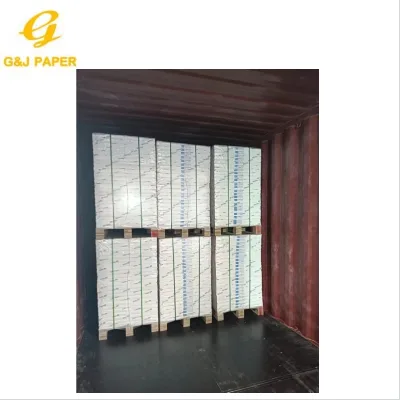


$810.00 - $830.00
MOQ: 20 Tons

Comprehensive Sourcing Guide
Single Side White Art Paper Sourcing Guide
Procuring Single Side White Art Paper requires a precise understanding of the material’s specific coating configuration and intended end-use. This paper type features a coated surface on one side and an uncoated back, offering a balance between print quality and cost efficiency. Buyers must distinguish this from double-sided art paper, as the single-side coating significantly impacts the paper’s stiffness, ink absorption, and final aesthetic. The primary value proposition lies in the high-gloss or matte finish on the front, which enhances image vibrancy, while the uncoated back allows for easier writing or binding. Understanding these fundamental characteristics is the first step in defining your technical requirements and ensuring the selected material aligns with your production capabilities and design specifications.
When initiating the sourcing process, it is crucial to clarify the specific grade and basis weight required for your project. The observed listings indicate a wide range of weights, typically spanning from 80gsm to 450gsm, with common standards including 80gsm, 90gsm, and 97gsm. This variability means that a generic request for "art paper" is insufficient; you must specify the exact grammage to avoid receiving material that is too thin for structural integrity or too heavy for your printing press. Additionally, the shade of white can vary, with options ranging from standard white to brighter, higher-opacity whites. Defining these parameters upfront prevents costly rejections and ensures that the supplier can allocate the correct production line, thereby streamlining the initial communication and reducing the risk of misaligned expectations regarding the final product’s physical properties.
Product Scope and Observed Listing Signals
The market for Single Side White Art Paper presents a diverse array of product configurations, primarily categorized by their coating material and finish. Observed listings frequently highlight kaolinite as the primary coating material, which is a standard clay-based substance known for providing a smooth, durable surface suitable for high-quality offset printing. The finish options typically include high gloss, matte, and semi-gloss, each serving different aesthetic and functional purposes. High gloss finishes are preferred for vibrant color reproduction in magazines and brochures, while matte finishes reduce glare and are often chosen for premium book covers or high-end packaging. Buyers should carefully review the specific finish description in the product listing to ensure it matches their design requirements, as the visual impact of the final print is heavily dependent on this surface characteristic.
Beyond the surface finish, the physical form and packaging of the paper are critical logistical considerations. Listings indicate that this paper is available in both roll and sheet formats, with roll widths often starting at 600mm and above. The choice between rolls and sheets depends entirely on your production method; offset printing presses typically require sheets, while some digital or web printing processes may utilize rolls. Packaging standards also vary, with options including reams, reels, or bulk packing, all of which must be sea-worthy for international shipping. It is essential to verify the exact packing method and dimensions, as this affects warehouse storage, handling costs, and the ease of unloading at your facility. Misunderstanding these logistical details can lead to significant operational delays and increased freight costs, making it a vital part of the initial product scope assessment.
Technical Specifications to Verify
Verifying the technical specifications of Single Side White Art Paper is essential to ensure compatibility with your printing equipment and design requirements. The basis weight, or grammage, is the most critical parameter, with observed ranges extending from 80gsm to 450gsm. For standard brochure and magazine applications, weights between 80gsm and 120gsm are common, while heavier weights are required for covers, cards, or rigid packaging. Buyers must confirm that the paper’s weight is consistent across the entire batch, as variations can cause feeding issues in automated printing lines. Additionally, the paper’s thickness, or caliper, should be checked, as it is directly related to the weight and affects the paper’s stiffness and foldability. Ensuring these dimensional specifications are within acceptable tolerances prevents production stoppages and maintains the quality of the final printed product.
In addition to weight and thickness, the coating properties must be rigorously verified. The coating side, whether single or double, dictates the paper’s behavior during printing and post-press processes. For single-side art paper, the coated side must have sufficient ink holdout to prevent bleeding, while the uncoated side should remain stable to avoid warping. Buyers should request test sheets to evaluate the paper’s smoothness, opacity, and whiteness. Opacity is particularly important for preventing show-through, which can compromise the readability of text on the reverse side. Furthermore, the paper’s moisture content should be checked, as it affects the paper’s dimensional stability and its tendency to curl or cockle. By verifying these technical attributes through sample testing, buyers can mitigate the risk of production defects and ensure that the paper performs reliably under their specific printing conditions.
Compliance and Safety Documentation
While Single Side White Art Paper is a commodity product, ensuring compliance with relevant safety and environmental standards is a growing priority for many buyers. Although specific certifications like FSC are mentioned in low-confidence background data, buyers should not assume certification status without explicit documentation. Instead, they should request certificates of analysis or compliance statements that detail the paper’s chemical composition and manufacturing process. This is particularly important for applications involving food wrapping or gift packaging, where the paper may come into indirect contact with consumers. Verifying that the paper is free from harmful substances, such as heavy metals or excessive levels of volatile organic compounds, is essential for maintaining product safety and meeting regulatory requirements in target markets.
Environmental compliance is another critical aspect of documentation. Many global markets have strict regulations regarding the sourcing of pulp and the environmental impact of paper production. Buyers should inquire about the source of the pulp, with virgin pulp being a common option, and whether the manufacturing process adheres to sustainable practices. While specific environmental certifications may not be universally listed, requesting information on the supplier’s environmental management system can provide insight into their commitment to sustainability. Additionally, buyers should verify that the paper meets any specific industry standards for its intended use, such as food-grade requirements for wrapping paper. By obtaining comprehensive compliance documentation, buyers can protect their brand reputation and ensure that their supply chain aligns with their corporate social responsibility goals.
Cost Drivers and Commercial Terms
The cost of Single Side White Art Paper is influenced by several key factors, including the basis weight, coating quality, and volume of the order. Observed price ranges in the market typically span from $550 to $950, but these figures can vary significantly based on the specific specifications and market conditions. Heavier weights and higher-quality coatings generally command a premium price, as they require more raw materials and more complex manufacturing processes. Buyers should request detailed quotations that break down the cost per ton or per ream, allowing for a clear comparison between different suppliers. It is also important to consider the total cost of ownership, which includes shipping, handling, and potential waste during the printing process. By understanding these cost drivers, buyers can negotiate more effectively and identify opportunities to reduce expenses without compromising on quality.
Commercial terms, such as minimum order quantities (MOQ) and payment conditions, also play a significant role in the overall procurement cost. Observed MOQs range from 1 to 25 metric tons, with 15 metric tons being a common threshold. Buyers should assess their inventory needs and production schedule to determine the optimal order size that balances cost efficiency with cash flow management. Payment terms, such as letters of credit or advance payments, should be negotiated based on the supplier’s creditworthiness and the buyer’s financial policies. Additionally, buyers should clarify the Incoterms, such as FOB or CIF, to understand who is responsible for shipping costs and insurance. By carefully reviewing these commercial terms, buyers can ensure that the procurement process is transparent and that there are no hidden costs that could impact their budget.
Supplier Qualification and Quality Control
Selecting a reliable supplier for Single Side White Art Paper requires a thorough evaluation of their manufacturing capabilities and quality control processes. Buyers should verify that the supplier has the necessary equipment and expertise to produce paper with the specific specifications required for their project. This includes assessing the supplier’s production capacity, lead times, and ability to handle custom orders. A reputable supplier will have a robust quality control system in place, including regular testing of raw materials and finished products. Buyers should request samples and test reports to verify the paper’s consistency and performance. Additionally, it is important to assess the supplier’s track record for on-time delivery and their ability to resolve any issues that may arise during the production process.
Quality control extends beyond the initial sample testing to include ongoing monitoring of the production process. Buyers should establish clear quality standards and acceptance criteria, which should be communicated to the supplier in writing. This includes specifying the acceptable ranges for weight, thickness, opacity, and surface finish. Regular audits or inspections can be conducted to ensure that the supplier is adhering to these standards. Furthermore, buyers should establish a clear communication channel for reporting any quality issues and requesting corrective actions. By implementing a rigorous supplier qualification and quality control process, buyers can minimize the risk of receiving defective material and ensure a consistent supply of high-quality paper for their production needs.
Long-Term Procurement Checks
Establishing a long-term procurement strategy for Single Side White Art Paper involves more than just securing a single order; it requires building a sustainable and resilient supply chain. Buyers should consider the supplier’s financial stability and market reputation, as these factors can impact their ability to deliver consistently over time. Conducting a financial health check and reviewing the supplier’s customer references can provide valuable insights into their reliability. Additionally, buyers should monitor market trends and raw material prices, as fluctuations in the cost of pulp and chemicals can affect the price of art paper. By staying informed about market dynamics, buyers can anticipate potential price changes and adjust their procurement strategy accordingly.
Diversifying the supplier base is another important long-term check. Relying on a single supplier can create vulnerabilities in the supply chain, particularly in the event of production disruptions or quality issues. Buyers should consider qualifying multiple suppliers to ensure a steady supply of paper and to leverage competitive pricing. Regular performance reviews of suppliers, based on metrics such as quality, delivery, and service, can help identify areas for improvement and foster stronger partnerships. By implementing these long-term procurement checks, buyers can build a robust supply chain that is capable of meeting their evolving needs and ensuring the continuity of their production operations.
FAQs
What customization options are available for Single Side White Art Paper?
Customization is available for Single Side White Art Paper to meet specific buyer needs. You can request customized rolls and sheets with varying weights from 80 to 450 grams. The paper features a smooth, sturdy surface suitable for magazines, books, and bags while maintaining high quality standards.
How is the Single Side White Art Paper coated and finished?
The Single Side White Art Paper features a single-sided coating process using kaolinite material. It offers a high gloss or matte finish depending on the specific grade selected. This coating ensures the paper is moisture proof and waterproof, making it ideal for food wrapping and industrial applications.
What are the standard packaging and delivery terms for this paper?
Standard packaging includes sea-worthy reels or bulk packs designed for safe international transport. Delivery typically takes around 30 days from the order date. The product originates from China and ships via major ports like Ningbo, Qingdao, or Zhenjiang to ensure reliable logistics for global buyers.
Which specifications define the weight and grade of this art paper?
This Single Side White Art Paper comes in grades ranging from A to High quality. The basis weight varies from 80 grams per square meter up to 450 grams per square meter. Specific models like C1S-01 offer substances between 80 and 350 GSM for diverse printing and wrapping requirements.
Can I order Single Side White Art Paper with a low minimum quantity?
Yes, you can order Single Side White Art Paper with a minimum order quantity starting from one unit. While some listings suggest 15 metric tons, the observed range allows for smaller orders down to one unit. This flexibility supports buyers who need trial batches or specific custom sizes.
What printing modes and applications are supported by this paper?
This paper supports offset printing modes and is suitable for various applications including magazines, books, and envelopes. It is also used for gift wrapping, food wrapping, and industrial bags. The high-quality pulp ensures smooth printing results on both glossy and matte coated surfaces.
What are the available shades and surface textures for this paper?
The Single Side White Art Paper is available in white shades with both gloss and matte textures. The surface is described as smooth and sturdy, providing a high-quality finish for printing. Decorative patterns include matte or gloss coatings to enhance the visual appeal of the final printed products.