Source Single Stage Vertical Centrifugal Pump for Water Supply
Explore 30 listings for the single stage vertical centrifugal pump, featuring horizontal and vertical shaft options with closed impellers. Compare models like ISG and XFL for industrial, agricultural, and home applications, noting pressure ratings and mounting heights to find the right fit.
Key considerations
Products List




Comprehensive Sourcing Guide
Single Stage Vertical Centrifugal Pump Sourcing Guide
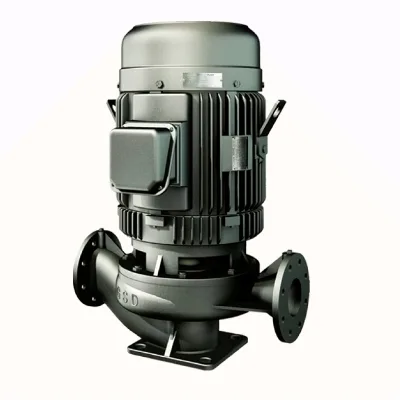
Procuring a single stage vertical centrifugal pump requires distinguishing between general irrigation models and specialized industrial units designed for high-pressure condensate or slurry handling. Buyers must first verify the mounting height and shaft orientation, as observed listings show distinct configurations ranging from suction centrifugal designs to vertical joint surface pumps. Understanding these physical differences is critical before engaging suppliers, as the wrong orientation can lead to installation failures or inefficient fluid dynamics in your specific facility.
The observed market data indicates a wide variance in performance capabilities, with some units rated for low-pressure applications while others support working pressures up to 5.0 MPa. Sourcing teams should prioritize suppliers who explicitly define the impeller type, such as single suction or double-suction variants, and confirm the casing construction. This initial verification ensures that the selected pump aligns with the hydraulic requirements of your system, preventing costly mismatches between the equipment's design limits and your operational demands.
Product Scope and Observed Listing Signals
Market listings for vertical centrifugal pumps reveal a diverse range of models, including the XFL, ISG, and LIHG series, each tailored to specific operational environments. Buyers should note that while some units are designed for general pumping tasks, others are specialized for industrial, agricultural, or hospital applications. The presence of features like mechanical seal packaging or standard wooden packing suggests varying levels of protection during transit, which can impact the initial condition of the equipment upon arrival.
Price signals in the current market span from 40 to 50,000 USD, reflecting the significant difference between basic irrigation pumps and complex multistage or high-pressure industrial units. Minimum order quantities typically range from one to one hundred units, offering flexibility for both small-scale projects and large infrastructure deployments. Procurement teams must carefully analyze these price points against the specific model specifications, such as the XZA/XZE series, to ensure they are not overpaying for unnecessary features or under-specifying for critical high-head applications.
Technical Specifications to Verify
When evaluating technical data, the working pressure and head capacity are the most critical parameters to validate against your system requirements. Observed specifications include units with maximum heads exceeding 150 meters and others capped at 300 meters, alongside pressure ratings around 5.0 MPa. Buyers must confirm whether the pump is designed for low, middle, or high-pressure service, as this directly influences the motor selection and the overall durability of the casing under operational stress.
The impeller configuration and temperature tolerance are equally vital for long-term reliability, particularly in demanding environments. Listings indicate impeller types ranging from closed designs to single-suction variants, with temperature ranges spanning from -80°C to +450°C depending on the model. It is essential to verify that the selected pump's temperature rating matches your fluid's thermal profile, ensuring that the mechanical seals and casing materials will not degrade or fail during continuous operation.
Compliance and Safety Documentation
Compliance verification should begin with the specific standards cited in the product documentation, such as GB6245 or API610/Vdma24297, which govern the manufacturing and performance of these pumps. While some background information mentions ISO certifications, buyers must rely on the explicit standards listed in the product facts to ensure the equipment meets the necessary regulatory and safety benchmarks for your region. Relying on unverified claims can lead to non-compliance issues during audits or inspections.
Safety documentation must also address the specific installation and operational risks associated with vertical pumps, including the method of combined treatment and the nature of the fluid being handled. For applications involving sewage or slurry, the pump's main features, such as submersible capabilities, must be clearly documented to ensure safe operation in hazardous environments. Buyers should request detailed safety data sheets that confirm the pump's suitability for the intended application, whether it is for industrial processing or agricultural irrigation.
Cost Drivers and Commercial Terms
The final cost of a single stage vertical centrifugal pump is heavily influenced by the complexity of the design, including the number of stages and the materials used for the casing and impeller. Units with higher head capacities, such as those exceeding 150 meters, or those designed for extreme temperature ranges, will naturally command a higher price point. Buyers should analyze the trade-off between initial capital expenditure and long-term operational efficiency, as a more robust pump may reduce maintenance costs over its lifecycle.
Commercial terms, including packaging and delivery logistics, also play a significant role in the total cost of ownership. Observed packaging options range from plywood boxes to wooden cases, with some units featuring specialized mechanical seal packaging to protect critical components. Procurement teams should negotiate clear terms regarding the origin of the goods, such as Jiangsu or Changsha, and ensure that the shipping method aligns with the fragility of the equipment to prevent damage during transit.
Supplier Qualification and Quality Control
Supplier qualification should focus on verifying the origin of the manufacturing facilities, with observed data pointing to production hubs in Jiangsu, Changsha, and Shanghai. Buyers must confirm that the supplier has a proven track record in producing the specific model series, such as the AS or LISG32-125A, to ensure consistency in quality and performance. A supplier's ability to provide detailed technical documentation and support for customization is a strong indicator of their reliability and expertise in the field.
Quality control processes must be rigorously assessed to ensure that every unit meets the specified standards and performance criteria. Buyers should request evidence of factory inspections and quality assurance protocols that cover the entire manufacturing process, from raw material selection to final assembly. Given the critical nature of these pumps in various applications, it is essential to verify that the supplier adheres to strict quality control measures to minimize the risk of defects and operational failures.
Long-Term Procurement Checks
Long-term procurement success depends on establishing a reliable supply chain that can support ongoing maintenance and spare parts availability. Buyers should verify the supplier's ability to provide consistent support for the specific pump models they have selected, ensuring that replacement parts like impellers and seals are readily available. This foresight is crucial for minimizing downtime and maintaining operational efficiency in critical industrial or agricultural applications.
Regular performance audits and feedback loops with the supplier are essential for maintaining high standards over the life of the equipment. Buyers should implement a system for tracking pump performance metrics, such as head capacity and pressure stability, to identify any deviations from the expected specifications. By maintaining open communication and conducting periodic reviews, organizations can ensure that their vertical centrifugal pumps continue to operate at peak efficiency and meet their intended service life expectations.
FAQs
What is the maximum head for single stage vertical centrifugal pumps?
The maximum head for single stage vertical centrifugal pumps is approximately 300 meters. This performance level supports applications requiring significant pressure lift. The design typically features a closed impeller and horizontal split casing options. These pumps operate at low to middle working pressures, ensuring reliable fluid transfer in industrial settings.
Can single stage vertical centrifugal pumps handle high temperatures?
Yes, certain models can handle temperatures ranging from negative eighty to positive four hundred fifty degrees Celsius. This wide range allows for versatile industrial use. The pumps are designed with robust materials to withstand thermal stress. Buyers should verify specific temperature ratings against their process requirements to ensure safe and efficient operation.
Which standards apply to single stage vertical centrifugal pumps?
Common standards include GB6245, API610, and VDMA24297. These standards ensure quality and safety in pump manufacturing. Compliance with API610 is particularly important for critical industrial applications. Buyers should request documentation to verify that the supplied pumps meet the required international or national standards for their specific industry.
How is the packaging for single stage vertical centrifugal pumps?
Pumps are typically packaged in plywood boxes or standard wooden packing. This method protects the equipment during transit. Some models may use mechanical seal packaging for added protection. The packaging ensures the pump arrives in optimal condition, ready for installation. Buyers should confirm packaging details with suppliers to prevent damage during shipping.
What is the typical MOQ for single stage vertical centrifugal pumps?
The minimum order quantity ranges from one to one hundred units. This flexibility accommodates both small and large procurement needs. Buyers can often customize orders to fit their specific project requirements. The available customization options allow for tailored solutions. It is advisable to discuss MOQs directly with manufacturers to secure the best terms.
Where are single stage vertical centrifugal pumps manufactured?
These pumps are primarily manufactured in Jiangsu, Changsha Hunan, and Shanghai in China. These regions are known for their industrial manufacturing capabilities. Buyers can source pumps from various locations within China. The origin may influence lead times and shipping costs. It is recommended to verify the specific manufacturing location with the supplier.