Source Singlemode Fiber Optical Cable for communication networks
Find 30 listings for Singlemode Fiber Optical Cable suitable for communication networks, data centers, and outdoor installations. Compare specifications including tensile strength, certifications, and packaging options from verified suppliers.
Key considerations
Products List


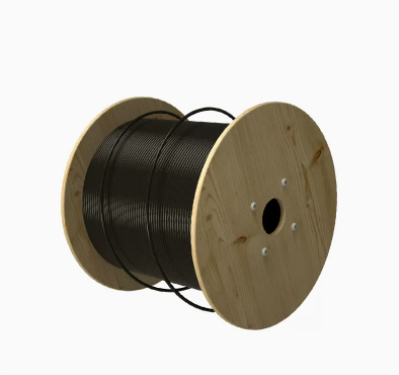


FTTH Drop Optical Fiber Cable & Outdoor Single Mode Optical Fiber Cable
$55.00 - $60.00
MOQ: 100 Rolls


Fiber Cable Optic Fiber Cableoptical Fiber Cable Wireoptical Fiber Cable
$0.15 - $0.25
MOQ: 1000 Meters


Comprehensive Sourcing Guide
Strategic Sourcing Guide for Single-Mode Fiber Optical Cable Procurement
Procuring single-mode fiber optical cable requires a rigorous approach that balances technical performance with supply chain reliability. In the global market, buyers encounter a wide array of product listings, yet the core requirements for high-performance communication networks remain consistent. This guide synthesizes observed market data and verified product attributes to provide a structured framework for evaluating suppliers. The focus is on understanding the specific characteristics of single-mode fiber, ensuring compliance with international standards, and establishing a robust quality control protocol before finalizing any procurement agreement.
Technical Specifications and Structural Integrity
The foundation of a reliable fiber optic cable lies in its physical construction and optical properties. When sourcing single-mode fiber, buyers must verify that the product meets the specific optical transmission requirements for long-distance communication. Market observations indicate that single-mode fiber is distinct from multicore or multimode variants, designed to carry light in a single path to minimize signal loss over extended distances. The core diameter and cladding dimensions are critical, though specific micron measurements should be confirmed against the supplier's technical datasheet for each model.
Structural integrity is equally vital, particularly for cables intended for harsh environments. Data from available product listings highlights specific mechanical performance metrics that serve as benchmarks for quality. For instance, high-performance cables often demonstrate an allowed tensile strength exceeding 10,000 Newtons, ensuring the cable can withstand the tension of aerial installations or long-distance pulling without damage. Conversely, some product variants list tensile strength values between 100 and 1,000 Newtons, which may be suitable for indoor or short-run applications but insufficient for outdoor infrastructure. Buyers must clearly distinguish between these categories to match the cable to the intended installation environment.
The sheath material and core composition also dictate durability. Observed specifications point to the use of crosslinking materials for the sheath, which provides enhanced resistance to environmental stressors such as moisture, temperature fluctuations, and chemical exposure. The physical shape of the wire is typically round, a standard configuration that facilitates efficient packing and installation. Furthermore, the inclusion of high-strength aramid yarns is a common feature in robust designs, acting as a tensile member to protect the delicate glass fibers from stretching during installation.
| Feature | High-Performance Outdoor Specification | General/Indoor Specification | Verification Requirement |
|---|---|---|---|
| Fiber Type | Single-mode | Single-mode / Multicore | Confirm "Single-mode" in model description |
| Tensile Strength | >10,000 N | 100 N < 1,000 N | Request test report for specific model |
| Sheath Material | Crosslinking | Standard Polymer | Verify material safety data sheet |
| Lateral Pressure | >1000 N/100mm | Variable | Confirm compression resistance rating |
| Installation | Micro Duct or Aerial | Indoor / Tray | Match to site survey requirements |
Compliance and Certification Verification
Navigating the complex landscape of international certifications is a non-negotiable aspect of B2B procurement. The supply chain for fiber optics is heavily regulated to ensure safety and environmental compliance. Buyers must scrutinize the certification claims provided by potential suppliers. Observed market data reveals a spectrum of certifications, ranging from regional standards to global mandates. Common certifications include RoHS (Restriction of Hazardous Substances), CE (Conformité Européenne), and ISO standards, which are frequently cited in product attributes.
However, the presence of a certification claim does not guarantee universal compliance across all SKUs. Some listings mention specific combinations such as RoHS, CE, CCC (China Compulsory Certification), UL (Underwriters Laboratories), ISO, CCS, CSA, and VDE. This variation suggests that certification status is often model-specific or batch-dependent. For example, a cable model labeled "SH721S" may carry different compliance markings than a model labeled "GCYFXTY." Buyers should not assume that a supplier's general certification applies to every product they offer. Instead, the procurement process must include a request for valid, up-to-date certificates for the specific model number being purchased.
The standard "Fiber" or "tray" designation in product attributes often correlates with specific testing protocols. Additionally, standards such as ISO9001 indicate a quality management system, while others like PAHs compliance address chemical safety. It is imperative to verify that the supplier can provide documentation proving that the specific batch of single-mode fiber meets the regulatory requirements of the destination country. Relying on general statements like "Certification: CE" without a certificate number or date is insufficient for high-stakes infrastructure projects.
Cost Drivers and Pricing Dynamics
Understanding the cost structure of single-mode fiber optical cable is essential for budgeting and negotiation. The observed price range in the market spans from $0.01 to $79.99 USD, a wide variance that reflects differences in fiber count, construction complexity, and brand positioning. A unit price at the lower end of this spectrum typically corresponds to basic indoor cables or short lengths, whereas higher prices often reflect outdoor-rated cables with advanced mechanical protections, such as high tensile strength and crosslinking sheaths.
Several factors drive these costs. The number of cores is a primary determinant; models like "SH721S-12" or "SH721S-24" indicate different core counts, which directly impact material usage and manufacturing time. The inclusion of specialized components, such as aramid yarns for high strength or specific jacket materials for crosslinking, adds to the base cost. Furthermore, the origin of the product plays a role; while many listings indicate an origin in China, the specific manufacturing location and the associated labor and logistics costs influence the final price.
Minimum Order Quantity (MOQ) is another critical cost driver. The observed MOQ range spans from 1 unit to 50,000 units. Buyers seeking small quantities may face higher per-unit costs due to the setup costs of production runs, while bulk buyers can leverage economies of scale. However, high MOQs can tie up capital and inventory space. Negotiating a balance between unit price and MOQ is a key skill in this sector. Buyers should also consider the "Selling Units" attribute; some products are sold as single items, while others are packaged in wooden drums or cartons, affecting the total landed cost.
Typical Applications and Installation Conditions
The application of single-mode fiber optical cable dictates the required specifications. The primary application observed in the market is communication networks, where reliability and signal integrity are paramount. These cables are designed for long-haul transmission, connecting data centers, telecommunications towers, and enterprise networks. The distinction between indoor and outdoor applications is crucial; outdoor cables must withstand environmental stressors, while indoor cables prioritize fire safety and flexibility.
Installation conditions further refine the selection process. Specific product attributes mention suitability for "Micro Duct or Aerial" installation, indicating that these cables are engineered to handle the mechanical stresses of being pulled through narrow conduits or suspended between poles. Other models are designated for "tray" installation, suggesting they are optimized for indoor rack or conduit environments where lateral pressure and tensile strength requirements may differ.
It is important to note that while some listings mention applications for consumer electronics like microphones, telephones, and multimedia devices, the core keyword "single-mode fiber optical cable" is primarily associated with high-bandwidth communication infrastructure. Buyers should ensure that the selected cable matches the specific network topology. For instance, a cable designed for aerial installation may be over-engineered and costly for a simple indoor patch cord, whereas an indoor cable would be unsuitable for an outdoor aerial run due to a lack of UV resistance and tensile strength.
Supplier Evaluation and Brand Considerations
Evaluating suppliers requires a deep dive into their product attributes and operational capabilities. The market features a mix of OEM (Original Equipment Manufacturer) brands and specific brand names like "HNpon." The presence of an OEM designation suggests that the supplier may offer customization services, allowing buyers to tailor the cable to specific project needs. Customization is listed as an available attribute, which is a significant advantage for large-scale projects with unique requirements.
When assessing a supplier, buyers should look for evidence of a comprehensive product line. The variety of model numbers observed, such as "SH721S," "HITEK-1006," "GYXTC8S," and "GYTS," indicates a supplier capable of producing different cable types. However, the consistency of quality across this range must be verified. A supplier that offers a wide range of certifications, including UL, VDE, and CSA, demonstrates a commitment to meeting diverse international standards.
Location is another factor in supplier evaluation. Many listings indicate an origin in China, which is a major hub for fiber optic manufacturing. Buyers should verify the specific factory location and the supplier's ability to manage logistics from that point. The "Delivery Time" of 20 workdays is a common lead time observed, but this can vary based on order volume and customization. A reliable supplier will provide transparent communication regarding production schedules and potential delays.
Quality Control and Long-Term Procurement
Establishing a robust quality control (QC) protocol is essential to mitigate the risks associated with fiber optic procurement. Given the wide range of observed tensile strengths and certifications, buyers must implement a verification process that includes requesting third-party test reports. These reports should confirm the optical attenuation, tensile strength, and environmental resistance of the specific batch being delivered. The "Condition: New" attribute is a basic requirement, but it does not replace the need for physical inspection upon receipt.
Packaging is a critical component of quality control. Observed packaging methods include "Wooden Drum with Protuction," "Wooden Drum," and "PE Bag, Blister and Carton." The choice of packaging depends on the cable type and shipping distance. For long-distance shipping, wooden drums with proper protection are preferred to prevent damage to the delicate fibers. Buyers should ensure that the packaging is sufficient to protect the cable during transit and storage, especially if the destination involves humid or extreme temperature conditions.
Long-term procurement considerations involve building a relationship with a supplier who can support the lifecycle of the project. This includes the availability of spare parts, technical support for installation, and the ability to scale production as the network expands. The "Customization: Available" attribute suggests that suppliers can adapt to future needs, but this requires clear communication and documentation. Buyers should also consider the sustainability of the materials used, particularly the crosslinking sheath and aramid yarns, to ensure they meet any future environmental regulations.
In conclusion, sourcing single-mode fiber optical cable is a multifaceted process that demands attention to technical specifications, certification validity, and supplier reliability. By adhering to the verification steps outlined in this guide, buyers can navigate the complexities of the market and secure high-quality products that meet the rigorous demands of modern communication networks. The key lies in rigorous due diligence, ensuring that every claim made by the supplier is backed by verifiable data and documentation.
FAQs
What certifications are available for Singlemode Fiber Optical Cable?
Common certifications include RoHS, CE, ISO, and CCC. Some models also carry UL, VDE, and CSA marks. Buyers must verify that the specific model number holds the required certification rather than assuming all products from a supplier share the same compliance status.
How does tensile strength vary between cable types?
High-performance outdoor cables often exceed 10,000 Newtons of tensile strength. Indoor or general variants may range between 100 and 1,000 Newtons. Select the appropriate strength rating based on whether the installation requires aerial pulling or simple indoor routing.
Which installation conditions are supported by these cables?
Specific models are designed for micro duct or aerial installation. Other variants are optimized for tray installation in indoor environments. Ensure the cable selection matches the physical constraints and mechanical stresses of the intended deployment site.
Can suppliers provide customization for Singlemode Fiber Optical Cable?
Yes, customization is available for many product listings. Buyers can request specific modifications to meet unique project requirements. This service is particularly useful for large-scale infrastructure projects needing tailored specifications beyond standard catalog items.
What is the typical delivery time for these products?
The standard delivery time is approximately 20 workdays. This lead time may vary depending on order volume and customization needs. Buyers should confirm the specific schedule with the supplier before finalizing procurement agreements to avoid delays.
What packaging options are used for Singlemode Fiber Optical Cable?
Products are commonly shipped in wooden drums with protection or standard cartons. Some smaller items may use PE bags and blister packs. The packaging choice depends on the product model and the shipping requirements to ensure safe transit.