Source Single Wire Spiral Binding Machine for Office, School, Print
Explore 25 Single Wire Spiral Binding Machine options for office, school, and print shops. Compare semi-automatic and full-automatic models with varying speeds, thickness capacities, and power supplies to find the right fit for your workflow; compare the available evidence and request quotations based on your requirements.
Key considerations
Products List


$5000.00 - $100000.00
MOQ: 1 Pieces

Automatic Punching and Binding Machine for Single Spiral Book Single Wire Spiral Binding Machine
$27000.00 - $28000.00
MOQ: 1 Pieces

Single Loop Wire Forming Spiral Binding Machine Iron Wire Spiral Closing Machine
$5000.00 - $5500.00
MOQ: 1 Pieces

Latest Single Loop Wire Forming Spiral Binding Machine Metal Single Spiral Binding Machine
$5000.00 - $5500.00
MOQ: 1 Pieces

High Speed Metal Single Loop Spiral Wire Binding Machine Iron Wire Spiral Closing Machine
$5000.00 - $5500.00
MOQ: 1 Pieces

Automatic Single Ring Wire Binding Machine for Notebook Calendar Spiral Coil Forming Machine
$30000.00 - $35000.00
MOQ: 1 Sets

Calendar Wire Coil Book Machine Notebook Forming Single Spiral and Binding Machine
$30000.00 - $35000.00
MOQ: 1 Sets

Factory Price Single Wire Binding Machine Spiral Coil Binding Machine
$5073.00 - $5226.00
MOQ: 1 Pieces

High Quality Single Spiral Wire Loop Binding Machine Loop Wire Book Binding Machine
$4000.00 - $4800.00
MOQ: 1 Pieces


Comprehensive Sourcing Guide
Single Wire Spiral Binding Machine Sourcing Guide
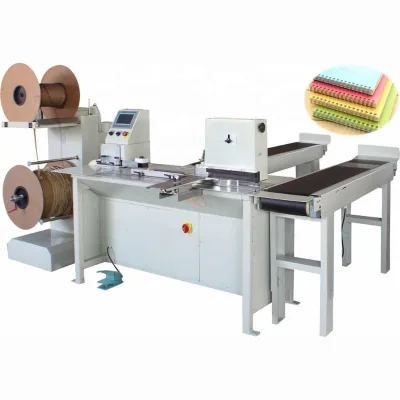
Procuring a Single Wire Spiral Binding Machine requires a clear understanding of the distinct mechanical classifications available in the market, as these directly dictate operational efficiency and final output quality. Buyers must distinguish between semi-automatic and fully automatic systems, as the former often requires manual intervention for feeding and ejection, while the latter integrates computerized controls for continuous, high-volume production. The observed product landscape includes models classified as semi-automatic punching machines and full-automatic financial binding units, each serving different throughput needs. Understanding this classification is the first step in aligning machinery capabilities with your specific production volume targets and labor constraints.
Beyond classification, the physical specifications of the machine must align with your document dimensions and material thicknesses. Key parameters such as maximum binding width, minimum binding width, and the range of coil diameters supported are critical for versatility. For instance, some units support binding widths from 100mm to 450mm and coil diameters from 8mm to 32mm, accommodating a wide variety of report and book formats. Additionally, the machine’s ability to handle specific paper thicknesses, ranging from standard copy paper to heavy cover sheets, ensures that the equipment can manage diverse job requirements without frequent adjustments or limitations, thereby maximizing operational flexibility.
Product Scope and Observed Listing Signals
The current market listings for single wire spiral binding machines reveal a diverse range of models, each with unique operational characteristics and physical dimensions. Observed data indicates a price range spanning from low-cost entry-level units to high-end industrial systems, reflecting variations in automation level, motor power, and build quality. Models such as the ST-FB450 and SSB-420 represent different tiers of functionality, with some focusing on punching precision while others emphasize binding speed and capacity. Buyers should carefully review the listed specifications, such as power supply requirements (e.g., 220V/1PH/50Hz or 380V/50Hz) and overall dimensions, to ensure compatibility with their facility’s infrastructure and spatial constraints.
Listing signals also highlight the importance of customization options and packaging standards, which can impact total cost of ownership and logistics. Many suppliers offer customization for hole shapes and other specific requirements, allowing for tailored solutions that meet niche industry standards. Furthermore, the use of robust packaging, such as wooden cases or strong boxes, is a positive indicator of supplier attention to detail during transit, reducing the risk of damage during international shipping. Buyers should verify these details directly with suppliers, as listed information may not always reflect the most current production capabilities or regional variations in product offerings.
Technical Specifications to Verify
When evaluating technical specifications, buyers must prioritize the machine’s speed, power consumption, and dimensional accuracy to ensure it meets production demands. Observed models show work speeds ranging from 7 to 25 sheets per minute for certain cutting and binding units, while others claim speeds up to 1200 books per hour for binding operations. It is essential to verify these figures under actual operating conditions, as advertised speeds may not account for material variations or maintenance intervals. Additionally, motor power ratings, such as heating power of 4.5kw and whole motor power of 6.5kw for some models, indicate the energy intensity of the machine, which affects long-term operational costs and electrical infrastructure requirements.
Dimensional specifications and material handling capabilities are equally critical for ensuring the machine can process your specific document types. Buyers should confirm the maximum and minimum paper dimensions, such as paper lengths from 180mm to 800mm and widths from 130mm to 490mm, to ensure compatibility with your standard formats. The machine’s ability to handle cover sheet thicknesses from 1mm to 3.5mm and paper thicknesses from 100g to 200g is also vital. Furthermore, verifying the blade material, such as stainless steel for durability, and the classification of the punching mechanism, whether automatic or semi-automatic, helps in assessing the machine’s longevity and maintenance needs.
Compliance and Safety Documentation
Compliance with international safety and electrical standards is non-negotiable when sourcing industrial binding machinery, as it protects both operators and the facility from potential hazards. Buyers must request detailed documentation confirming that the machine meets relevant electrical safety standards for the target market, including proper grounding, insulation, and emergency stop mechanisms. The power supply specifications, such as 220V or 380V, must align with local grid standards, and any deviations require additional transformers or electrical modifications, which can add significant cost and complexity to the installation process.
In addition to electrical compliance, mechanical safety features must be thoroughly reviewed to ensure operator protection during high-speed operations. Machines with moving parts, such as punching blades and binding coils, should be equipped with appropriate guards and interlocks to prevent accidental contact. Buyers should also inquire about the machine’s noise levels and vibration dampening, as these factors impact workplace comfort and regulatory compliance in many jurisdictions. Requesting a comprehensive user manual and safety guide from the supplier is essential for proper training and ongoing safe operation of the equipment.
Cost Drivers and Commercial Terms
The total cost of acquiring a Single Wire Spiral Binding Machine is influenced by several key factors, including automation level, motor power, and included accessories. Fully automatic models with computerized controls and higher throughput capabilities typically command a premium price compared to semi-automatic units. Buyers should also consider the cost of additional features, such as customizable hole shapes or specialized binding heads, which may incur extra charges. Understanding the breakdown of these costs helps in making informed decisions that balance initial investment with long-term operational efficiency and productivity gains.
Commercial terms, including minimum order quantities (MOQ), payment terms, and shipping arrangements, significantly impact the procurement process. Observed listings indicate MOQs ranging from 1 to 5 units, which may affect pricing tiers and negotiation leverage. Buyers should clarify whether the quoted price includes packaging, such as wooden cases or strong boxes, and whether it covers international shipping and insurance. Additionally, understanding the supplier’s lead time and warranty policies is crucial for planning production schedules and mitigating risks associated with potential defects or performance issues after installation.
Supplier Qualification and Quality Control
Selecting a reliable supplier is paramount to ensuring the long-term performance and support of your Single Wire Spiral Binding Machine. Buyers should verify the supplier’s manufacturing capabilities, including their experience in producing similar equipment and their quality control processes. Requesting references from existing customers, particularly those in similar industries, can provide valuable insights into the supplier’s reliability, after-sales service, and product durability. Additionally, assessing the supplier’s responsiveness to technical inquiries and their willingness to provide detailed specifications and documentation is a strong indicator of their professionalism and commitment to customer satisfaction.
Quality control measures should be explicitly defined in the purchase agreement to ensure that the delivered machine meets the agreed-upon specifications. Buyers should consider implementing pre-shipment inspections or third-party quality audits to verify the machine’s construction, electrical components, and operational performance before it leaves the factory. This proactive approach helps identify and rectify any potential issues early, reducing the risk of delays and additional costs associated with returns or repairs. Establishing a clear communication channel with the supplier for ongoing support and troubleshooting is also essential for maintaining optimal machine performance over time.
Long-Term Procurement Checks
Long-term procurement success depends on establishing a robust maintenance and support framework for your Single Wire Spiral Binding Machine. Buyers should develop a preventive maintenance schedule that includes regular cleaning, lubrication, and inspection of critical components such as blades, motors, and binding coils. Keeping a stock of spare parts, such as replacement blades and electrical components, can minimize downtime in case of unexpected failures. Additionally, training operators on proper machine usage and basic troubleshooting techniques empowers them to handle minor issues independently, further enhancing operational efficiency and reducing reliance on external service calls.
Continuous evaluation of the machine’s performance against key performance indicators (KPIs) such as throughput, defect rate, and energy consumption is essential for identifying areas for improvement. Regularly reviewing these metrics helps in assessing whether the machine continues to meet production demands and whether any upgrades or modifications are needed to adapt to changing business requirements. Building a strong relationship with the supplier for ongoing technical support and potential future upgrades ensures that your investment remains aligned with industry best practices and technological advancements, securing a competitive edge in your binding operations.
FAQs
What is the maximum binding thickness for this machine?
The maximum binding thickness is 20mm for the semi-automatic model and up to 50mm for the full-automatic variant. These specifications ensure the machine handles various document sizes effectively while maintaining consistent binding quality for professional financial and office applications.
Can the machine handle different paper widths?
Yes, the machine supports paper widths ranging from 100mm to 450mm depending on the specific model configuration. This flexibility allows users to bind documents of various sizes, ensuring compatibility with standard office paper and larger format materials without requiring additional equipment.
What is the production speed of the wire binding machine?
The machine operates at speeds up to 1200 books per hour for high-volume production needs. This efficiency is achieved through its automatic punching and forming capabilities, making it suitable for busy print shops and large-scale document binding operations requiring rapid turnaround times.
Is customization available for the coil diameter?
Customization is available for the coil diameter, which typically ranges from 8mm to 32mm. Buyers can request specific hole shapes and dimensions to meet unique project requirements, ensuring the final binding product aligns precisely with their specific design and functional needs.
What power supply does the machine require?
The machine requires a power supply of either 220V single phase at 50Hz or 380V at 50Hz depending on the model. This dual voltage capability ensures compatibility with different electrical standards in various regions, facilitating easier installation and operation for international buyers.
How is the machine packed for shipping?
The machine is packed in sturdy wooden cases or wooden boxes to ensure safe transport. This robust packaging protects the equipment from damage during transit, which is essential for heavy machinery weighing up to 2800kg that requires careful handling and secure logistics arrangements.