Source Slab Carry Clamp for Glass, Marble, and Stone
Find 30 Slab Carry Clamp options for lifting glass, marble, and stone. Compare aluminum and steel models with CE certification, adjustable jaws, and varying capacities to match your material handling needs; compare the available evidence and request quotations based on your requirements.
Key considerations
Products List
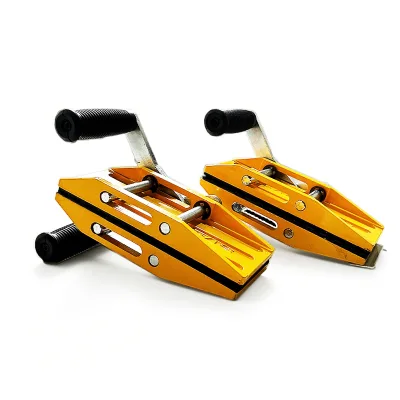


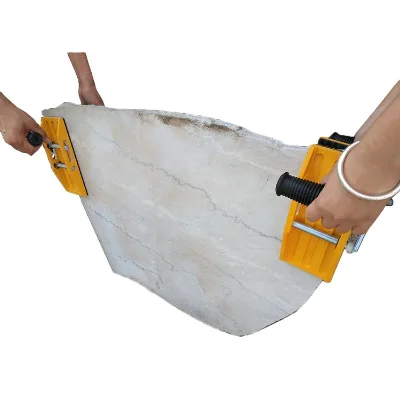


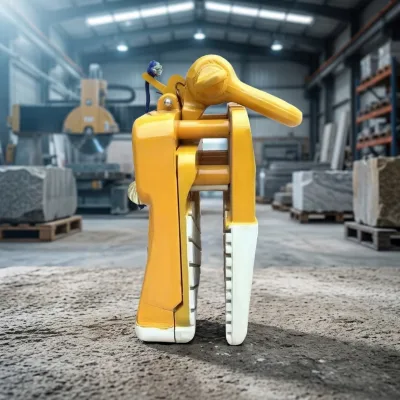
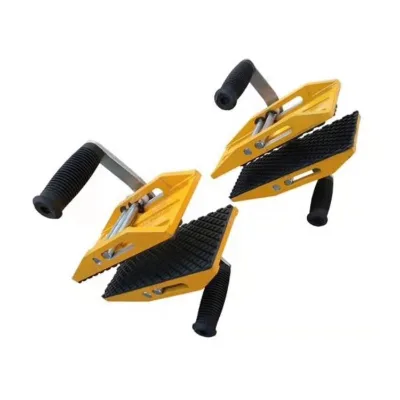


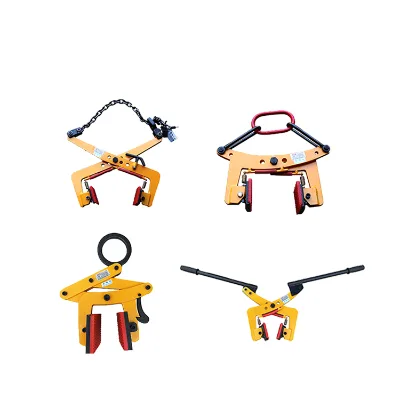


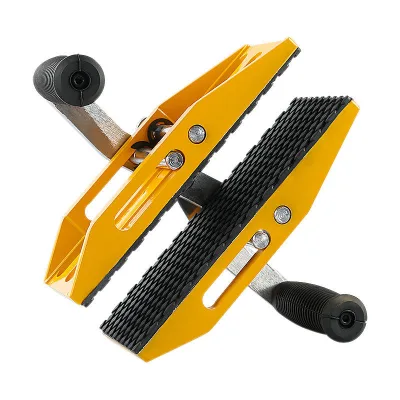

Excavator Curb Stone Clip Adjustable Stone Clamp Rotating Curbstone Clamp
$1800.00 - $2000.00
MOQ: 1 Pieces


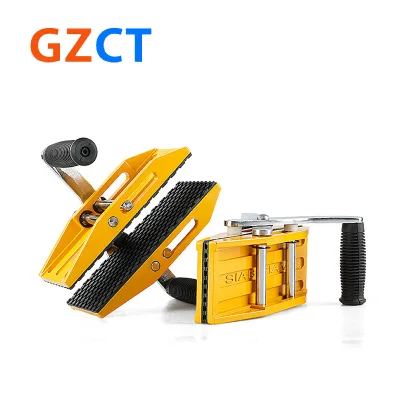

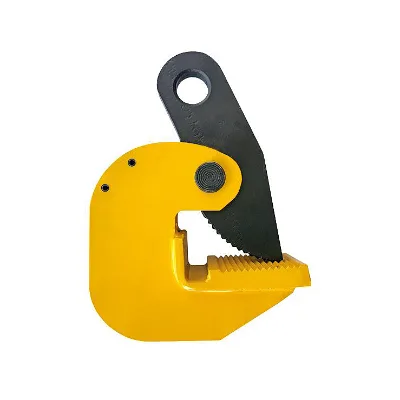

$0.64 - $3.80
MOQ: 100 Pieces
Comprehensive Sourcing Guide
Slab Carry Clamp Sourcing Guide
The Slab Carry Clamp serves as a critical interface for moving heavy stone, glass, and metal panels in industrial and construction environments. Buyers must distinguish between general-purpose lifting clamps and specialized units designed for specific material thicknesses, as the observed market data indicates a wide variance in carrying capacity ranging from 350kg to over 6 tons. Understanding these distinctions is essential before initiating a procurement cycle, as a mismatch between the clamp's rated load and the actual slab weight can lead to catastrophic failure.
Procurement teams should also evaluate the mechanical structure and surface treatment of the unit, as these factors directly influence durability and grip security. The available product data highlights variations in material composition, including aluminum, steel, and rubber components, which dictate the tool's resistance to corrosion and its ability to handle delicate surfaces without scratching. Selecting the correct configuration requires a clear definition of the operational environment, ensuring the chosen clamp aligns with the specific weight, thickness, and surface finish of the materials being transported.
Product Scope and Observed Listing Signals
Market listings for slab carry clamps reveal a diverse range of specifications, with observed lifting capacities spanning from 20kg to over 6 tons depending on the model and intended application. Buyers will encounter products labeled as double-handed carry lifting clamps, glass clamps, and heavy material transport tools, each featuring distinct structural designs such as G-clamp configurations or adjustable jaws. It is vital to verify the specific application context, as some units are optimized for marble and glass with thicknesses between 4mm and 46mm, while others are engineered for general steel or heavy industrial loads.
The physical attributes of these tools vary significantly, with single package sizes ranging from 35x25x25 cm to 55x25x25 cm and self-weights differing from 2.6kg to 1000kg. This variance suggests that the market offers both portable, manual units and larger, potentially electric-powered systems for heavy-duty operations. Sourcing strategies must account for these physical differences, as the weight and dimensions of the clamp itself impact logistics costs and the ease of handling by the end-user during installation or transport.
Technical Specifications to Verify
When evaluating technical specifications, the primary focus must be on the load-bearing capacity and the adjustable range of the clamp's jaws. The observed data indicates carrying thicknesses from 0mm to 46mm and diameter ranges of 5mm to 45mm, which are critical parameters for ensuring a secure grip on the specific slab dimensions. Buyers should confirm that the adjustable mechanism allows for precise fitting to the material thickness, as an improper fit can compromise the safety of the lift and lead to slippage during operation.
Material composition and surface treatment are equally critical factors that determine the longevity and performance of the clamp under stress. Listings frequently mention materials such as aluminum, steel, and rubber, with leather thicknesses noted at 4mm for specific models. Procurement teams must verify that the rubber or leather components provide sufficient friction to hold the slab without damage, while the metal structure offers the necessary tensile strength to support the maximum rated load without deformation.
Compliance and Safety Documentation
Safety compliance is non-negotiable when sourcing lifting equipment, and buyers should demand valid certification documents that verify the product meets international safety standards. The observed market data includes CE certification for certain models, which serves as a baseline indicator of compliance with European health, safety, and environmental protection standards. However, buyers must not assume all listed products possess this certification and should explicitly request proof of compliance for the specific model being purchased to mitigate liability risks.
Beyond basic certification, documentation should include detailed load testing reports and clear instructions for safe operation under various conditions. The presence of a "New" condition status and specific supply abilities, such as 500 sets per month, suggests a standardized manufacturing process, but this does not replace the need for individual batch testing records. Procurement teams must ensure that the supplier provides comprehensive safety manuals that outline the maximum working load limits and proper usage procedures to prevent accidents during heavy material transport.
Cost Drivers and Commercial Terms
The cost of slab carry clamps is influenced by several factors, including the material quality, lifting capacity, and the complexity of the mechanical design. Observed price ranges in the market span from $0.05 to $8000, reflecting the vast difference between simple manual clamps and heavy-duty, electric-powered lifting systems. Buyers should analyze the total cost of ownership rather than just the unit price, considering that higher-quality materials like stainless steel or specialized rubber may command a premium but offer superior durability and safety.
Commercial terms such as Minimum Order Quantity (MOQ) and packaging requirements also play a significant role in the overall procurement cost. The market shows MOQs ranging from 2 pieces to 1000 pieces, with packaging options varying from single items to wooden cases or containers. Negotiating favorable terms requires understanding the supplier's production capacity and lead times, as well as ensuring that the packaging protects the equipment during transit, especially for heavy units that may weigh up to 1000kg.
Supplier Qualification and Quality Control
Supplier qualification should extend beyond basic business registration to include an assessment of their manufacturing capabilities and quality control processes. The observed data indicates origins in regions like Quanzhou, Fujian, and Henan, China, which are known for metalworking and industrial equipment production. Buyers should verify the supplier's ability to maintain consistent quality across batches, particularly regarding the precision of the adjustable jaws and the integrity of the load-bearing components.
Quality control measures must be rigorously applied to ensure that every unit meets the specified technical requirements before shipment. This includes verifying the accuracy of the lifting capacity ratings and the durability of the surface treatments against wear and tear. Procurement teams should request samples or third-party inspection reports to confirm that the product matches the advertised specifications, such as the 4mm leather thickness or the specific dimensions of the single package size, to avoid receiving substandard equipment.
Long-Term Procurement Checks
Establishing a long-term procurement strategy requires regular audits of the supplier's performance and the continued reliability of the equipment in the field. Buyers should monitor the frequency of maintenance issues and the lifespan of the clamps under actual working conditions to ensure they continue to meet safety and efficiency standards. This ongoing evaluation helps identify potential suppliers who may have compromised on quality over time or who fail to adapt to changing industry requirements.
Future-proofing the procurement process involves staying informed about updates to safety standards and technological advancements in lifting equipment. As the market evolves, new materials and designs may emerge that offer improved performance or safety features. Buyers should maintain open communication with suppliers to stay updated on these developments and be prepared to adjust their specifications or sourcing strategies to incorporate these innovations, ensuring their operations remain safe and efficient in the long run.
FAQs
What weight can a Slab Carry Clamp hold safely?
Many slab carry clamps listed on this page handle loads from a few kilograms up to 350 kg, while heavier steel lifting clamp models exceed 6 tonnes. Always check the rated lifting capacity for the exact model before ordering. Match the clamp rating to your slab weight and include a safety margin for handling shock.
What slab thickness does a Slab Carry Clamp accommodate?
Carrying thickness on listed models ranges from 0 to 46 mm, and glass clamps cover 4 to 19 mm slabs with an open mouth of 5 to 45 mm. Measure your slab before ordering. Adjustable designs let one clamp grip multiple thicknesses, reducing the number of tools you need on site.
Which materials are commonly used in Slab Carry Clamp construction?
Listed clamps are made from steel, aluminum, and rubber contact surfaces. Steel provides the load-bearing frame, rubber pads protect polished slab edges from chips and scratches, and aluminum reduces self weight for easier handling. Choose rubber-faced models for glass and marble, since bare steel jaws can mark delicate surfaces during transport.
Can I order a Slab Carry Clamp with custom specifications?
Yes, customization is available on several listed models, and the product standard is described as customized. You can request specific jaw openings, load ratings, and packaging such as wooden cases. Contact suppliers with your slab dimensions, required capacity, and quantity so they can confirm feasibility before quoting.
How many pieces is the minimum order for a Slab Carry Clamp?
Minimum order quantities on this page range from 1 to 1000 pieces depending on the model, with some brands listing an MOQ of 2 pieces. Small orders suit trial purchases or replacement needs, while bulk orders typically secure better unit pricing. Confirm the exact MOQ with each supplier before placing an order.
Which certifications should I look for on a lifting clamp?
CE certification appears on listed slab carry clamps and is a common baseline for lifting equipment sold in many markets. Certification indicates conformity assessment rather than a guarantee of performance. Ask suppliers for the certificate scope and match it to the specific model, capacity rating, and thickness range you intend to buy.
How should I inspect and maintain a Slab Carry Clamp?
Check the jaw surfaces, rubber pads, and adjustment mechanism before each use, looking for wear, cracks, or deformation. Keep contact pads clean and replace them when the rubber hardens or tears. Store clamps dry to prevent corrosion, and retire any clamp whose load rating plate is missing or illegible during handling work.
Can a Slab Carry Clamp handle glass, marble, and stone equally well?
Yes, listed clamps are used for marble and glass lifting, but pad type matters. Rubber-faced jaws grip smooth glass edges from 4 to 19 mm without scratching, while cork-type pads suit certain stone finishes. Verify the clamp's rated capacity and thickness range against your slab material before each lift to ensure a safe grip.