Source Skinny Sleeveless Summer Women Jumpsuit for fitness, cycling, and daily wear
Explore 30 listings for the Skinny Sleeveless Summer Women Jumpsuit with options in cotton or custom fabrics. Buyers can compare fit types, sleeve lengths, and customization services like logo printing or embroidery from verified suppliers.
Key considerations
Products List


Women's Oversized Reversible Romper Summer Casual Workout Wide Leg Jumpsuits
$7.50 - $8.50
MOQ: 1000 Pieces


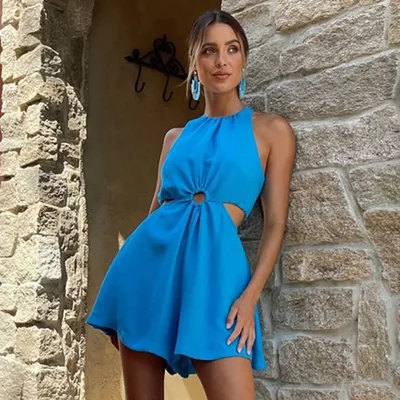


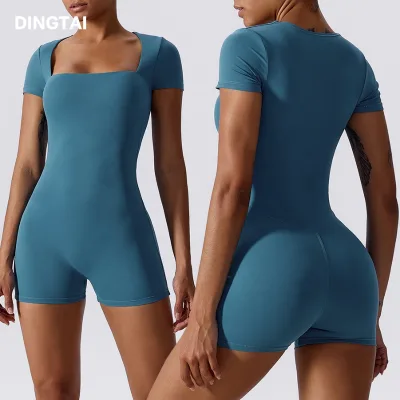
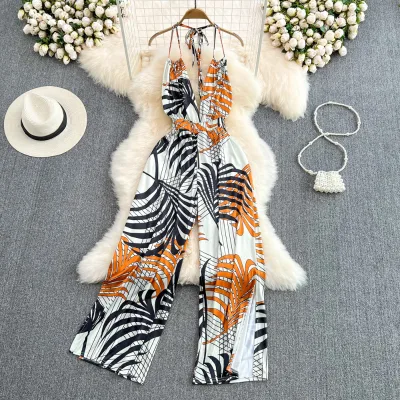
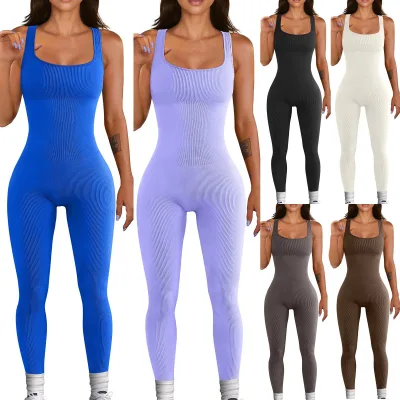


Comprehensive Sourcing Guide
Skinny Sleeveless Summer Women Jumpsuit Sourcing Guide
Sourcing a Skinny Sleeveless Summer Women Jumpsuit requires a nuanced understanding of the current B2B apparel landscape, where customization and rapid turnaround are paramount. The market for this specific garment type is characterized by a high degree of variability in fit, fabric composition, and branding options. Buyers must navigate a wide array of supplier capabilities, ranging from small-batch producers offering quick samples to large-scale manufacturers capable of handling complex OEM and ODM requests. The core appeal of this item lies in its versatility for daily wear and active occasions, making it a staple for retailers focusing on both casual and athletic segments.
To succeed in this procurement category, buyers must establish clear technical specifications before engaging with suppliers. The observed market signals indicate a strong preference for customizable features, including logo placement, color selection, and fit adjustments. While the term "skinny" suggests a specific silhouette, the actual product listings reveal a spectrum of fit types, including slim fit, fitted, and even wide-leg variations. This discrepancy highlights the importance of precise communication and sample verification. Buyers should approach sourcing with a mindset of validation, treating initial product descriptions as starting points for negotiation rather than final guarantees.
Product Scope and Observed Listing Signals
The current market for skinny sleeveless summer women jumpsuits exhibits a broad range of product attributes that buyers must carefully evaluate. Observed listings indicate that while the core keyword emphasizes a skinny fit, suppliers frequently offer alternative fits such as slim fit, fitted, and wide leg styles. This variation suggests that the term "skinny" may be used loosely in marketing titles, and buyers must verify the actual cut through detailed size charts and physical samples. The sleeveless design is consistent across most listings, aligning with the summer season requirement, but the neckline varies significantly, with options including round neck, square neck, and V-neck styles.
Fabric composition is another critical area of divergence in the observed data. While cotton is listed as a common material, many suppliers offer fabric customization based on buyer requests. This flexibility allows for the creation of specialized garments for different use cases, such as ball sports, cycling, fitness, skiing, and track and field. The availability of any Pantone color further enhances the customization potential, enabling brands to maintain strict color consistency with their existing collections. Buyers should recognize that the "skinny" descriptor does not guarantee a specific fabric weight or stretch ratio, necessitating thorough material testing before bulk production.
Technical Specifications to Verify
Verifying technical specifications is essential to ensure that the final product meets the intended design and functional requirements. Buyers should prioritize the confirmation of fit type, as the observed data includes slim fit, fitted, and wide leg options. A detailed measurement chart, including chest, waist, hip, and inseam dimensions, is crucial for determining the actual fit. Additionally, the neckline style must be explicitly defined, as round, square, and V-neck designs significantly impact the garment's aesthetic and comfort. Suppliers should provide clear diagrams or tech packs that illustrate these details to prevent misinterpretation during production.
Sleeve length and overall construction are other key technical aspects to verify. Although the product is described as sleeveless, buyers should confirm the armhole depth and finish to ensure durability and comfort. The model numbers observed, such as Peggy412, NAWS19, and NAWS29, indicate that suppliers may have existing templates that can be modified. However, buyers should not assume that these models align with their specific requirements. It is advisable to request a pre-production sample that reflects the exact specifications, including fabric type, stitching quality, and any custom features like logo printing, embroidery, or heat transfer.
Compliance and Safety Documentation
Compliance and safety documentation are critical components of the sourcing process, particularly for apparel intended for international markets. While specific certification statuses are not explicitly confirmed in the observed data, buyers should inquire about OEKO-TEX or similar standards that ensure the fabric is free from harmful substances. This is especially important for summer garments that are in direct contact with the skin. Buyers must verify that the supplier can provide relevant test reports for colorfastness, shrinkage, and tensile strength, which are essential for maintaining product quality and customer satisfaction.
In addition to material safety, buyers should ensure that the supplier adheres to labor and ethical standards. Although not explicitly detailed in the provided facts, reputable suppliers typically comply with international labor laws and provide evidence of safe working conditions. Buyers may request audits or certifications related to social compliance, such as SMETA or BSCI, to mitigate reputational risks. It is also important to verify that the packaging materials used, such as polybags or cartons, meet environmental regulations in the destination market. Clear communication regarding compliance requirements from the outset can prevent delays and ensure a smooth import process.
Cost Drivers and Commercial Terms
Understanding the cost drivers and commercial terms is vital for effective budgeting and negotiation. The observed price range of 3.34 to 20.5 USD reflects significant variability based on factors such as fabric quality, customization complexity, and order volume. Buyers should recognize that lower prices may correspond to standard designs with minimal customization, while higher prices may include premium fabrics, intricate logo applications, or smaller order quantities. The MOQ range of 1 to 1000 units offers flexibility, but buyers should be aware that smaller orders may incur higher per-unit costs due to setup fees and limited economies of scale.
Delivery time is another critical commercial term that impacts inventory planning and cash flow. The observed data indicates a delivery time of 7 days for samples and 25 days for bulk production, which is relatively efficient. However, buyers should confirm whether these timelines are consistent across all suppliers and if they include shipping time. Payment terms, such as deposits and balance payments, should be clearly defined in the contract. Additionally, buyers should consider the cost of shipping options, including DHL, FedEx, UPS, TNT, EMS, air, and sea shipment, as these can significantly affect the total landed cost. Negotiating favorable terms based on order volume and long-term partnership potential can lead to substantial savings.
Supplier Qualification and Quality Control
Supplier qualification is a foundational step in ensuring a reliable sourcing relationship. Buyers should assess the supplier's capability to handle OEM and ODM services, as indicated by the observed data. This includes evaluating their design team, production capacity, and quality control processes. Suppliers that offer customization options, such as logo printing, embroidery, and sublimation, demonstrate a higher level of technical proficiency. Buyers should request references or case studies to verify the supplier's track record in producing similar garments. Additionally, checking the supplier's response time and communication style can provide insights into their professionalism and reliability.
Quality control measures must be rigorously implemented throughout the production process. Buyers should establish clear quality standards and inspection criteria before production begins. This includes defining acceptable tolerances for measurements, stitching, and fabric defects. Regular in-line inspections and final random inspections are recommended to identify and rectify issues early. Buyers may also consider hiring third-party inspection agencies to conduct independent audits. The observed packing standards, such as 1PC in a polybag or 20 pieces per carton, should be verified to ensure that products are protected during transit. A robust quality control plan minimizes the risk of receiving substandard goods and protects the brand's reputation.
Long-Term Procurement Checks
Long-term procurement checks are essential for maintaining a sustainable and efficient supply chain. Buyers should regularly review supplier performance metrics, including on-time delivery rates, product quality consistency, and responsiveness to issues. Establishing a scorecard system can help track these metrics over time and identify areas for improvement. Regular communication with suppliers, including periodic business reviews, can strengthen the partnership and address any emerging challenges. Buyers should also stay informed about market trends and changes in consumer preferences to ensure that the sourced products remain relevant and competitive.
Continuous improvement in the sourcing process involves exploring new suppliers and technologies. While the observed data highlights specific suppliers and models, buyers should not limit themselves to a single source. Diversifying the supplier base can reduce risk and provide greater flexibility in negotiating terms. Additionally, staying updated on advancements in fabric technology and production methods can lead to cost savings and product enhancements. Buyers should also monitor regulatory changes in both the sourcing and destination countries to ensure ongoing compliance. By adopting a proactive and strategic approach to procurement, buyers can build a resilient supply chain that supports long-term business growth.
FAQs
What customization options are available for the logo?
You can customize your own logo using printing, embroidery, heat transfer, or sublimation methods. The product supports ODM or OEM services to meet specific branding needs. This flexibility allows buyers to create unique designs while maintaining the garment's quality and fit.
How long does delivery take for samples and bulk orders?
Delivery time is 7 days for samples and 25 days for bulk production. This timeline applies to the standard manufacturing process for these women's jumpsuits. Buyers should plan their orders accordingly to ensure timely receipt of goods for their specific events or sales cycles.
Which fabric types can be selected for this product?
Cotton is a standard fabric option, but customization is available upon request. Buyers can specify fabric requirements to match their desired texture or performance characteristics. This ensures the final product aligns with specific comfort or durability needs for daily wear or sports activities.
Can I order small quantities of these jumpsuits?
Small orders are accepted with a minimum order quantity ranging from 1 to 1000 pieces. This flexibility allows buyers to test the market or fulfill small batch needs without committing to large volumes. The packaging varies from single polybags to bulk cartons depending on order size.
What shipping methods are supported for international delivery?
Shipping is available via DHL, FedEx, UPS, TNT, EMS, air, and sea shipment. These options provide flexibility for different urgency levels and budget constraints. Buyers can choose the most suitable logistics partner based on their destination and the required delivery speed for their bulk orders.
Which neckline styles are offered for this jumpsuit?
Available neckline styles include round neck, square neck, and V-neck options. These variations cater to different fashion preferences and body types for women. The specific style depends on the model number selected, such as Peggy412 or the 2025YJ series, ensuring diverse design choices.
What occasions are suitable for wearing these jumpsuits?
These jumpsuits are suitable for daily wear as well as ball sports, cycling, fitness, skiing, and track and field activities. The fabric and fit are designed to accommodate both casual use and active sports. This versatility makes them ideal for a wide range of seasonal activities in spring, autumn, or summer.