Source Slim Custom Logo Cup Sleeve for Coffee, Tea, and Milk
Source Slim Custom Logo Cup Sleeve options from 30 verified listings. Compare double-wall paper designs, flexographic printing capabilities, and eco-friendly materials for hot beverages, cold drinks, and retail packaging needs; compare the available evidence and request quotations based on your requirements.
Key considerations
Products List


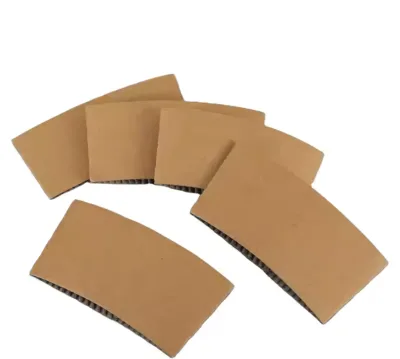
Custom Size Print logo Eco Friendly Recycled Paper Cup Sleeve Recyclable Material
$0.01 - $0.02
MOQ: 1000 pieces


Hot Paper Cup Sleeve Custom Paper Coffee Cup Sleeve with Logo Coffee Paper Cups
$0.03 - $0.05
MOQ: 50000 Pieces


Comprehensive Sourcing Guide
Slim Custom Logo Cup Sleeve Sourcing Guide
Procuring slim custom logo cup sleeves requires identifying suppliers who specialize in paper-based thermal insulation for beverage containers. The observed market data indicates a strong focus on paper materials with flexographic printing capabilities, which are essential for applying high-resolution branding on narrow profiles. Buyers must verify that the supplier can accommodate specific volume requirements, such as the 365ml capacity often associated with 12oz cups, while maintaining the structural integrity needed for hot liquids.
The customization landscape for these sleeves is extensive, with many manufacturers offering customer-designed logos and styles ranging from simple to fashion-forward aesthetics. However, the minimum order quantities vary significantly, ranging from small batches of 1 unit to large industrial orders of 50,000 pieces. Sourcing strategies should align with these volume thresholds to ensure cost-efficiency, as the per-unit price fluctuates between $0.01 and $0.86 depending on the order size and printing complexity.
Product Scope and Observed Listing Signals
The product scope for slim cup sleeves centers on paper construction designed for hot beverages like coffee, tea, and milk tea, though some listings also support cold cup applications. Observed specifications highlight a size range from 8oz to 16oz, with specific models like the RWPC-137 and HDP0156 indicating distinct dimensional profiles. Buyers should confirm that the sleeve style, whether double wall or single wall, matches the thermal needs of their specific beverage service to prevent burns and ensure a comfortable grip.
Listing signals often include details on packaging, such as seaworthy packing of 500 pieces per carton or standard carton packaging for general distribution. The usage data suggests versatility across food delivery, pharmaceutical packaging, and gift packaging, but the primary function remains thermal protection for disposable cups. Procurement teams must scrutinize the "Product Name" and "Style" fields to ensure the item is explicitly a sleeve and not a standalone cup, as some listings conflate the two or offer them as a bundled set.
Technical Specifications to Verify
Technical verification must begin with the printing method, as flexographic and offset printing are the dominant techniques observed for applying custom logos on paper sleeves. Buyers should confirm that the printing process aligns with their design file requirements, ensuring color fidelity and registration accuracy on the narrow surface area of the sleeve. Additionally, the material composition must be strictly paper-based to meet eco-friendly expectations, avoiding any unverified plastic coatings that might compromise recyclability or food safety.
Dimensional accuracy is critical, with observed models supporting sizes from 1oz up to 26oz, though the most common configurations are 12oz and 16oz. The "Capacity" field often lists 12 Oz, but the "Size" specification may offer a broader range including 8oz, 10oz, and 16oz options. Suppliers must provide precise measurements for length and width to ensure a snug fit on the target cup, preventing slippage during use. Verification of the "Waterproof" attribute is also necessary if the sleeves are intended for environments with high humidity or condensation.
Compliance and Safety Documentation
Compliance documentation is a primary concern for food-contact products, with observed standards including CE, ISO, FDA, LFGB, and SGS certifications. These certifications indicate that the paper material and inks used in the printing process meet international safety requirements for food packaging. Buyers should request current test reports to verify that the sleeves do not leach harmful substances when in contact with hot liquids, particularly given the diverse usage claims ranging from coffee to pharmaceutical packaging.
The standard list also references EU, CIQ, IOS9001, and GSV, suggesting a robust quality management system and adherence to export regulations. It is essential to confirm that the specific batch of sleeves being ordered carries the relevant food-grade certifications, as these can vary by production run. For markets with strict environmental regulations, verifying the eco-friendly nature of the paper and the sustainability of the manufacturing process in Suzhou, China, is a necessary step to avoid regulatory hurdles.
Cost Drivers and Commercial Terms
Cost drivers for slim custom logo cup sleeves are heavily influenced by the minimum order quantity and the complexity of the customization. The observed MOQ range spans from 1 to 50,000 pieces, meaning that small orders will carry a significantly higher per-unit cost compared to bulk industrial purchases. Buyers should negotiate based on their projected volume, as the price range of $0.01 to $0.86 reflects the economies of scale inherent in paper cup sleeve manufacturing.
Commercial terms also include the availability of samples, which are often offered freely to allow for quality assessment before committing to a large order. The "OEM/ODM" acceptance indicates that suppliers are willing to adapt designs and specifications, but this flexibility may impact lead times and pricing. Packaging requirements, such as seaworthy packing for international shipping, add to the overall cost structure and must be factored into the total landed cost calculation to ensure budget accuracy.
Supplier Qualification and Quality Control
Supplier qualification should prioritize manufacturers with a proven track record in paper product manufacturing and a clear origin in China, specifically regions like Suzhou. The presence of multiple certifications and a willingness to accept custom designs suggests a mature supply chain capable of handling diverse client needs. Buyers should verify the supplier's capacity to maintain consistent quality across large production runs, especially when dealing with high-volume orders that may exceed 30,000 or 50,000 pieces.
Quality control processes must include checks for printing defects, material consistency, and dimensional accuracy. The "Product Packing" specifications, such as 500 pieces per carton, should be verified to ensure that the packaging protects the sleeves during transit without causing damage. Suppliers should demonstrate a clear protocol for handling defects and returns, ensuring that any non-conforming products are identified and replaced before shipment to the buyer's facility.
Long-Term Procurement Checks
Long-term procurement checks involve establishing a relationship with a supplier who can consistently meet evolving design and volume requirements. The ability to offer "Customer Design" and "Customized" options ensures that the sleeves can adapt to changing brand identities and marketing campaigns over time. Buyers should regularly review the supplier's performance against the agreed-upon standards, including the delivery of samples and the accuracy of the initial production runs.
Sustainability and regulatory compliance are ongoing concerns that require periodic re-verification of certifications like FDA and LFGB. As environmental regulations tighten, suppliers must demonstrate their ability to source sustainable paper and maintain eco-friendly production practices. Establishing a clear communication channel for updates on material changes or standard revisions will help buyers mitigate risks and ensure a steady supply of high-quality, compliant cup sleeves for their operations.
FAQs
Can I get custom logo printing on paper cup sleeves?
Yes, custom logo printing is available for paper cup sleeves. The product supports OEM and ODM services, allowing buyers to submit their own designs. Flexographic and offset printing techniques are used to apply the artwork. This ensures brand visibility while maintaining the structural integrity of the sleeve for hot or cold beverages.
What certifications do these paper cup sleeves hold?
These paper cup sleeves hold multiple international certifications including CE, ISO, FDA, and LFGB. Additional standards such as SGS, EU, CIQ, and GSV are also met. These certifications ensure the materials are safe for food contact and comply with global regulatory requirements for packaging used in the beverage and coffee industries.
What is the minimum order quantity for custom sleeves?
The minimum order quantity varies by supplier, typically ranging from 1 to 50,000 pieces. Some listings specify an MOQ of 30,000 or 50,000 pieces for customized orders. Buyers should confirm the exact MOQ with the manufacturer, as bulk orders often benefit from more competitive pricing and streamlined production schedules.
What sizes are available for these cup sleeves?
Available sizes include 8oz, 10oz, 12oz, and 16oz, with options for customization. Specific models support volumes from 1oz to 26oz. The standard capacity often cited is 12oz or 365ml. Buyers can select the size that best fits their specific beverage containers, ensuring a snug and secure fit for hot or cold drinks.
Are these cup sleeves suitable for hot beverages?
Yes, these cup sleeves are designed for use with hot cups. They are made from paper material, which provides thermal insulation. The double-wall style option enhances heat protection for hands. They are suitable for packing tea, milk tea, hot chocolate, and coffee, ensuring safe handling of hot liquids without direct contact with the cup.
How are the cup sleeves packaged for shipping?
The cup sleeves are packaged in seaworthy carton packing. Standard packaging often contains 500 pieces per carton. This method ensures protection during transit and storage. The carton packaging is designed to maintain the condition of the paper sleeves, preventing damage or moisture exposure before they reach the end user or retailer.