Source Slime for Engagement, Party, and Wedding Gifts
Explore 30 listings of Slime products suitable for engagement, party, and wedding gifts. Buyers can compare specifications, materials, and customization options to find the right supplier for their needs.
Key considerations
Products List


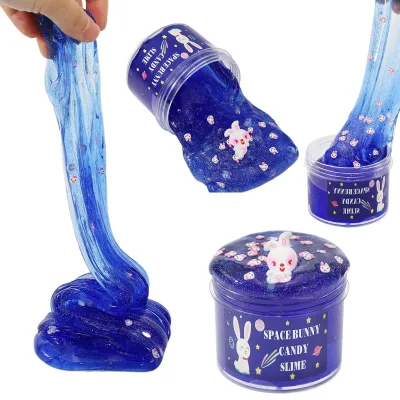
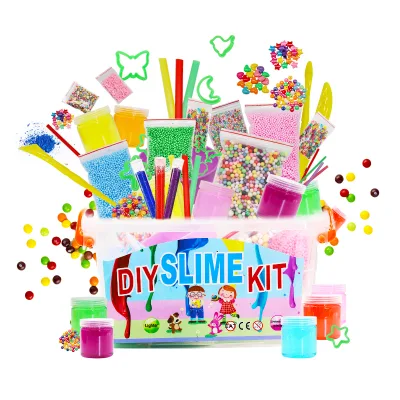
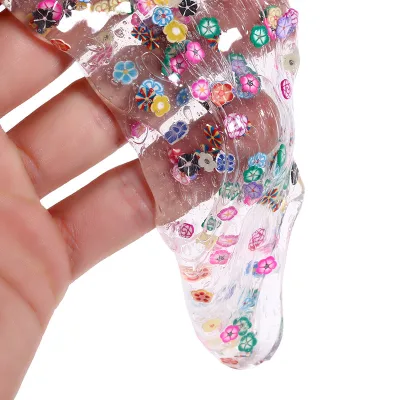
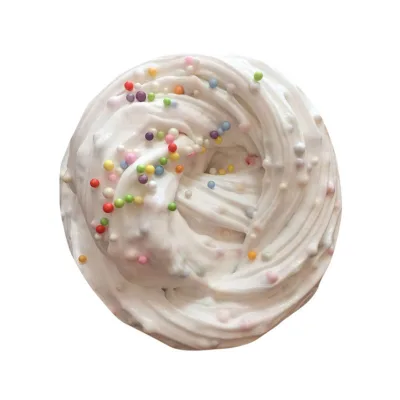


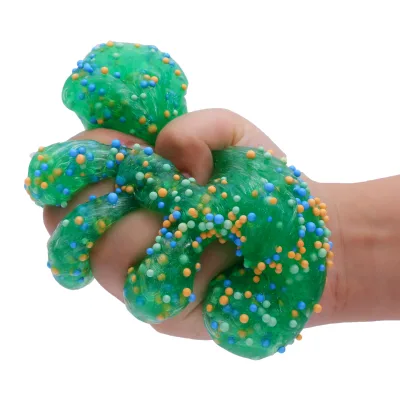
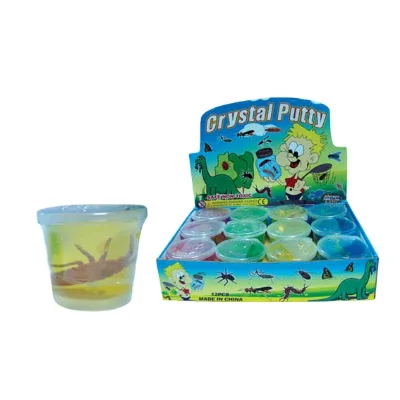
Wholesale Frog Slime DIY Slime Homemade Set Color Mud Clay Playdough Slimetoys
$0.98 - $1.00
MOQ: 1000 Pieces
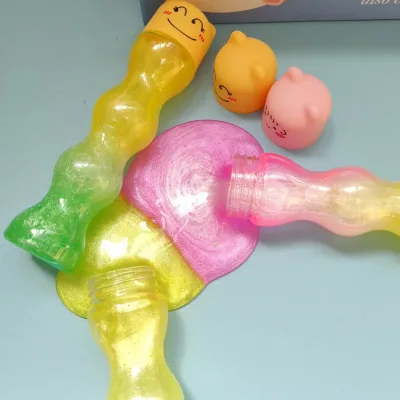
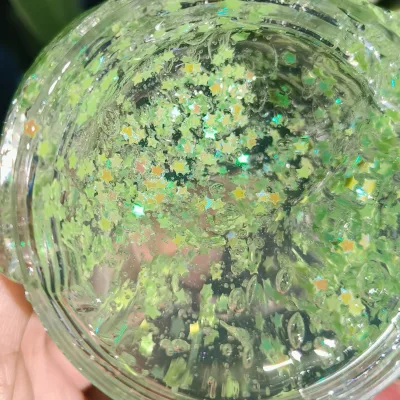
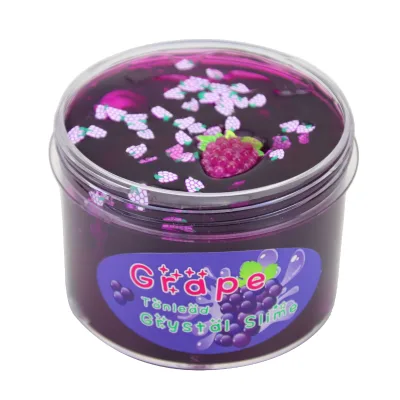
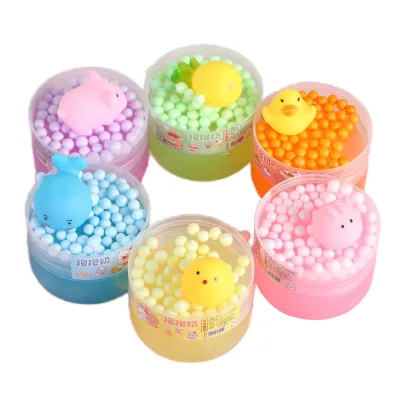
Comprehensive Sourcing Guide
Strategic Sourcing Guide for Slime Products in the Global B2B Market
Understanding Product Variants and Technical Specifications
The global market for Slime products presents a diverse landscape of formulations, packaging, and target demographics. When initiating a sourcing strategy, buyers must first distinguish between the various technical specifications that define the product category. Based on observed market data, the core material composition often centers on clay-based formulations or eco-friendly Slime variants, which are marketed as safe for play. The physical properties of these items vary significantly; for instance, some listings indicate a weight of approximately 20 grams per unit, while others are packaged in bottles with specific capacities ranging from 45 grams to 290 grams per bottle.
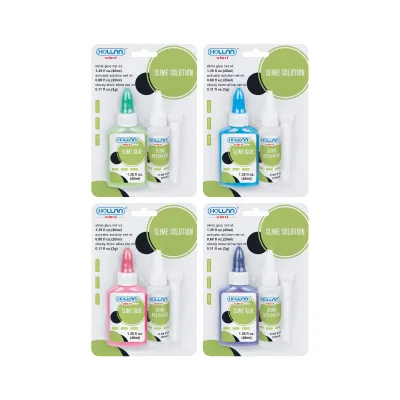
Packaging is a critical differentiator in this sector. Procurement teams should evaluate whether the supplier utilizes individual OPP bags for single units or more robust color boxes for sets. Bottle-based packaging, such as PVC bottles, is common for liquid or semi-liquid Slime variants, often described with specific color styles like crystal or pearly lustre. The visual presentation is equally important, with color palettes frequently including yellow, pink, purple, blue, and green, sometimes offered as mixed assortments. The "scale" of the product also varies, with some items categorized as large capacity or large scale, suitable for different play environments.
Buyers must also consider the intended play method and style. The market includes "funny toys" designed for humorous interaction, as well as DIY kits that encourage creative engagement. Specific model numbers, such as BT1018, BT1008, and various XX-series codes, indicate distinct product lines that may differ in texture, viscosity, or included accessories. Understanding these granular details is essential for aligning inventory with specific retail segments, whether they target young children requiring simple, safe play or older demographics seeking complex DIY experiences.
Compliance, Certification, and Safety Standards
Safety and regulatory compliance are paramount when sourcing toys and children's products, particularly those involving tactile materials like Slime. The primary concern for buyers is ensuring that the product meets the stringent safety requirements of the target export markets, specifically Europe and North America, which are identified as the main markets for these goods.
Certification verification is the first step in this process. Trusted third-party testing agencies such as SGS, BV, and Intertek are frequently cited in supplier profiles as providers of necessary safety assessments. Buyers should request current, valid certificates from these organizations to confirm that the product has undergone independent testing. While some product listings reference specific standards like EN71 and ASTM, these are often presented as general quality benchmarks rather than guaranteed certifications for every SKU. Therefore, procurement teams must verify that the specific batch or model number being ordered carries the relevant test reports for the destination country.
Chemical safety is another critical dimension. A key attribute observed in the market is the "Phthalate Free" designation, which addresses concerns regarding plasticizers often found in soft plastics and similar toys. Additionally, the material composition is frequently described as "Eco-friendly," suggesting a formulation that minimizes harmful substances. However, buyers should not rely solely on marketing terms. Instead, they must demand laboratory test results that explicitly confirm the absence of hazardous chemicals, including phthalates, heavy metals, and other regulated substances.
The "Us Standard" and other quality standards mentioned in product descriptions serve as baseline expectations. However, the absence of a specific ISO 9001 certification in the primary data does not preclude a supplier from having robust quality management systems. Buyers should focus on the tangible evidence of compliance, such as the specific test reports from SGS, BV, or Intertek, rather than assuming general ISO certification without proof. The "Age Range" is also a compliance factor; while some products are marked for "All Ages," others are specifically designated for "3-7 Years" or "> 8 Years." Ensuring that the age grading aligns with the safety testing performed is vital to avoid regulatory violations and product recalls.
Cost Drivers and Pricing Dynamics
The pricing structure for Slime products is influenced by a complex interplay of factors, including material costs, packaging complexity, and order volume. The observed price range in the market spans from $0.07 to $13.08 USD, reflecting the vast diversity in product types. The lower end of this spectrum typically corresponds to simple, single-unit items packaged in basic OPP bags, often weighing around 20 grams. In contrast, the higher price points are associated with larger capacity items, such as bottles containing 140g or 290g of product, or those featuring premium packaging like color boxes and crystal-style aesthetics.
Minimum Order Quantity (MOQ) is a significant driver of unit cost. The market data indicates an MOQ range from 1 to 28,800 units. Suppliers often offer tiered pricing structures where the unit cost decreases as the order volume increases. For buyers with smaller initial orders, the unit price may be higher, but the lower MOQ reduces the financial risk of inventory buildup. Conversely, large-scale buyers can leverage high-volume orders to negotiate more competitive rates, potentially accessing the lower end of the price spectrum.
Material composition also plays a role in cost variability. "Eco-friendly" formulations or specialized textures like "Crystal Mud" may command a premium over standard clay-based slimes. Similarly, the complexity of the packaging, such as the inclusion of PVC bottles or multi-color assortments, adds to the manufacturing and logistics costs. Buyers should analyze the total landed cost, which includes the unit price, shipping, and any potential tariffs, rather than focusing solely on the factory gate price. Understanding these cost drivers allows for more accurate budgeting and margin planning, ensuring that the selected products remain competitive in the target retail environment.
Typical Applications and Market Segmentation
Slime products are versatile items with applications spanning various consumer occasions and demographics. The primary use cases identified in the market include engagement gifts, party favors, wedding souvenirs, and holiday-specific items such as Halloween and Christmas decorations. The "Application" attributes highlight their suitability for anniversaries, New Year celebrations, graduations, and birthdays, making them a flexible choice for event planners and retail buyers looking for seasonal inventory.
The target demographic is broad, ranging from toddlers to older children and even adults seeking stress-relief toys. The "Toy Department" is listed as "Unisex," indicating that these products are designed to appeal to all genders. Specific age ranges, such as "3-7 Years" and "> 8 Years," allow buyers to segment their inventory for different age groups. Younger children may prefer simple, safe, and brightly colored options, while older children and teenagers might be drawn to DIY kits, funny toys, or products with more complex textures and styles.
The "Style" of the product, described as "Funny Toys" or "Artificial Water," suggests that these items are often used for entertainment and sensory play. The "Play Method" is generally described as "Funny," emphasizing the interactive and entertaining nature of the product. This versatility makes Slime a strong candidate for impulse buys in retail settings, as well as for bulk purchasing for corporate events, school parties, and promotional campaigns. Buyers should consider the specific occasion when selecting products, ensuring that the color, size, and packaging align with the theme of the event or the preferences of the target audience.
Supplier Evaluation and Quality Control Protocols
Selecting the right supplier requires a rigorous evaluation process that goes beyond basic product listings. Buyers should prioritize suppliers who demonstrate transparency in their manufacturing processes and provide clear documentation regarding their quality control measures. The origin of the products is a key factor, with many items originating from Zhejiang, China, a region known for its manufacturing capabilities. However, the location alone does not guarantee quality; buyers must verify the supplier's track record and capacity to meet specific order requirements.
Quality control should be integrated into the procurement process from the outset. Buyers should request samples to verify the physical attributes of the product, such as texture, color consistency, and packaging integrity. The "prod_standard" listed as "as picture" indicates that visual accuracy is important, but buyers must ensure that the physical sample matches the digital representation. Additionally, the "prod_packing" specifications, whether OPP bags or color boxes, should be checked for durability and aesthetic appeal.
Given the variability in product models, such as BT1018 or XX425154, buyers should establish clear specifications for each SKU they intend to order. This includes defining the exact weight, color, and packaging requirements. Regular inspections during production and before shipment are essential to catch any deviations from the agreed-upon standards. Suppliers who are willing to accommodate third-party inspections and provide detailed quality reports are generally more reliable partners.
Long-Term Procurement and Supply Chain Considerations
Sourcing Slime products for the long term requires a strategic approach that considers supply chain resilience and market trends. The main markets of Europe and North America have strict regulatory environments, so maintaining compliance is an ongoing responsibility. Buyers should establish a relationship with suppliers who are proactive about updating their certifications and adapting to new regulations.
Inventory management is another critical consideration. With a wide range of MOQs available, buyers can adopt a flexible stocking strategy. For new product launches, starting with lower MOQs allows for market testing without significant risk. As demand stabilizes, buyers can increase order volumes to benefit from economies of scale. The "Capacity" of the supplier, indicated by their ability to handle large orders, is a key factor in scaling operations.
Furthermore, buyers should monitor trends in product styles and formulations. The market shows a preference for "Crystal" styles, "Pearly Lustre" finishes, and "DIY" functionality. Staying informed about these trends allows buyers to adjust their inventory mix to meet changing consumer preferences. Collaboration with suppliers on product development can also lead to exclusive designs that differentiate the buyer's offerings in a competitive market.
Finally, logistics and lead times should be factored into the procurement plan. While specific lead times are not provided in the data, buyers should negotiate clear timelines with suppliers to ensure timely delivery, especially for seasonal items like Halloween or Christmas products. Building a diversified supplier base can mitigate risks associated with production delays or supply chain disruptions, ensuring a steady flow of high-quality Slime products to the market.
FAQs
What certifications do Slime products typically have?
Slime products often carry certifications from SGS, BV, and Intertek to ensure safety. These third-party assessments verify that items meet quality standards like EN71 and ASTM for export to Europe and North America.
Which age ranges are suitable for these Slime toys?
Available age ranges include All Ages, 3-7 Years, and over 8 Years depending on the specific model. Buyers should match the age grading to the safety testing performed for the specific batch or SKU.
How is the Slime usually packaged for shipping?
Packaging varies between individual OPP bags for single units and color boxes for sets. Some liquid variants come in PVC bottles with capacities ranging from 45 grams to 290 grams per bottle.
Can buyers request customization for Slime orders?
Yes, customization is available for Slime products to meet specific buyer requirements. This allows for tailored solutions regarding colors, textures, or packaging styles like crystal or pearly lustre finishes.
What is the typical price range for Slime products?
The observed price range spans from 0.07 to 13.08 USD per unit. Costs vary based on material composition, packaging complexity, and order volume, with higher prices for larger capacity bottles.
Where are these Slime products manufactured?
Most products originate from Zhejiang, China, a known manufacturing hub. Buyers should verify the specific origin and capacity of the supplier to ensure they can meet large order requirements.