Source Slim Shock Absorbent TPU Case for iPhone Samsung and Universal
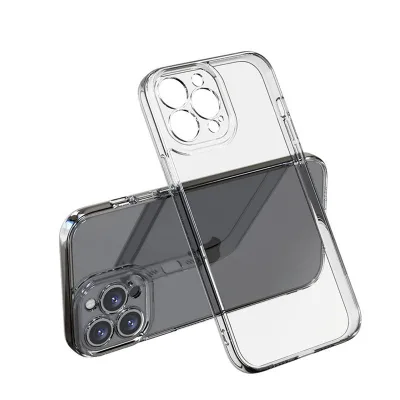
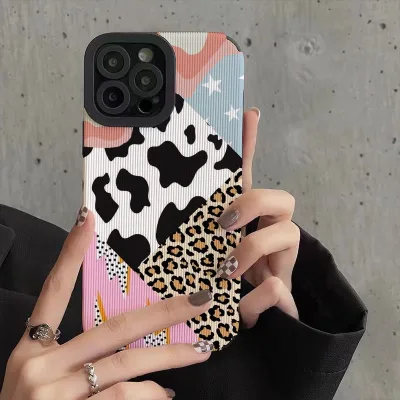
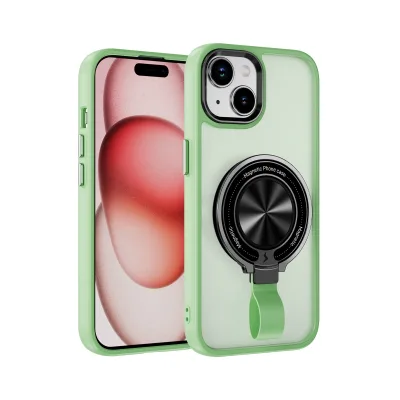
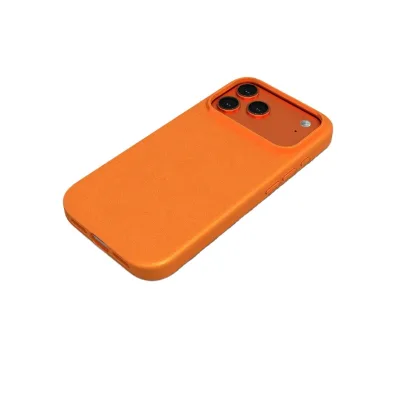
Find 30 listings for a Slim Shock Absorbent TPU Case compatible with iPhone and other brands. Buyers can compare features like waterproofing, shock absorption, and customization options from suppliers in China.
Key considerations
Products List


$0.40 - $0.42
MOQ: 100 Pieces


Hot Sale TPU Simple Cute Coloured Solid Mobile Phone Drop Protection Case
$0.26 - $0.28
MOQ: 3570 Pieces



Comprehensive Sourcing Guide
Strategic Sourcing Guide for Slim Shock Absorbent TPU Cases
Understanding Material Properties and Hardness Variations
When sourcing a slim shock absorbent TPU (Thermoplastic Polyurethane) case, the primary technical differentiator lies in the specific formulation of the polymer and its resulting hardness profile. The market offers distinct variations in material composition, ranging from soft TPU to partial hard formulations. Observations from current product listings indicate that suppliers often utilize Soft TPU for models designed to provide a skin-like fit, while other listings specify Partial Hard characteristics to enhance structural rigidity. This distinction is critical for buyers targeting specific device protection levels. A soft TPU formulation typically offers superior flexibility and grip, making it ideal for devices prone to frequent handling, whereas a partial hard variant may provide better resistance to bending under pressure.
The core keyword "slim" implies a design philosophy that minimizes bulk while maintaining protection. In the context of TPU cases, this often translates to a profile that fits closely to the device contours, sometimes described as a "fitted case" or "skin." Buyers must verify if the supplier's specific model, such as those designated for iPhone 7 or similar form factors, adheres to a slim profile. The material's ability to absorb shock is directly linked to its elasticity. TPU is inherently chosen for its shock-absorbent properties, which dissipate impact energy better than rigid plastics. However, the degree of absorption varies. Some product attributes list features like "Shock Absorbent" and "Anti-slip" alongside "Waterproof" and "Dirt-resistant," suggesting a multi-functional approach. When evaluating a potential supplier, procurement teams should request physical samples to test the hardness and flexibility, as the "Soft" or "Partial Hard" designation alone does not guarantee the specific tactile feel or impact resistance required for a particular application.
Technical Specifications and Design Compatibility
The technical specifications of a TPU case are defined by its compatibility, dimensions, and functional features. A significant portion of the market focuses on specific smartphone models, with "iPhone" appearing as a primary compatible brand in available listings. Specific model numbers, such as "for iPhone 7" or "WIX-AP529," indicate that suppliers often produce SKUs tailored to exact device dimensions. The standard listing for a 4.7-inch device and another for a 5.5-inch device highlights the necessity of precise dimensional matching. Buyers must ensure that the "Model" specification aligns perfectly with their target device to avoid fitment issues that could compromise the "slim" aesthetic or the protective capabilities.
Design features further differentiate these products. Common attributes include "2 in 1 Hybrid Case with Shockproof" capabilities, which may involve a combination of TPU and other materials, or integrated features like a "Camera Protector." The "Design" is often noted as "Unisex" and "Trend," suggesting that the aesthetic appeal is a key driver alongside functionality. Color options range from "Transparent" to "Green" and "Different Colors," with some suppliers offering "Customized" color options. The "Car Holder" attribute is frequently listed as "Without Car Holder," indicating that while the case is slim, it may not include integrated magnetic mounts unless specified. Buyers should verify if the case design includes raised edges for screen and camera protection, as this is a standard expectation for shock-absorbent cases. The "Product Name" often explicitly states the material and function, such as "TPU Case for iPhone 7," providing a clear baseline for specification verification.
Compliance, Certification, and Quality Standards
Navigating the compliance landscape is essential for B2B procurement, particularly when exporting to regulated markets. The supplied data indicates that suppliers often cite certifications such as "RoHS" and "ISO9001." RoHS (Restriction of Hazardous Substances) compliance is a critical standard for electronic accessories, ensuring that the TPU material does not contain restricted levels of lead, mercury, cadmium, or other hazardous substances. ISO9001 certification suggests that the supplier adheres to a quality management system, which is a strong indicator of consistent manufacturing processes.
Additionally, product standards like "SGS" and "TUV" are frequently mentioned in the context of product verification. These are third-party testing organizations that validate product safety and quality. When a listing mentions "SGS TUV" or simply "SGS," it implies that the product has undergone or is subject to testing by these entities. However, buyers must distinguish between a supplier's general certification and specific product test reports. The presence of "ISO9001:2015" as a background standard suggests a modern quality framework, but the specific product listing should be cross-referenced to ensure the current batch meets these standards.
For buyers in the European Union or other regions with strict environmental regulations, verifying the RoHS status is non-negotiable. Similarly, for corporate clients, ISO9001 certification provides a layer of assurance regarding the supplier's ability to maintain quality control. It is important to note that while these certifications are listed, they should be treated as observations of the supplier's claims rather than automatic guarantees for every unit in a large order. Procurement teams should request valid, up-to-date certificates from the supplier before finalizing a contract to ensure compliance with local regulations.
Cost Drivers, MOQ, and Payment Logistics
The economics of sourcing TPU cases are influenced by several variables, including material costs, customization requirements, and order volume. The observed price range in the market spans from $0.18 to $5.50 USD, a wide spectrum that reflects differences in material quality, design complexity, and order size. The Minimum Order Quantity (MOQ) also varies significantly, with observed ranges from 1 unit to 3,570 units. This flexibility allows buyers to test the market with small quantities or secure bulk pricing for large-scale distribution.
A common observation is an MOQ of 50 pieces for specific models, which serves as a baseline for many suppliers. However, the ability to order as few as one unit suggests that some suppliers cater to prototyping or small boutique orders. The cost driver for the lower end of the price range ($0.18) likely corresponds to standard, non-customized models with high-volume production efficiency. Conversely, the higher end ($5.50) may reflect custom colors, specialized packaging, or hybrid designs.
Payment terms are another critical logistical factor. Standard methods observed include Western Union, Money Gram, and T/T (Bank Transfer). These are traditional B2B payment channels that require careful management of risk. Buyers should establish clear terms regarding deposit percentages and balance payments upon shipment. The availability of "Free Sample" options, where the buyer only pays for shipping, is a valuable tool for cost reduction during the evaluation phase. This allows buyers to assess the "Soft" or "Partial Hard" texture and the "Shock Absorbent" performance without incurring the cost of the product itself. However, the shipping cost for samples must be factored into the total procurement budget.
Supplier Evaluation and Operational Capabilities
Evaluating a supplier for TPU case production requires a holistic view of their operational capabilities, including location, lead times, and customization services. The origin of the products is predominantly listed as "Shenzhen Guangdong China" or "Guangzhou," regions known for their robust electronics manufacturing ecosystems. These locations offer a dense network of suppliers, which can facilitate competitive pricing and rapid prototyping.
Lead times are a critical metric for supply chain planning. The observed delivery time is often cited as "3-5 Days After Confirmed Order" or "3 Working Days." This short lead time is advantageous for buyers requiring quick turnaround for retail replenishment or urgent orders. However, buyers must verify if these times apply to stock models or if custom orders require extended production windows. The "Delivery Time" may vary based on the complexity of the customization, such as specific color matching or packaging requirements.
Customization is a key differentiator. The attribute "Customization: Available" and "OEM/ODM: Welcome" indicate that suppliers are willing to tailor products to specific brand needs. This includes custom colors, logos, and packaging. The "Product Packing" options range from "Retail Package" and "Poly Bag" to "OPP Bag" and "Parper/Blister." Buyers should evaluate which packaging format aligns with their retail strategy. For instance, a "Retail Package" may be necessary for direct-to-consumer sales, while "OPP Bag" might suffice for wholesale distribution.
Quality Control and Long-Term Procurement Strategy
Implementing a robust quality control (QC) strategy is vital for maintaining brand reputation when sourcing TPU cases. Given the variations in hardness and material quality, a sampling plan should be established before full-scale production. The "Free Sample" option mentioned in the data is an excellent starting point for initial QC. Buyers should test samples for durability, specifically checking the "Shock Absorbent" claims by dropping the case from a standard height onto a hard surface. The "Anti-slip" and "Waterproof" functions should also be verified through practical testing.
Long-term procurement considerations involve building a relationship with a supplier who can scale with demand. The "OEM/ODM" capability suggests that suppliers can grow with the buyer's needs, offering custom solutions as the product line expands. However, buyers must remain vigilant about consistency. While a supplier may offer "Different Colors" and "Customized" options, maintaining color consistency across batches is a common challenge in the plastics industry.
The "Feature" list, including "Dirt-resistant" and "Decoration," highlights the multifunctional nature of these products. Buyers should ensure that the supplier's QC process covers all listed features, not just the primary shock absorption. For example, the "Camera Protector" feature must be precisely aligned to avoid obstructing the lens while providing protection. The "Car Holder" attribute being "Without" suggests that buyers should not assume integrated mounting solutions unless explicitly specified.
In conclusion, sourcing a Slim Shock Absorbent TPU Case requires a meticulous approach to material selection, specification verification, and supplier evaluation. By leveraging the observed data on hardness, certifications, and lead times, buyers can make informed decisions that balance cost, quality, and operational efficiency. The wide range of MOQs and price points offers flexibility, but the ultimate success of the procurement depends on rigorous testing and clear communication of requirements to the supplier.
FAQs
What certifications do slim shock absorbent TPU cases typically have?
Many slim shock absorbent TPU cases carry RoHS and ISO9001 certifications to ensure safety and quality management. Some listings also reference SGS or TUV standards for product verification. Buyers should request valid certificates to confirm compliance before placing large orders.
How long does it take to receive orders after confirmation?
Delivery times are typically short, often ranging from 3 to 5 working days after the order is confirmed. This rapid turnaround applies to stock models, though custom orders may require additional production time. Always verify the specific lead time with the supplier.
Can I get a free sample for a Slim Shock Absorbent TPU Case?
Yes, free samples are often available, but the buyer must pay the shipping cost. This allows evaluation of the soft or partial hard texture and shock absorbent features before committing to a bulk purchase. Shipping fees should be factored into the initial budget.
Which materials are used for slim shock absorbent TPU cases?
These cases are primarily made from Soft TPU or Partial Hard TPU formulations to balance flexibility and rigidity. The material choice affects the fit, with soft variants offering a skin-like feel and partial hard options providing better structural resistance. Verify the specific hardness profile for your needs.
What is the minimum order quantity for these TPU cases?
The minimum order quantity varies significantly, ranging from as low as 1 unit to 3570 units depending on the supplier. A common baseline MOQ is 50 pieces for specific models. Buyers can often negotiate lower quantities for prototyping or small boutique orders.
How much do slim shock absorbent TPU cases cost per unit?
Unit prices generally range from 0.18 to 5.5 USD, influenced by material quality and customization levels. Lower prices usually correspond to standard, non-customized models produced in high volumes. Custom colors or specialized packaging will likely increase the cost toward the higher end of the range.
Can these cases be customized for specific brands like iPhone?
Yes, customization is available, with many suppliers offering OEM and ODM services for specific models like iPhone 7. Options include custom colors, logos, and packaging formats such as retail bags or blister packs. Ensure the model specification matches your target device dimensions perfectly.