Source Slim Velour Crocheted Yoga Pants for Gym, Running, Yoga
Compare 30 listings of Slim Velour Crocheted Yoga Pants from verified suppliers. Buyers can evaluate features like active stretch, quick-dry capabilities, and material blends including nylon and spandex for fitness and leisure use.
Key considerations
Products List



Comprehensive Sourcing Guide
Slim Velour Crocheted Yoga Pants Sourcing Guide
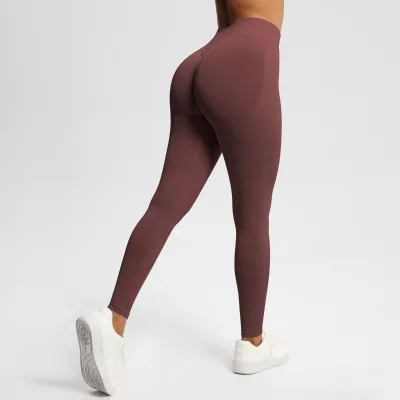
Sourcing specialized activewear like Slim Velour Crocheted Yoga Pants requires a nuanced understanding of both material science and manufacturing capabilities. While the core keyword suggests a specific aesthetic and tactile profile, the actual market data reveals a broader category of high-performance, form-fitting garments. Buyers must distinguish between the visual appeal of velour or crochet textures and the functional requirements of yoga and fitness applications. The primary challenge lies in balancing the structural integrity of stretch fabrics with the delicate nature of textured weaves, ensuring that the garment maintains its shape and comfort during dynamic movement.
This guide focuses on evidence-based procurement strategies for these types of garments, drawing from observed listing signals and technical specifications. The goal is to provide a framework for evaluating suppliers who can deliver consistent quality, appropriate customization, and reliable supply chain performance. By adhering to strict verification protocols and understanding the underlying cost drivers, buyers can mitigate risks associated with material defects, sizing inconsistencies, and production delays. The following sections outline the critical steps for successful sourcing, from initial product scope definition to long-term supplier relationship management.
Product Scope and Observed Listing Signals
The observed product landscape for slim-fit activewear indicates a strong emphasis on functional materials and versatile styling. Listings frequently highlight materials such as Nylon, Spandex, and Polyester blends, which are essential for achieving the desired "active stretch" and "sweat-wicking" properties. These materials are often combined to create fabrics that are breathable, quick-drying, and capable of withstanding repeated washing and stretching. The presence of "seamless" construction in some listings suggests a trend toward comfort and reduced chafing, which is particularly relevant for yoga and high-intensity training. Buyers should verify the exact material composition for each SKU, as blends can vary significantly between suppliers and even between different colorways of the same model.
Styling and fit attributes are equally critical in defining the product scope. Observed data points to a variety of waist types, including high-waist designs, and closure types such as elastic waists, which provide a secure and comfortable fit. The length of the garments ranges from ankle-length to capri styles, catering to different preferences and seasonal needs. Additionally, features like "customized" options and "in-stock items" indicate that suppliers are flexible in their production models, offering both made-to-order and ready-to-ship solutions. Buyers should carefully review the available sizes, which typically span from XS to XXL, and confirm the availability of custom sizing if required for specific target demographics.
Technical Specifications to Verify
Technical verification begins with a thorough review of material composition and fabric weight. Buyers must confirm the percentage of Nylon, Spandex, and Polyester in each garment to ensure it meets the required stretch and recovery standards. The "single gross weight" of approximately 0.500 kg per unit provides a baseline for shipping cost calculations, but this can vary based on packaging and size. It is essential to request fabric swatches to assess the hand feel, opacity, and durability of the material. For products claiming "velour" or "crocheted" textures, buyers should inspect the stitch density and backing to ensure that the texture does not compromise the fabric's breathability or elasticity.
Fit and construction details require precise measurement verification. The "single package size" of 30x20x5 cm offers a reference for logistics planning, but buyers should also request detailed size charts for each model, such as HTML240807C or HTML240808A. These charts should include measurements for waist, hip, and inseam to ensure accurate sizing for the target market. The "needle detection" feature noted in some listings is a critical quality control step that helps identify broken needles or metal contaminants in the final product. Buyers should insist on this verification for all orders, particularly for products intended for children or sensitive skin applications, to ensure safety and compliance with international standards.
Compliance and Safety Documentation
Compliance and safety are non-negotiable aspects of sourcing activewear, especially when dealing with materials that come into direct contact with the skin. Buyers must ensure that all suppliers provide relevant safety documentation, including test reports for chemical safety, such as AZO dyes, formaldehyde, and heavy metals. The "needle detection" process mentioned in the product data is a basic safety measure, but it should be complemented by more comprehensive physical and chemical testing. Buyers should verify that the suppliers adhere to recognized standards for textile safety, although specific standard numbers should be confirmed with the supplier based on the target market's regulations.
Labeling and care instructions are also part of the compliance framework. Products must be accurately labeled with fiber content, country of origin, and care instructions to meet consumer protection laws. The "customized" nature of some products allows for branded labeling, but buyers must ensure that these labels do not obscure required safety information. Additionally, buyers should check for any specific certifications related to sustainability or ethical manufacturing, such as OEKO-TEX or GRS, if these are important to their brand values. While the provided data does not explicitly list these certifications, buyers should proactively inquire about them to align with market expectations and regulatory requirements.
Cost Drivers and Commercial Terms
Cost drivers for slim-fit activewear are primarily influenced by material costs, production complexity, and order volume. The use of specialized blends like Nylon-Spandex or Polyester-Spandex can impact the base cost, as can the inclusion of features like seamless construction or custom packaging. The observed MOQ range of 1-3000 units suggests that suppliers are flexible, but higher volumes typically result in lower per-unit costs. Buyers should negotiate pricing based on clear specifications, including material composition, color, and packaging requirements, to avoid hidden costs. The "customized packaging" option may incur additional fees, so buyers should factor this into their total landed cost calculations.
Commercial terms such as lead times and payment conditions are critical for supply chain planning. The "7 days sample order lead time" noted as "Not Support" indicates that sample production may take longer, which buyers should account for in their product development timelines. Standard production lead times should be confirmed with the supplier, as they can vary based on order size and complexity. Payment terms should be structured to protect the buyer's interests, with options for partial payments or escrow services to mitigate risk. Buyers should also clarify the terms for returns or replacements in case of quality issues, ensuring that there is a clear process for resolving disputes.
Supplier Qualification and Quality Control
Supplier qualification involves a rigorous assessment of manufacturing capabilities, quality control processes, and business stability. Buyers should request detailed information about the supplier's production facilities, including equipment for knitting, dyeing, and finishing. The ability to handle "customized" orders and offer "in-stock items" indicates a versatile production line, but buyers should verify the supplier's capacity to maintain consistent quality across different product types. Quality control should be integrated into every stage of production, from raw material inspection to final packaging. The "needle detection" process is a key quality control step that should be documented and verified through third-party inspections if necessary.
Third-party inspections are a valuable tool for ensuring product quality before shipment. Buyers should consider hiring independent inspection agencies to conduct pre-shipment inspections, focusing on critical quality attributes such as stitching, fabric integrity, and sizing accuracy. These inspections can help identify potential issues early, allowing for corrective actions before the goods are shipped. Buyers should also establish clear quality acceptance criteria with the supplier, including tolerances for color variation, shrinkage, and dimensional accuracy. Regular communication and feedback loops with the supplier can help maintain high quality standards and foster a collaborative relationship.
Long-Term Procurement Checks
Long-term procurement success depends on continuous monitoring of supplier performance and market trends. Buyers should establish key performance indicators (KPIs) for quality, delivery, and responsiveness, and review these metrics regularly with their suppliers. Consistent performance data can help identify areas for improvement and drive continuous improvement initiatives. Buyers should also stay informed about changes in material availability, pricing trends, and regulatory requirements, as these factors can impact sourcing strategies. Building a diversified supplier base can mitigate risks associated with single-source dependencies and ensure supply chain resilience.
Relationship management is crucial for maintaining a stable and productive supply chain. Buyers should invest in building strong relationships with their suppliers, fostering open communication and mutual trust. Regular site visits and face-to-face meetings can help strengthen these relationships and provide valuable insights into the supplier's operations. Buyers should also consider collaborating with suppliers on product development and innovation, leveraging their expertise to create new and improved products. By focusing on long-term partnerships rather than transactional relationships, buyers can secure better pricing, priority production, and access to new technologies, ultimately enhancing their competitive advantage in the market.
FAQs
What materials are used for these yoga pants?
The pants are constructed from Nylon, Spandex, or Polyester blends to ensure durability and comfort. Some models feature a Chemical Fiber Blending composition. These materials provide active stretch and breathability suitable for various activities.
Can I request custom colors for this product?
Yes, custom colors are available for this product line. The standard options include specific shades like pink, mint green, and black, but buyers can also request custom color variations. This customization supports unique branding needs.
What is the minimum order quantity for these pants?
The minimum order quantity ranges from 1 to 3000 pieces depending on the specific supplier and customization level. Some listings allow single item purchases while others require bulk orders. Buyers should verify the exact MOQ with the vendor.
How long does it take to receive a sample order?
Sample order lead times vary, with some suppliers indicating a 7-day timeframe while others do not support sample orders. Buyers must check the specific supplier's policy before requesting samples. Production lead times for bulk orders will differ from sample requests.
Which sports are these pants suitable for?
These pants are designed for Running, Gym, and Yoga applications. They are also suitable for general sports and leisure activities. The fabric features quick-drying and sweat-wicking properties to handle intense physical exertion effectively.
What packaging options are available for these items?
Packaging options include Carton, CTN, Boxed Cartoned, or Customized Packaging depending on the supplier. The single package size is typically around 30x20x5 cm. Buyers can often request specific packaging configurations to meet their logistical requirements.
Are these pants available in different sizes?
Yes, the pants are available in sizes ranging from XS to XXL. Some models are listed as One Size, while others offer specific sizing like Xs, S, M, L, Xl, and Xxl. Buyers should check the size chart for the specific model number.