Source Slimming Waist Trimmer for Back Support, Injury Prevention, and Deformity Correction
Explore 30 verified options for the Slimming Waist Trimmer designed for back support, injury prevention, and deformity correction. Buyers can compare materials like neoprene and rubber, sizes from S to XXL, and customization features to find the right supplier.
Key considerations
Products List


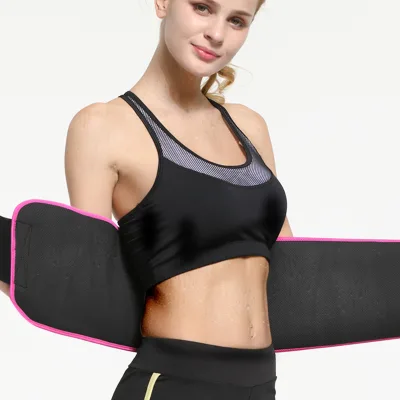
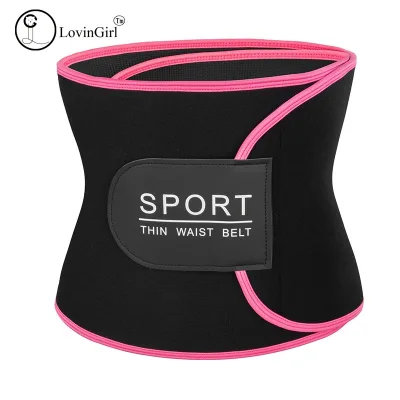
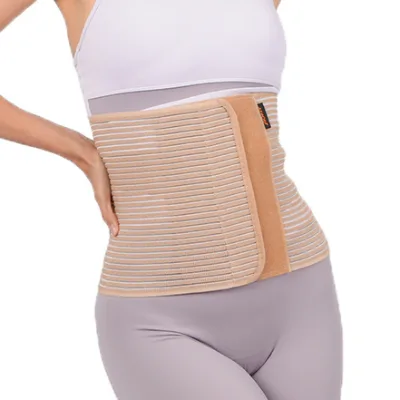


Waist Trainer Corset Women Trimmer Sweat Sports Girdle Belt Body Shaper
$1.83 - $1.93
MOQ: 3000 Pieces


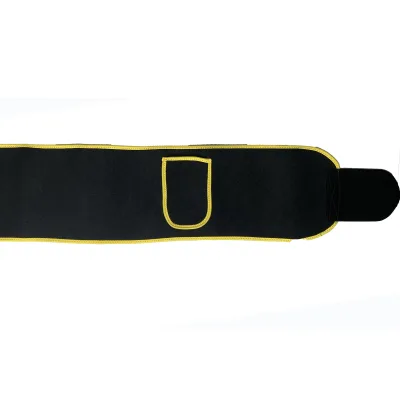






Comprehensive Sourcing Guide
Slimming Waist Trimmer Sourcing Guide
Sourcing a Slimming Waist Trimmer requires a nuanced understanding of the diverse product landscape, which ranges from basic neoprene sweat belts to structured medical-grade support braces. Buyers must first distinguish between cosmetic fitness accessories and therapeutic devices, as the regulatory, material, and commercial requirements for each differ significantly. The observed market data indicates a wide variance in product attributes, with some listings emphasizing fashion and slimming functions while others highlight health care, fracture fixation, and deformity correction. This divergence means that a single sourcing strategy is insufficient; instead, procurement teams must segment their requirements based on the intended end-use, whether it is for gym enthusiasts seeking thermal compression or for patients requiring external fixation support.
The supply chain for these items is heavily concentrated in specific manufacturing hubs, with Hebei and broader China regions identified as key origins. This geographic concentration offers economies of scale but also necessitates rigorous due diligence regarding supplier capabilities and export compliance. The presence of both OEM (Original Equipment Manufacturer) and ODM (Original Design Manufacturer) services suggests that brands have flexibility in customizing logos, packaging, and even structural designs. However, this customization comes with varying Minimum Order Quantities (MOQs), which can range from low volumes for sample testing to high volumes for mass production, impacting cash flow and inventory planning.
Product Scope and Observed Listing Signals
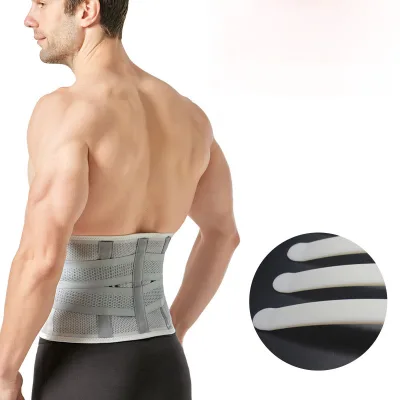
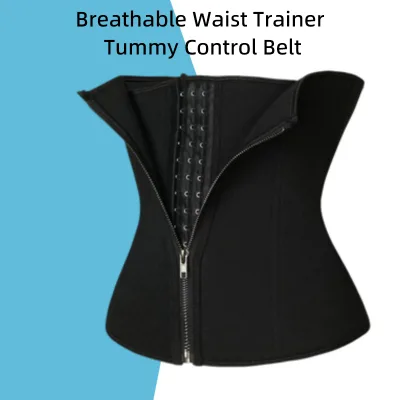
The product scope for slimming waist trimmers encompasses a broad spectrum of designs, materials, and functional claims. Observed listings reveal products made from rubber, neoprene, and elastic bands, often reinforced with PP stays or metal stays for structural integrity. Sizes typically range from Small to XXXL, catering to a wide demographic of adult users. Some products are marketed with keywords like "slimming belt" and "waist trimmer," focusing on aesthetic outcomes and thermal activity, while others are labeled as "waist support braces" or "external fixators," emphasizing medical applications such as preventing back injury or correcting deformities. Buyers must carefully scrutinize product names and descriptions to avoid misclassification, as a product marketed for fashion may lack the structural durability required for medical support.
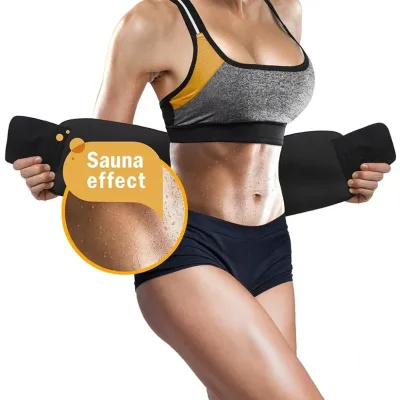
Material composition is a critical differentiator that directly influences product performance and cost. Neoprene is frequently cited for its thermal properties and flexibility, making it suitable for fitness-related slimming belts, whereas rubber and elastic bands with stays are more common in support-oriented braces. The thickness of these materials is often described as medium, balancing comfort with compression. Additionally, color options such as black, pink, red, blue, and green allow for brand differentiation, particularly in the fashion segment. The presence of customization options, including custom logos and neutral packaging like OPP bags or cartons, indicates that many suppliers are equipped to handle private label requests, which is essential for brands looking to establish a distinct market presence.
Technical Specifications to Verify
Technical verification must begin with the structural integrity and material specifications of the waist trimmer. Buyers should request detailed material breakdowns, specifically verifying the type and gauge of stays used in support braces, as these components are crucial for providing the necessary rigidity for fracture fixation or back support. For slimming belts, the focus should shift to the density and elasticity of the neoprene or rubber, ensuring that the material retains its shape and compression properties after repeated use and washing. The model numbers, such as DNOR-BW04, DNOR-B12, and WN149, serve as unique identifiers for suppliers, but buyers should not rely solely on these codes; instead, they should request physical samples to assess the quality of stitching, zipper durability, and the comfort of the inner lining against the skin.
Packaging and labeling specifications are equally important for logistics and retail readiness. Observed data indicates that products may be packed in neutral OPP bags, PE bags, or cartons, with standard weights ranging from 100g to 300g per unit. These variations can impact shipping costs and storage requirements, so buyers must clarify the exact packaging dimensions and weight with the supplier before finalizing orders. Furthermore, the shelf life of these products, often cited as five years, should be verified to ensure that the materials do not degrade prematurely, which could lead to customer complaints and returns. Understanding the single package size, such as 20x10x3 cm, is also vital for optimizing container loading and reducing freight expenses.
Compliance and Safety Documentation
Compliance requirements vary drastically depending on whether the waist trimmer is classified as a general consumer good or a medical device. Products marketed for health care, support, or fracture fixation may be subject to stricter regulatory oversight, potentially requiring certifications such as CE or ISO, which are observed in some listings. Buyers must verify the specific certification scope and validity, ensuring that the supplier can provide up-to-date documentation that meets the regulatory standards of the destination market. For products labeled as basic protection or fashion items, the compliance burden may be lower, but buyers should still ensure that the materials used are free from harmful substances and comply with general textile and rubber safety standards.
Safety documentation should also include test reports for material durability, skin irritation potential, and mechanical strength. For support braces, it is essential to verify that the product has undergone testing for load-bearing capacity and stability, especially if it is intended for use in preventing back injuries or correcting deformities. Buyers should request these test results from the supplier and, if necessary, engage third-party laboratories to validate the findings. Additionally, clear labeling instructions should be provided, including usage guidelines, warnings, and care instructions, to minimize the risk of misuse and associated liability. The condition of the product, typically new, should be confirmed, and any refurbished or second-hand items should be explicitly excluded from the sourcing criteria.
Cost Drivers and Commercial Terms
Cost drivers for slimming waist trimmers include material costs, manufacturing complexity, and order volume. Products with multiple stays, custom logos, and specialized packaging will generally command higher prices than basic neoprene belts. The observed price range of $1.29 to $7.90 USD reflects this variance, with lower prices typically associated with simpler designs and higher volumes, while premium features and smaller orders result in higher unit costs. Buyers should analyze the cost structure in detail, breaking down the expenses for materials, labor, and overhead to identify areas for negotiation. Understanding the MOQ, which can range from 1 to 3000 units, is crucial for balancing inventory costs with cash flow, as higher MOQs often lead to better unit prices but require greater capital investment.
Commercial terms such as sample time, production time, and after-sale service policies significantly impact the overall procurement experience. Sample times of 7-12 days and production times of 30-35 days are common, but these can vary based on the complexity of the order and the supplier's current workload. Buyers should negotiate clear timelines and include penalties for delays in the contract to mitigate supply chain disruptions. After-sale services, including return and replacement policies, are essential for managing product defects and customer dissatisfaction. Buyers should clarify the terms for returns, including who bears the cost of shipping and the process for issuing refunds or replacements, to ensure a smooth resolution in case of quality issues.
Supplier Qualification and Quality Control
Supplier qualification is the first line of defense against quality issues and supply chain disruptions. Buyers should conduct thorough due diligence on potential suppliers, verifying their business licenses, manufacturing capabilities, and export experience. Suppliers offering OEM services should be evaluated on their ability to handle custom designs and branding requirements, as well as their track record of delivering consistent quality. It is advisable to visit the factory or hire a third-party inspection agency to assess the production environment, quality control processes, and workforce conditions. This on-site verification can reveal potential risks, such as poor hygiene standards or inadequate machinery, which could affect the final product quality.
Quality control measures should be implemented at every stage of the production process, from raw material inspection to final packaging. Buyers should establish clear quality standards and acceptance criteria, which should be communicated to the supplier in writing. Regular in-process inspections can help identify and correct defects early, reducing the risk of receiving non-conforming goods. Final random inspections should be conducted before shipment to ensure that the products meet the agreed-upon specifications for size, color, material, and functionality. Additionally, buyers should maintain open communication with the supplier to address any issues promptly and continuously improve the quality of the products over time.
Long-Term Procurement Checks
Long-term procurement success depends on continuous monitoring and relationship management with suppliers. Buyers should regularly review supplier performance metrics, such as on-time delivery rates, product quality consistency, and responsiveness to issues. These metrics can help identify underperforming suppliers and inform decisions about contract renewals or supplier diversification. Building a strong relationship with key suppliers can lead to better pricing, priority production, and collaborative innovation, which are valuable assets in a competitive market. Buyers should also stay informed about industry trends and regulatory changes that may impact the sourcing of waist trimmers, ensuring that their products remain compliant and relevant.
Risk management strategies should include diversifying the supplier base to mitigate the impact of supply chain disruptions, such as natural disasters or political instability. Buyers should also consider the environmental and social impact of their sourcing decisions, ensuring that suppliers adhere to ethical labor practices and sustainable manufacturing processes. Regular audits and assessments can help verify compliance with these standards and identify areas for improvement. By maintaining a proactive approach to supplier management and risk mitigation, buyers can ensure a stable and reliable supply of slimming waist trimmers, supporting their business growth and customer satisfaction in the long run.
FAQs
What materials are used for the Slimming Waist Trimmer?
The product is constructed from neoprene and includes PP stays or elastic band with four stays for support. These materials provide the necessary compression and durability required for effective waist slimming and back support during daily activities.
Can I get a custom logo on the waist trimmer?
Yes, a custom logo is available for this product to meet your branding needs. This customization option allows buyers to personalize the packaging or the item itself, subject to the specific minimum order quantity requirements set by the supplier.
What is the minimum order quantity for this item?
The minimum order quantity varies, with observed values ranging from 200 to 500 units depending on the specific model. Buyers should verify the exact MOQ for their selected model, as some listings indicate a baseline of 500 units for standard orders.
How long does production take for a custom order?
Production time typically ranges from 30 to 35 days after the order is confirmed. Sample preparation requires 7 to 12 days, so buyers should plan their procurement schedule accordingly to ensure timely delivery of the customized waist trimmers.
Which certifications does the waist trimmer hold?
The product holds CE and ISO certifications, ensuring it meets specific safety and quality standards. These certifications are critical for buyers targeting regulated markets and provide assurance regarding the manufacturing quality and compliance of the external fixator or support brace.
What sizes are available for the slimming belt?
Available sizes include S, M, L, XL, XXL, and XXXL to accommodate various body types. The sizing specification ensures a proper fit for adult users, allowing for effective compression and support across a wide range of customer demographics.
Is the product suitable for preventing back injuries?
Yes, the application is designed to prevent back injuries and support the waist area. It functions as a health care device that can also assist in fracture fixation and correcting deformities, making it versatile for both therapeutic and slimming purposes.