Source Slow Rebound Memory Foam Insole for Running, Walking, and Standing
Compare 30 Slow Rebound Memory Foam Insole options from Chinese manufacturers. Evaluate features like shock absorption, breathability, and custom sizing to find the right comfort solution for your footwear needs; compare the available evidence and request quotations based on your requirements.
Key considerations
Products List

$0.55 - $2.00
MOQ: 3000 Square Meters


$0.55 - $2.00
MOQ: 3000 Square Meters

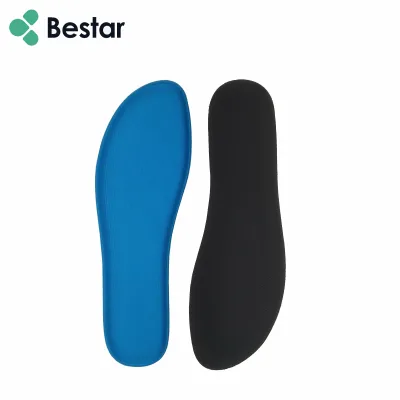
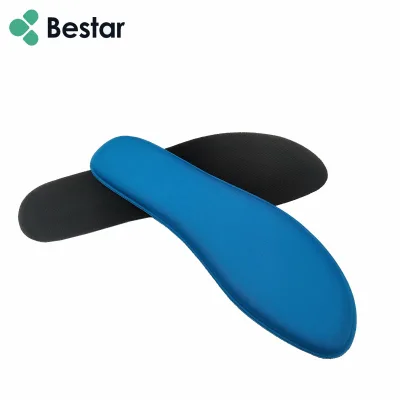


Memory Foam Height Increase Insole Breathable Invisible Increased Insole
$1.10 - $1.50
MOQ: 1000 Pairs


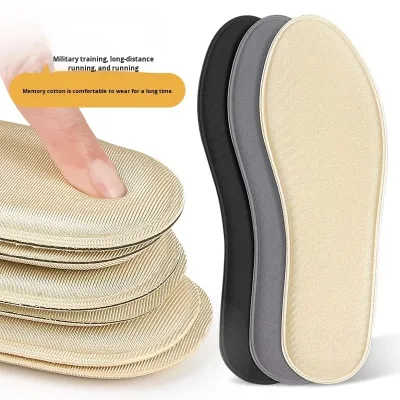
Comprehensive Sourcing Guide
Slow Rebound Memory Foam Insole Sourcing Guide
Sourcing slow rebound memory foam insoles requires a nuanced understanding of material science and supply chain dynamics, particularly when balancing comfort performance with cost efficiency. Buyers must distinguish between standard polyurethane foams and specialized viscoelastic formulations that exhibit the characteristic slow recovery time, which is critical for pressure distribution and impact absorption. The observed market data indicates a diverse range of products, from raw PU foam rolls to finished gel-infused inserts, each serving different end-user needs. Understanding these distinctions is the first step in defining precise procurement specifications that align with your brand’s quality standards and target market expectations.
The procurement landscape for these insoles is characterized by significant variability in raw materials, manufacturing origins, and customization capabilities. Factories in regions like Jinjiang, China, offer extensive OEM and ODM services, allowing brands to tailor density, thickness, and packaging to their specific requirements. However, this flexibility introduces complexity in quality control, as "memory foam" is a broad term that can encompass various densities and chemical compositions. Buyers need to establish clear technical definitions for their orders, ensuring that the supplier’s interpretation of "slow rebound" matches the functional performance expected by the end consumer, thereby minimizing the risk of product mismatch or customer dissatisfaction.
Product Scope and Observed Listing Signals
The current market listing signals reveal a wide spectrum of product types, ranging from raw insole materials to finished consumer goods. Observed attributes include unisex designs, customizable options, and specific model numbers such as FN081, FB100, and BS-S3029, indicating a mature supply chain capable of producing standardized and bespoke items. The presence of materials like MDI, sponge, and memory foam suggests that suppliers offer a hierarchy of quality and price points. Buyers should note that while some listings emphasize shock absorption and foot pain relief, others focus on structural properties like high density or flexibility, requiring careful alignment of product features with intended use cases.
Packaging and presentation vary significantly across suppliers, reflecting different target markets and logistical considerations. Some products are packaged in polybags with papercards for retail readiness, while others are supplied in rolls with PU paper and packing bags, suitable for further manufacturing or bulk distribution. The observed single package sizes and gross weights provide essential data for calculating freight costs and warehouse storage requirements. Additionally, the availability of specific EUR sizes and the option for customized dimensions highlight the importance of verifying size charts and tolerance levels before placing large orders, as inconsistencies in sizing can lead to high return rates in the retail sector.
Technical Specifications to Verify
Thickness is a critical technical parameter that directly influences the insole’s cushioning performance and compatibility with various footwear types. The observed range of 2mm to 20mm indicates that suppliers can accommodate everything from thin, discreet inserts to thick, orthopedic-supportive pads. Buyers must verify the exact thickness tolerance for their specific order, as variations can affect the fit within shoes and the overall comfort experience. It is also essential to confirm whether the thickness is uniform across the entire insole or if it features contoured zones for arch support or heel cushioning, which requires detailed technical drawings or samples for validation.
Material composition and density are equally vital for ensuring the longevity and performance of slow rebound memory foam insoles. While MDI and sponge are listed as raw materials, the specific density of the memory foam determines its durability and recovery speed. Buyers should request detailed material safety data sheets and test reports to verify that the foam meets the required density standards for slow rebound characteristics. Additionally, features such as anti-slippery surfaces, breathability, and impact resistance should be quantified through standardized tests, ensuring that the product performs reliably under real-world conditions and meets the functional claims made in marketing materials.
Compliance and Safety Documentation
Certification status is a key indicator of a supplier’s commitment to quality and regulatory compliance. The observed ISO certification suggests that some manufacturers adhere to international management system standards, which can be a positive signal for process consistency and quality control. However, buyers should verify the specific scope of the ISO certification to ensure it covers the manufacturing of footwear components and insoles. It is also important to inquire about other relevant certifications, such as REACH or Prop 65, depending on the target market, to ensure that the materials used do not contain restricted substances that could lead to regulatory issues or consumer safety concerns.
Safety documentation should extend beyond general certifications to include specific test results for the insole materials. Buyers should request reports on formaldehyde content, pH levels, and colorfastness, as these factors can impact skin health and product durability. Additionally, verifying the flammability standards of the foam material is crucial, especially if the insoles are intended for use in specific types of footwear or environments. Ensuring that all safety documentation is up-to-date and verifiable helps mitigate legal risks and enhances brand credibility, providing assurance to retailers and end consumers that the products are safe for prolonged use.
Cost Drivers and Commercial Terms
The observed price range of 0.3 to 3.5 USD highlights the significant impact of material quality, customization, and order volume on final pricing. Lower prices typically correspond to basic sponge or standard PU foam products with minimal customization, while higher prices reflect advanced memory foam formulations, gel infusions, and bespoke packaging solutions. Buyers should analyze the cost structure to understand the value proposition of each price point, ensuring that they are not overpaying for features that do not align with their brand positioning. It is also important to consider the total landed cost, including shipping, duties, and insurance, when comparing quotes from different suppliers.
Minimum Order Quantities (MOQs) and lead times are critical commercial terms that affect inventory management and cash flow. The observed MOQ range of 100 to 3000 units allows for flexibility, but buyers must balance order size with storage capacity and demand forecasts. Sample delivery times of 2 to 7 days indicate that suppliers can provide quick turnaround for prototyping, which is essential for validating product quality before committing to large production runs. Buyers should negotiate clear terms for sample costs, refund policies, and production lead times to avoid delays and ensure a smooth transition from sampling to mass production.
Supplier Qualification and Quality Control
Supplier qualification involves a thorough assessment of manufacturing capabilities, quality management systems, and past performance. Buyers should conduct factory audits or request third-party inspection reports to verify the supplier’s production capacity, equipment condition, and adherence to quality standards. The presence of OEM and ODM services suggests that suppliers are experienced in working with international brands, but buyers must ensure that the supplier has a robust quality control process in place to maintain consistency across production batches. This includes verifying incoming material inspections, in-process quality checks, and final product testing procedures.
Quality control measures should be explicitly defined in the purchase agreement to ensure accountability and product consistency. Buyers should establish clear acceptance criteria for defects, such as variations in thickness, color, or material density, and define the allowable defect rate for each shipment. Implementing a pre-shipment inspection protocol is recommended to catch any issues before the goods leave the factory, reducing the risk of receiving non-conforming products. Additionally, maintaining open communication with the supplier regarding any quality concerns and establishing a process for handling returns or replacements is essential for building a reliable and responsive supply chain.
Long-Term Procurement Checks
Long-term procurement success depends on continuous monitoring of supplier performance and market trends. Buyers should regularly review supplier metrics, such as on-time delivery rates, defect rates, and responsiveness to issues, to identify potential risks and areas for improvement. Building a strong relationship with the supplier through regular communication and collaborative problem-solving can enhance trust and ensure priority treatment during peak seasons or supply chain disruptions. It is also important to stay informed about changes in material costs, regulatory requirements, and consumer preferences to adapt procurement strategies accordingly.
Diversifying the supplier base is a prudent strategy to mitigate risks associated with single-source dependencies. Buyers should identify and qualify alternative suppliers who can provide similar quality and service levels, ensuring business continuity in case of unforeseen disruptions. Regularly evaluating the competitive landscape and exploring new suppliers can also lead to better pricing and innovation opportunities. By maintaining a dynamic and resilient supply chain, buyers can ensure a steady supply of high-quality slow rebound memory foam insoles that meet the evolving needs of their customers and support long-term business growth.
FAQs
What materials are used for slow rebound memory foam insoles?
The insoles are primarily made from memory foam and PU foam materials. Some variants also utilize sponge for enhanced cushioning. These materials provide soft impact protection and are designed to relieve foot pain effectively for users.
Can I customize the size and packaging for these insoles?
Yes, customization is available for both product specifications and packaging. You can select from various EUR sizes ranging from 36 to 47. Packaging options include polybags with papercards or roll materials depending on your specific order requirements.
What is the minimum order quantity for purchasing these insoles?
The minimum order quantity typically starts at 500 pairs for standard orders. However, observed ranges across different listings vary from 100 to 3000 units. Specific MOQs depend on the supplier and the customization level you require.
How long does it take to receive samples of the insoles?
Sample delivery usually takes between 2 to 7 days for most suppliers. Some specific listings indicate a sample delivery window of 5 to 7 days. This allows for quick evaluation of the product quality before placing a larger order.
Which certifications do these memory foam insoles hold?
The products are certified with ISO standards to ensure quality and safety. This certification applies to the manufacturing process and the final material properties. It confirms that the insoles meet recognized industry requirements for performance and durability.
What are the key features of these shock absorption insoles?
Key features include flexible construction, impact resistance, and wear resistance. They offer cushioning and are designed to be comfortable and breathable. The high-density memory foam provides excellent shock absorption to relieve foot pain during use.
Where are these insole materials manufactured and shipped from?
These products originate from manufacturing locations in China, specifically Fujian and Jinjiang. The goods are typically shipped in rolls or individual bags. This origin ensures access to established supply chains for foam and PU material production.