Source Woven Crystal Velvet Seat Cushion for Office, Home, and Car
Explore 30 listings for the Woven Crystal Velvet Seat Cushion, featuring options with memory foam, quilted designs, and custom shapes. Buyers can compare specifications like filling material, packing types, and seasonal classifications to find the right fit for office, home, or car use.
Key considerations
Products List


Double-Edge Quilted Custom Seat Cushion Perfect for Chair and Bench Seating
$7.30 - $8.90
MOQ: 100 Pieces
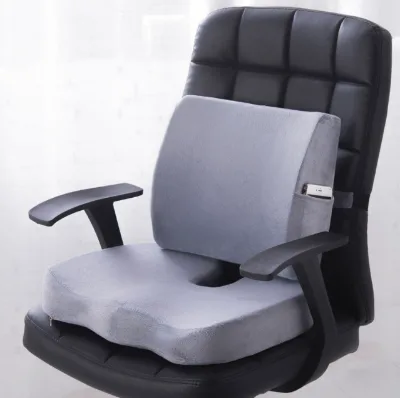


Comprehensive Sourcing Guide
Strategic Sourcing Guide for Woven Crystal Velvet Seat Cushions
Understanding Product Definitions and Technical Specifications
When initiating a procurement strategy for woven crystal velvet seat cushions, the buyer must first establish a precise understanding of the product's technical identity. The core keyword implies a specific intersection of material composition, manufacturing technique, and aesthetic finish. Based on available market data, the term "woven" refers to a specific production method where threads are interlaced to create the fabric structure, distinct from knitted or non-woven alternatives. This technique is observed in products where the fabric exhibits a specific texture and durability profile suitable for high-traffic seating environments.
The "crystal velvet" descriptor suggests a fabric finish that mimics the light-reflecting properties of crystals, often achieved through specific pile heights or fiber treatments. In the context of verified product attributes, materials such as 100% Polyester are commonly cited for this category, offering a balance of softness and structural integrity. The fabric style may also be identified as Jacquard, which allows for intricate patterns to be woven directly into the cloth, or Embroidered, where designs are stitched onto the base fabric. These variations significantly impact the visual appeal and the tactile experience of the final seat cushion.
Dimensions are a critical technical specification that varies widely in this category. While some standard models adhere to specific measurements like 100x44cm, other custom orders may range from 30-250cm in length and 12-101cm in width, with thicknesses around 11cm. The shape of the cushion is equally variable; while rectangular and square shapes are standard for office and home chairs, triangular forms exist for specific decorative applications. The filling material is another pivotal technical factor. High-performance variants often utilize memory foam, which provides the "Memory" and "Cooling" features observed in market listings, ensuring the cushion retains its shape and offers ergonomic support. Other options may include standard foam or fiber fills, but the inclusion of memory foam is a key differentiator for premium seating solutions.
Compliance, Certification, and Material Safety Standards
In the B2B procurement of textile products, verifying compliance and material safety is paramount to mitigate risk and ensure marketability. The supply chain for woven crystal velvet seat cushions often originates from manufacturing hubs in China, specifically regions like Zhejiang, which are known for their textile expertise. However, the geographic origin does not guarantee compliance; buyers must actively verify the safety standards of the materials used.
One of the most critical areas of verification is the presence of hazardous substances. Products in this category are frequently marketed with features such as "Non-Toxic" and "Anti-Pilling," which indicate a commitment to safety and longevity. Buyers should explicitly request documentation regarding chemical compliance, such as the absence of harmful dyes or formaldehyde. While the term "OEKO-TEX" appears in background contexts as a potential standard, it is not confirmed as a universal attribute for all listed products. Therefore, procurement teams must treat this as a verification requirement rather than an assumption. The buyer should demand test reports confirming that the fabric and filling materials meet the specific regulatory requirements of the destination market, whether that be the European Union's REACH regulations or the United States' CPSIA standards.
Furthermore, the "Sustainable" feature mentioned in product attributes suggests an environmental component to the sourcing decision. This may involve the use of recycled polyester or eco-friendly dyeing processes. To validate these claims, suppliers should provide evidence of their manufacturing practices, such as water treatment certifications or waste management protocols. The "Customized Color" attribute implies that dye lots can vary, making batch-to-batch consistency a crucial quality control point. Buyers must ensure that the supplier has a robust color-matching process to prevent discrepancies between the sample and the bulk order, which is particularly important for large-scale furniture projects where uniformity is essential.
Cost Drivers and Pricing Structure Analysis
The pricing structure for woven crystal velvet seat cushions is influenced by a complex array of factors, ranging from raw material costs to logistical considerations. The observed price range in the market spans from approximately $1.61 to $32.00 USD, a significant variance that reflects differences in quality, customization, and order volume. Understanding these cost drivers is essential for budgeting and negotiating effectively.
The primary cost driver is the material composition. Cushions filled with memory foam, which offer superior comfort and the "Massage" and "Cooling" features, command a higher price point compared to those with standard fiber fills. Similarly, the fabric type plays a major role; 100% Polyester velvet with a Jacquard or Embroidered finish is more expensive to produce than a basic woven polyester. The "Handmade" technique noted in some product attributes also adds to the labor cost, as it requires skilled artisans rather than fully automated machinery. This manual intervention can result in higher unit costs but often yields a more premium aesthetic and better attention to detail.
Order volume is another critical determinant of price. The Minimum Order Quantity (MOQ) ranges from as low as 1 unit to as high as 1200 units. Buyers purchasing small quantities may face higher per-unit costs due to the fixed costs of setup and sampling. Conversely, larger orders benefit from economies of scale, significantly reducing the unit price. The "Customization" attribute, including options for custom logos, colors, and dimensions, introduces additional costs. While OEM and ODM services are accepted, these bespoke requirements require extra time and resources, which are reflected in the final price.
Packaging is a less obvious but significant cost factor. The observed packaging methods include PVC bags, handle bags, and cartons. The choice of packaging affects both the unit cost and the shipping efficiency. Cartons, while more expensive, offer better protection during transit and are often required for retail-ready products. PVC bags are more cost-effective but may not provide sufficient protection for delicate velvet fabrics. Buyers must balance the cost of packaging against the risk of damage and the need for professional presentation.
Typical Applications and Usage Scenarios
The versatility of woven crystal velvet seat cushions makes them suitable for a wide range of applications, from residential settings to commercial environments. The "Usage" attributes observed in the market include "Office," "Home," "Car," "Seat," and "Decorative," indicating a broad market reach. In the office sector, these cushions are often used to enhance the comfort of ergonomic chairs, providing the necessary support for long working hours. The "Memory Foam" filling is particularly valued in this context for its ability to reduce fatigue and improve posture.
For home applications, the aesthetic appeal of the crystal velvet finish is a primary driver. The "Solid" and "Pattern" options, including embroidered and Jacquard designs, allow these cushions to serve as decorative accents that complement interior design schemes. The "Four Seasons" classification suggests that these products are designed for year-round use, with materials that offer breathability and comfort in varying temperatures. The "Air-Permeable" feature is crucial for maintaining comfort during warmer months, while the plush nature of the velvet provides warmth in cooler seasons.
Automotive applications represent another significant market segment. The "Car" usage attribute indicates that these cushions are designed to fit vehicle seats, offering enhanced comfort for drivers and passengers. The "Removable and Washable" feature is particularly important in this context, as car interiors are prone to spills and dirt. The "Non-Toxic Washable" characteristic ensures that the cushions can be cleaned safely without releasing harmful chemicals, making them suitable for families with children.
Outdoor applications are also noted, with "Outdoor Bench Cushion" listed as a specific product type. However, buyers must exercise caution here, as standard velvet fabrics may not be inherently weather-resistant. If the product is intended for outdoor use, the buyer should verify that the fabric has been treated for UV resistance and water repellency. The "Sustainable" and "Non-Toxic" features align well with outdoor furniture trends, where eco-friendly and safe materials are increasingly demanded.
Supplier Evaluation and Selection Criteria
Selecting the right supplier is a critical step in the procurement process, requiring a thorough evaluation of their capabilities, reliability, and quality control measures. The market data indicates a concentration of suppliers in China, with specific mentions of Zhejiang as a production hub. While this region is known for its textile industry, buyers should not rely solely on geographic reputation. Instead, they must conduct a comprehensive due diligence process.
One of the first criteria for evaluation is the supplier's ability to handle customization. The "Customization" attribute is widely available, and suppliers should demonstrate flexibility in offering custom colors, logos, and dimensions. The "OEM & ODM" acceptance indicates that the supplier is capable of both original equipment manufacturing and original design manufacturing, which is essential for buyers looking to create a unique product line. Buyers should request samples of previous custom work to assess the quality of the execution and the accuracy of the color matching.
Quality control is another vital evaluation criterion. The "Handmade" and "Quilted" techniques suggest a level of craftsmanship that requires strict quality assurance. Buyers should inquire about the supplier's internal quality control processes, including inspection protocols for fabric defects, stitching integrity, and filling distribution. The "Non-Pilling" and "Non-Toxic" claims should be backed by third-party test reports to ensure they are not merely marketing assertions. Additionally, the supplier's ability to maintain consistency across large production runs is crucial, especially for orders with high MOQs.
Logistical capabilities are also important to consider. The "G.W/N.W" (Gross Weight/Net Weight) of 16/15 Kgs for certain models provides insight into the shipping weight and volume. Buyers should verify the supplier's lead times and their ability to meet delivery deadlines, especially for time-sensitive projects. The "PVC Bag" and "Carton" packaging options should be evaluated for their suitability for the intended shipping method and destination. A reliable supplier will have a robust logistics network and the ability to handle complex shipping requirements.
Quality Control Protocols and Long-Term Procurement Considerations
Implementing a rigorous quality control protocol is essential to ensure that the woven crystal velvet seat cushions meet the buyer's standards and expectations. The quality control process should begin at the raw material stage, where the supplier must verify the quality of the 100% Polyester fabric and the memory foam filling. Buyers should require certificates of analysis for these materials to confirm their specifications and safety compliance.
During the production phase, regular inspections should be conducted to monitor the weaving, quilting, and assembly processes. The "Handmade" nature of some products requires particular attention to detail, as manual labor can introduce variability. Buyers should establish clear acceptance criteria for defects such as loose threads, uneven stitching, or color inconsistencies. The "Removable and Washable" feature should be tested to ensure that the covers can be easily removed and cleaned without damaging the fabric or the filling.
Long-term procurement considerations involve building a sustainable relationship with the supplier. This includes establishing clear communication channels, agreeing on quality standards, and setting expectations for continuous improvement. The "Sustainable" attribute suggests that buyers should also consider the environmental impact of their procurement decisions. Suppliers who demonstrate a commitment to sustainability, such as using eco-friendly materials or reducing waste, are more likely to be reliable partners in the long run.
Finally, buyers should plan for the lifecycle of the product. The "Four Seasons" classification and the "Comfortable Health Seat Cushion" advantage indicate that these products are designed for durability and long-term use. However, buyers should also consider the end-of-life disposal of the cushions. The "Non-Toxic" and "Washable" features suggest that the materials are safe for disposal, but buyers should verify if the supplier offers recycling programs or take-back schemes. By focusing on these long-term considerations, buyers can ensure that their procurement strategy aligns with their broader sustainability goals and operational needs.
Comparative Analysis of Product Attributes
To facilitate decision-making, the following table compares key attributes of woven crystal velvet seat cushions based on the observed market data. This comparison highlights the variations in specifications, materials, and features that buyers should consider when selecting a product.
| Attribute Category | Standard/Basic Variant | Premium/Custom Variant |
|---|---|---|
| Fabric Material | 100% Polyester, Woven | 100% Polyester, Jacquard/Embroidered |
| Filling Material | Standard Foam | Memory Foam (Cooling/Massage) |
| Shape | Rectangle, Square | Triangle, Custom Dimensions |
| Dimensions | Fixed (e.g., 100x44cm) | Custom (30-250cm x 12-101cm) |
| Technics | Machine Woven | Handmade, Quilted |
| Packaging | PVC Bag, Handle Bag | Carton, Custom Packaging |
| Features | Non-Toxic, Washable | Sustainable, Anti-Pilling, Air-Permeable |
| MOQ | Low (1-100 units) | High (100-1200 units) |
| Customization | Limited Color Options | Full Custom Logo, Color, Shape |
This table illustrates the trade-offs between cost, customization, and performance. Buyers must weigh these factors against their specific project requirements to make an informed decision. By understanding these distinctions, procurement teams can optimize their sourcing strategy to achieve the best balance of quality, cost, and functionality.
FAQs
Can I customize the color and logo for this cushion?
Yes, you can request customized colors and logos for this product. The supplier accepts OEM and ODM orders, allowing you to tailor the design to your brand needs while maintaining the core velvet fabric quality.
What are the standard dimensions available for this cushion?
Standard dimensions include 100x44cm, though custom sizes ranging from 30-250cm in length are also available. Specific models like A09121 follow the 100x44cm standard, while others offer flexible sizing up to 101cm width.
How is the cushion filled and what are its features?
The cushion is filled with memory foam to provide massage, memory, and cooling features. It is designed to be comfortable and healthy, with an air-permeable structure suitable for four seasons of use in offices or homes.
What is the minimum order quantity for this product?
The minimum order quantity ranges from 1 to 1200 units depending on the specific model and customization level. Small orders can start with a single unit, while bulk purchases may require higher volumes to achieve optimal pricing.
Which materials are used for the fabric and filling?
The fabric is made of 100% polyester velvet, often featuring Jacquard or embroidered patterns. The filling material is memory foam, ensuring the cushion retains its shape and offers ergonomic support for long-term seating comfort.
Can the cushion cover be removed and washed?
Yes, the cushion cover is removable and washable for easy maintenance. This feature ensures the product remains hygienic and durable, especially for applications in cars, offices, or homes where spills and dirt are common.
Where is this product manufactured and what is the origin?
This product originates from China, specifically from the Zhejiang region known for textile manufacturing. The place of origin is confirmed as China, with specific models like KC004 produced by brands such as Koncen.